What is Albania Known For? 10 Things That Made the Country Famous
Durrës Daily Tours
June 8, 2026
Ask ten travelers what they associate with Albania and you'll get ten very different answers. The country is still defining itself on the global stage — coming out of nearly fifty years of communist isolation, quietly accumulating UNESCO sites and viral beaches, and reintroducing itself one tourist at a time. Locals are used to people arriving with almost no idea what to expect.
So if you're researching a trip — or just curious what makes this small Balkan country stand out — this is the honest answer. Ten things Albania is genuinely known for, written by people who run tours here for a living.
For deeper context, the why Albania is Europe's most underrated destination post pairs well with this one, and the 30 things to do in Albania bucket list translates these into actual experiences.
1. Besa — The Sacred Code of Hospitality
If you ask older Albanians what makes the country unique, this is usually the first answer. Besa is a centuries-old code of honor that translates loosely as "keeping the promise" — but in practice it means treating any guest as sacred, even at personal cost. It's not folklore; the code is still observed across the country), and it shaped one of the most extraordinary stories of WWII: Albania, alone in Europe, ended the war with more Jews living within its borders than at the start, because hundreds of Albanian families hid Jewish refugees and refused to surrender them to the Nazis, citing besa.
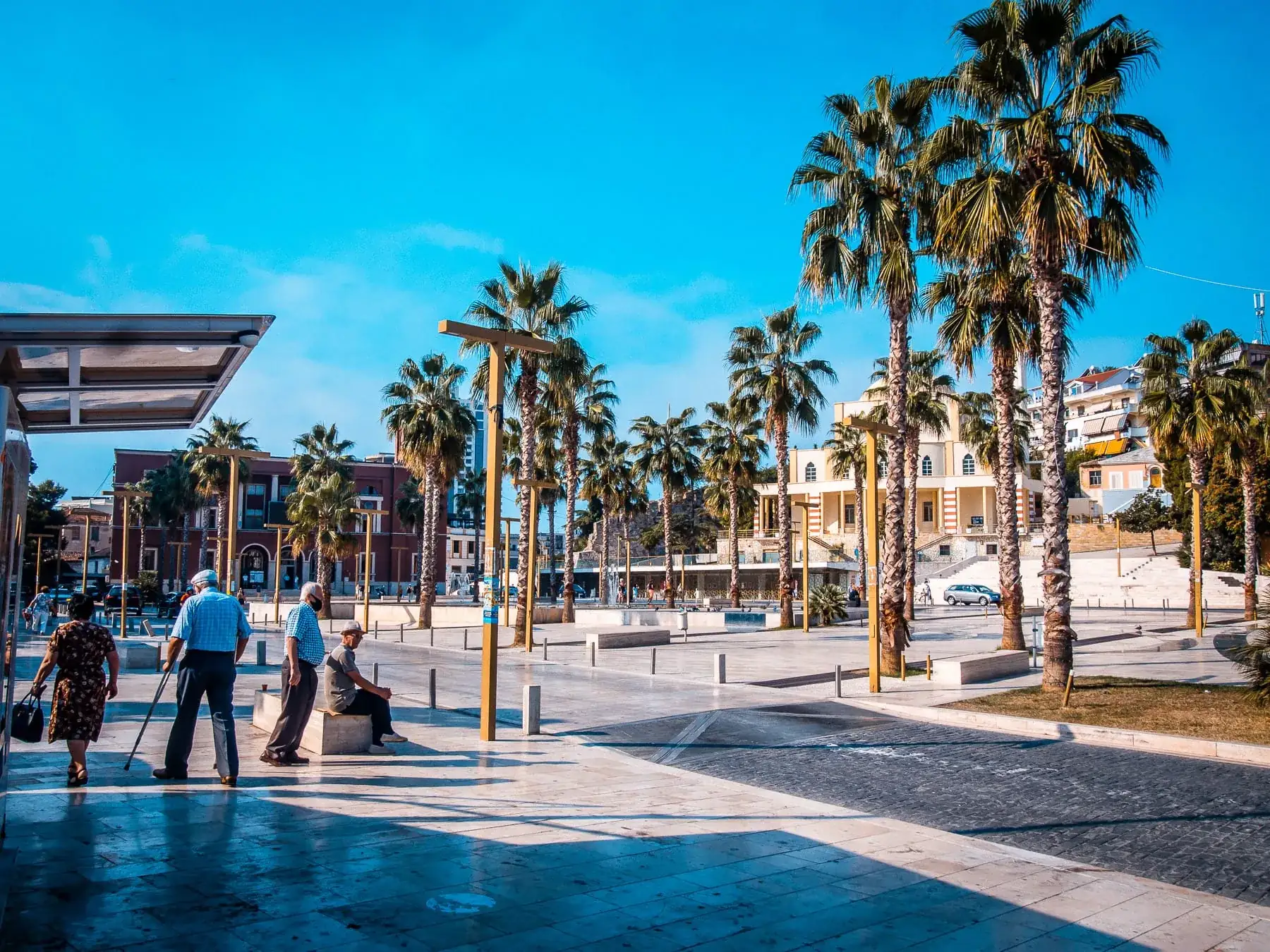
For travelers, this surfaces in small ways every day. A stranger inviting you for coffee. A restaurant owner refusing to let you pay. Someone driving you to a hidden beach because you asked for directions and they decided you needed the full experience. It's the single thing every first-time visitor remembers.
2. The Albanian Riviera
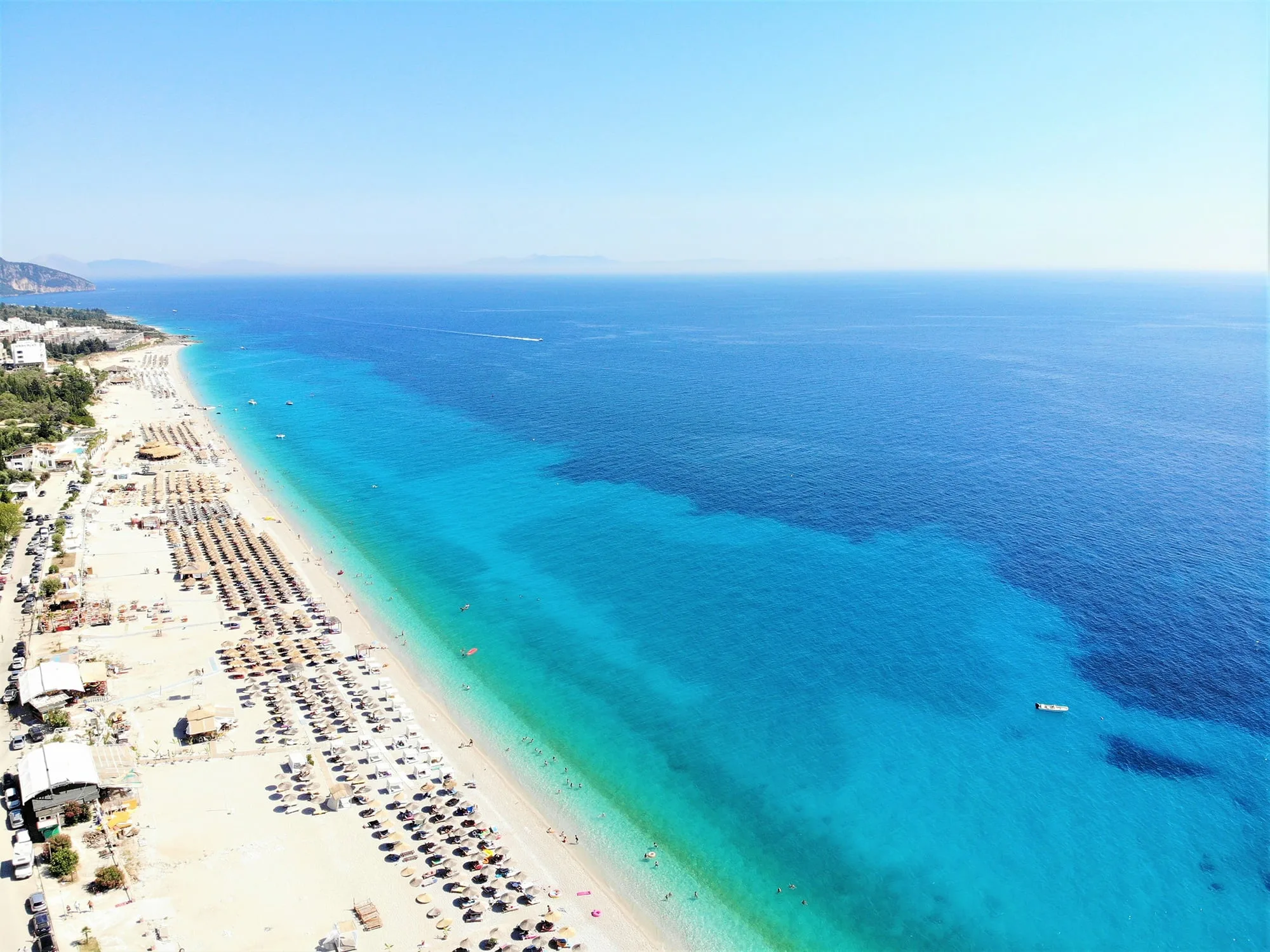
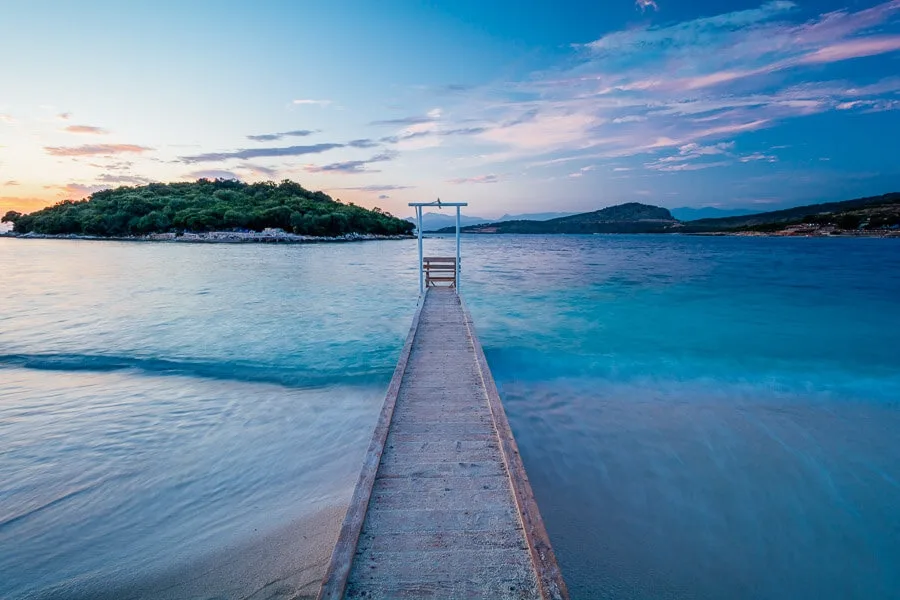
For the last few years, the Albanian Riviera has been the country's most viral export. A 120-kilometer stretch of Ionian coastline running from Vlorë south to Sarandë, broken up by villages like Dhërmi, Himarë and Ksamil — all backed by mountains that drop directly into turquoise water.
The most famous beaches are at Ksamil, where four small islands sit close enough to shore to wade out. But locals know the real coastline is in the harder-to-reach coves — most of which we covered in the hidden beaches of Albania post. The water is some of the clearest in the Mediterranean, and prices are still a fraction of Greece or Croatia.
The full story (and a planning framework) is in our first-timer's guide to the Albanian Riviera.
3. Three UNESCO World Heritage Sites
For its size, Albania has an outsized share of UNESCO World Heritage. Three sites, each completely different in character:
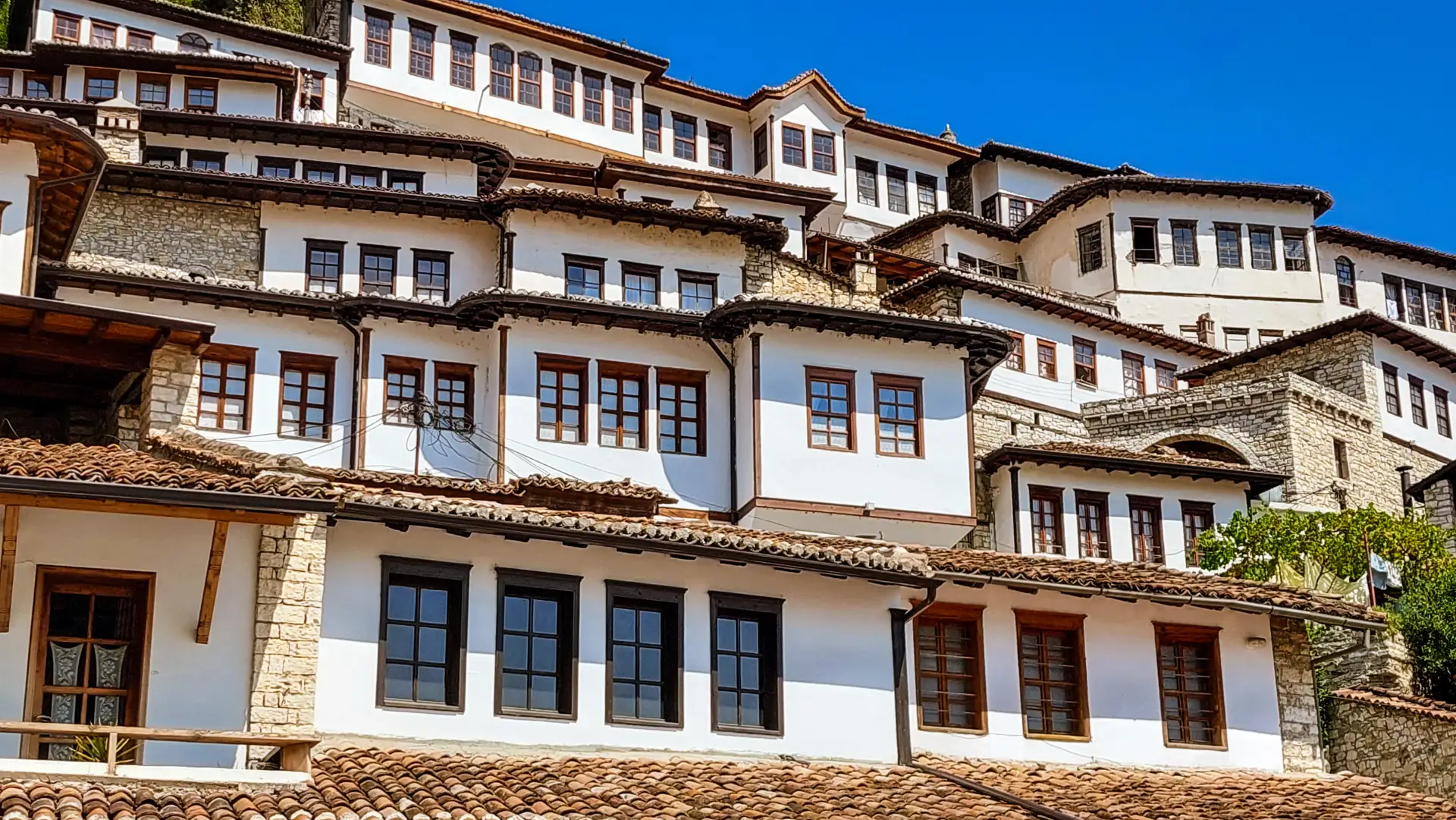
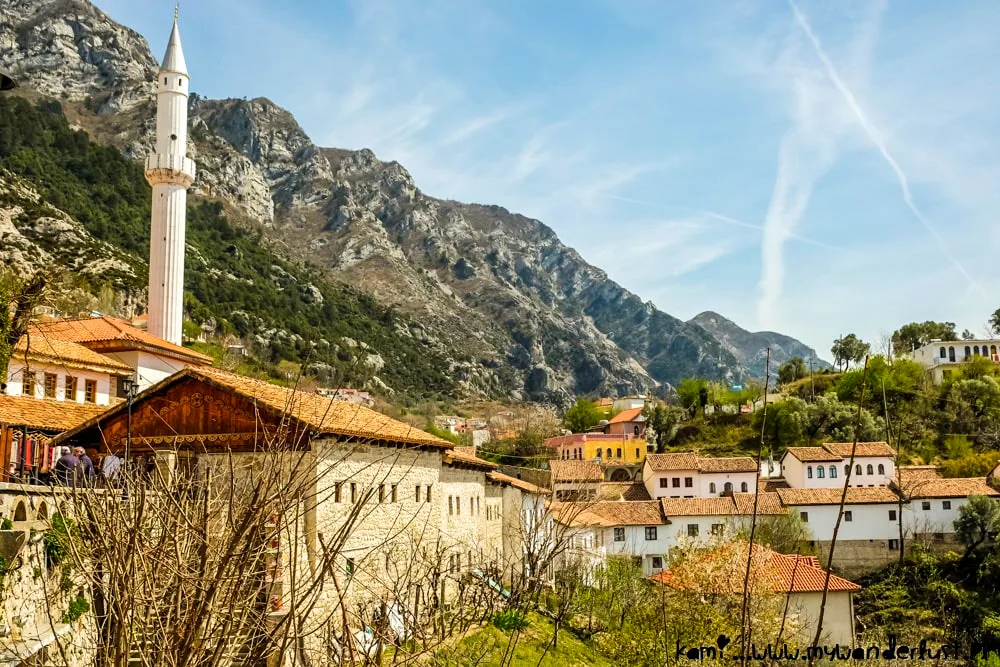
- [Berat](/destinations/berat) — the "City of a Thousand Windows", an Ottoman-era hillside city with stone houses stacked over the Osum River.
- [Gjirokastër](/destinations/gjirokaster) — the stone city of slate roofs, built into a hillside under one of the largest castles in the Balkans, with a Cold War tunnel hidden underneath.
- [Butrint](/destinations/butrint) — an archaeological peninsula where Greek, Roman, Byzantine and Venetian cities are literally layered on top of each other.
All three are covered in detail (and how to actually visit them) in our guide to Albania's three UNESCO sites.
4. 173,000 Communist-Era Bunkers
Between 1967 and 1986, Albania's communist leader Enver Hoxha built 173,000 concrete bunkers across the country — roughly one for every 16 citizens. He was convinced an invasion was imminent from either NATO or the Soviets (Albania had broken with both), so the entire country was militarized. The invasion never came. Most of the bunkers remained empty.
Today they're a kind of accidental national monument. You see them everywhere — half-buried in beaches, planted in olive groves, repurposed as bars and even airbnbs. The two big ones in Tirana — BunkArt 1 and BunkArt 2 — have been turned into excellent museums covering the absurdity and brutality of the Hoxha era. Our Tirana Communist Past & city highlights day tour makes the whole thing make sense.
5. Skanderbeg — The National Hero Who Held Off the Ottomans
Walk into any Albanian town and you'll see the same equestrian statue: a man in armor, double-headed eagle on his helmet, sword raised. That's Skanderbeg (real name: Gjergj Kastrioti), and he is the closest thing Albania has to a founding figure.
In the 15th century, while the Ottoman Empire was steamrolling through the Balkans, Skanderbeg held out from his mountain stronghold at Krujë for 25 years, defeating Ottoman armies many times larger than his own. He was eventually celebrated across Renaissance Europe as the Athleta Christi — the "Champion of Christ". His face is on the country's flag (the double-headed eagle was his family crest), on currency, and in the dedication of countless squares, schools and museums.
Visiting his castle at Krujë and the museum next to it is one of the most direct ways to understand Albanian identity. We include it on the Krujë Castle, Old Bazaar & Skanderbeg Museum tour.
6. The Albanian Alps
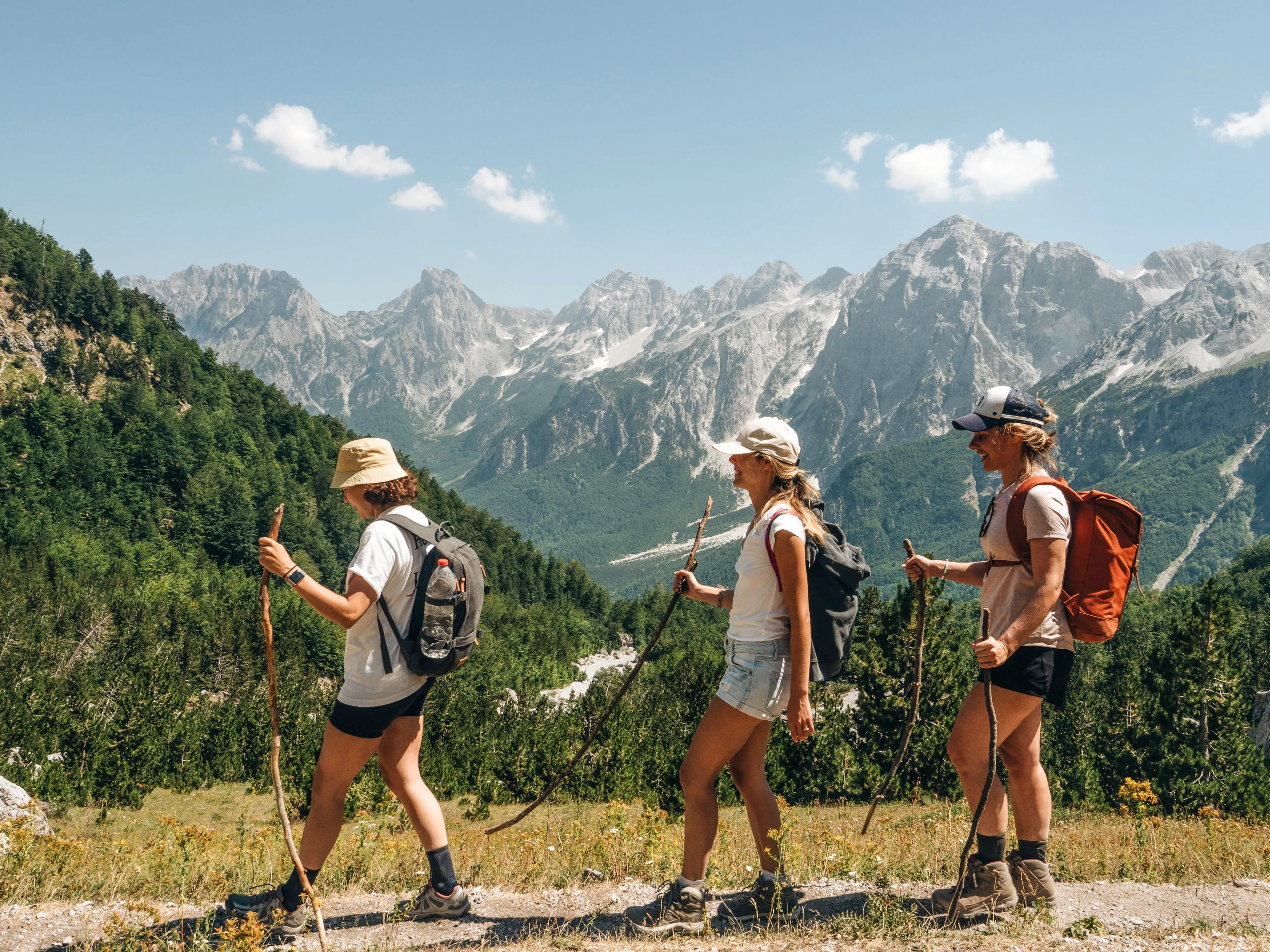
In Albania's far north, the Albanian Alps (locally: Bjeshkët e Nemuna, "the Accursed Mountains") rise to nearly 2,700 meters. They are one of the wildest, least-developed mountain ranges in Europe — and quickly becoming one of the continent's best-loved hiking destinations.
The headline experience is the Theth to Valbona trek, a six-hour hike over Valbona Pass with relentlessly beautiful views. The supporting cast includes Komani Lake — often called Albania's answer to the Norwegian fjords — and the Shala River, which runs an unreal turquoise blue. Our Komani Lake & Shala River day tour packs the highlights into a single day from Durrës.
7. Indigenous Wine Grapes No One Else Grows
Albania's wine scene is the surprise of every food tour we run. The country has been making wine since at least the 7th century BC, and several of the indigenous grape varieties grown here exist almost nowhere else: Kallmet (a red with notes of dried cherry), Shesh i Bardhë (a fresh, mineral white), Shesh i Zi (a rustic red), Vlosh (a coastal varietal native to Vlorë).
The wineries around Berat are leading the revival, with several family-run producers now exporting internationally. Tastings are still cheap (€10–15 for 4–5 wines plus a small meal) and the people pouring them are usually the people who grew the grapes. Our Berat & local wine tasting experience and Albanian wine tasting tour with vineyard and boat lake get you inside the scene.
8. Mother Teresa
Mother Teresa — born Anjezë Gonxhe Bojaxhiu in 1910 — was ethnically Albanian, born to an Albanian family in Skopje (then part of the Ottoman Empire, now North Macedonia). Albania claims her as its most internationally famous figure, and she's a quiet but visible presence across the country: the national airport at Tirana is named after her, statues stand in several city squares, and her image appears on stamps, currency, and church murals.
Her actual childhood home is in Skopje, but the family has Albanian roots in Shkodër and she is a major part of how Albanians present their cultural identity abroad. For travelers, this matters mostly because it's a useful conversation opener — locals are genuinely proud of the connection.
9. The Blue Eye Spring
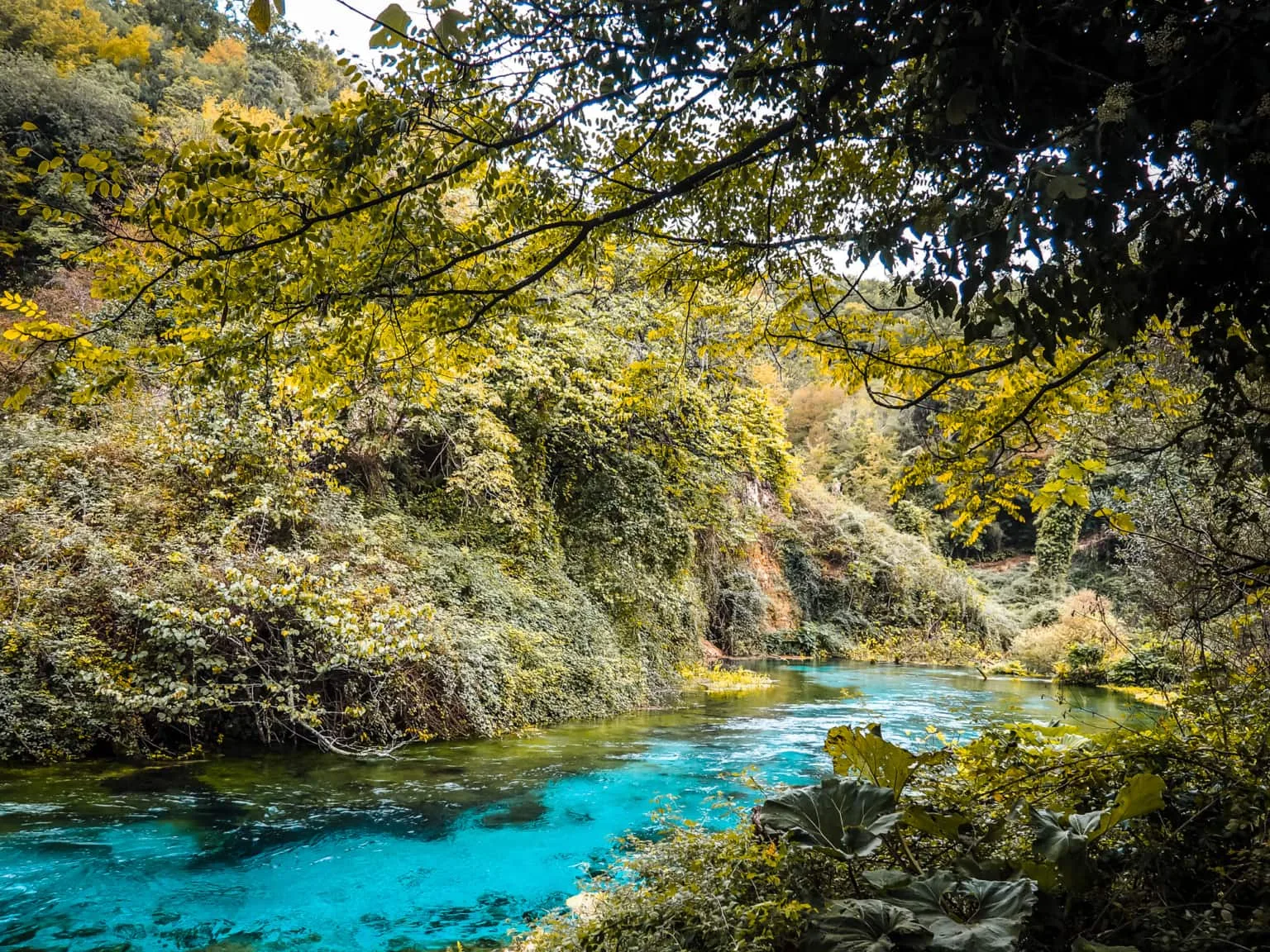
The Blue Eye (Syri i Kaltër) is a natural spring in southern Albania, about 30 minutes from Sarandë. The water is so cold and so clear that the spring itself appears as a deep blue-black pupil with a brilliant turquoise iris. Divers have descended to 50+ meters and still haven't found the source. The whole pool feels otherworldly — a single concentrated point of color in the middle of an oak forest.
Confusingly, Albania has two Blue Eyes — the famous southern one near Sarandë, and another, smaller spring in the Theth area of the Albanian Alps. Both are popular but the southern one is the icon. We include the southern Blue Eye on our Ksamil, Blue Eye & Tepelena full-day tour and the northern one on our Theth & Blue Eye Albanian Alps Adventure.
10. Affordable Mediterranean Travel
This is the practical one, but it matters. Albania is one of the cheapest countries in Europe to travel through, and the gap with its neighbors — Greece, Italy, Croatia — is still significant. A three-course meal with wine in a serious Tirana restaurant typically lands under €30. A bed in a riviera guesthouse in shoulder season can be €25–40. Petrol is cheap. Bus fares are negligible.
The combination of UNESCO heritage, undeveloped coastline, real wine culture, alpine hiking and total hospitality — at prices that haven't yet caught up to the experience — is the actual reason Albania keeps showing up on "where to go next year" lists. For now, the country still offers the rare combination of "high quality" and "high value" that most of the Mediterranean lost decades ago.
The Common Thread
Hospitality, defiance, layered history, dramatic landscape, indigenous food and wine, low prices — there's a thread running through all of it. Albania is small, was isolated for a long time, and is still figuring out how to present itself to the world. The texture is still there. Everything is still slightly unpolished in the ways that matter.
Five years from now, parts of this list will read differently. The coast will be busier. Wine prices will catch up. Komani Lake will probably have a paved road and a parking lot. Right now, it's still possible to see all of this with someone who grew up next to it.
If you want to put any of these on an itinerary, browse our tours or send us a note — we'll help you build the trip around the things on this list that fit your style.