Tirana
The Colourful Capital — where Ottoman mosques, communist bunkers, and vibrant street art collide
Europe's Most Surprising Capital
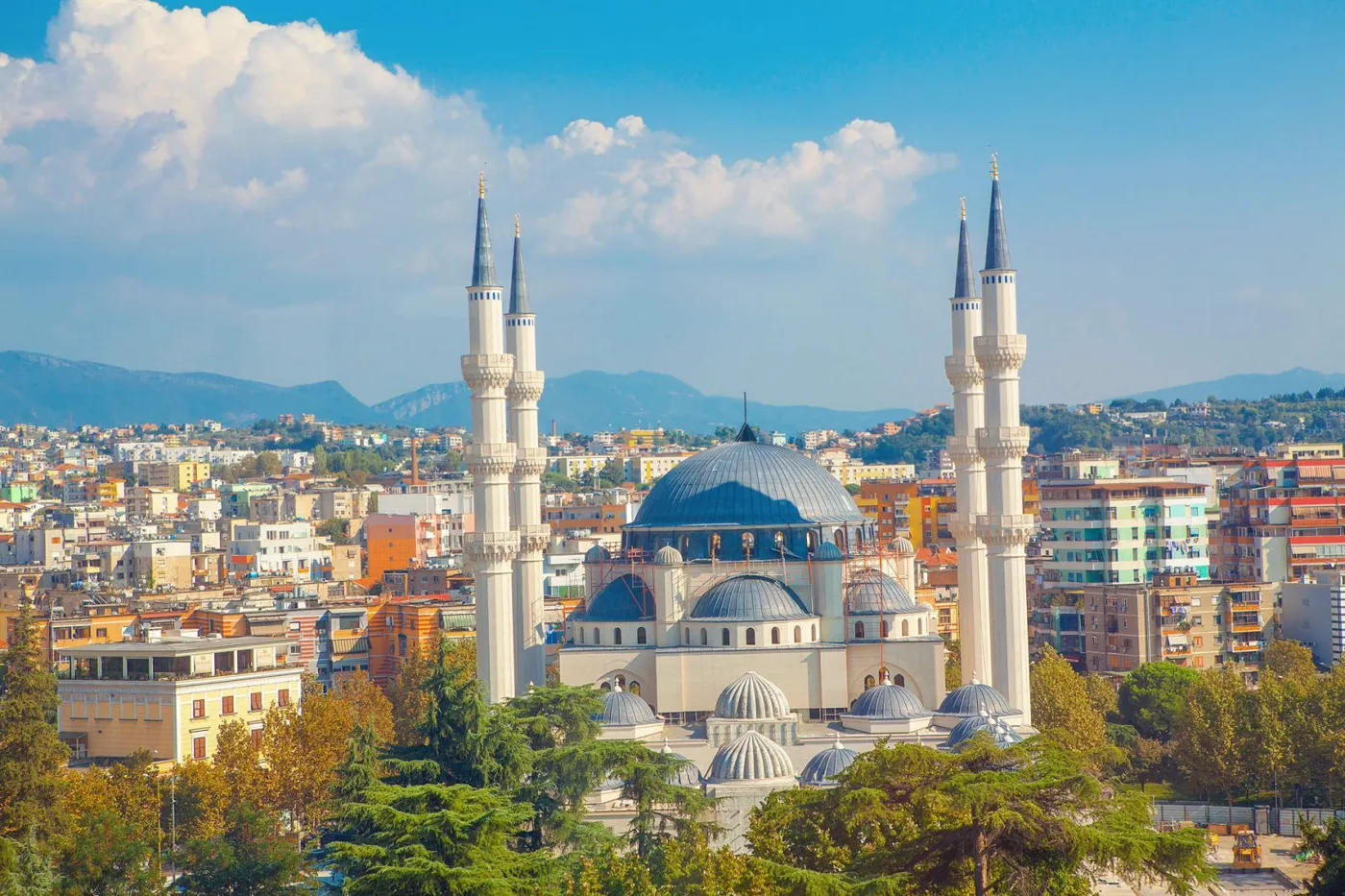
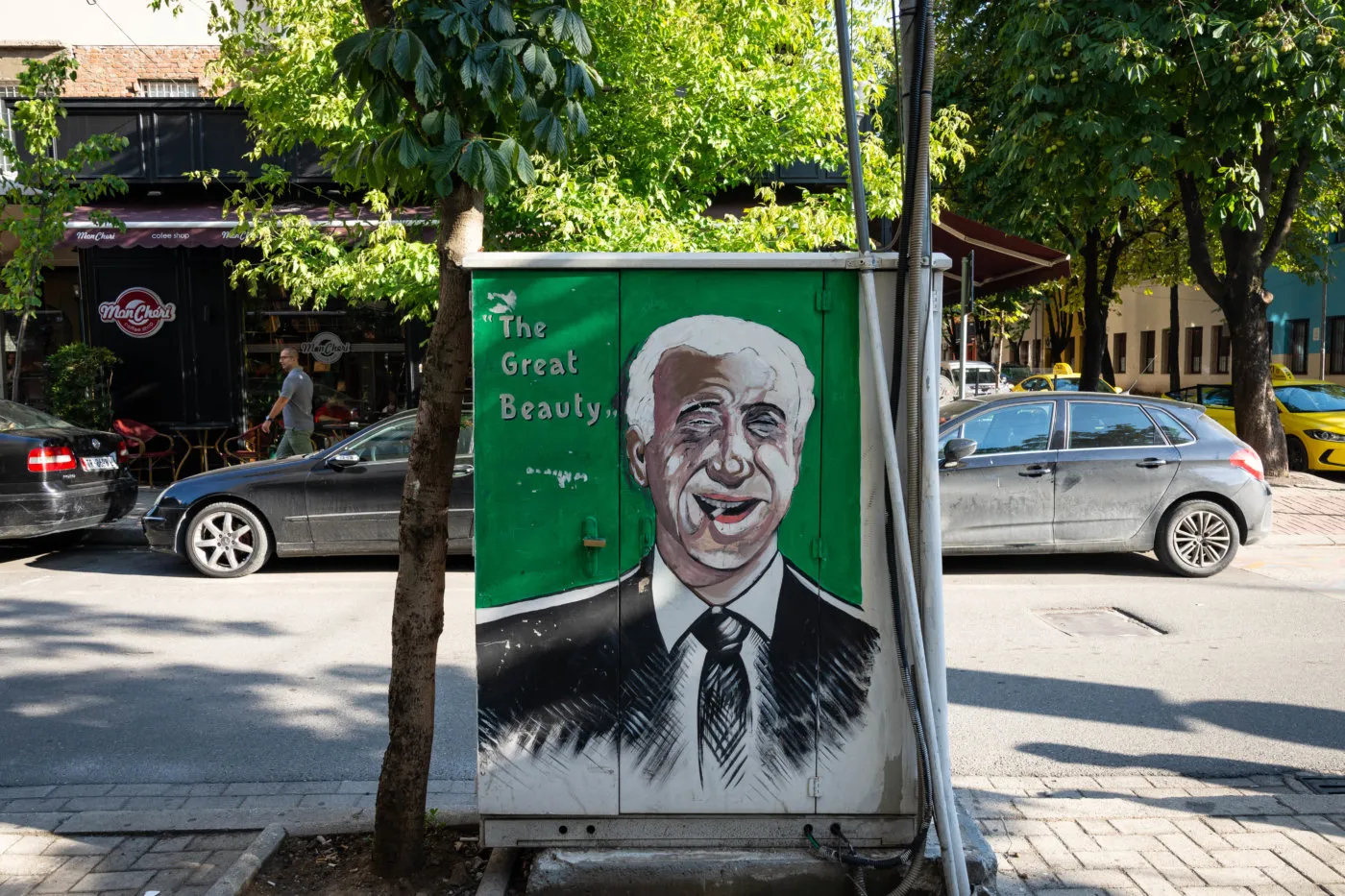
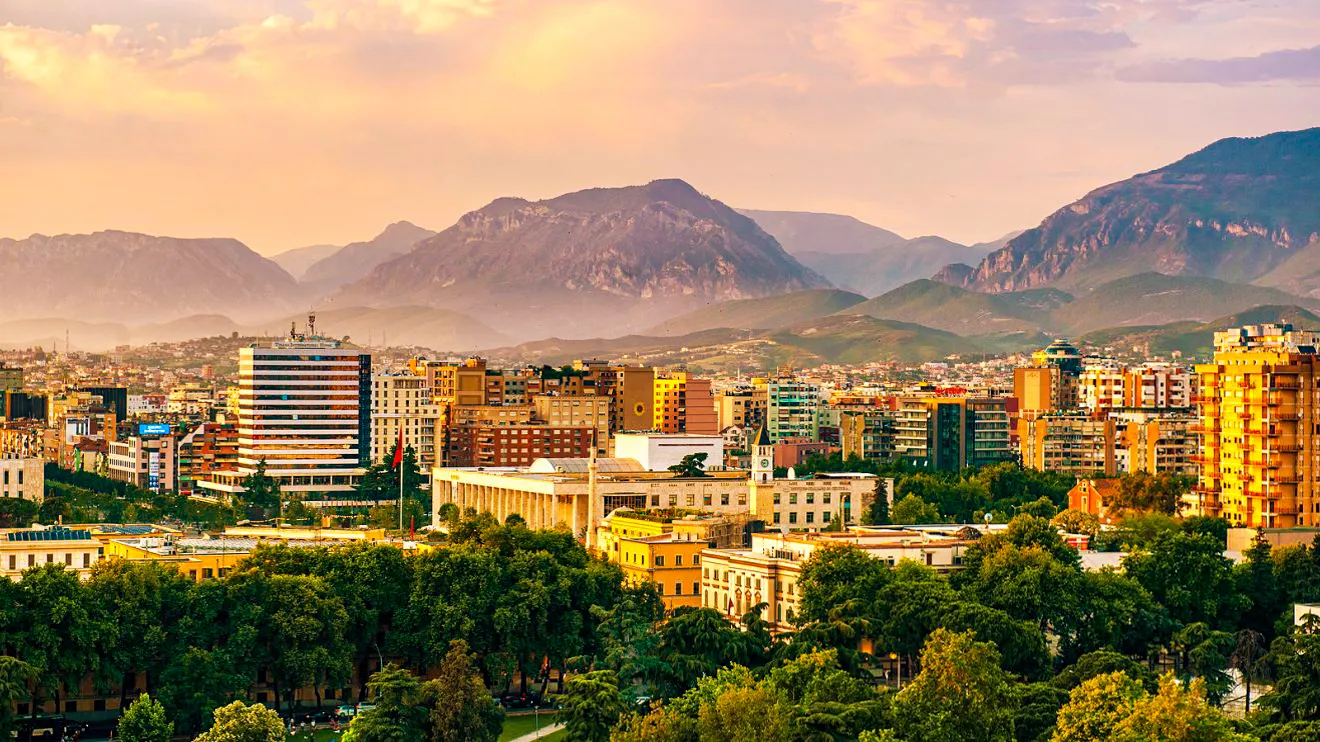
Tirana is a city that defies expectations. Albania's capital is a whirlwind of colour, noise, espresso, and contradictions — where a 400-year-old Ottoman mosque stands next to a communist pyramid, a Blloku cocktail bar occupies a former secret-police zone, and street art murals cover brutalist apartment blocks in every shade of the rainbow.
With a population of over one million — nearly a third of Albania's total — Tirana is the country's political, economic, and cultural engine. Yet it feels nothing like a typical European capital. There are no ancient Roman ruins or medieval cathedrals here. Instead, Tirana's charm lies in its layers of 20th-century reinvention: Ottoman, monarchist, fascist, communist, and exuberantly democratic — each era leaving its fingerprint on the cityscape.
Just 35 minutes from the coast at Durrës and 25 minutes from the international airport, Tirana is the natural starting point for exploring Albania. But give the capital at least two full days — it has far more to offer than most visitors expect.
A City That Reinvents Itself
From a dusty Ottoman trading post to Europe's most colourful capital — Tirana's story is one of constant reinvention, shaped by empires, ideologies, and a stubborn national optimism.
 1614
1614Ottoman Foundations
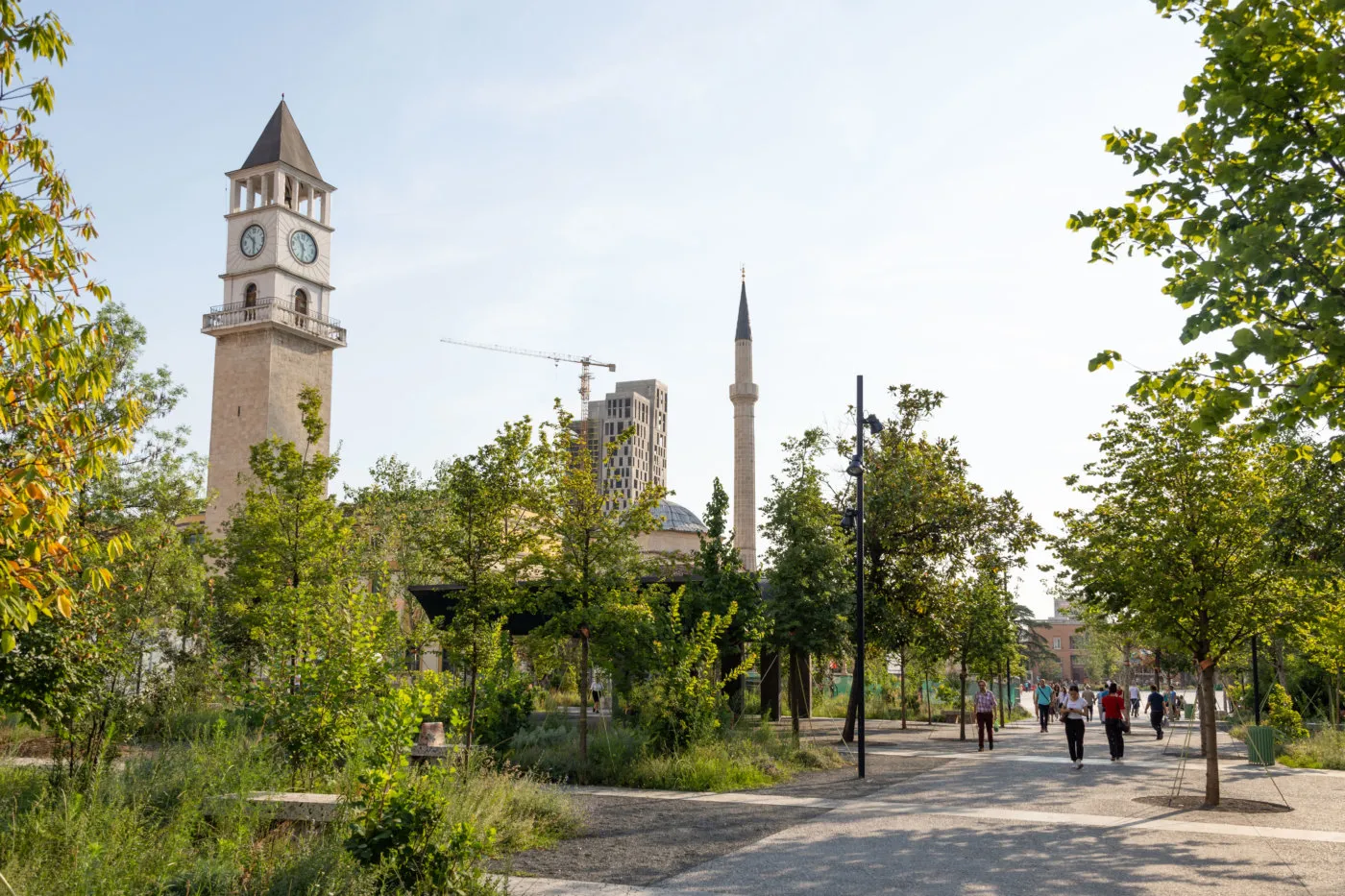
Tirana was founded in 1614 by the Ottoman feudal lord Sulejman Bargjini, who built a mosque, a bakery, and a hammam — the nucleus of a small trading settlement at the crossroads of caravan routes linking the Adriatic coast to the eastern Balkans. The Et'hem Bey Mosque, begun in 1793 and completed in 1821, remains the city's most exquisite Ottoman monument, with frescoes of trees, waterfalls, and bridges — rare in Islamic art — adorning its interior walls.
 1920
1920Capital of the New Albania
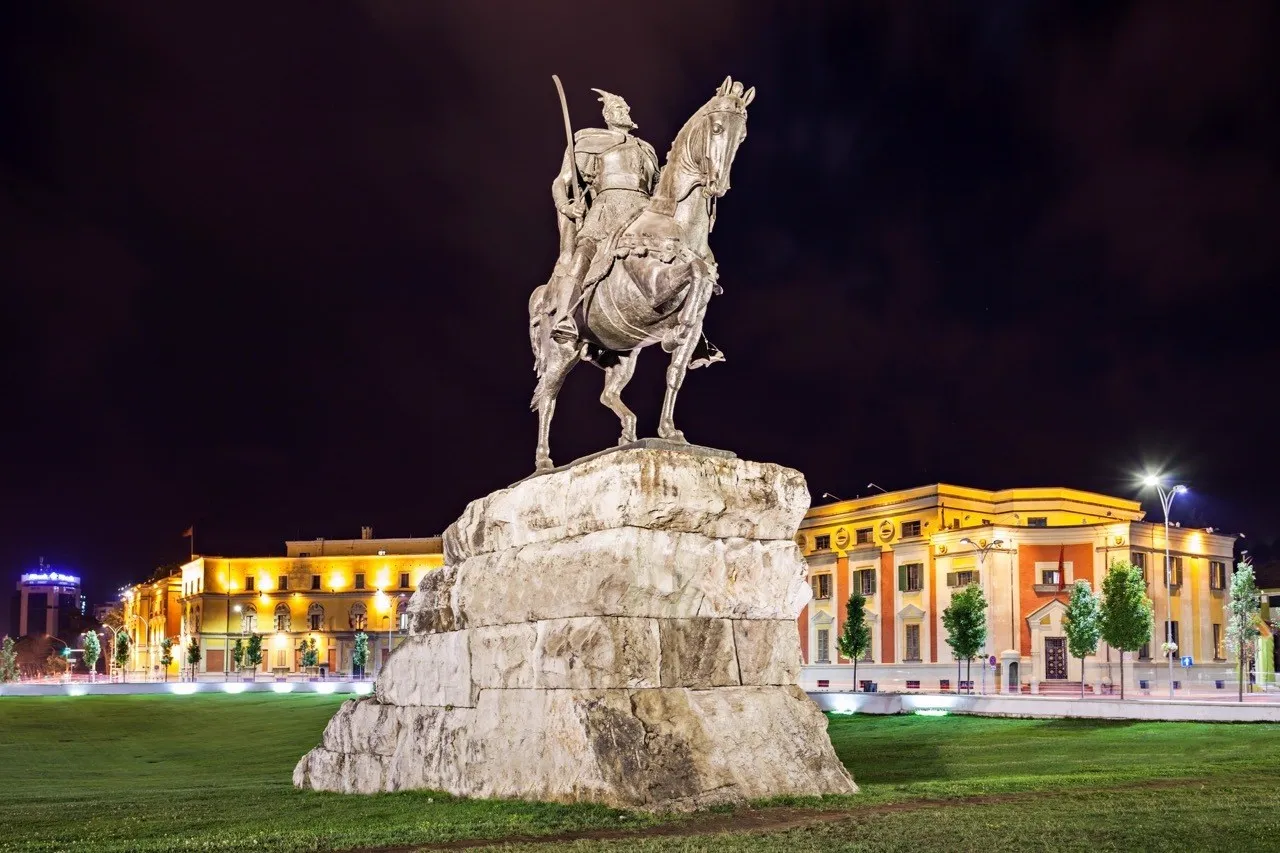
After Albania declared independence in 1912, a chaotic period of competing governments followed. In 1920, the Congress of Lushnjë declared Tirana the permanent capital — chosen for its central location rather than its size. At the time it was a dusty town of barely 12,000 people. King Zog I hired Italian architects to reshape it in the 1930s, creating the grand central boulevard and ministerial buildings that gave Tirana the bones of a European capital.
 1930s
1930sItalian-Era Modernisation
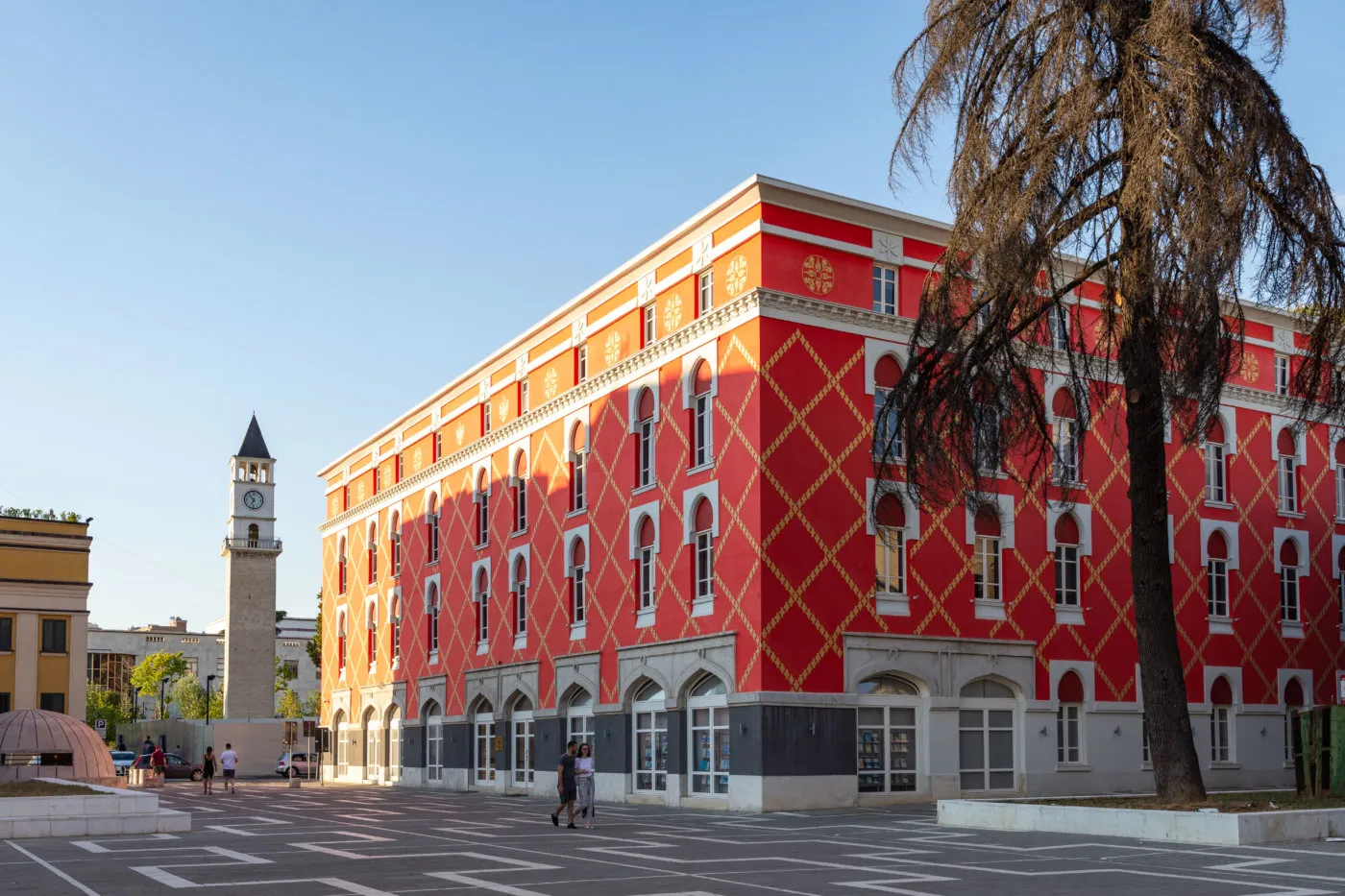
Under Zog's patronage, Italian architects Florestano Di Fausto and Armando Brasini designed the main government boulevard, Skanderbeg Square, and a series of neoclassical ministerial buildings. These structures — now painted in Tirana's signature bold colours — still form the architectural spine of the city centre. The Royal Palace (today the presidency) and the National Theatre were built during this period, transforming a provincial Ottoman town into something resembling a small Mediterranean capital.
 1944–1991
Communist Isolation
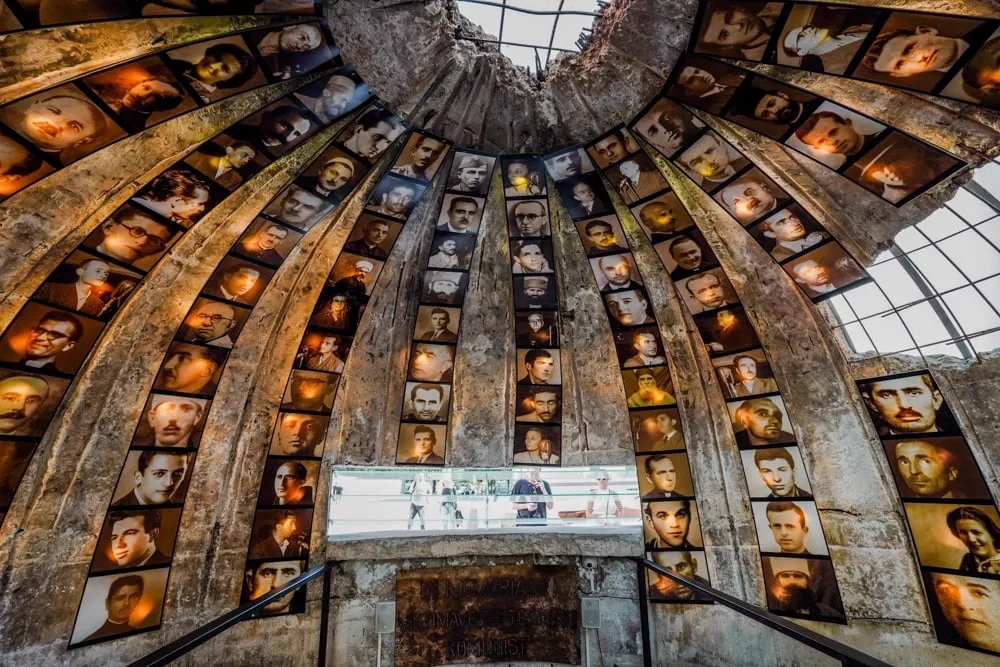
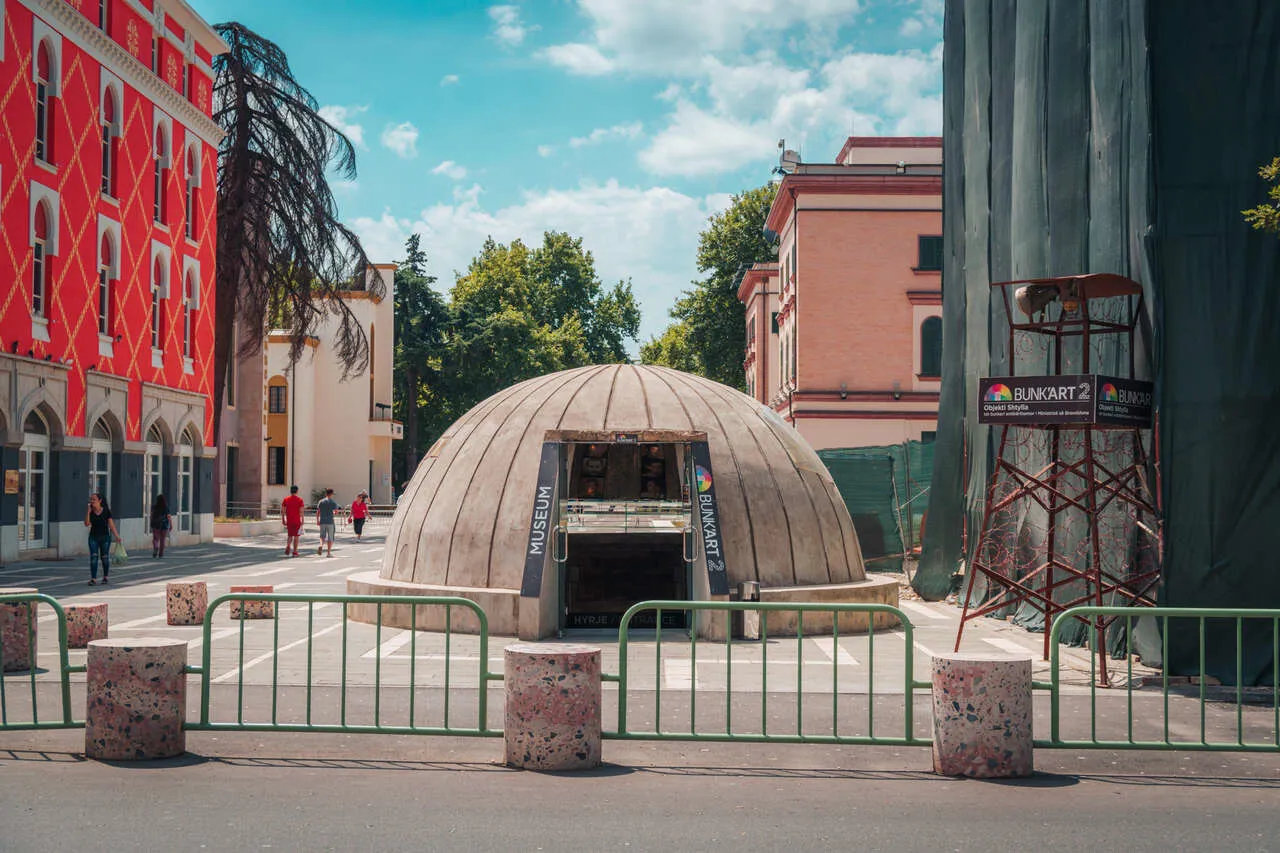
Under Enver Hoxha's regime, Albania became the most isolated country in Europe. Tirana was remade in concrete: massive apartment blocks, the Palace of Culture (built on the demolished site of the Old Bazaar), the Pyramid of Tirana (designed by Hoxha's daughter as his mausoleum), and over 170,000 bunkers scattered across the country. Religion was banned, foreign travel forbidden, and Tirana became a grey, silent city. Two of these bunkers have been transformed into BunkArt museums — among Tirana's most powerful attractions today.
 1991–2000
Democratic Rebirth
The fall of communism in 1991 unleashed a wave of chaotic freedom. Thousands of Albanians flooded into Tirana from the countryside, doubling the city's population in a decade. Informal construction exploded. The economy lurched through a Ponzi-scheme crisis in 1997 that nearly destroyed the country. But from the rubble, a new Tirana was emerging — one that would soon surprise Europe with its radical transformation.
2000–PresentThe Colourful Capital
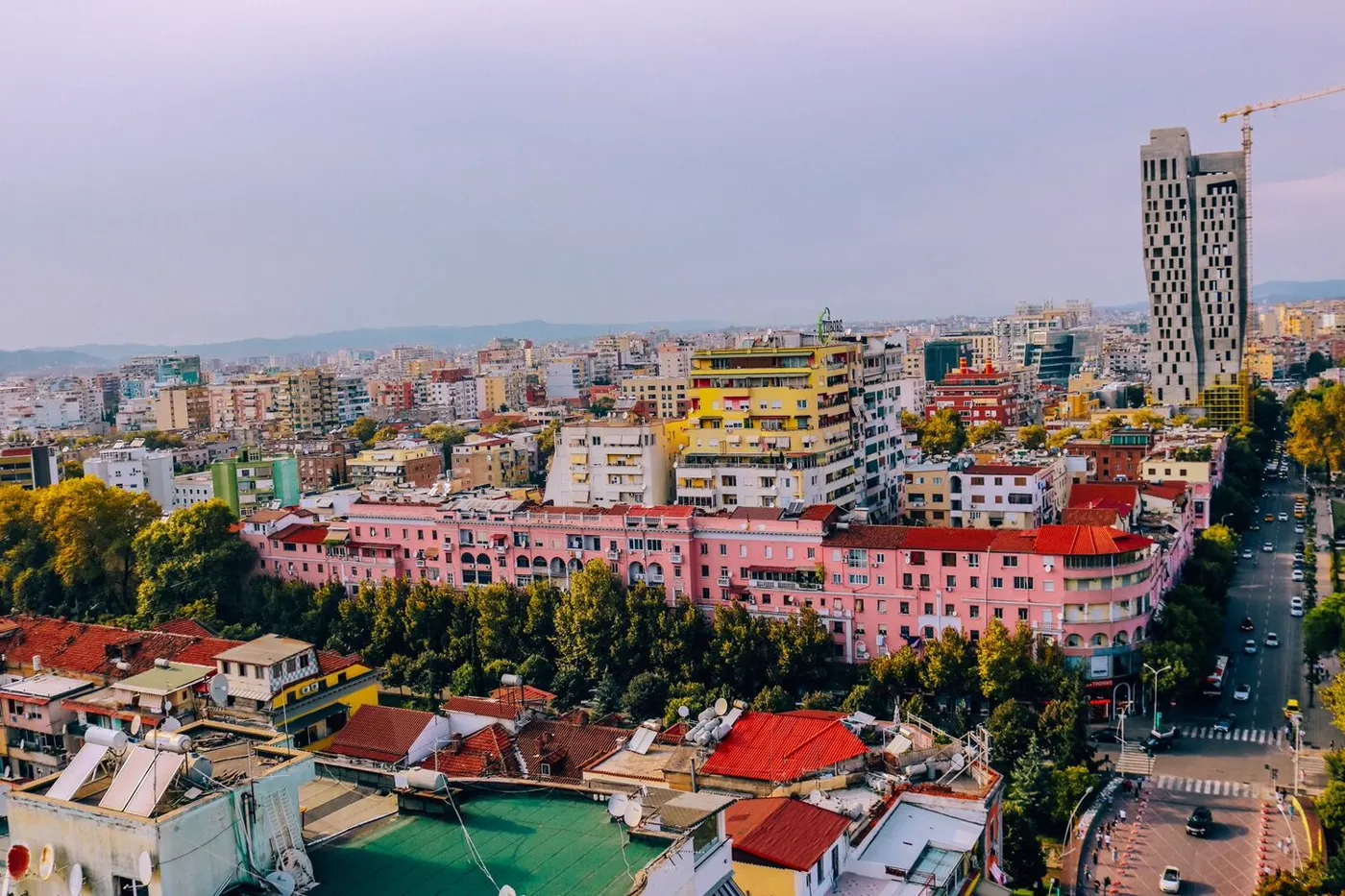
When artist-turned-mayor Edi Rama took office in 2000, he painted the drab communist apartment blocks in vivid oranges, pinks, and greens — an act of radical optimism that made international headlines. Since then, Tirana has been transformed: Skanderbeg Square was pedestrianised and redesigned, the artificial lake park was restored, new museums opened, and the Blloku district — once reserved exclusively for the communist elite — became the city's liveliest café and nightlife quarter. Today Tirana is one of Europe's most dynamic and surprising capitals.
Landmarks & Attractions
From Skanderbeg Square and Cold War bunkers to vibrant markets and lakeside parks — Tirana packs an extraordinary amount into a walkable city centre.
Skanderbeg Square
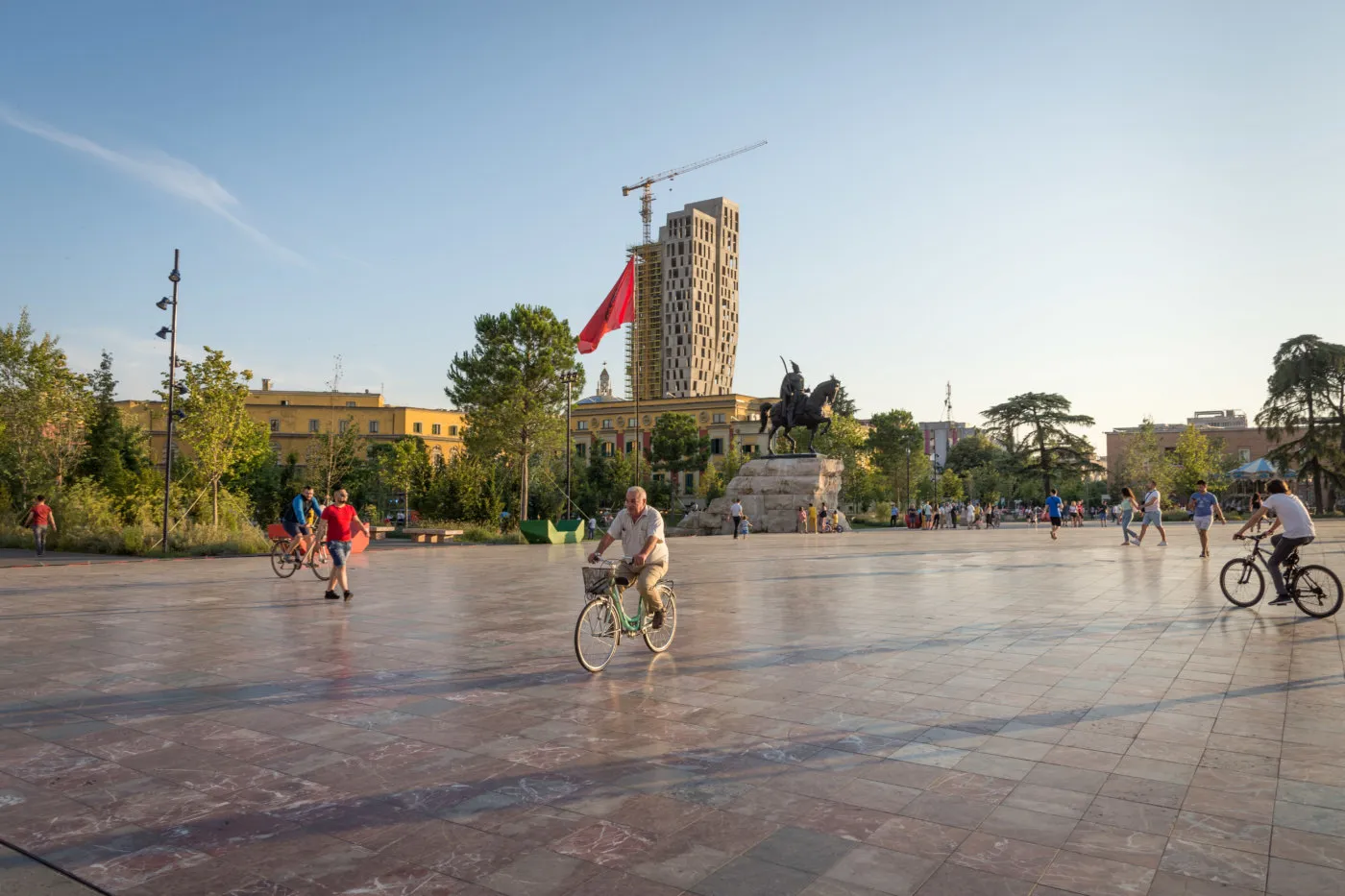
The heart of Tirana and one of the largest public squares in Europe at 40,000 m². Redesigned in 2017 with a sweeping stone mosaic that incorporates fragments from every region of Albania. Surrounded by the National History Museum, Et'hem Bey Mosque, the Clock Tower, the Opera House, and government ministries — it's the starting point for any visit to the capital.
BunkArt 1 & 2
Two extraordinary museums built inside Cold War-era bunkers. BunkArt 1 occupies a massive five-storey underground complex on the outskirts of the city, originally designed to shelter the communist elite during a nuclear attack — now a haunting museum of communist-era history. BunkArt 2, in the city centre, focuses on the Ministry of Internal Affairs and the Sigurimi secret police.
Et'hem Bey Mosque & Clock Tower
The mosque, built between 1793 and 1821, is Tirana's most beautiful Ottoman building. Its interior frescoes depicting natural landscapes are exceptionally rare in Islamic art. Adjacent stands the 35-metre Clock Tower, built in 1822 and offering panoramic views over Skanderbeg Square from the top — one of the best photo spots in the city.
National History Museum
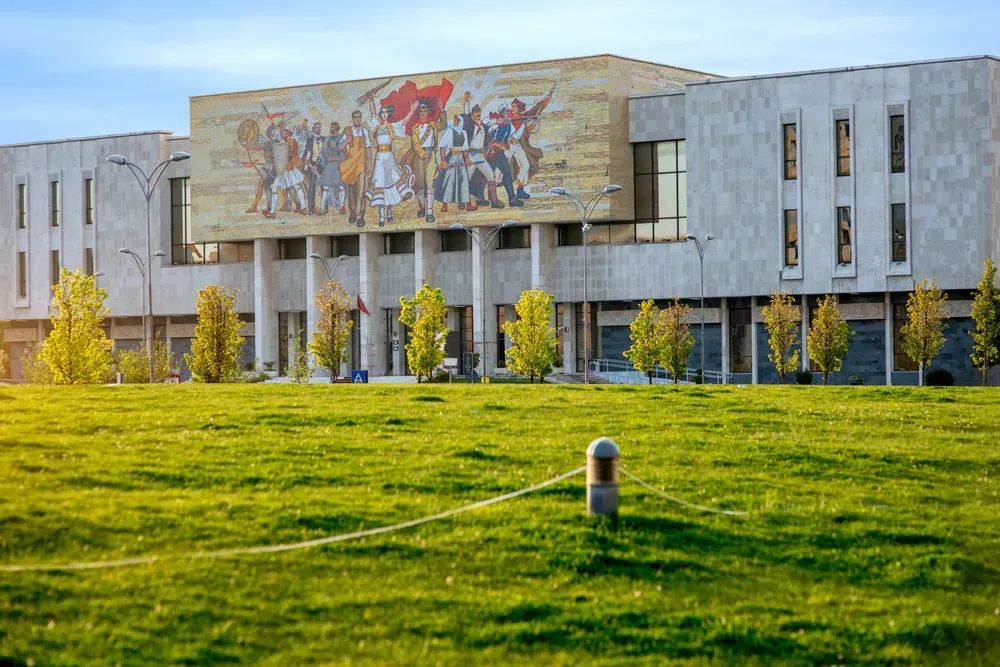
Albania's largest museum, instantly recognisable by the enormous mosaic mural on its façade — The Albanians, depicting 2,000 years of national history from the Illyrians to the communist partisans. Inside, eight pavilions cover antiquity, the Middle Ages, the Renaissance, independence, two world wars, communist terror, and the democratic movement. The ancient Illyrian artefacts are world-class.
Pyramid of Tirana
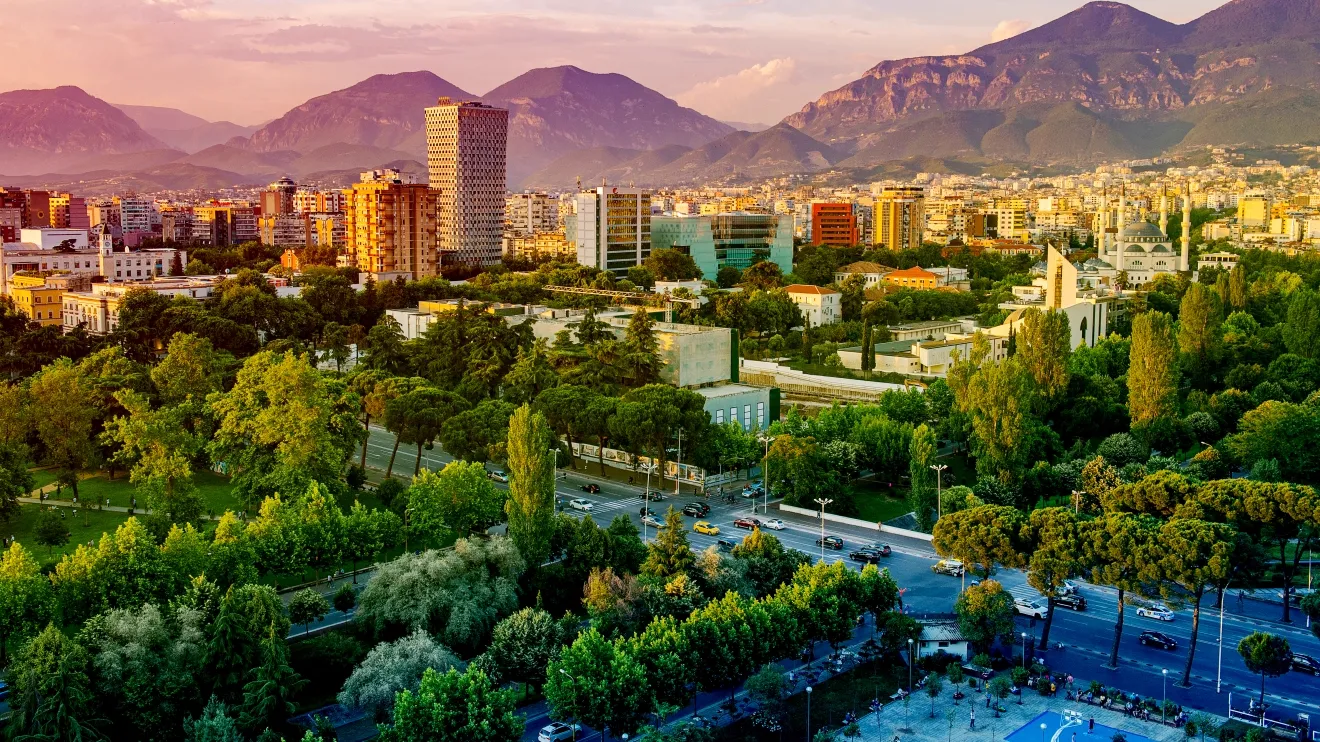
Originally built in 1988 as a museum to communist dictator Enver Hoxha, designed by his daughter and son-in-law. After the fall of communism it served as a NATO base, a nightclub, and an abandoned ruin. Recently reimagined as a technology and cultural centre with a climbable exterior — its slanted concrete walls are now one of Tirana's most iconic and Instagrammable landmarks.
Pazari i Ri (New Bazaar)
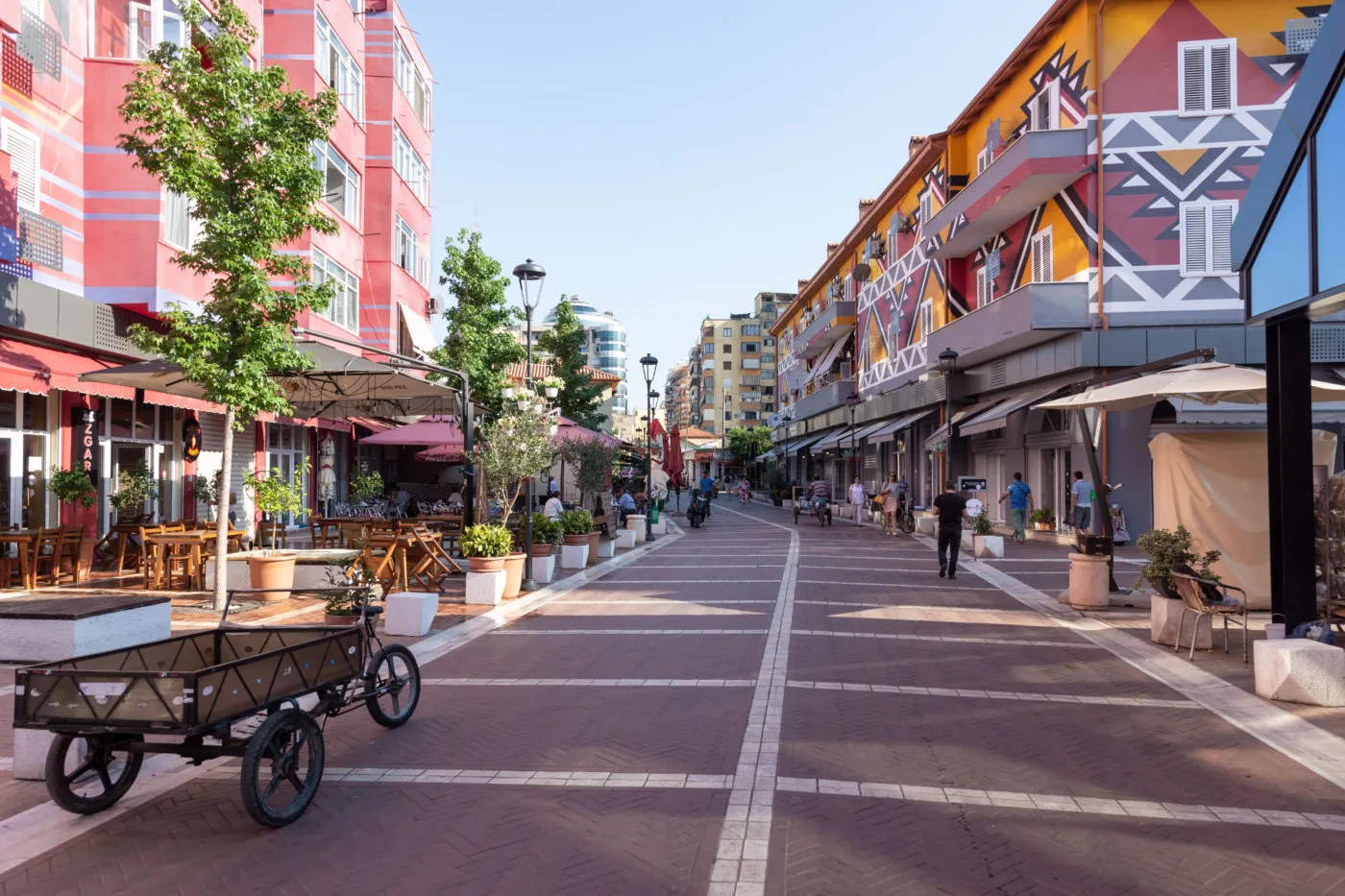
Tirana's vibrant market quarter, renovated in 2017 into a colourful pedestrian precinct. Fruit and vegetable stalls spill out under pastel-painted Ottoman-style arcades. The surrounding streets are packed with restaurants, craft cocktail bars, and boutique shops. It's the best place in Tirana to eat, drink, and people-watch — especially on warm evenings when the whole neighbourhood comes alive.
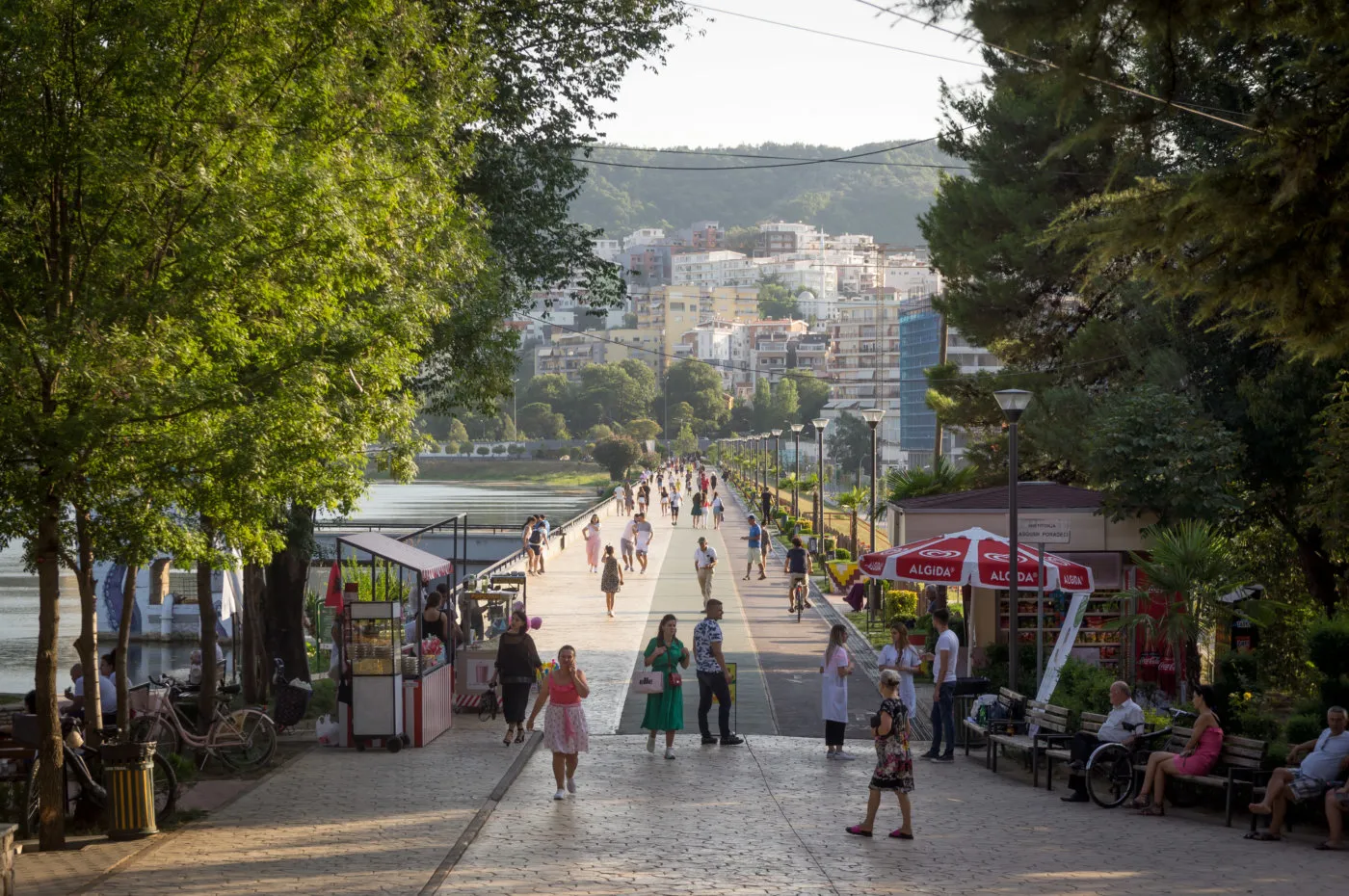
Grand Park & Artificial Lake
Tirana's green lung — a 230-hectare park surrounding an artificial lake on the city's southern edge. Joggers, cyclists, and families fill the shaded paths. The open-air amphitheatre hosts summer concerts, and the lakeside cafés are perfect for a lazy afternoon. The park also contains the Presidential Palace, the Botanical Garden, and the monumental church of St. Paul's.
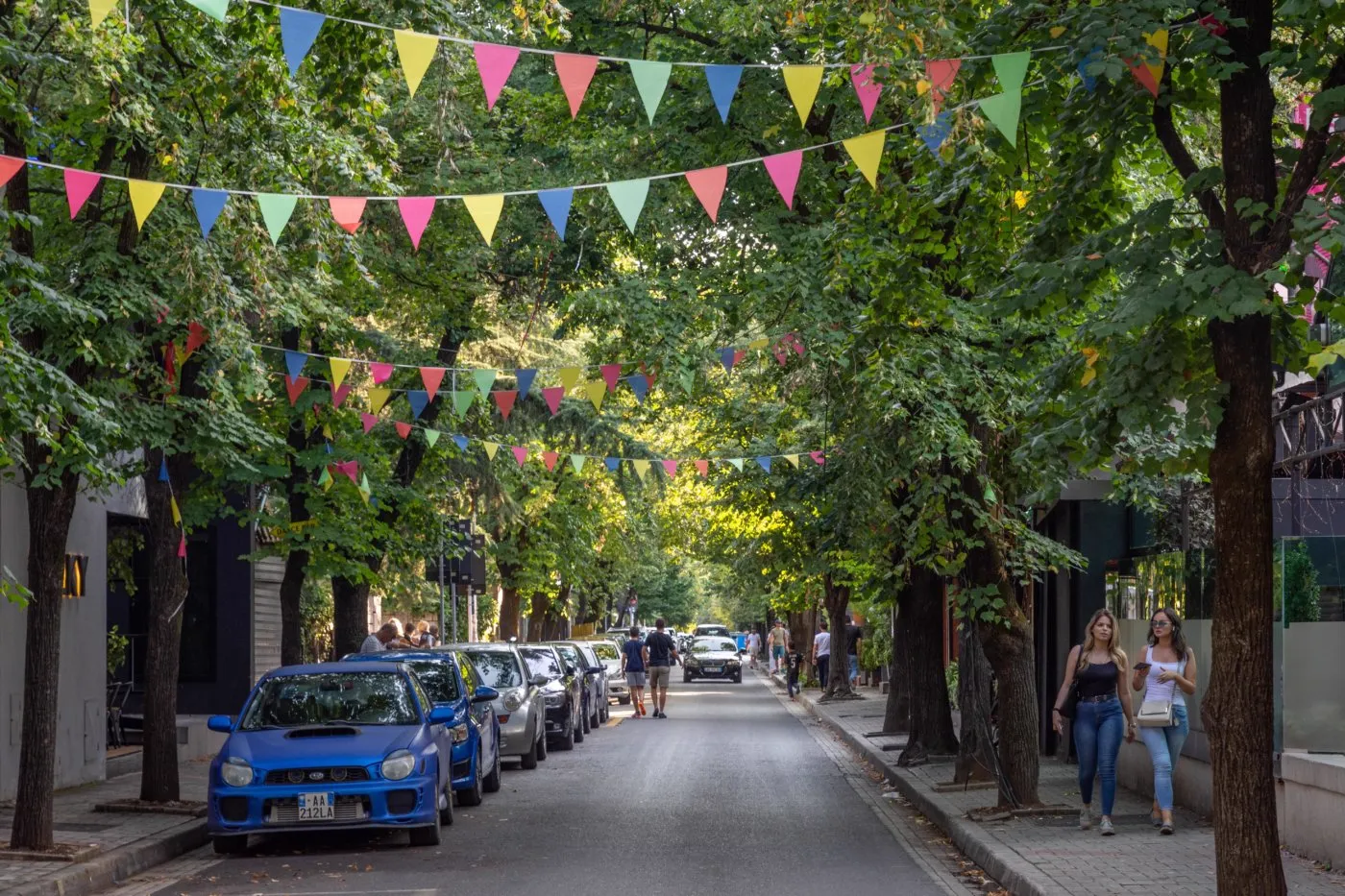
Neighbourhoods to Discover
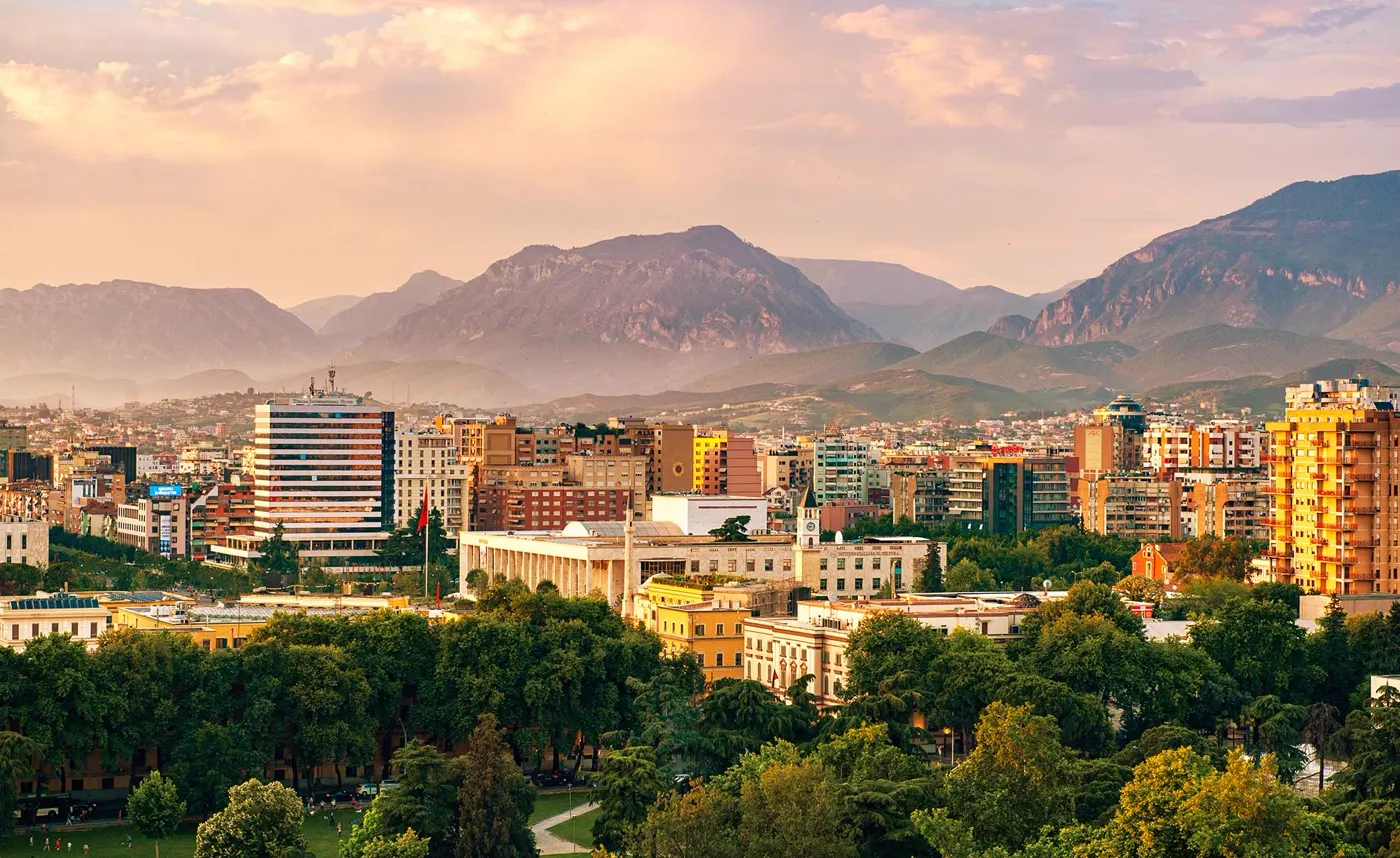
Tirana is a compact, walkable city where each neighbourhood has its own distinct personality. From the buzzing café scene of Blloku to the market stalls of the New Bazaar, every quarter tells a different chapter of the capital's story.
Blloku
Once the forbidden residential quarter of the communist elite — sealed off by checkpoints and guards — Blloku is now Tirana's liveliest neighbourhood. Lined with cafés, cocktail bars, international restaurants, and boutique shops, its tree-shaded streets are the social heart of the city. Enver Hoxha's former villa still stands on the main avenue, now surrounded by nightlife.
Pazari i Ri
The New Bazaar area is Tirana's food and market quarter. Colourful arcaded streets are filled with fresh produce stalls by day and buzzing restaurants by night. The best traditional Albanian food in the capital is found here — from tavë kosi to fërgesë — alongside wine bars and craft cocktail spots.
Ish-Blloku i Vjetër (Old Town)
The streets immediately around Skanderbeg Square preserve fragments of Ottoman and Italian-era Tirana. Cobblestoned lanes, the Tanners' Bridge (an Ottoman stone bridge), and a handful of traditional houses offer a glimpse of the capital before the concrete arrived.
Liqeni i Tiranës (Lake District)
The area surrounding the Artificial Lake and Grand Park is Tirana's upscale residential quarter. Embassies, modern apartment towers, joggers, cyclists, and families fill this green, leafy part of town. Great for a morning run or an afternoon escape from the city centre buzz.
Kombinat
A former communist industrial zone now undergoing a slow transformation. Street art, alternative cultural spaces, and authentic neighbourhood life give Kombinat an edge that Blloku has outgrown. It's where Tirana's creative scene is quietly moving.
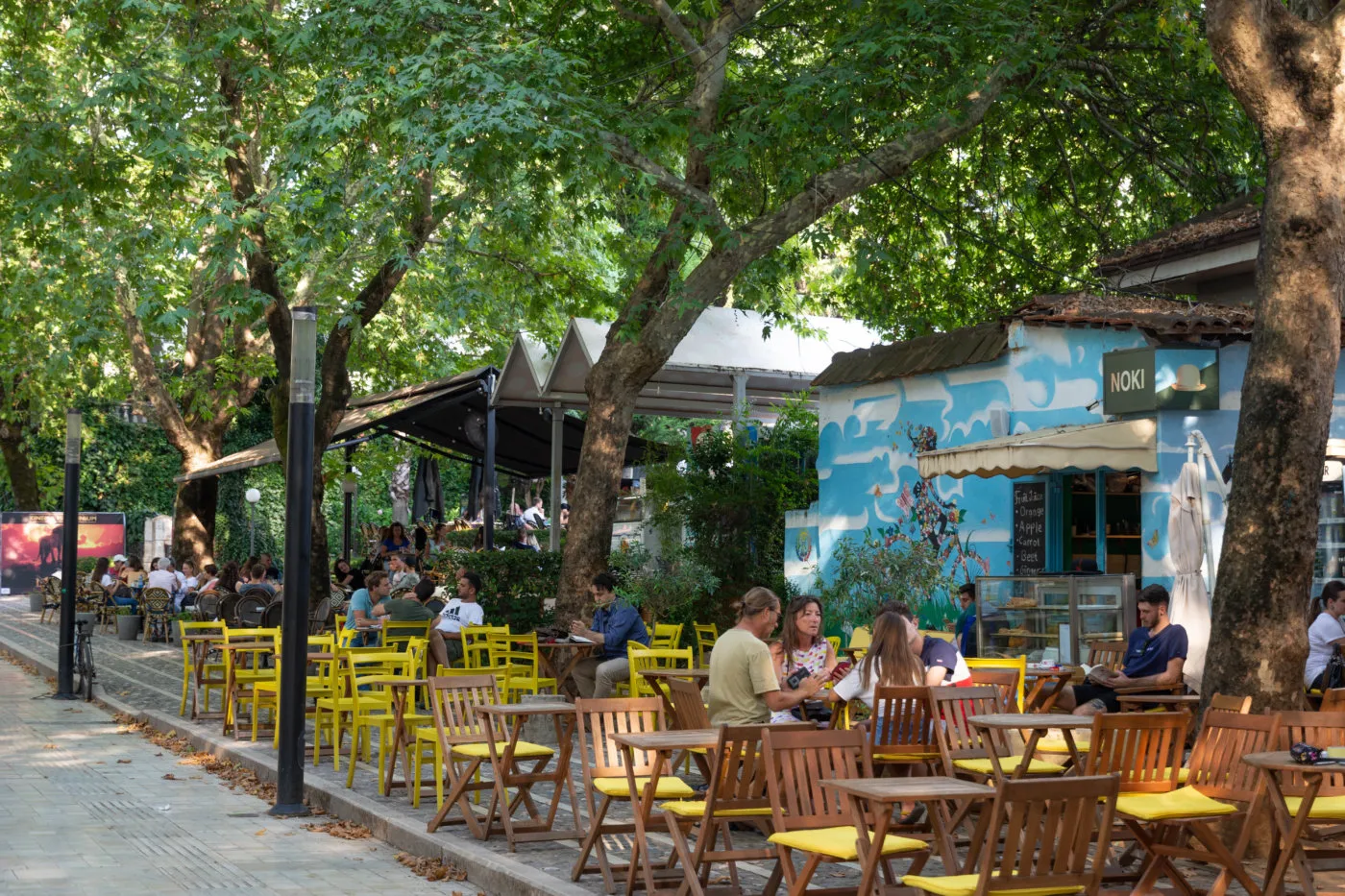
Food & Cuisine
Ottoman comfort food, Mediterranean freshness, and a café culture that rivals Rome — Tirana's dining scene is one of Europe's best-kept secrets.
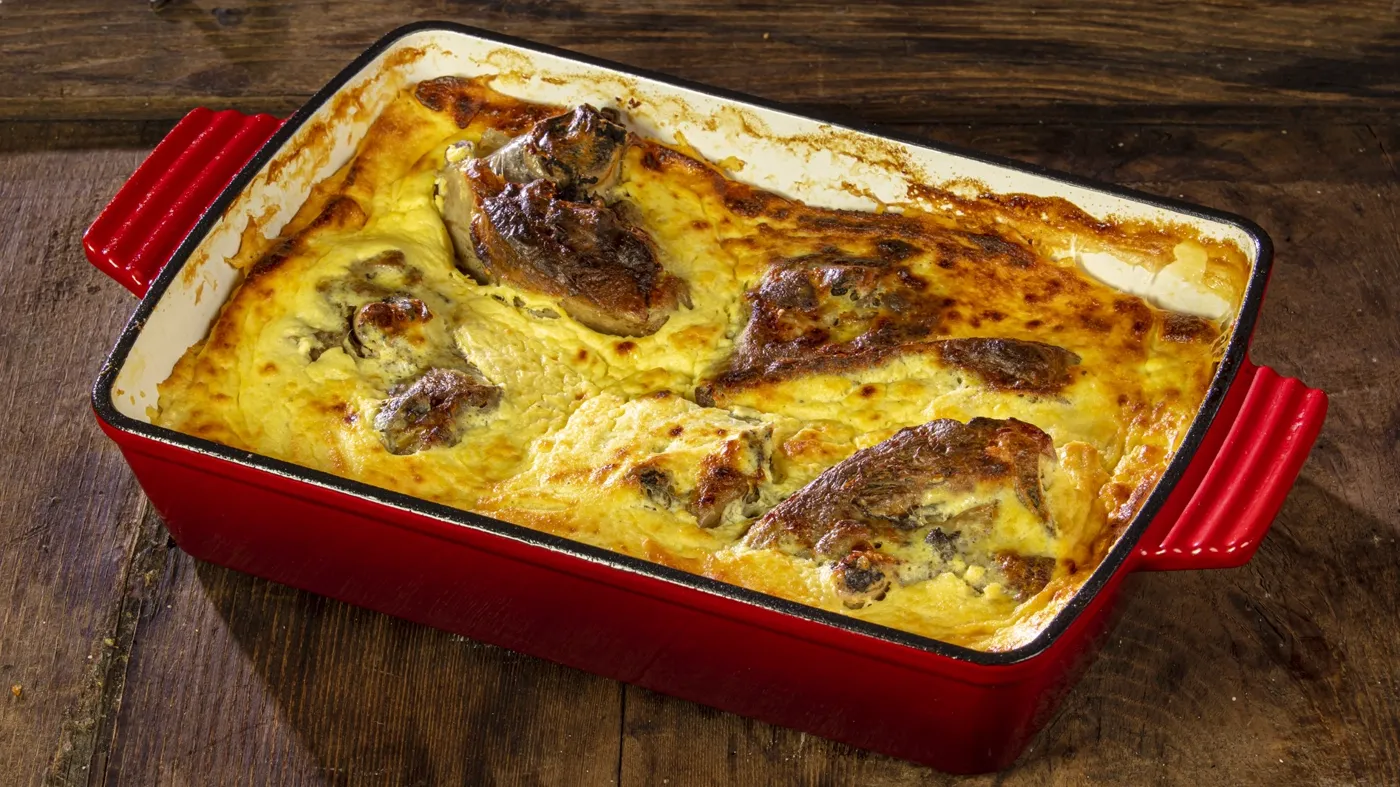
Tavë Kosi
Albania's national dish — tender lamb baked in a silky yoghurt and egg custard with garlic, oregano, and a hint of paprika. Served bubbling in a clay dish with crusty bread. Tirana's Pazari i Ri restaurants compete fiercely over who makes the best version.
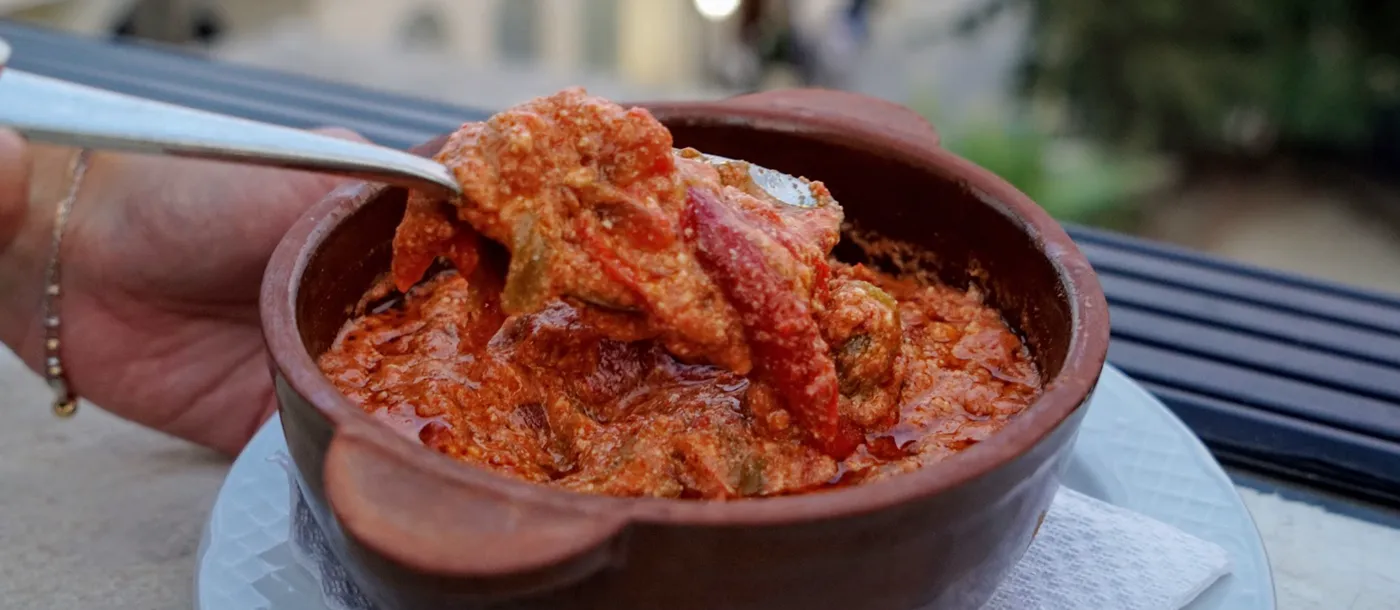
Fërgesë Tirane
Tirana's signature comfort dish — roasted peppers, tomatoes, and cottage cheese baked until golden and bubbling. The city's version is richer and cheesier than the southern style. Scooped up with warm bread, it's Albanian soul food at its finest.
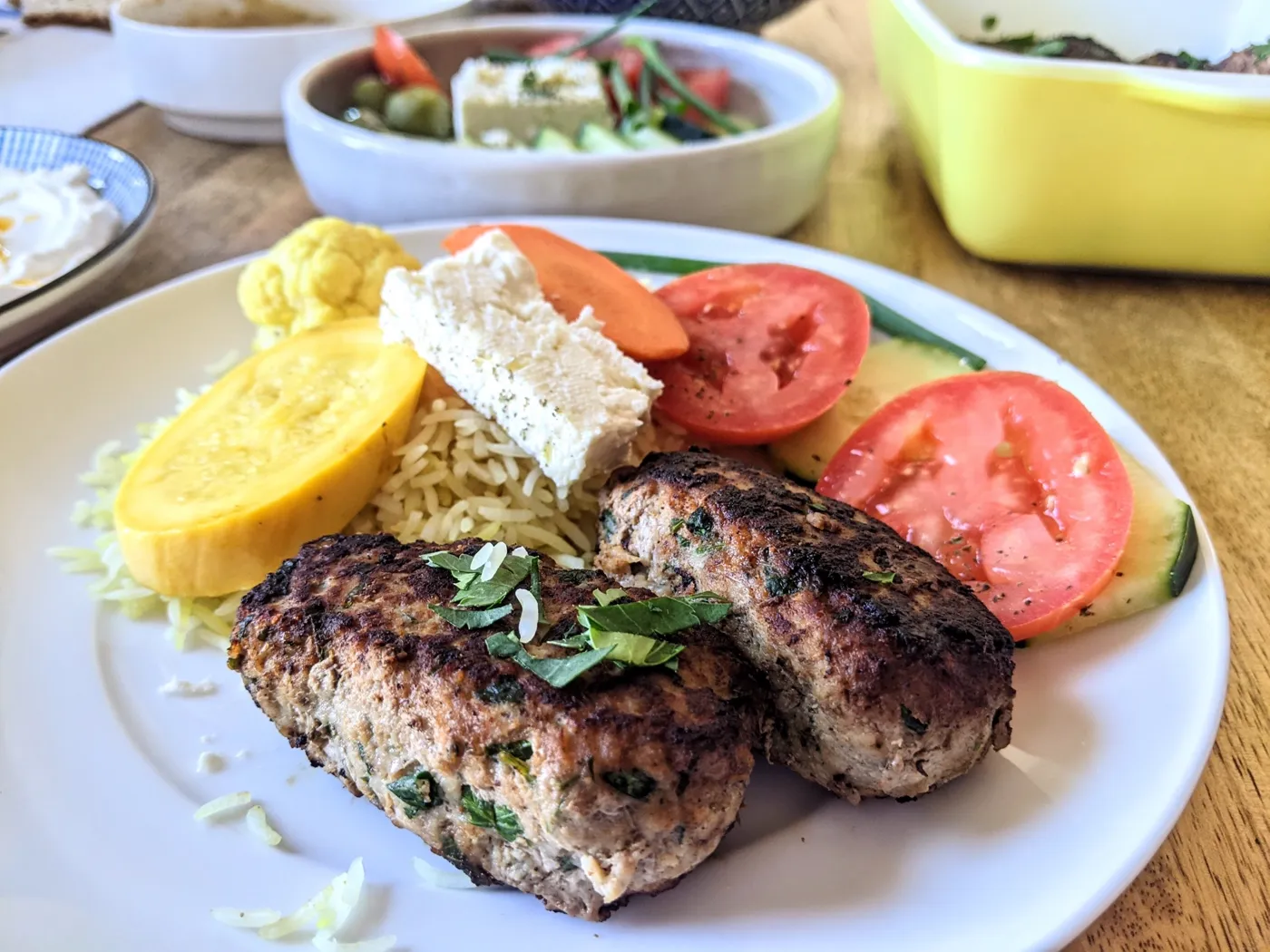
Qofte & Grilled Meats
Handmade spiced meatballs (qofte) grilled over charcoal are a Tirana institution. Served with raw onion, fresh bread, and a cold Korçë beer. The best qofte joints have been open for decades and haven't changed a thing — because they don't need to.
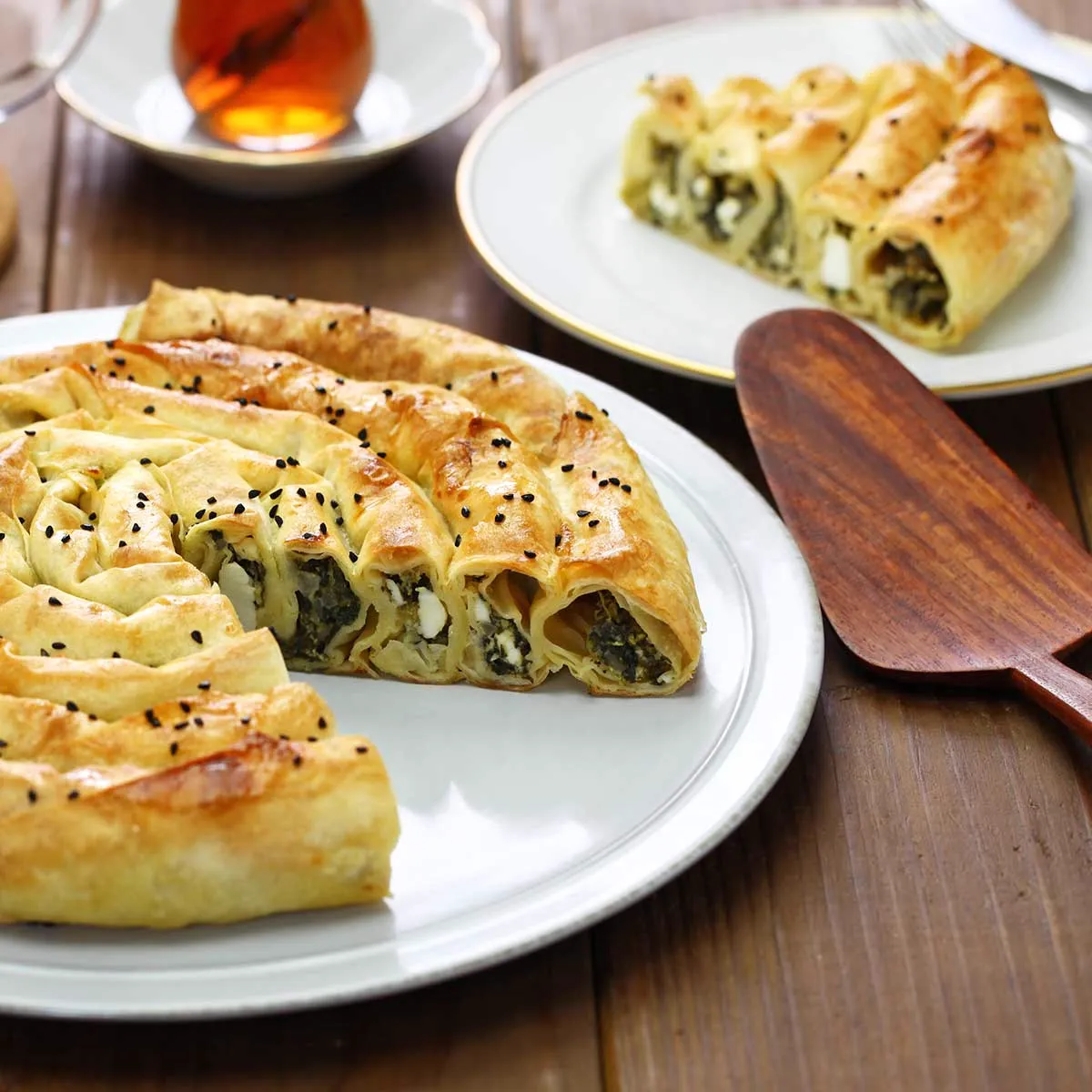
Byrek
Flaky spirals of hand-stretched filo pastry filled with spinach, feta, meat, or pumpkin. Tirana's bakeries (byrektore) serve them fresh from wood-fired ovens starting at dawn. The breakfast of choice for half the capital — paired with drinking yoghurt (dhallë) or a macchiato.
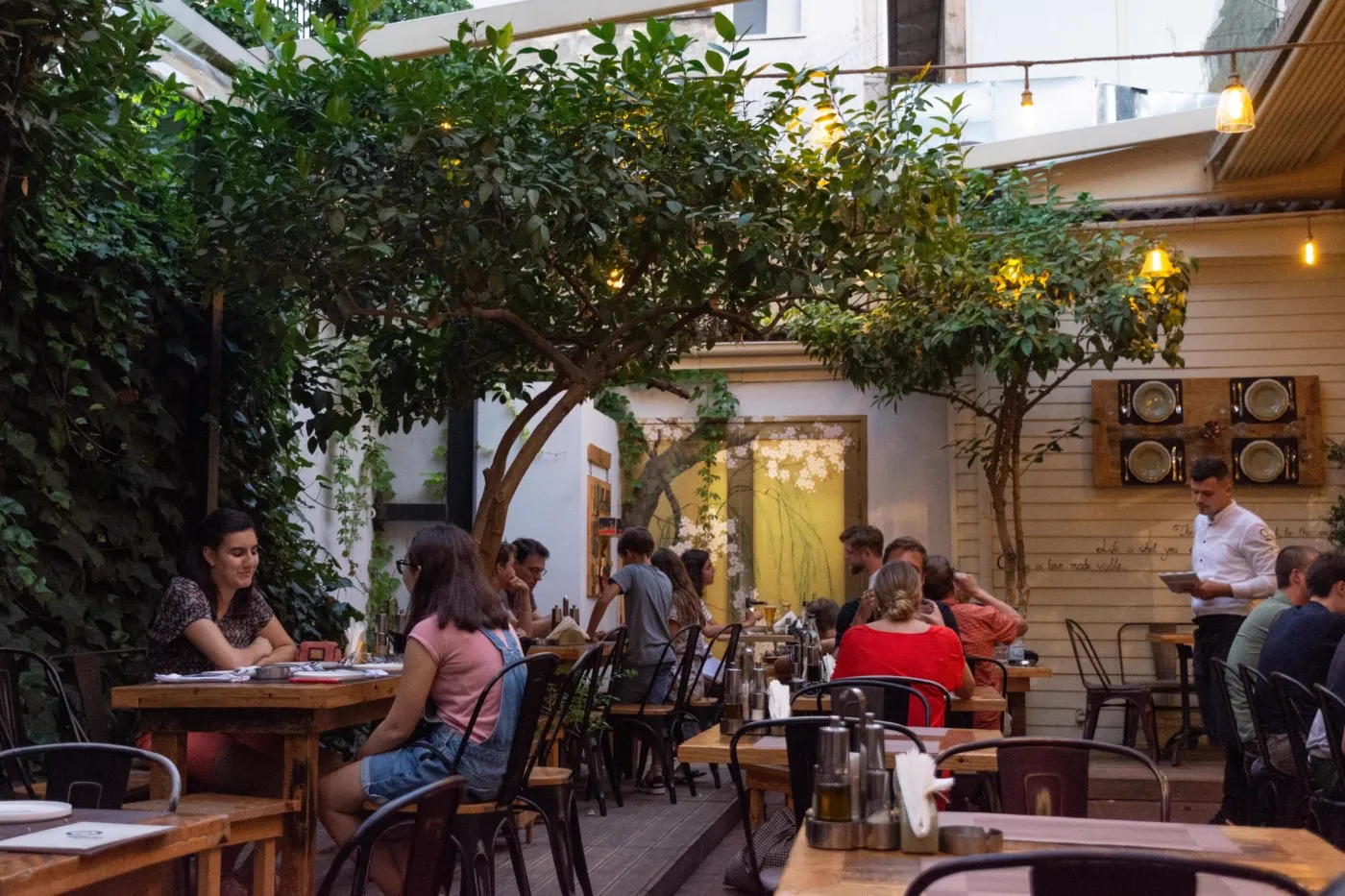
Pazari i Ri Street Food
The New Bazaar is a food lover's paradise. Stuffed peppers with curd (speca me gjizë), grilled vegetables drizzled with olive oil, fresh cheese, ripe figs, and honey — all sourced from the market stalls steps away. In summer, the restaurant terraces spill across the pedestrian streets.
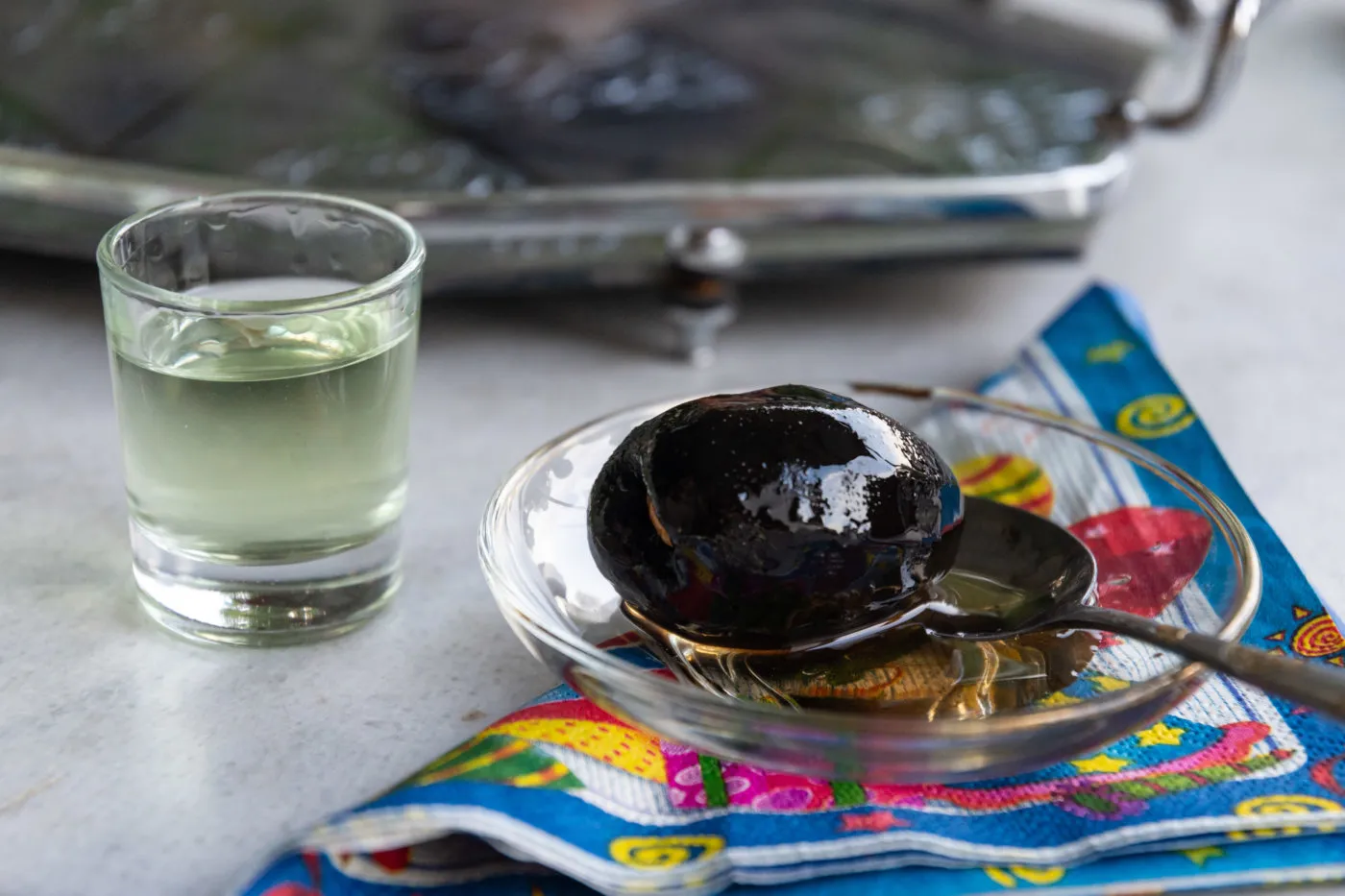
Raki & Albanian Wine
Every meal ends with raki — the clear grape spirit that's Albania's national drink. Refusing a glass is considered impolite. Tirana's wine bars have also put Albanian wines on the map — indigenous varieties like Kallmet and Shesh i Bardhë from the vineyards of Berat and Elbasan are genuinely excellent.
Best Time to Visit Tirana
Tirana is a year-round city, but spring and early autumn are the sweet spot — warm enough for outdoor cafés, cool enough for comfortable walking tours and day trips.
Summer
June – August30–37°CHot and lively. Tirana buzzes with open-air bars, rooftop restaurants, and summer festivals. Many locals leave for the coast, so the city is less crowded but very warm.
Spring
April – May16–25°CThe best time to visit. Comfortable temperatures, flowers everywhere, and the city at its most energetic. Perfect for walking tours and day trips to Dajti Mountain.
Autumn
September – October18–28°CWarm days, golden light, and fewer tourists. September still feels like summer. October brings harvest festivals and wine season in the surrounding countryside.
Winter
November – March3–12°CTirana at its most local — cosy cafés, off-season prices, and the occasional dusting of snow on Dajti Mountain visible from the city centre. December brings festive markets.
How to Reach Tirana
Tirana International Airport Nënë Tereza (TIA) is just 25 minutes from the city centre by car. We offer private airport transfers from €20 — your driver will meet you at arrivals.
From Durrës, Tirana is just 35–40 minutes by car via the modern highway. Regular public minibuses (furgons) run throughout the day for under €3.
Tirana is an excellent base for day trips to Krujë (40 min), Berat (2h), Durrës (35 min), and Dajti Mountain (15 min by cable car from the city edge). The Dajti Ekspres — the longest cable car in the Balkans at 4.2 km — whisks you from the city to 1,000 metres elevation in just 15 minutes.
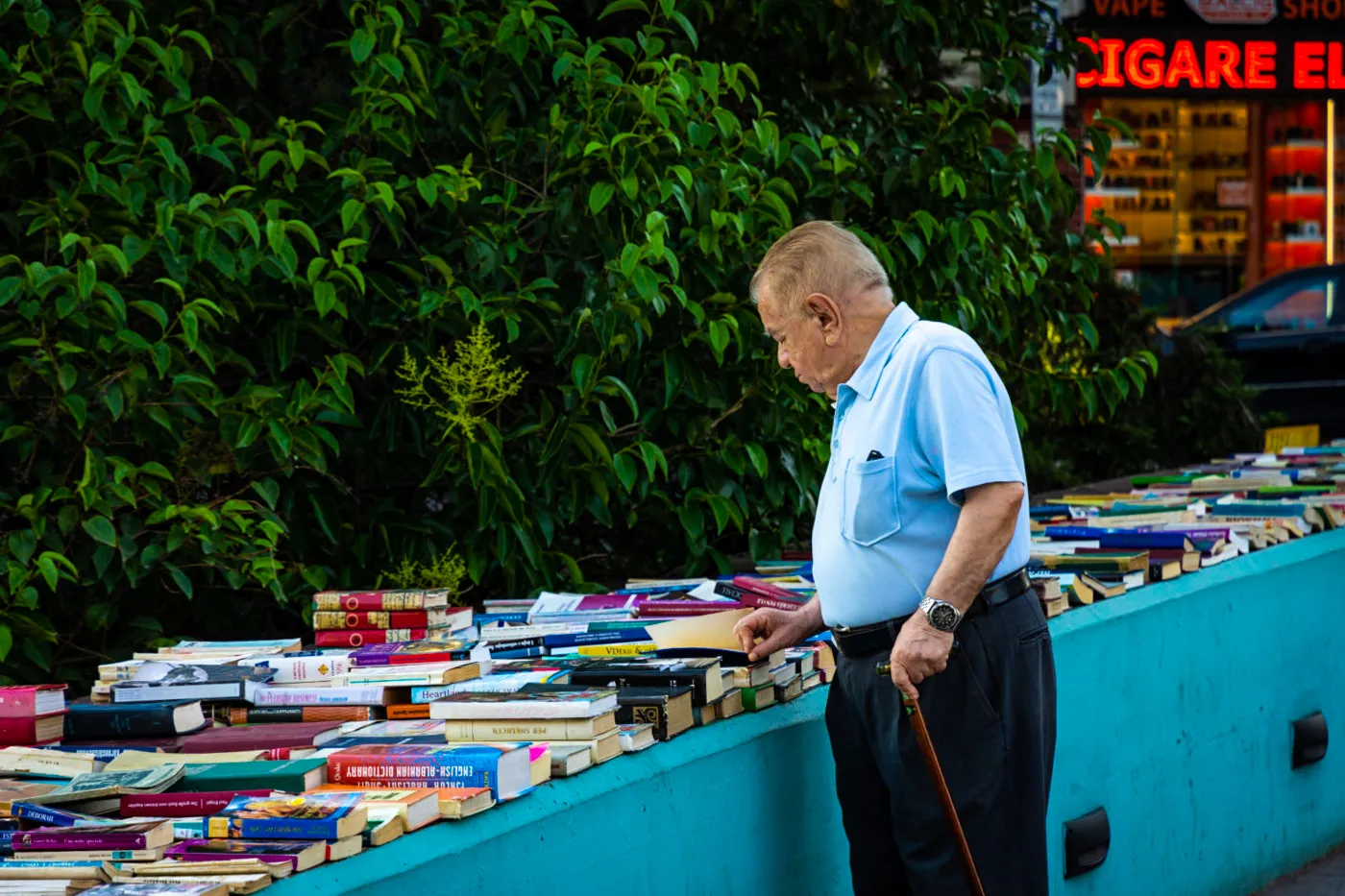
Tours in Tirana
Walk through communist history, taste the New Bazaar's best food, or take a cable car up Dajti Mountain — all with born-and-raised local guides.
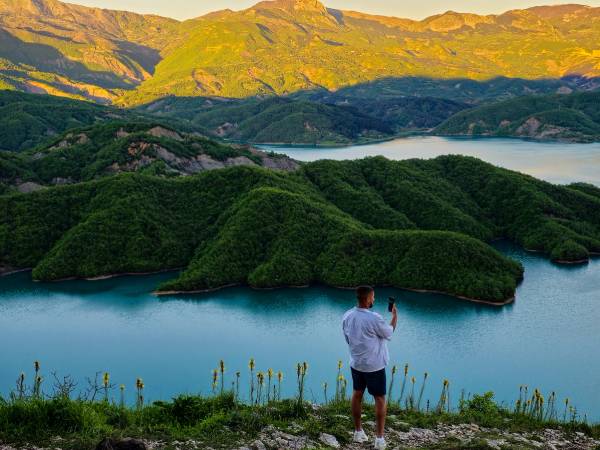 Adventure Tours
Private Bovilla Lake & Gamti Peak Sunset Adventure from Durrës & Golem
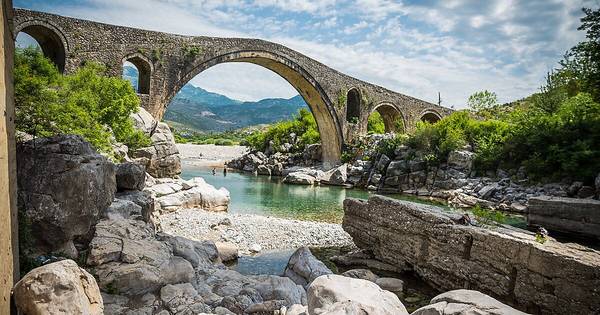 City Tours
Shkodër & Mesi Bridge Day Trip from Durrës / Golem
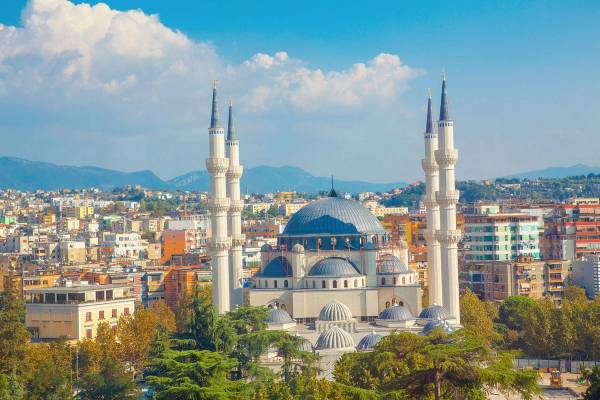 City Tours
Tirana Communist Past & City Highlights Day Tour
 Food & Wine
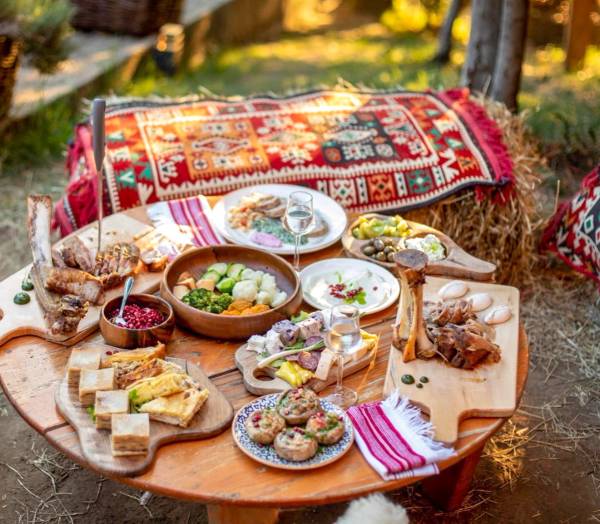
Tirana Food & Culture Tour from Durrës with Traditional Tastings
 Cultural Tours
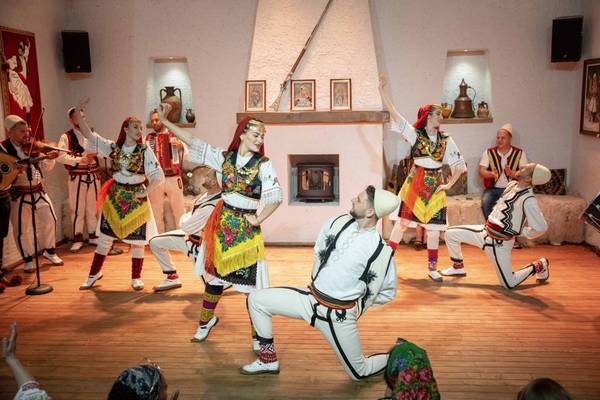
Tirana Night Cultural Dance & Music Albanian Experience
 Adventure Tours
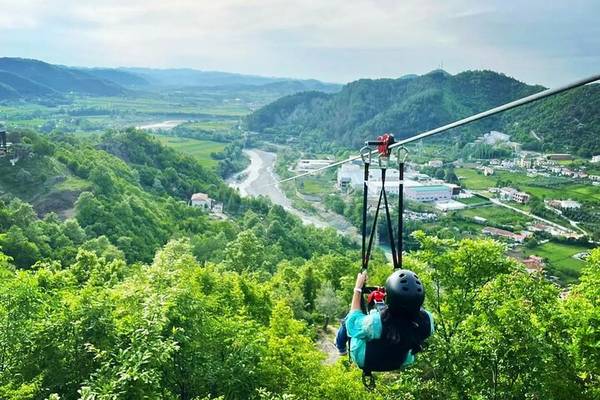
Zipline Albania & Petrelë Castle Views from Durrës / Golem
Ready to Explore Tirana?
Whether you want a guided walking tour through communist history, a food crawl through the New Bazaar, or a day trip to Dajti Mountain — we'll make it happen.