Berat
The City of a Thousand Windows — where 2,400 years of history climb the hillsides above the Osum River
A Living Museum of Ottoman Architecture
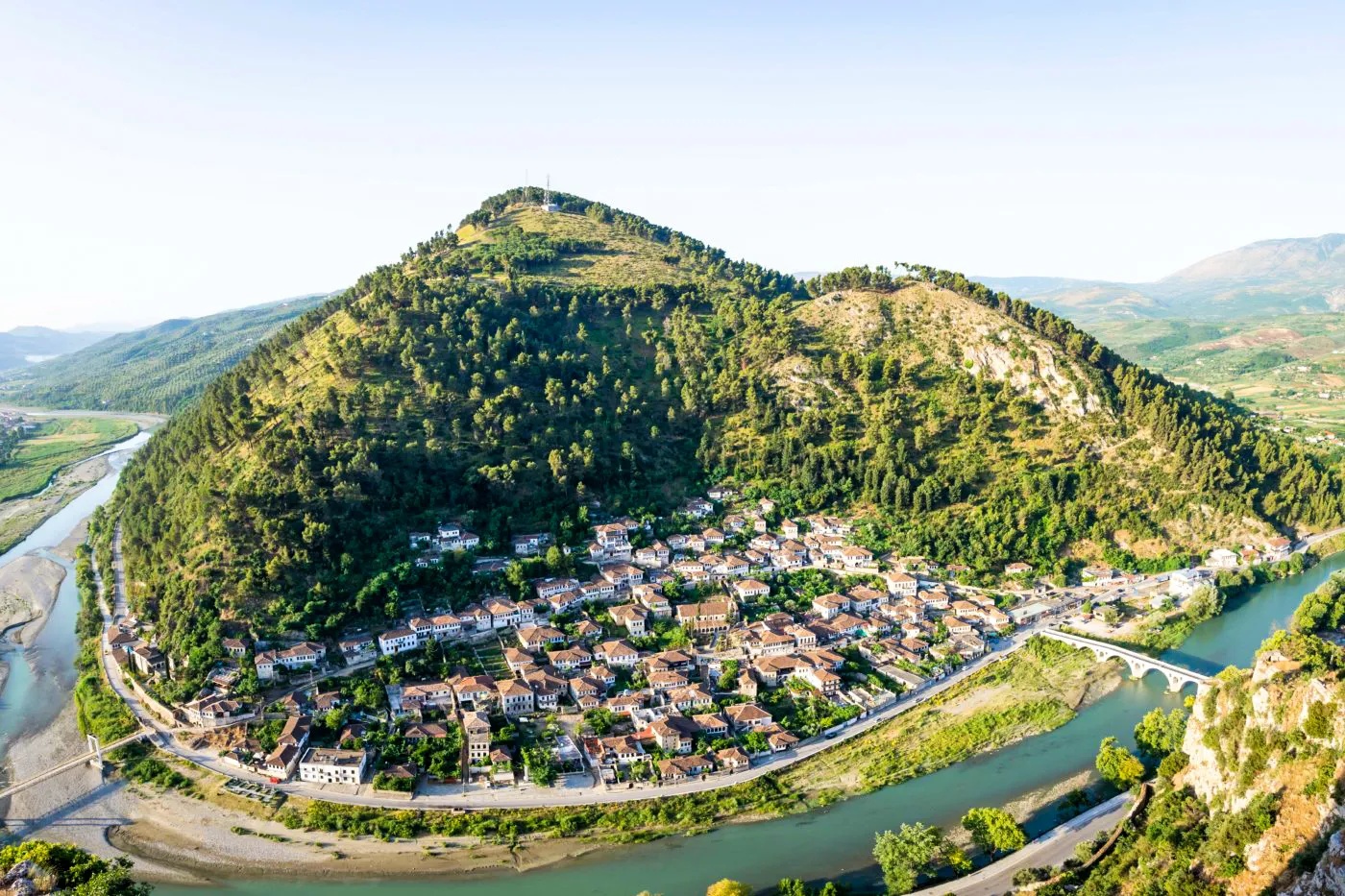
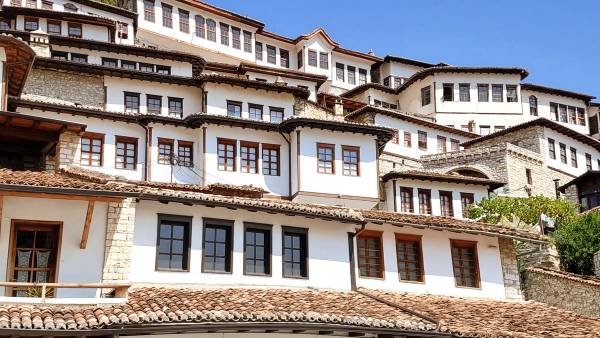
Berat is one of the oldest and most beautiful cities in Albania — a place where 2,400 years of history are written in stone, from the massive Illyrian-era castle crowning the hilltop to the Ottoman houses that cascade down the slopes like rows of open eyes gazing across the Osum River.
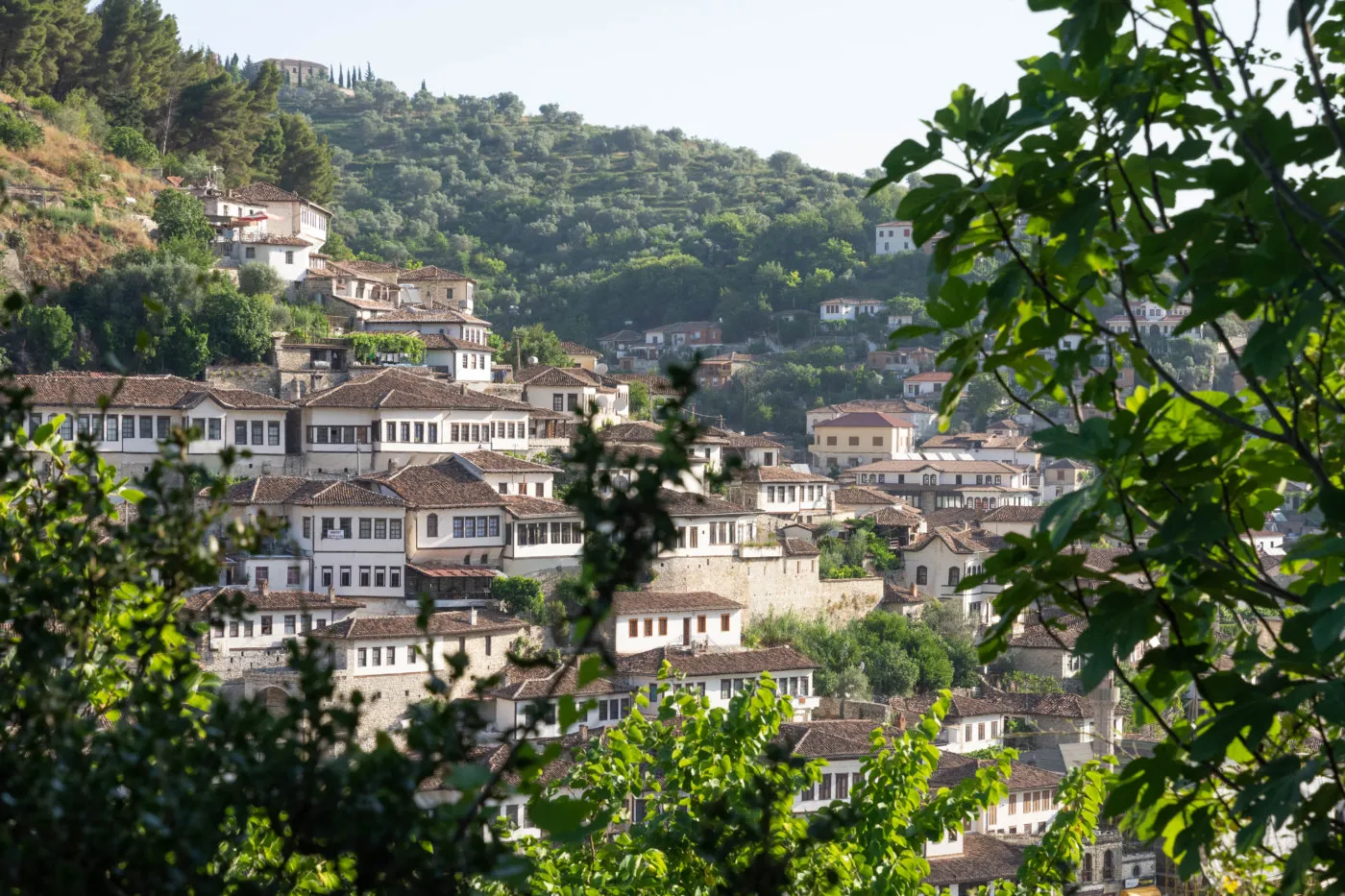
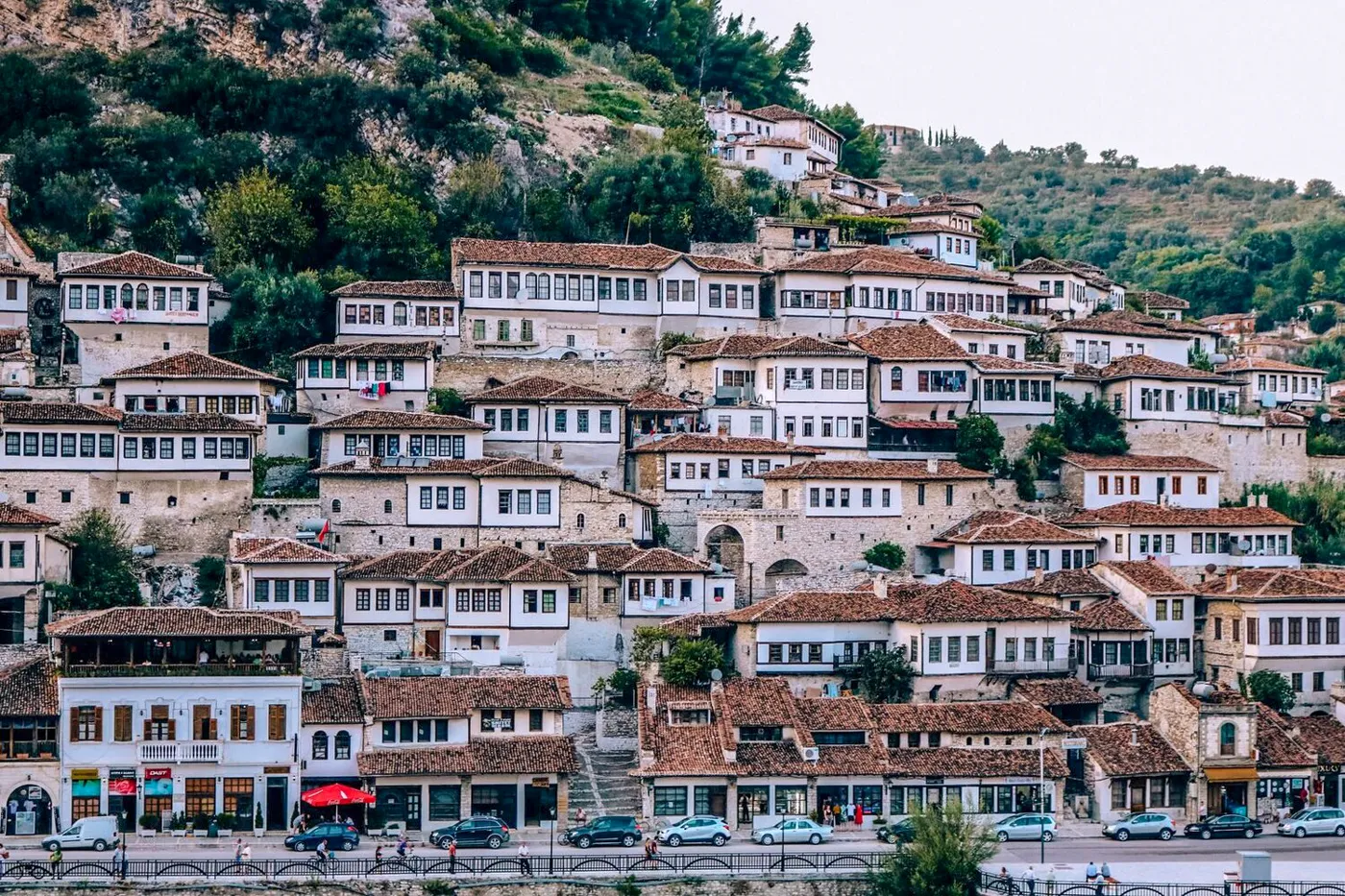
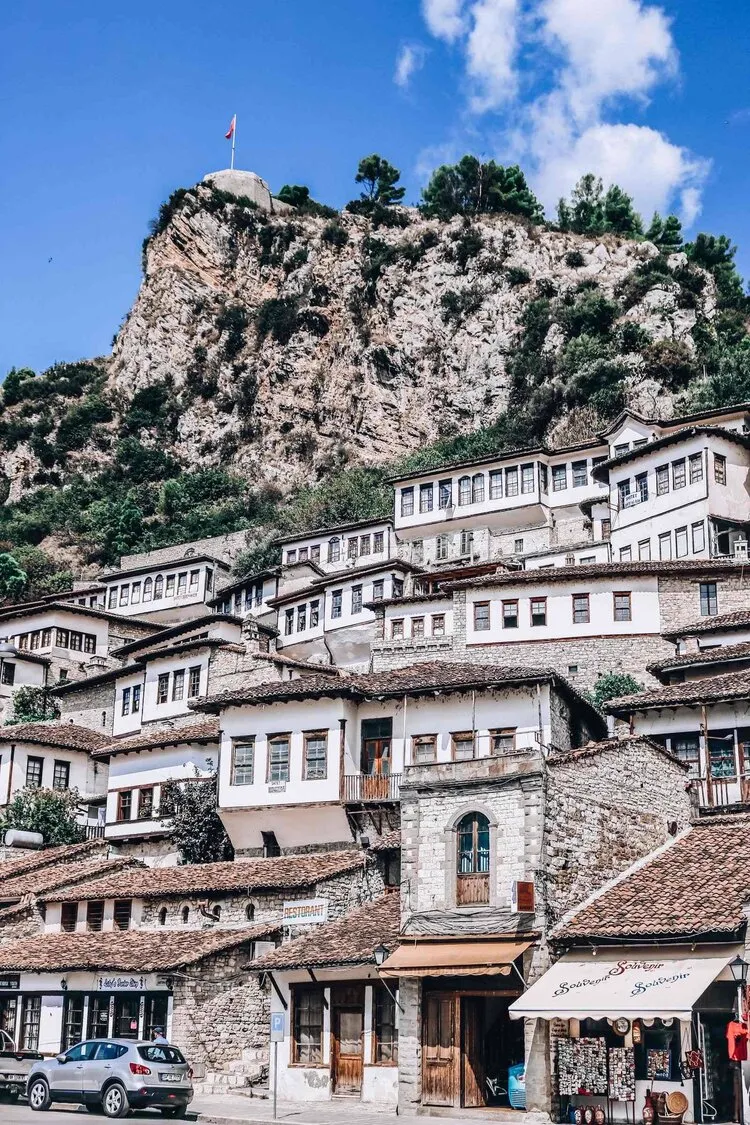
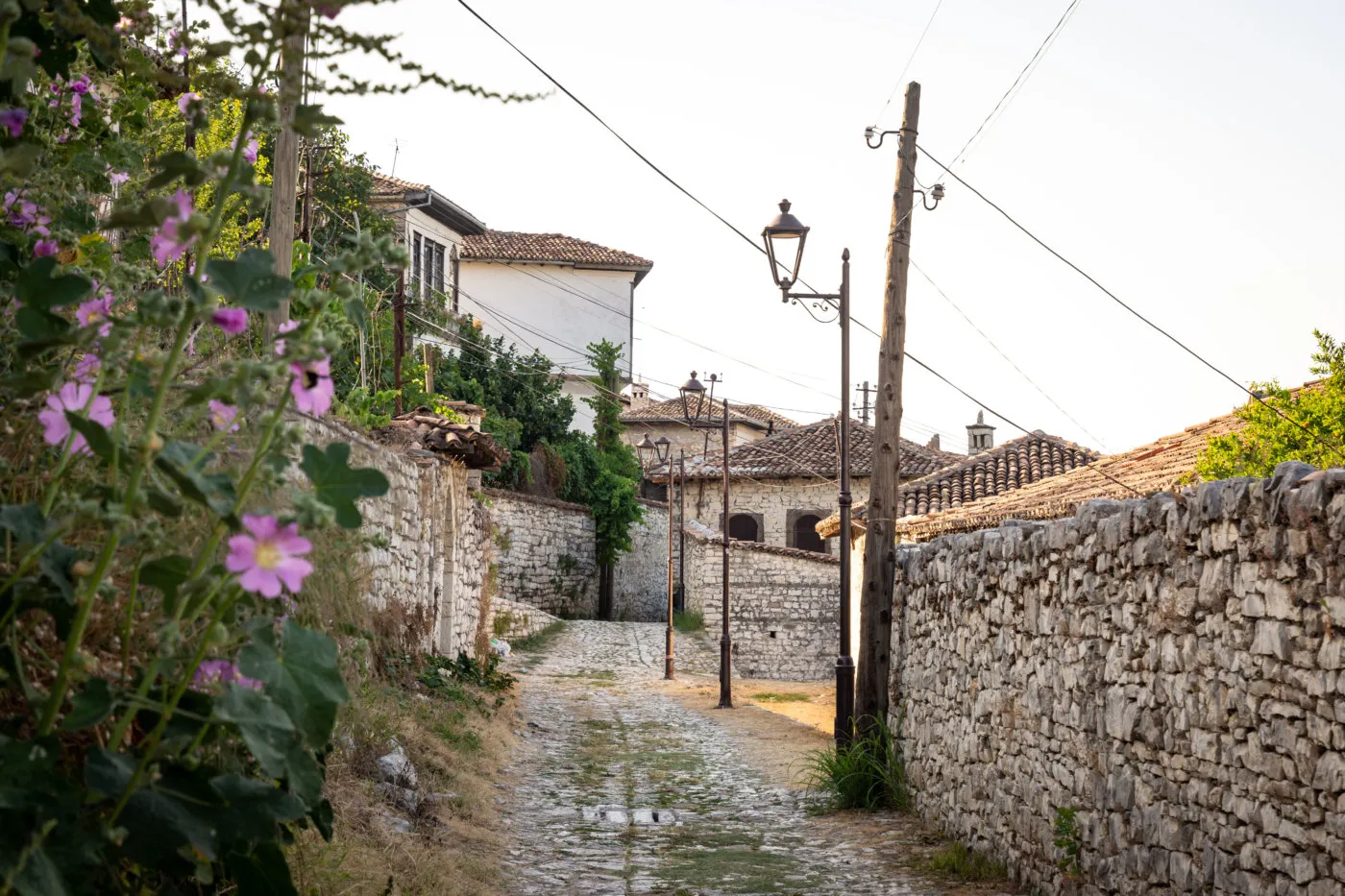
Inscribed as a UNESCO World Heritage Site in 2008, Berat is celebrated as a "rare example of an architectural character typical of the Ottoman period." Its two historic quarters — Mangalem and Gorica — face each other across the river, their white stone houses stacked tier upon tier, each one featuring the large, distinctive windows that earned Berat its famous nickname: the City of a Thousand Windows.
Just 1 hour and 45 minutes from Durrës and 2 hours from Tirana, Berat makes an excellent day trip — though spending a night in the old town, watching the sunset paint the castle walls gold, is an experience not to be missed.
From Illyrian Fortress to UNESCO Gem
Berat's story spans from ancient Illyrian warriors to Ottoman artisans, communist preservation to modern-day renaissance — each era leaving its indelible mark on this extraordinary hilltop city.
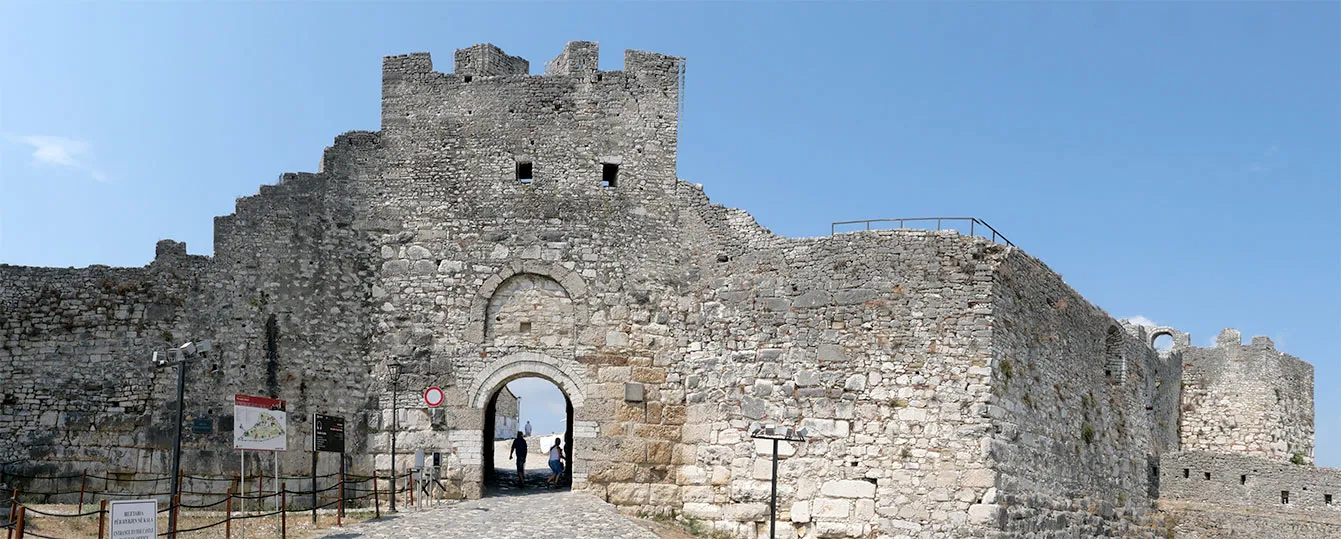 4th Century BC
Illyrian Fortress
Founded as an Illyrian settlement, the hilltop castle was one of the most important fortifications in the region. The strategic position overlooking the Osum River valley made it a prized stronghold, and the foundations laid during this period would support continuous habitation for the next 2,400 years — making Berat one of the oldest continuously inhabited cities in the world.
 3rd–2nd Century BC
Roman & Byzantine
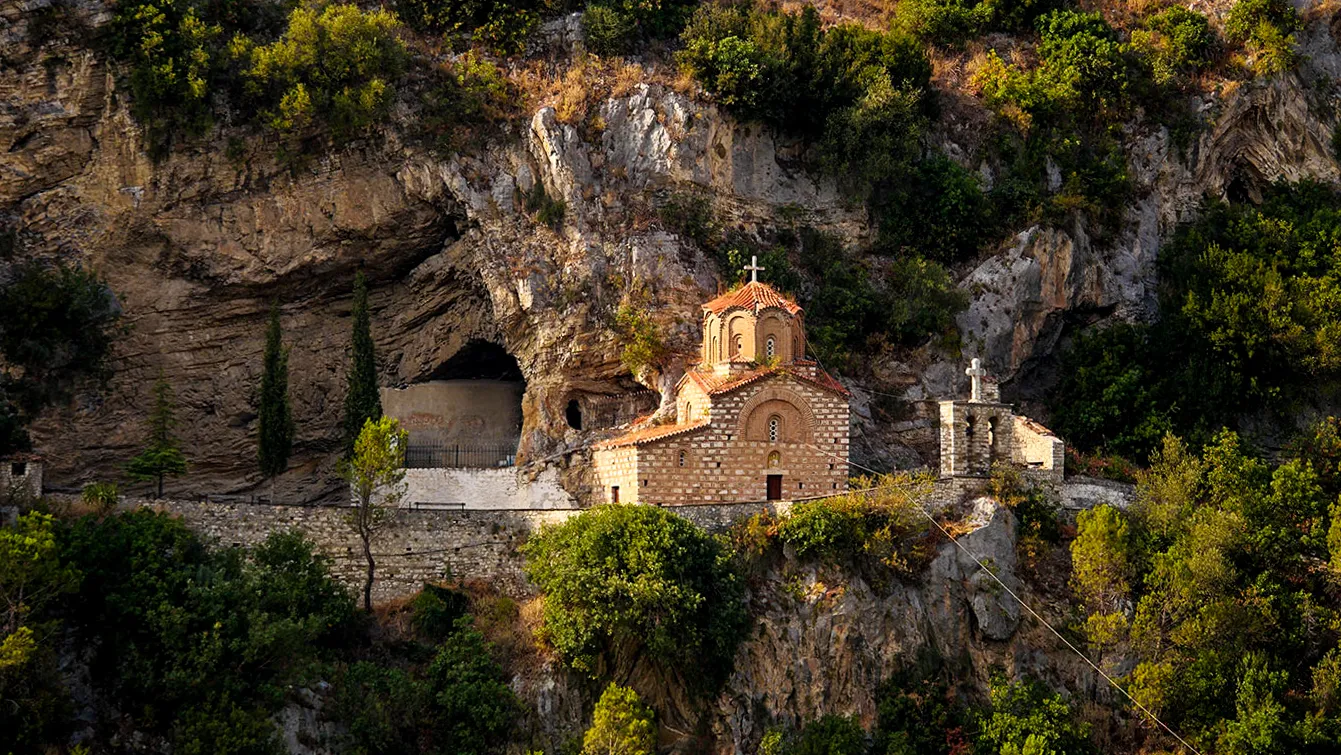
Under Roman then Byzantine control, the city became an important military outpost and episcopal centre. The Byzantines fortified the castle walls and built several churches within the citadel, establishing Berat as a centre of Christian worship in the region. Many of the castle quarter's churches date from this long period of Byzantine influence.
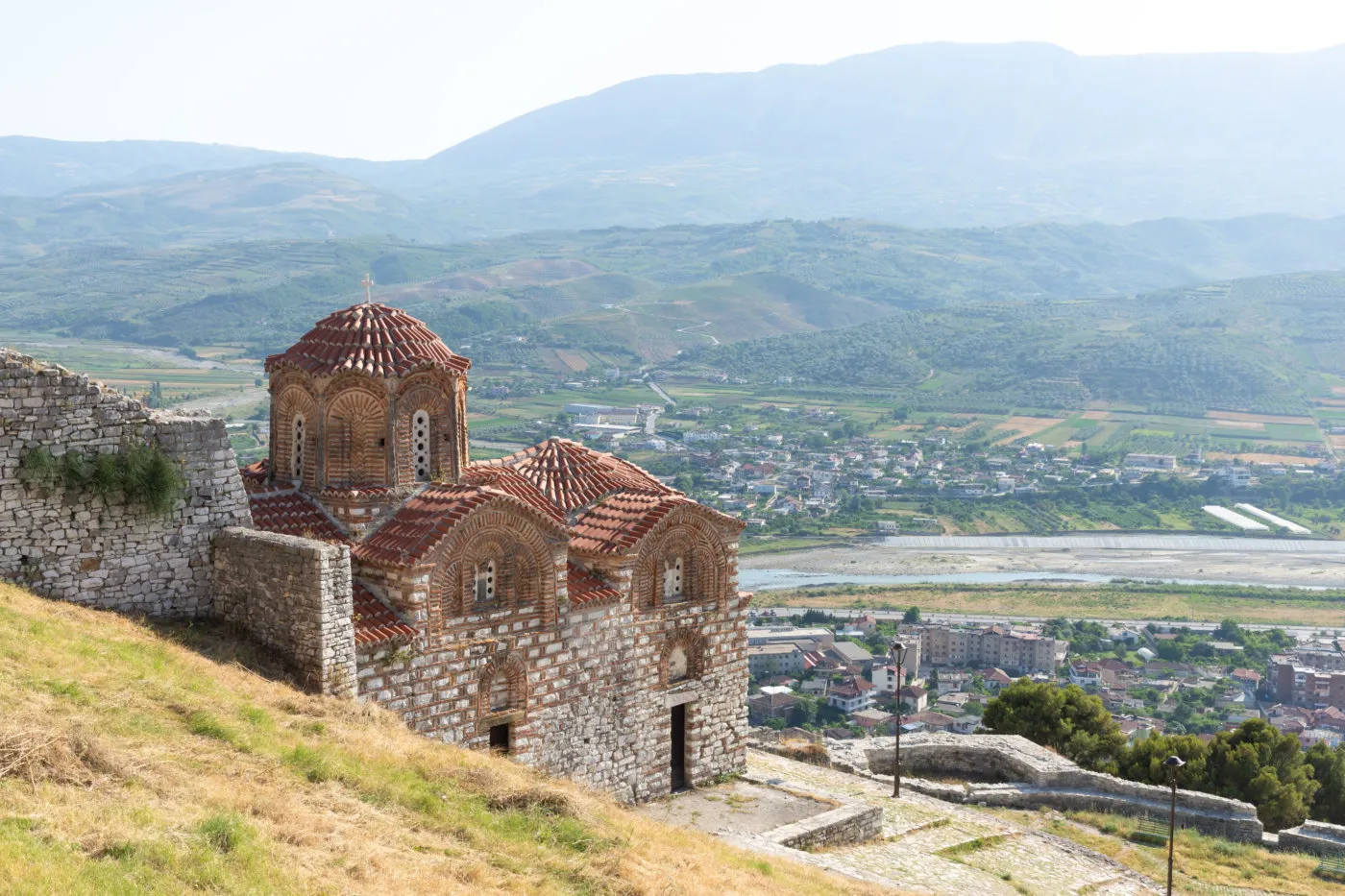 13th Century
Medieval Principality
Under the Despotate of Epirus, Berat became a cultural centre. The Onufri school of icon painting flourished in the castle quarter, producing masterpieces of Byzantine art that can still be seen today. Churches were adorned with remarkable frescoes, and the city gained a reputation as a centre of learning and religious art that would endure for centuries.
1417–1912Ottoman Era
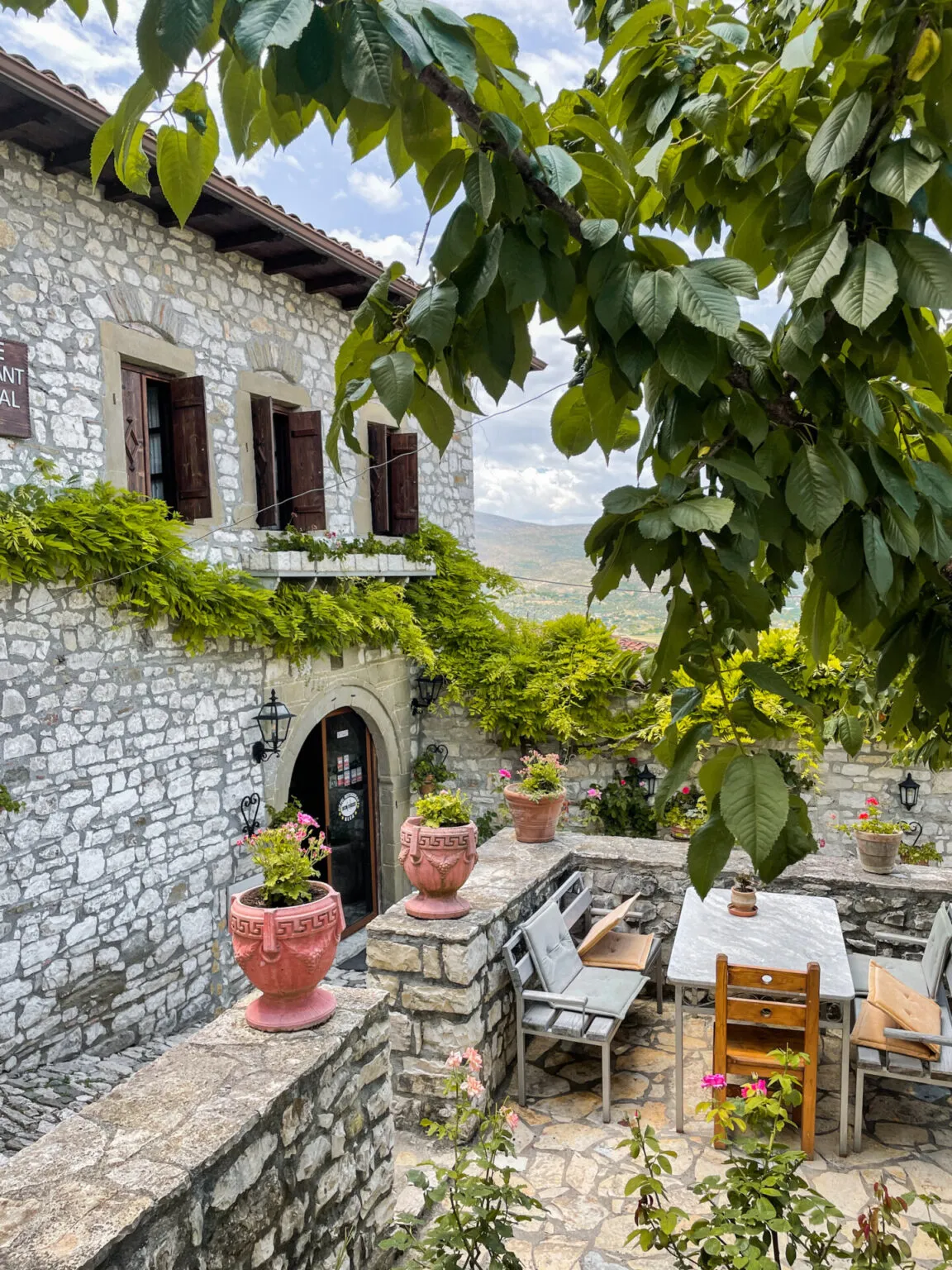
Four centuries of Ottoman rule shaped Berat's distinctive architecture. The Mangalem and Gorica quarters developed their characteristic rows of windowed houses climbing the hillsides — earning the name "City of a Thousand Windows." Mosques, hammams, and bazaars were built alongside the existing churches, creating the remarkable coexistence of faiths that defines Berat to this day.
 1961
1961Museum City
Declared a "museum city" by the communist government, which paradoxically helped preserve its Ottoman architecture when other Albanian cities were being modernised. While Tirana and other cities saw their historic quarters demolished in favour of concrete apartment blocks, Berat's Mangalem and Gorica quarters were protected — freezing the city in its Ottoman-era beauty.
2008–PresentUNESCO World Heritage
Inscribed as a UNESCO World Heritage Site as a "rare example of an architectural character typical of the Ottoman period." Tourism has brought new life to the old quarters, with traditional houses converted into boutique guesthouses and restaurants. Berat is now one of Albania's most visited destinations, drawing travellers from around the world to witness its extraordinary layered history.
Landmarks & Attractions
From the ancient castle and Byzantine churches to Ottoman mosques and the iconic windowed houses — Berat is an open-air museum of Albania's layered history.
Berat Castle (Kalaja)
One of the largest inhabited castles in the Balkans, continuously inhabited for 2,400 years. Inside the walls you'll find churches, mosques, and families still living in Ottoman-era houses. The views over the Osum River valley are extraordinary.
Onufri Museum
Housed inside the Church of the Dormition of St Mary within the castle walls. Contains masterpieces by Onufri, the 16th-century Albanian icon painter famous for his unique use of red pigment that has never been reproduced.
Mangalem Quarter
The iconic hillside neighbourhood whose rows of large Ottoman windows climbing the slope gave Berat its famous nickname. Traditional stone houses with their distinctive white facades stacked one above the other.
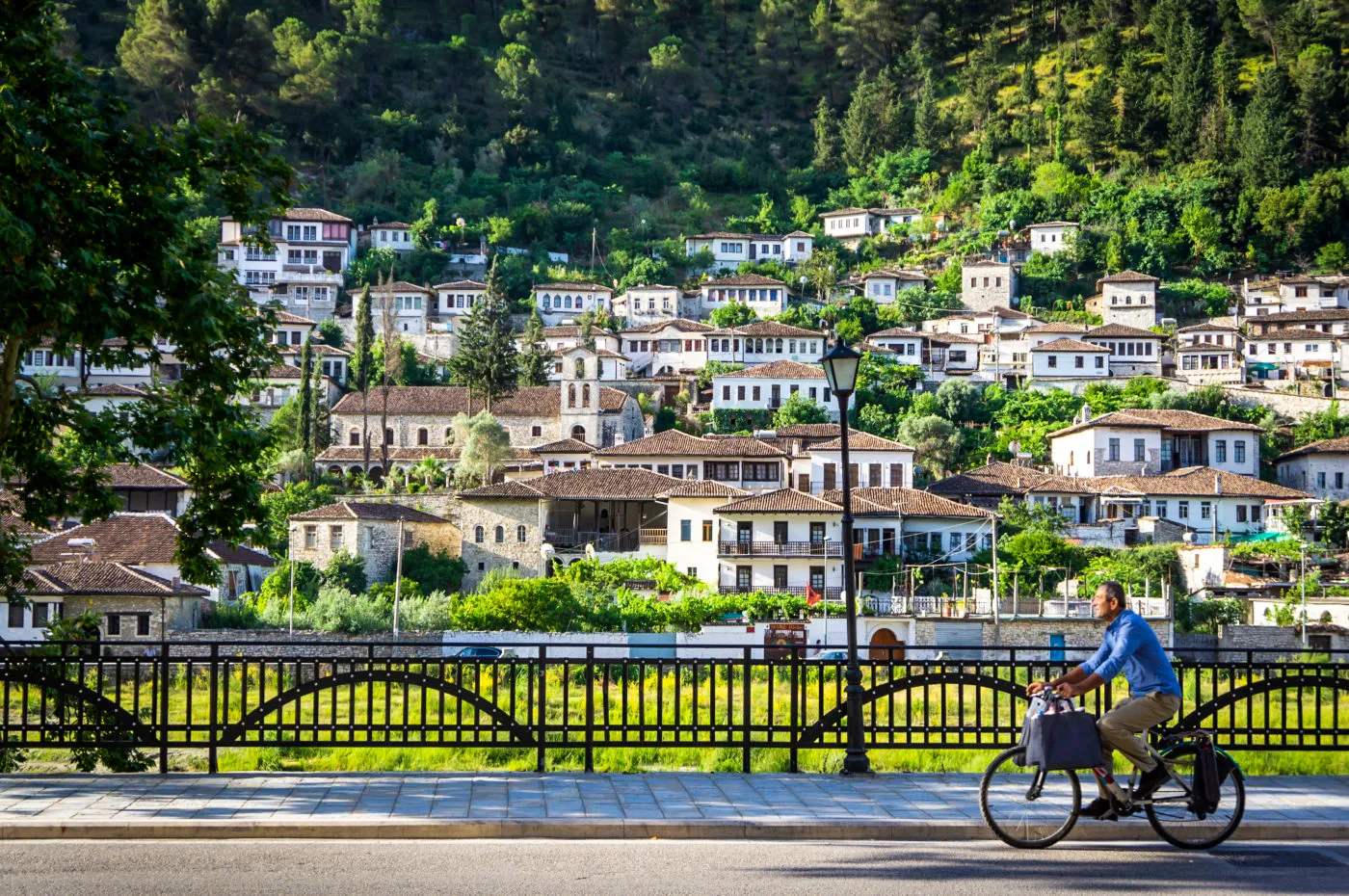
Gorica Quarter
Across the Osum River from Mangalem, connected by an Ottoman stone bridge. Gorica's houses mirror Mangalem's architecture but face south, creating the spectacular 'two cities facing each other' panorama.
Church of St Theodore (Holy Trinity)
A 13th-century Byzantine church with remarkable frescoes and stone carvings. Part of the constellation of medieval churches scattered throughout the castle quarter.
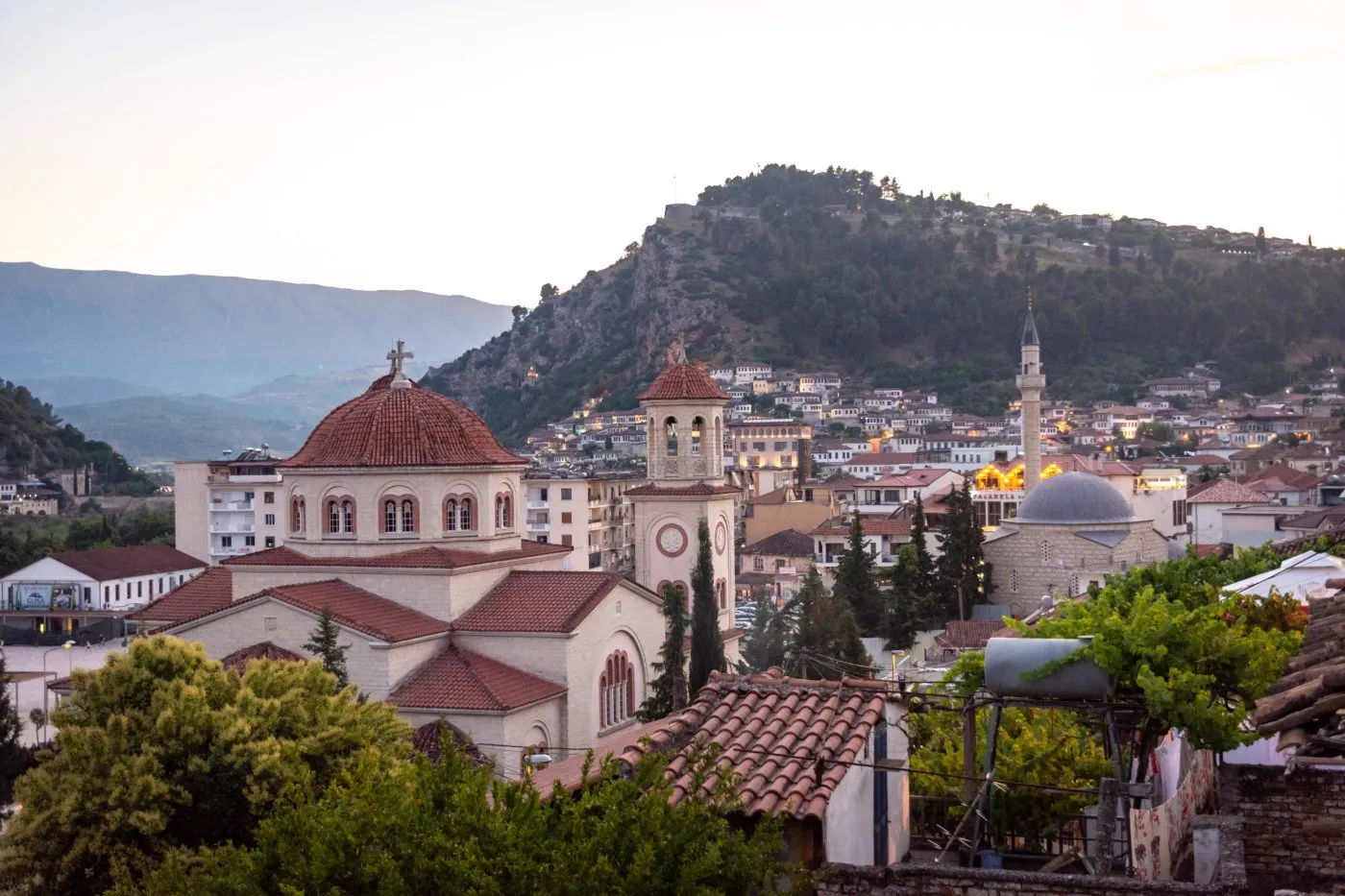
Lead Mosque (Xhamia e Plumbit)
A 15th-century Ottoman mosque named for its lead-covered dome. One of the oldest mosques in Albania and a symbol of Berat's religious coexistence.
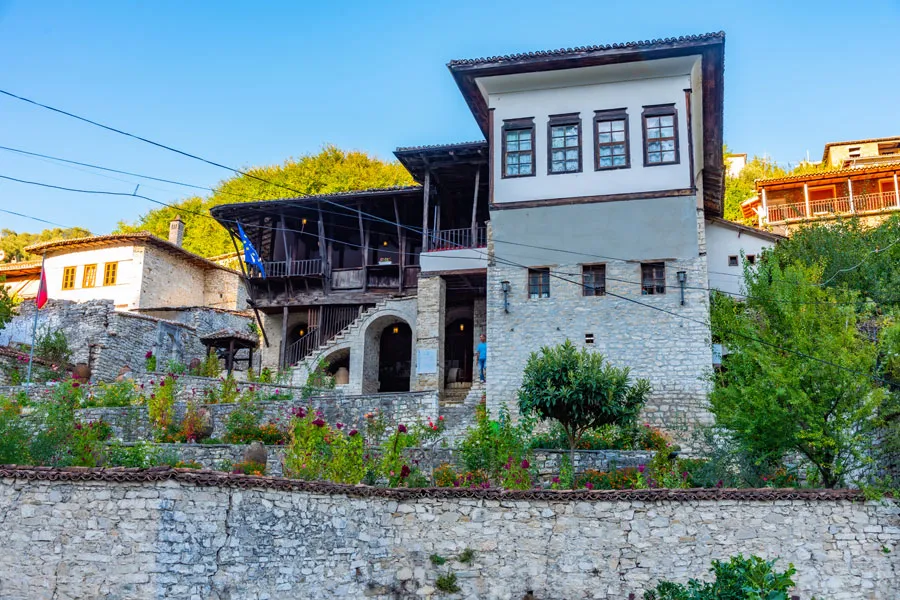
Ethnographic Museum
Set in an 18th-century Ottoman house, the museum showcases traditional Berat life — carved wooden ceilings, woven textiles, agricultural tools, and the famous Berat embroidery.
Osum River & Nature
Berat isn't just about history and architecture. The Osum River valley that cradles the city opens into some of Albania's most dramatic natural landscapes — from deep canyons and waterfalls to sacred mountain peaks and sun-drenched vineyards.
Osum River Canyon
A dramatic gorge with 80-metre walls carved by the Osum River over millennia. Rafting is available in spring when the water levels are high — an exhilarating way to experience one of Albania's most spectacular natural formations.
Bogove Waterfall
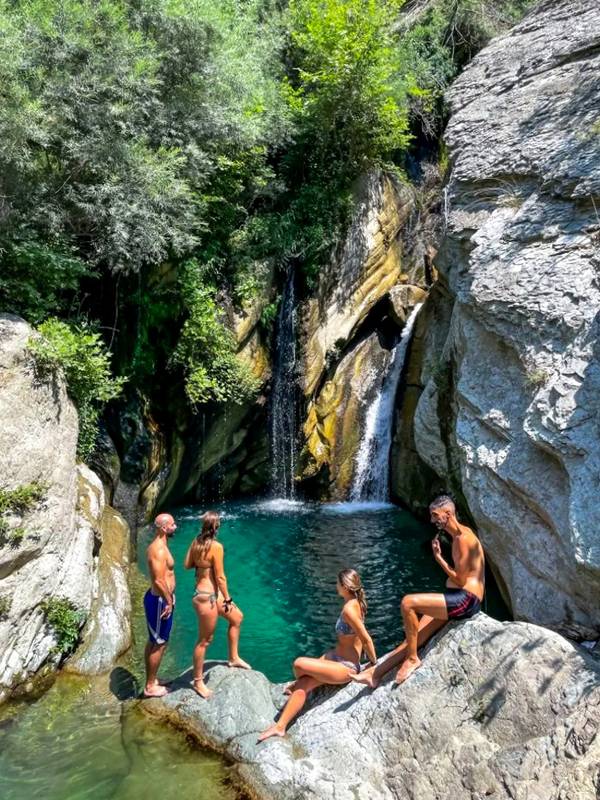
A beautiful cascade tucked inside a lush canyon, just a 20-minute drive from the city. The shaded pools beneath the falls are a favourite local swimming spot in summer, surrounded by ancient plane trees and wild figs.
Tomorr Mountain
The sacred 2,416-metre peak visible from Berat, crowned with a Bektashi shrine at the summit. Every August, thousands of pilgrims climb to the top for the festival of Abas Ali. The mountain dominates Berat's skyline and has been revered since Illyrian times.
Olive Groves & Vineyards
Berat is the heart of Albania's wine country, with centuries-old olive groves carpeting the hillsides and vineyards producing some of the country's finest wines. The Kallmet and Shesh grape varieties thrive in the warm Osum valley climate.
Food & Cuisine
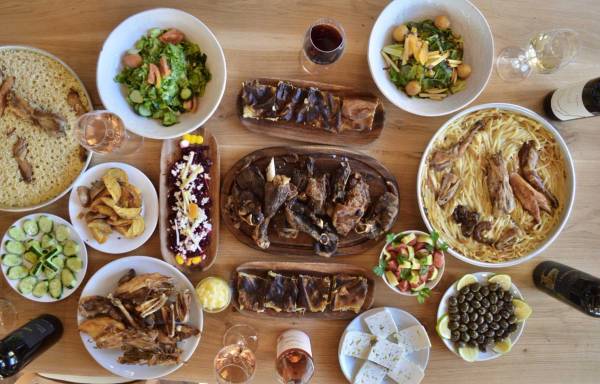
Berat is Albania's culinary heartland — where ancient recipes, local wines, and mountain honey come together in dishes you won't find anywhere else in the country.
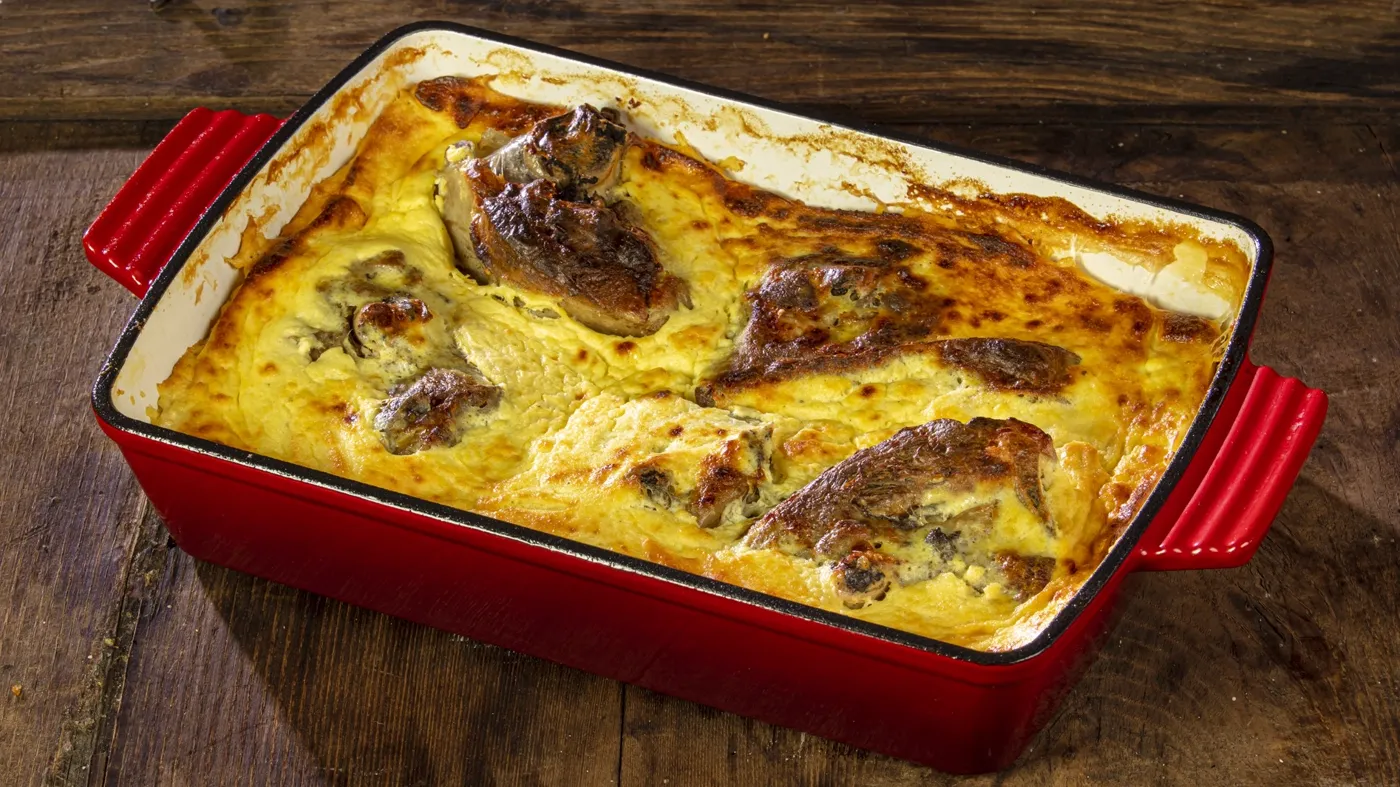
Tavë Kosi
Albania's national dish with a Berat twist — tender lamb baked in a silky yoghurt and egg custard. Berat's version is said to be the most authentic, prepared in traditional clay ovens that give it a distinctive smoky flavour.
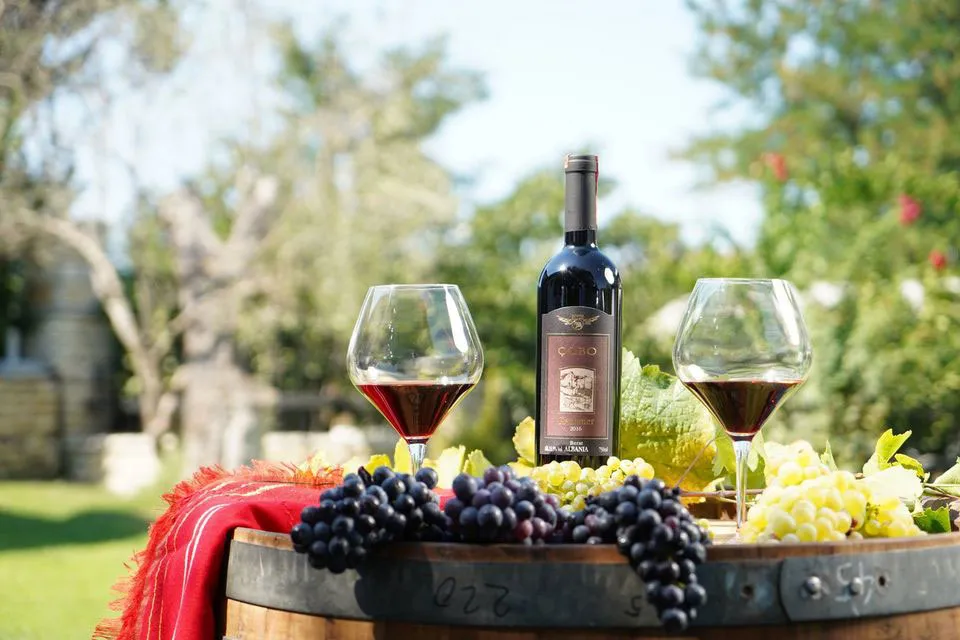
Berat Wine
Berat is Albania's wine capital, with vineyards dating back centuries. The indigenous Kallmet and Shesh grape varieties produce rich reds and crisp whites that are gaining international recognition. Visit a local winery for tastings.
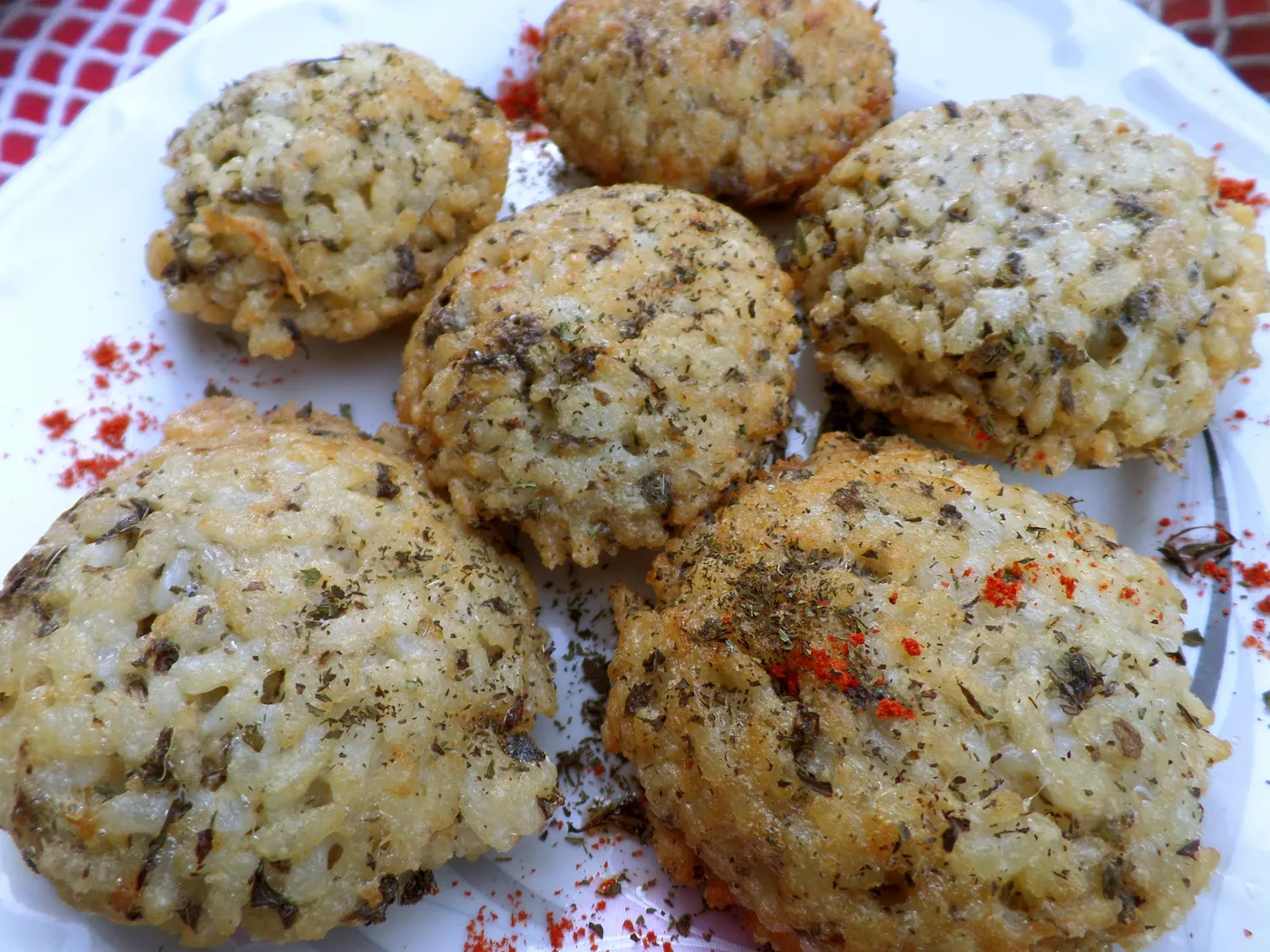
Qifqi
Berat's unique signature dish — rice balls mixed with fresh herbs and eggs, fried until golden and crispy. Found nowhere else in Albania, qifqi is the ultimate Berat street food and a must-try for every visitor.
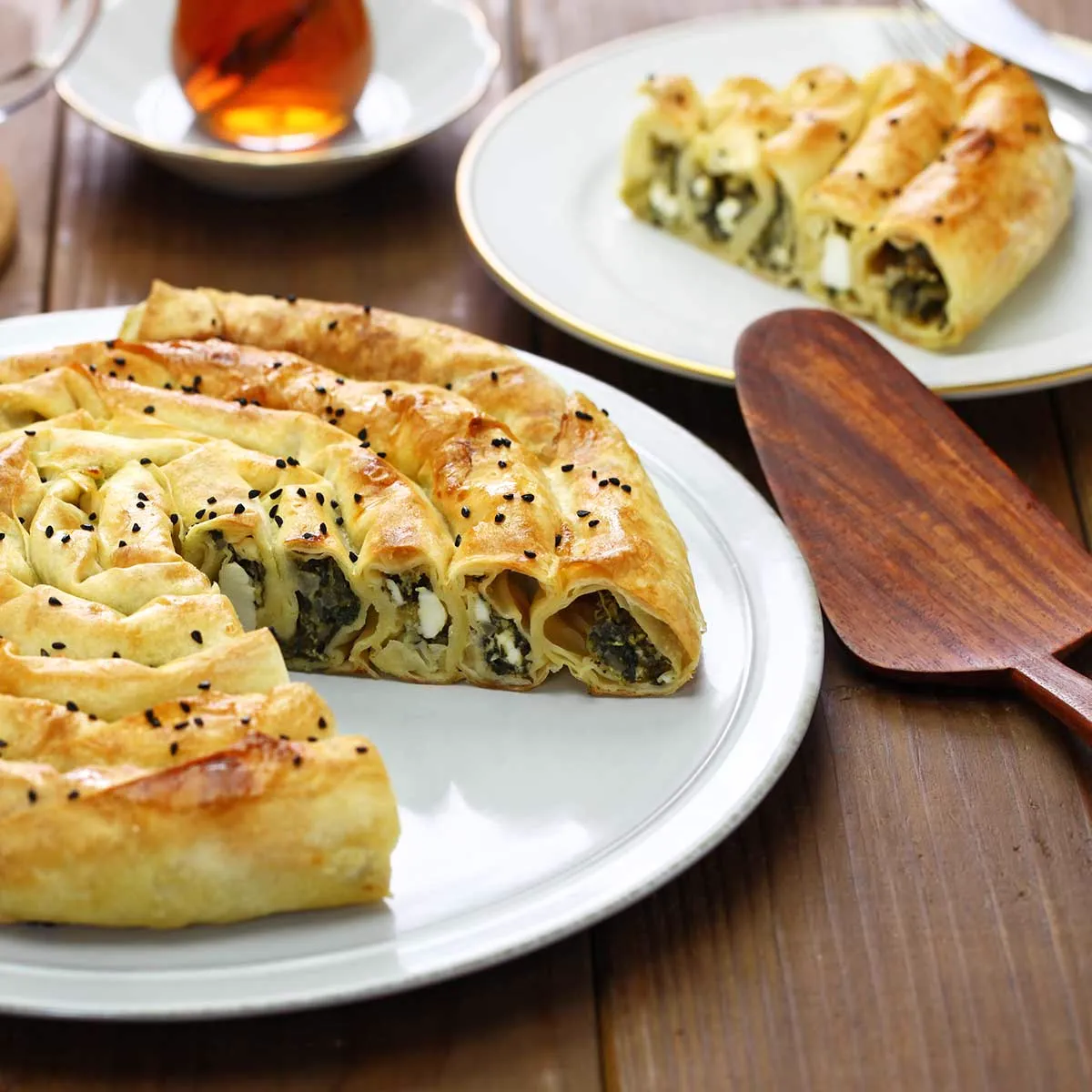
Byrek me Lakër
Cabbage byrek, a Berat specialty — layers of hand-stretched filo pastry filled with slow-cooked cabbage, onions, and spices. Baked until golden in wood-fired ovens, it's a hearty winter favourite in the old quarters.
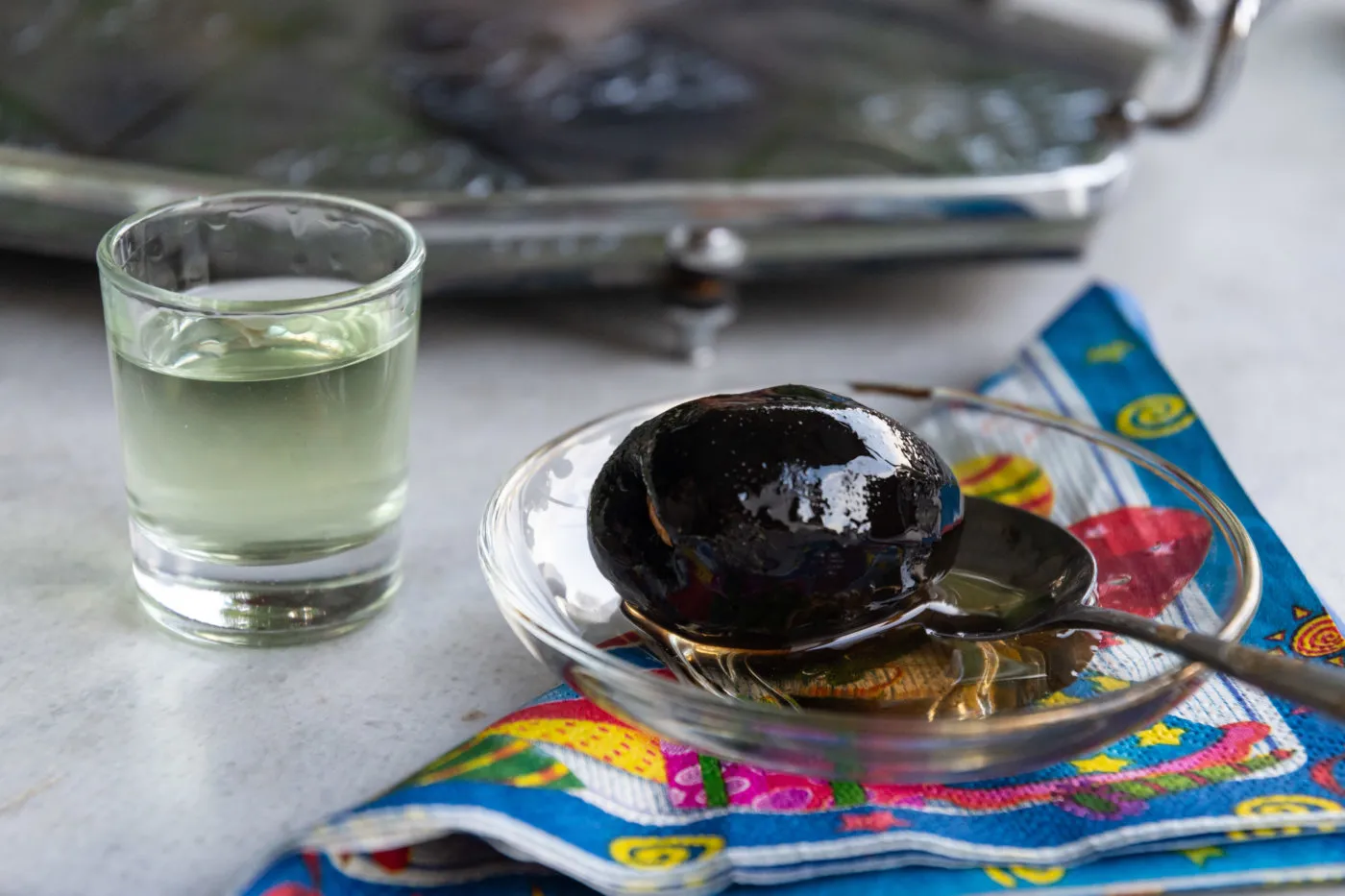
Raki
Homemade grape raki, offered everywhere in Berat as a welcome drink. Every family has its own recipe, distilled from the abundant local grapes. Refusing a glass is considered impolite — and once you taste Berat's version, you won't want to.
Best Time to Visit Berat
Berat is beautiful year-round, but spring and autumn are the sweet spot — warm enough for comfortable exploration, cool enough for hiking, and perfectly timed for the wine harvest.
Spring
April – May16–25°CThe best time to visit. Comfortable temperatures perfect for hiking the castle and exploring canyons. The Osum River is at its most powerful for rafting. Wildflowers blanket the hillsides.
Summer
June – August30–38°CHot but atmospheric. The old quarters shimmer in the heat, and evenings on the riverside terraces are magical. Visit early morning or late afternoon to avoid the midday sun.
Autumn
September – October18–28°CWine harvest season — the vineyards around Berat come alive with activity. Golden light, warm days, and fewer tourists make this an ideal time for photography and wine tasting.
Winter
November – March3–12°CQuiet and authentic. The old quarters are yours alone, and the castle is hauntingly beautiful in the mist. Cosy restaurants serve hearty winter dishes by the fire. Snow occasionally dusts Tomorr Mountain.
How to Reach Berat
From Durrës, Berat is approximately 1 hour and 45 minutes by car, driving south through the fertile plains of Myzeqe before climbing into the Osum River valley. The drive itself is scenic and rewarding.
From Tirana, the journey takes about 2 hours via the modern highway south. Regular public minibuses (furgons) connect Tirana to Berat throughout the day.
A day trip from Durrës or Tirana is possible, but we recommend spending at least one night in Berat. The old town is most magical at sunset and dawn, when the tourist coaches have gone and the castle quarter belongs to you and the local families who still live within its walls. We offer guided tours to Berat that include comfortable transport from Durrës.
Tours in Berat
Explore the castle, wander the Ottoman quarters, taste local wines, and discover hidden Byzantine churches — all with knowledgeable local guides who bring Berat's 2,400-year story to life.
Ready to Explore Berat?
Whether you want a guided walk through the castle, a wine tasting in the Osum valley, or a rafting adventure through the canyon — we'll make it happen.