Gjirokastër
The Stone City — a UNESCO World Heritage town of fortress towers, cobblestone lanes, and Ottoman grandeur
Albania's City of Stone
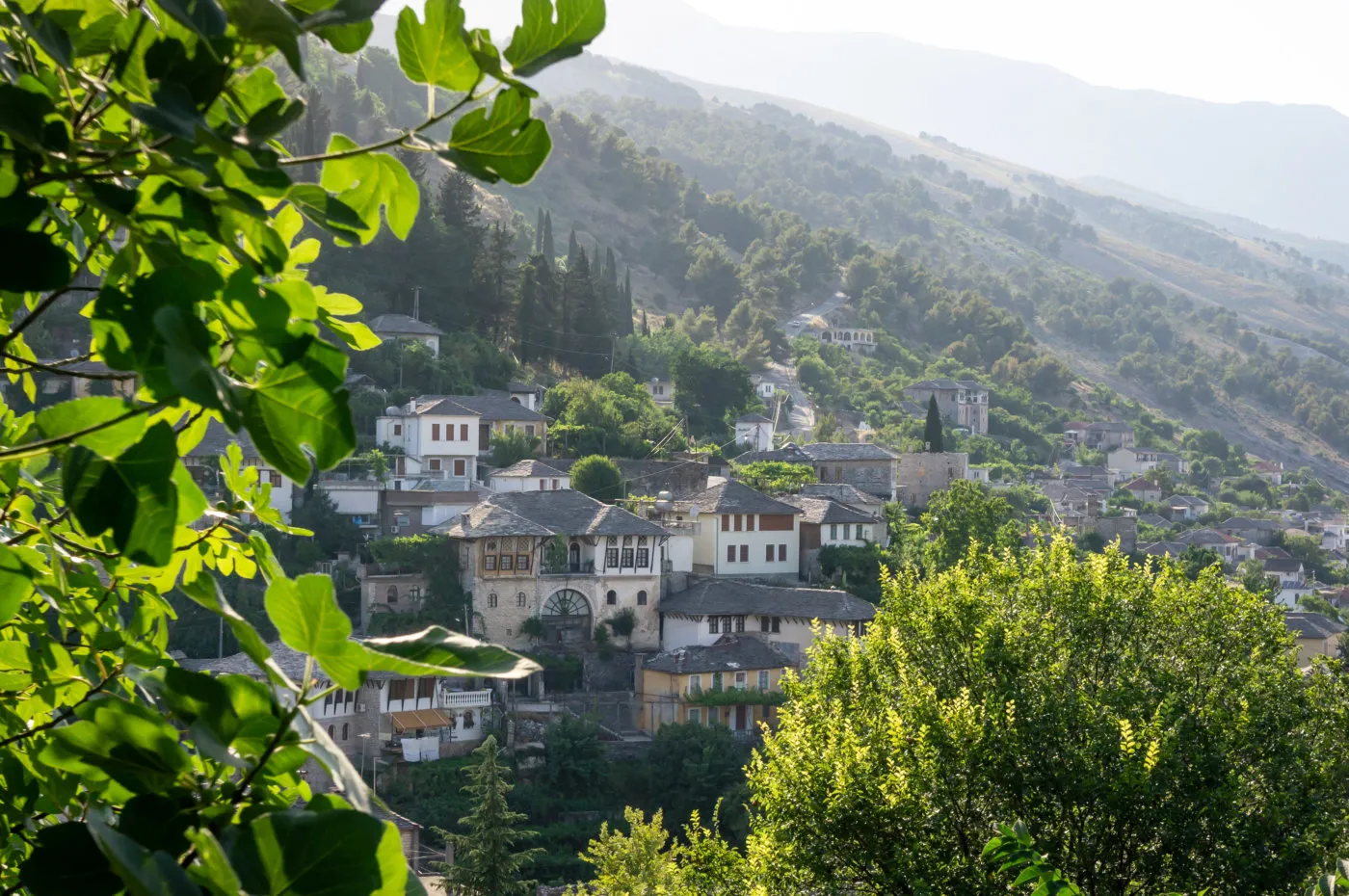
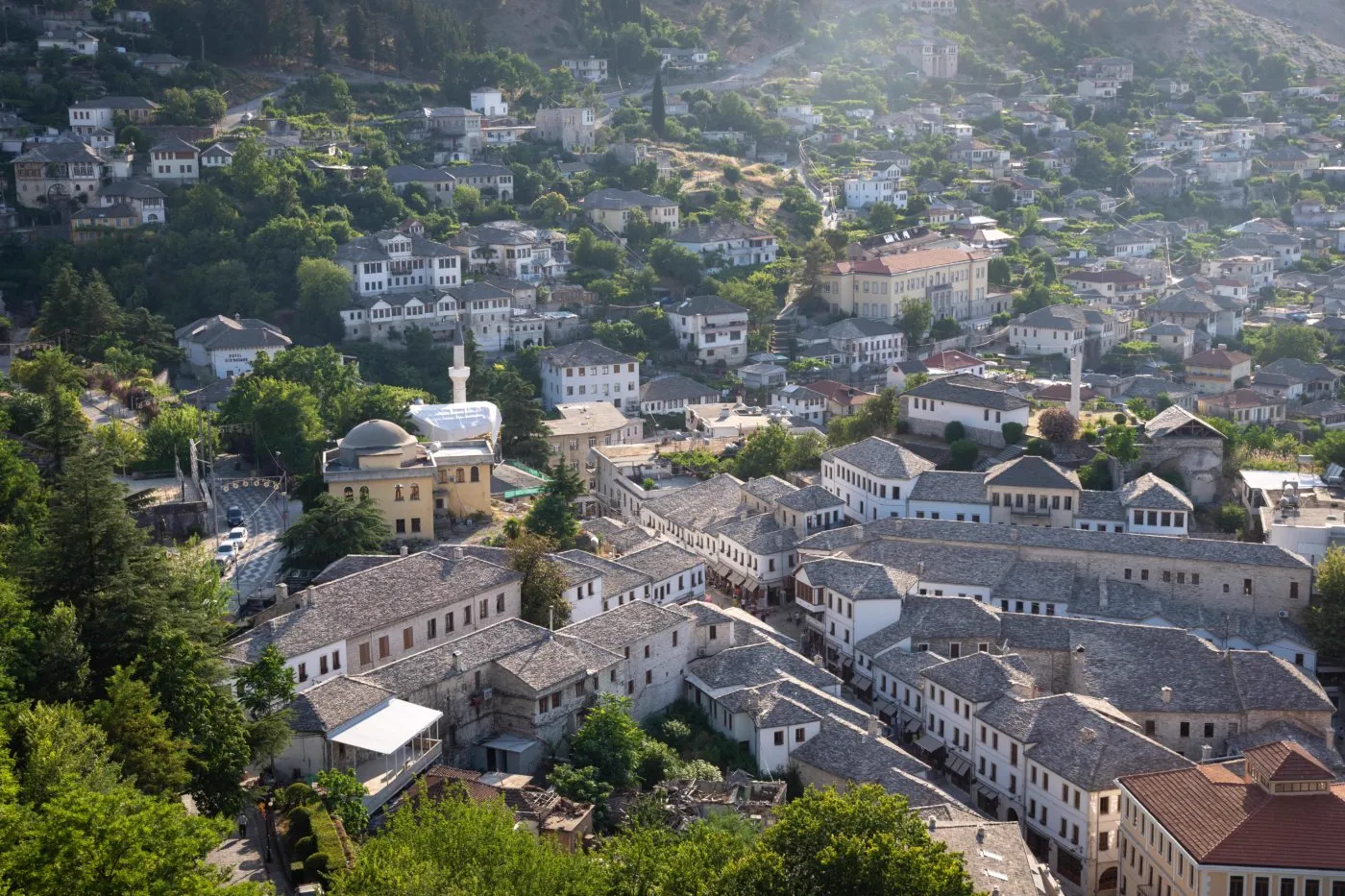
Gjirokastër is a city unlike any other in the Balkans. Clinging to a steep mountainside above the Drino Valley, its hundreds of stone tower houses — fortified Ottoman mansions rising four and five stories tall — create one of the most dramatic urban skylines in southern Europe. UNESCO inscribed the city in 2005 as "a rare example of a well-preserved Ottoman town."
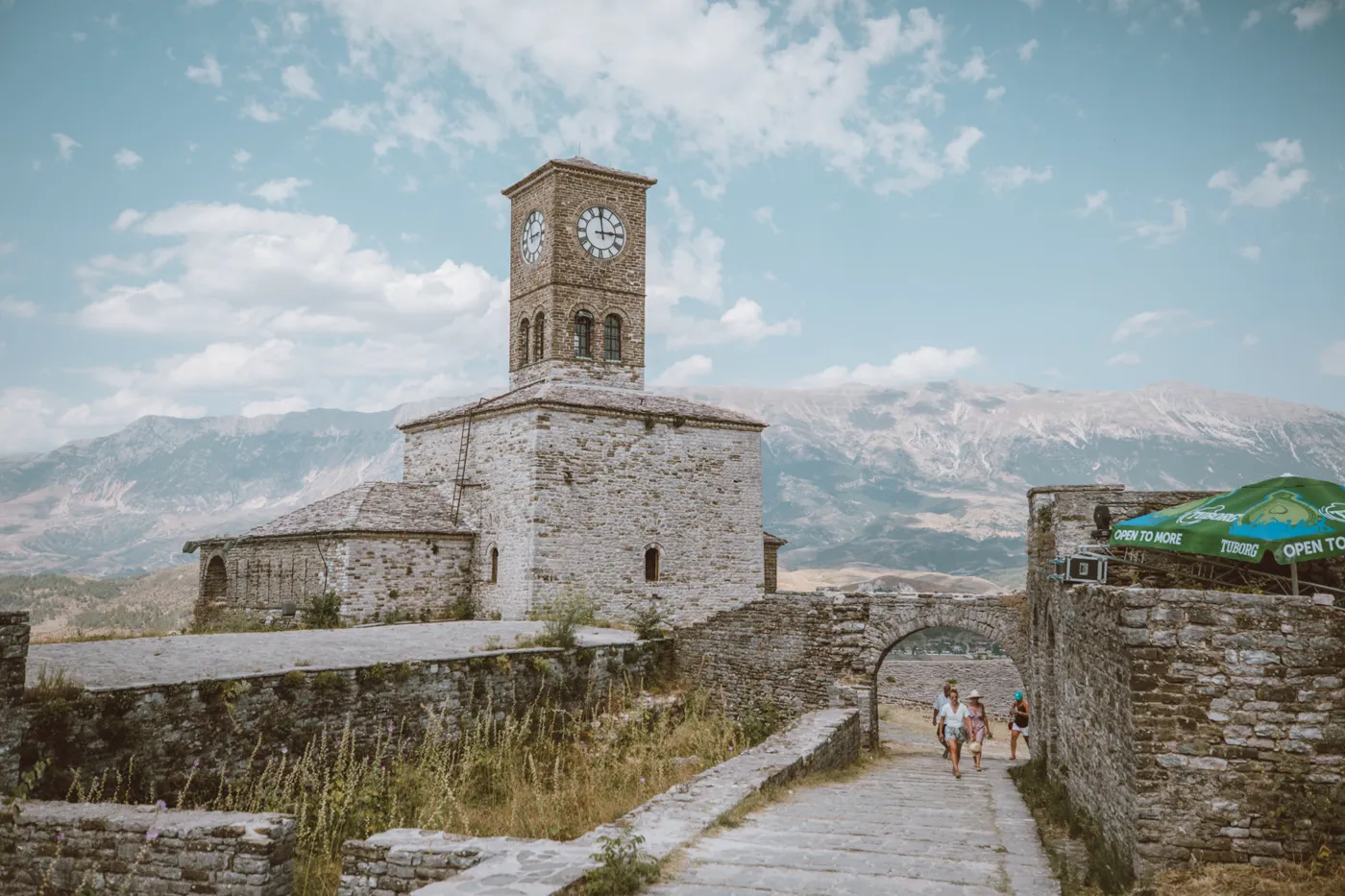
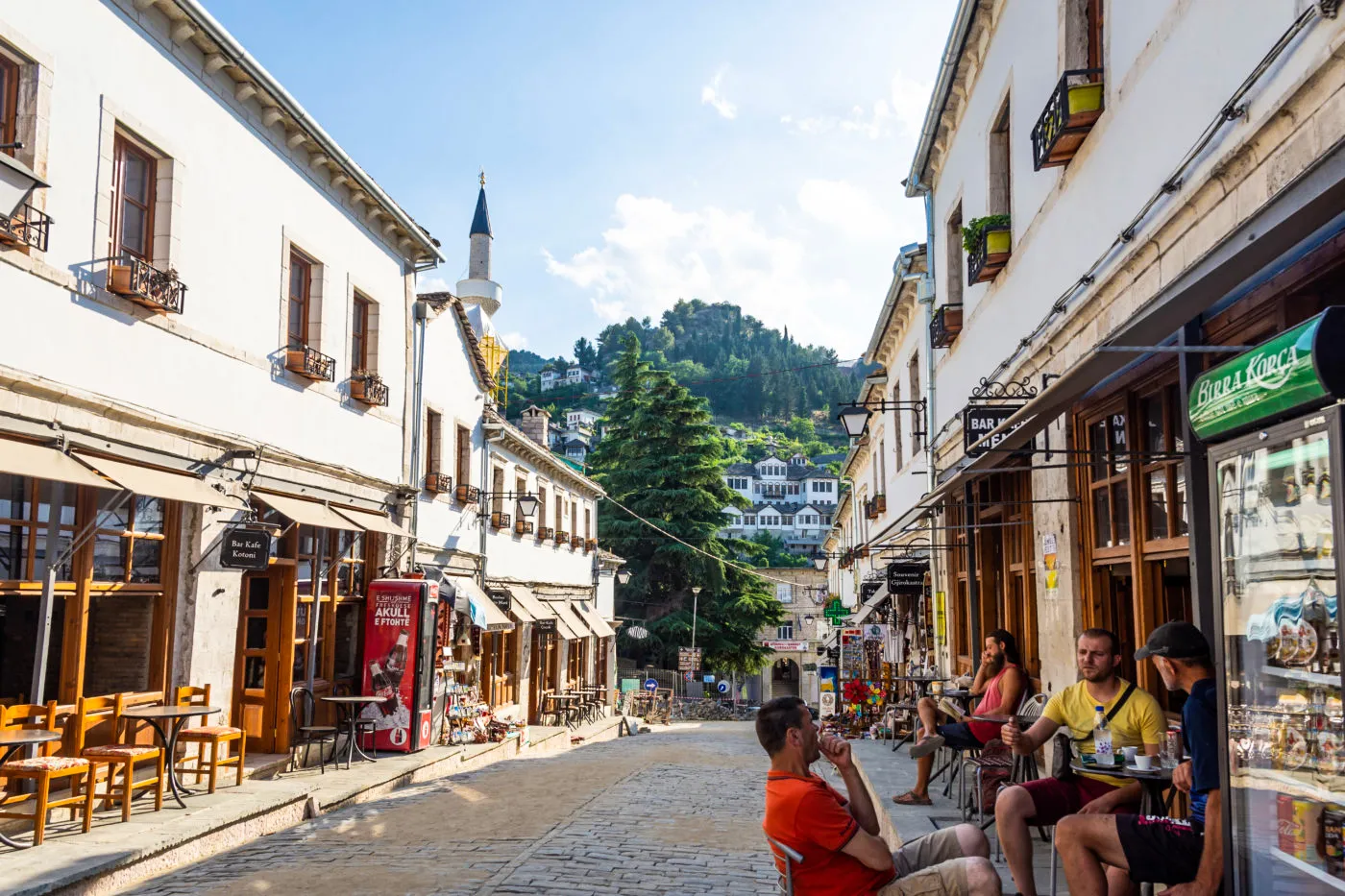
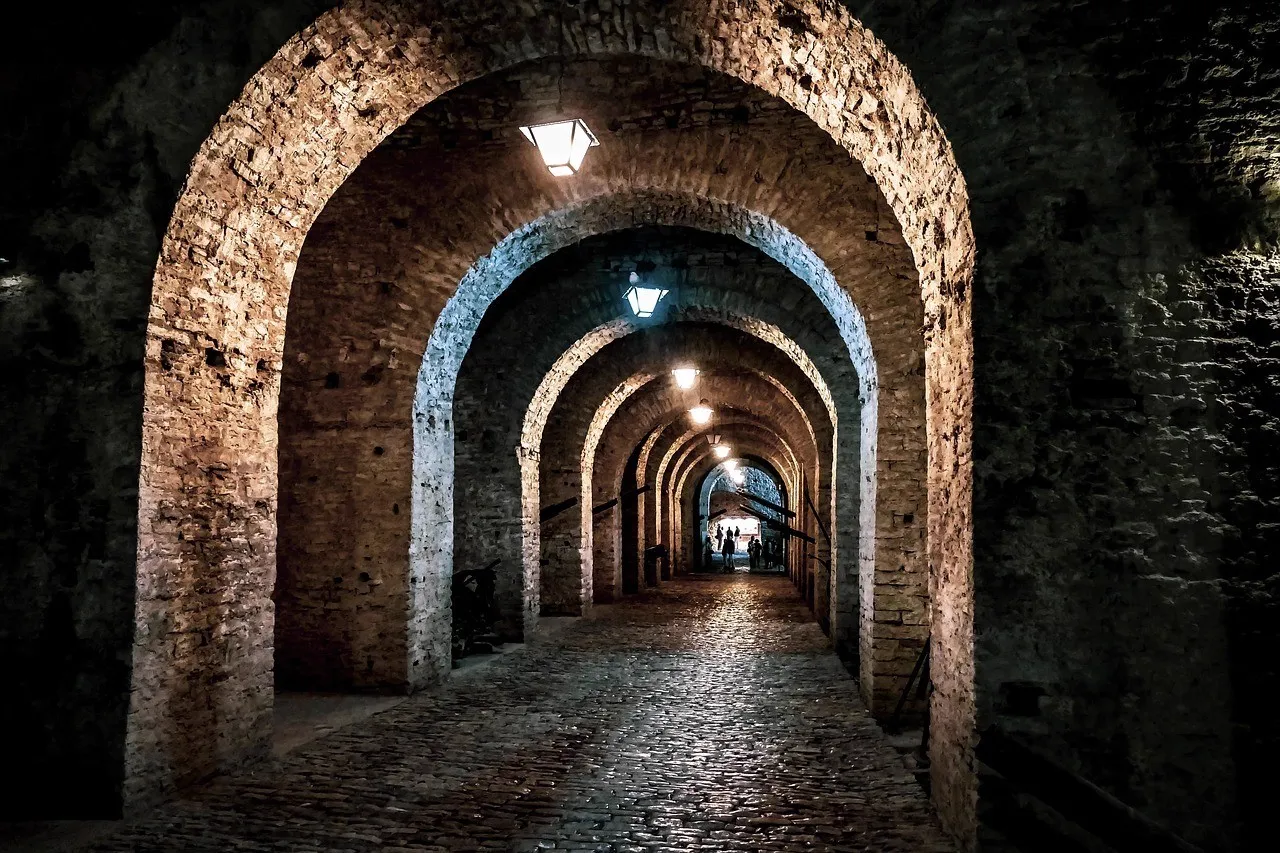
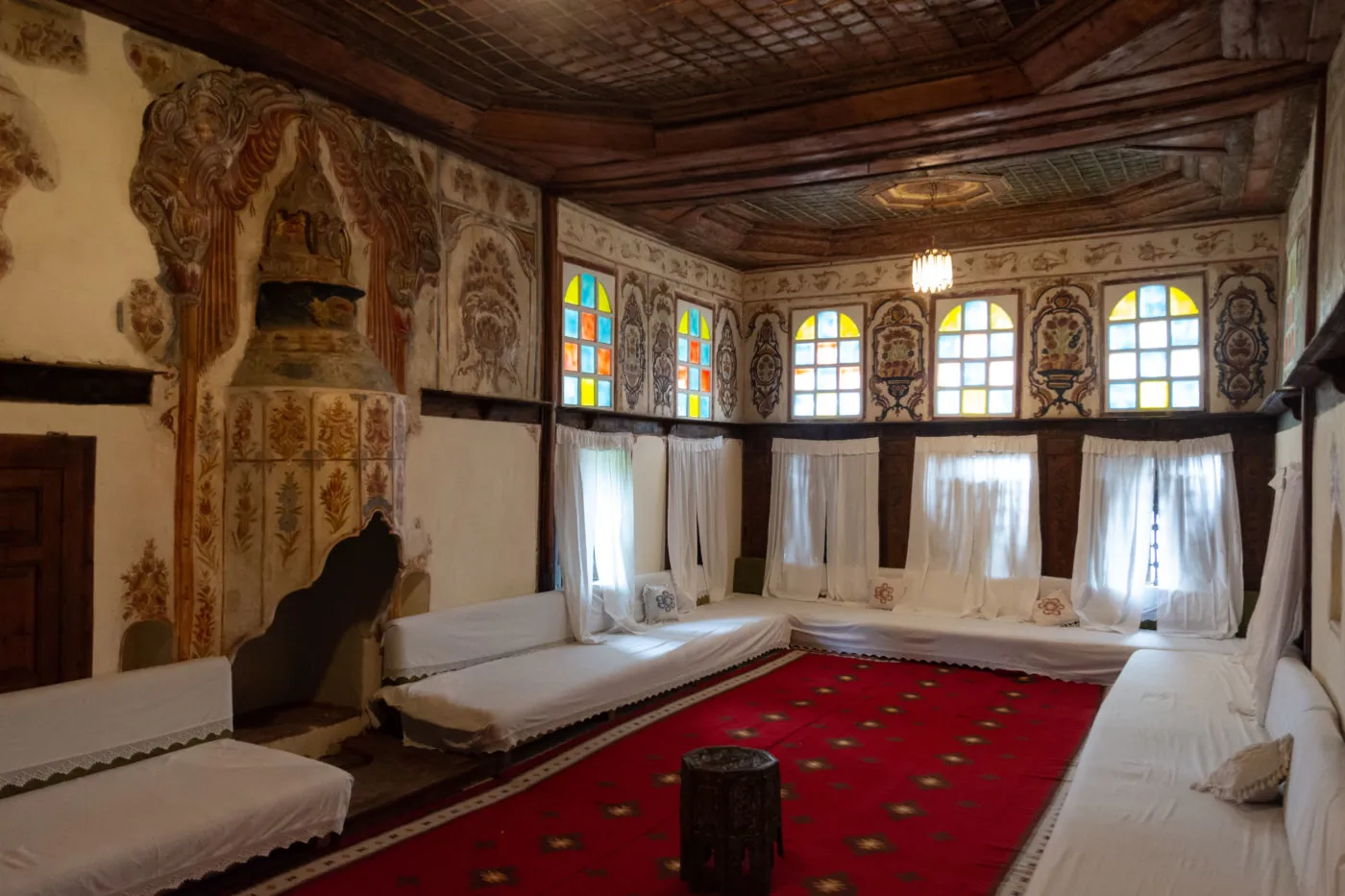
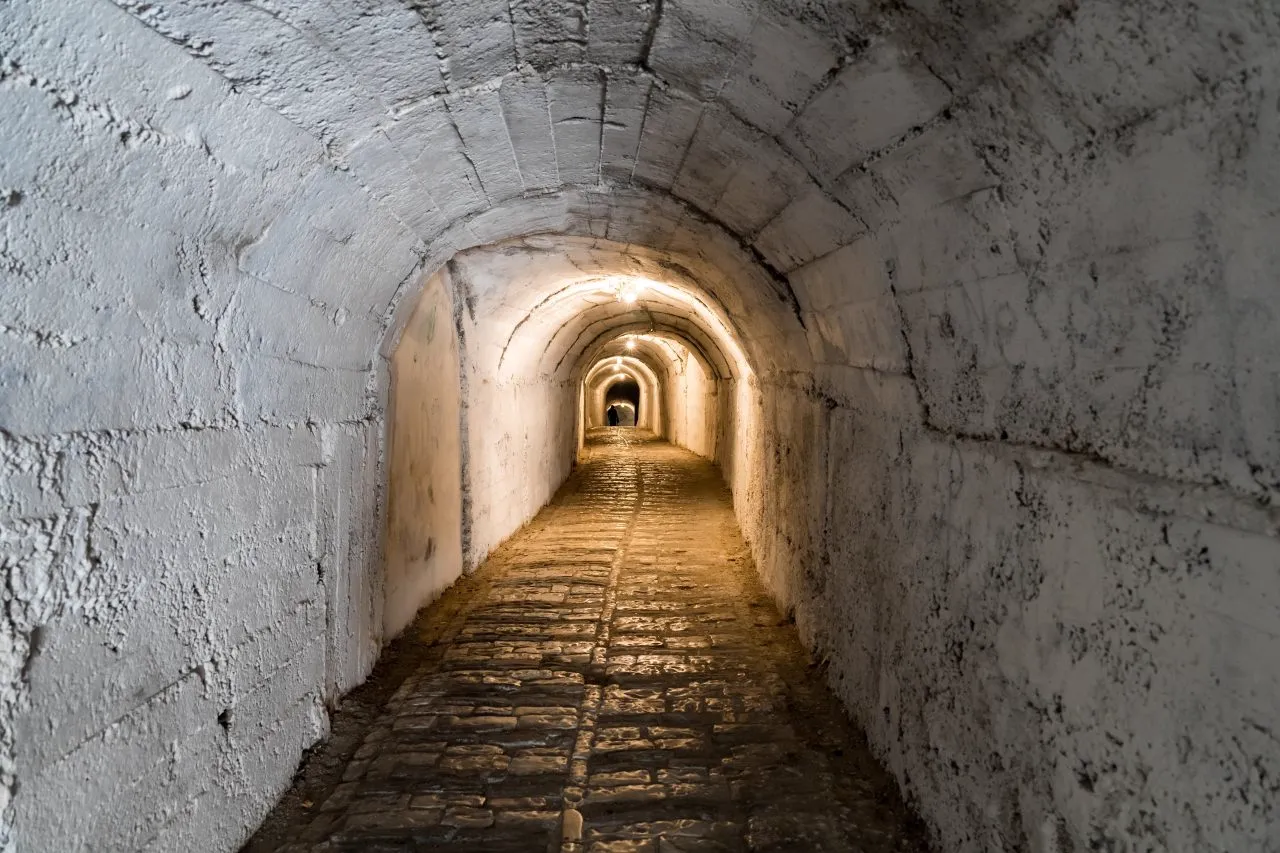
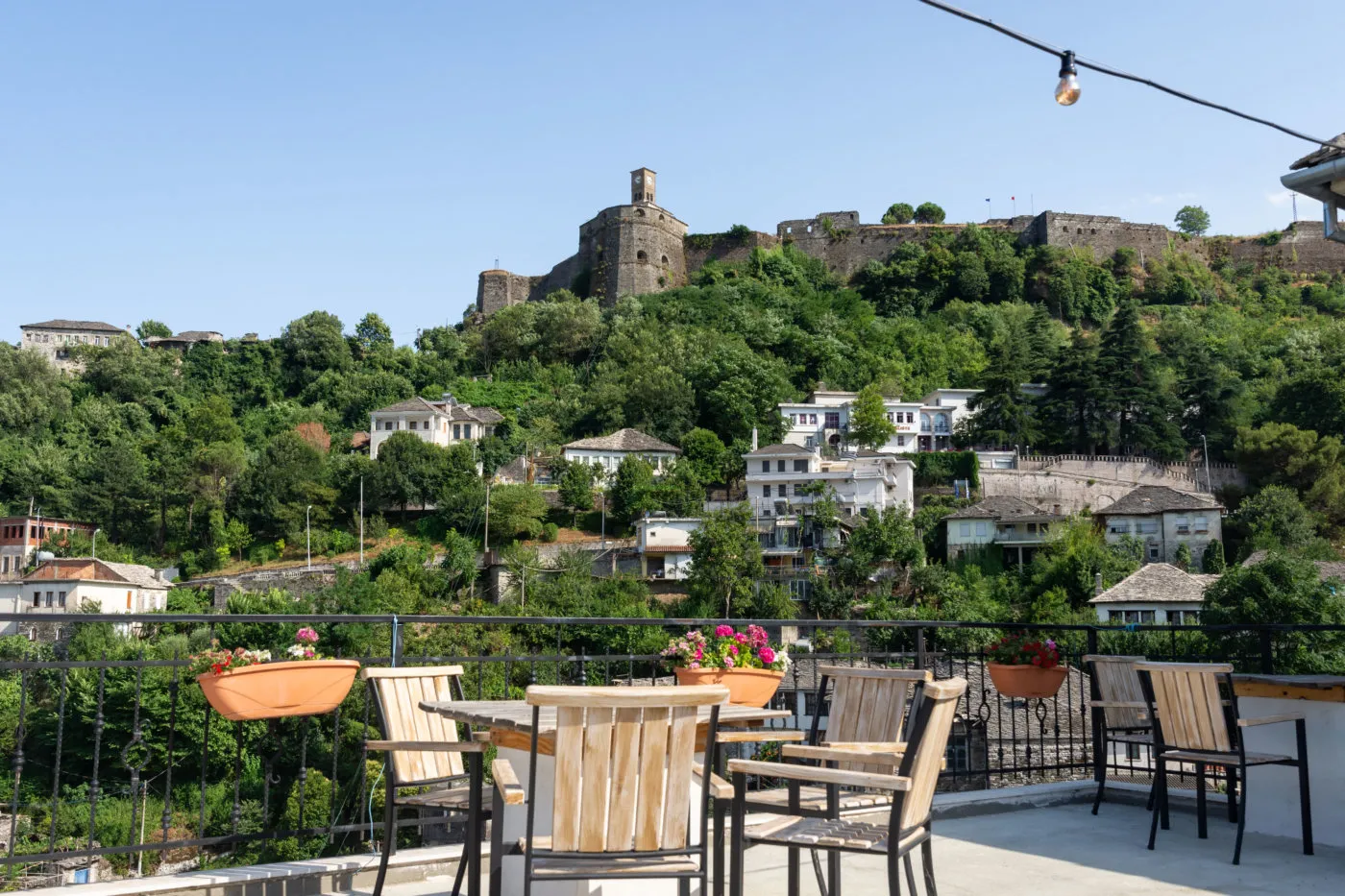
The massive castle crowning the hill above is one of the largest in the Balkans, while the cobblestoned Old Bazaar below hums with the same trade and craft that has animated it for centuries. From the eerie Cold War tunnel beneath the fortress to the exquisite painted ceilings of Zekate House, Gjirokastër layers two millennia of history into a single, unforgettable walk.
Located 4 hours from Durrës and 3 hours from Tirana, Gjirokastër can be combined with visits to Butrint or the Blue Eye Spring for a perfect southern Albania itinerary. But give the Stone City at least a full day — its atmosphere deepens the longer you stay.
From Silver Castle to Stone City
From its ancient origins as Argyrokastron to its inscription as a UNESCO World Heritage Site — Gjirokastër's story is written in stone.
 1st–4th Century
Argyrokastron
Ancient origins as a small fortified settlement perched above the Drino Valley. The name possibly derives from the Greek "Argyrokastron" (Silver Castle), reflecting the shimmering stone that would come to define the city's architecture for millennia. Little remains from this earliest period, but the strategic hilltop position chosen by its founders would shape Gjirokastër's destiny.
12th–13th CenturyByzantine Stronghold
Under the Byzantine Empire, Gjirokastër was transformed into a major fortification. The castle was expanded significantly, becoming one of the largest in the region. The city held an important strategic position controlling routes to Ioannina and the Adriatic coast, making it a prize fought over by competing medieval powers.
1417–1912Ottoman Era
Under Ottoman rule the city was transformed into a major trading centre. The distinctive tower houses (kulla) were built by wealthy Albanian bey families — fortified residences rising 4–5 stories tall with defensive gun slits, ornate painted ceilings, and lavish interiors. These stone mansions, clinging to the steep hillside below the castle, created the dramatic skyline that defines Gjirokastër to this day.
1880sAlbanian Renaissance
Gjirokastër became a centre of the Albanian national awakening (Rilindja). Intellectuals, writers, and patriots emerged from its stone houses, contributing to the cultural and political movement that would eventually lead to Albanian independence in 1912. The city's educated merchant class played a key role in shaping modern Albanian identity.
 1961
1961Museum City
Like Berat, Gjirokastër was declared a "museum city" by the Albanian government — a designation that preserved its unique Ottoman stone architecture from the communist-era demolitions and concrete rebuilding that transformed most Albanian cities. This early protection proved crucial to the survival of the historic quarter.
2005–PresentUNESCO Heritage
Inscribed on the UNESCO World Heritage List as "a rare example of a well-preserved Ottoman town." Since then, Gjirokastër has become one of Albania's most visited destinations. Historic houses are being restored as boutique guesthouses, the bazaar has been revitalised, and the city has found a new life as a cultural tourism destination — while retaining the atmospheric, time-frozen quality that makes it so special.
Landmarks & Attractions
From a colossal hilltop castle and fortified tower houses to a Cold War tunnel and a living Ottoman bazaar — Gjirokastër is an open-air museum at every turn.
Gjirokastër Castle
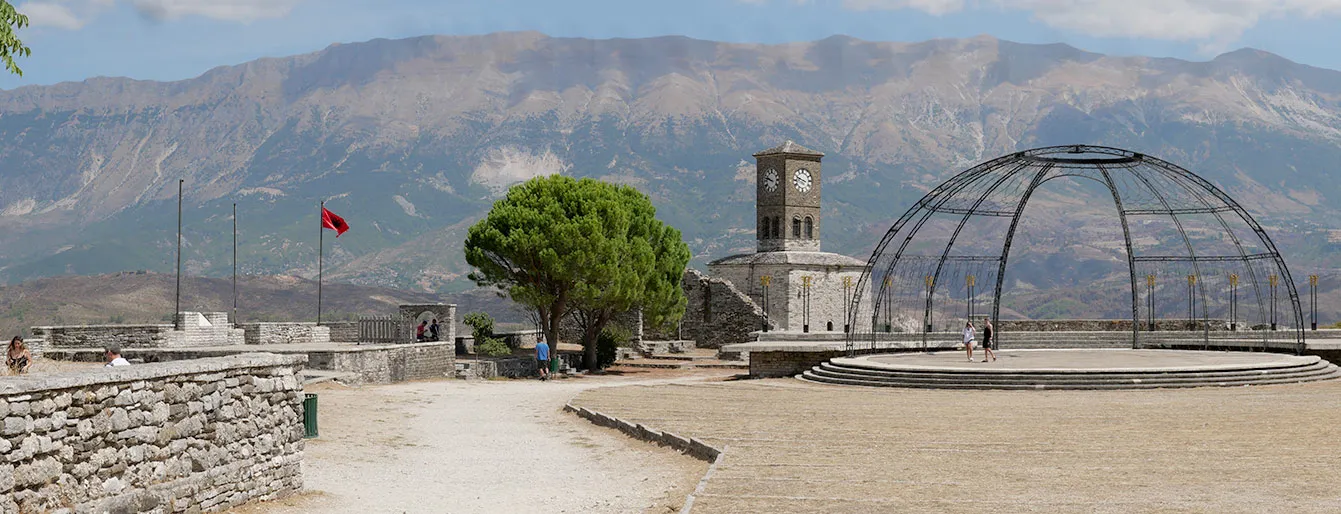
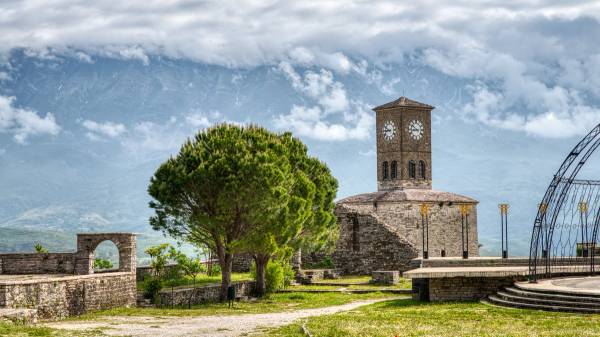
One of the largest castles in the Balkans, perched on a hill 336m above the city. Houses a military museum with captured Italian and German weapons, a recovered US Air Force plane, and stunning panoramic views. The castle hosts the National Folklore Festival every 5 years.
Zekate House
The finest example of a Gjirokastër tower house. Built in 1811–1812, this 3-storey fortified mansion has twin towers, ornate painted ceilings, and has been called 'the most beautiful traditional house in Albania.'
Old Bazaar
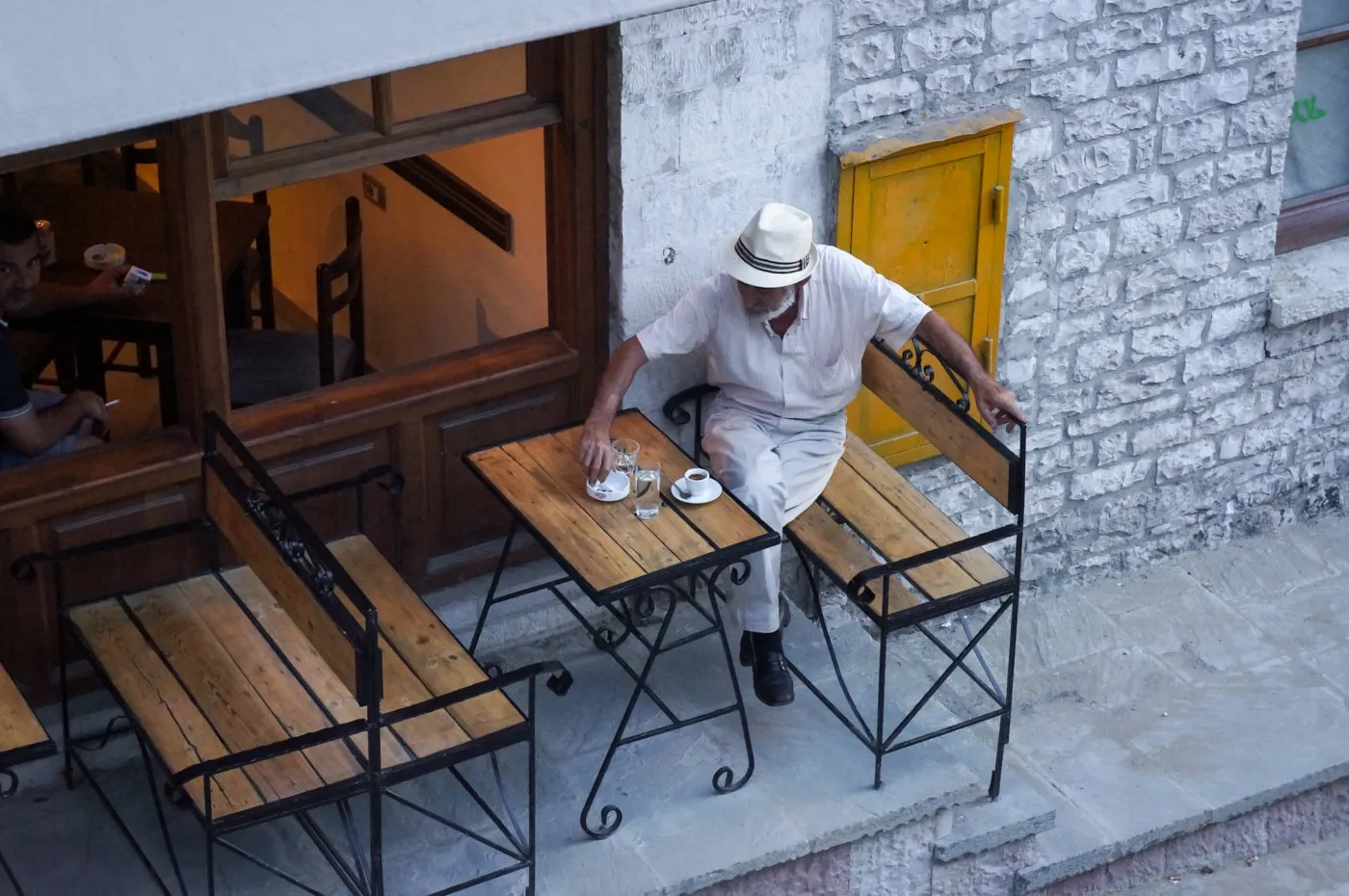
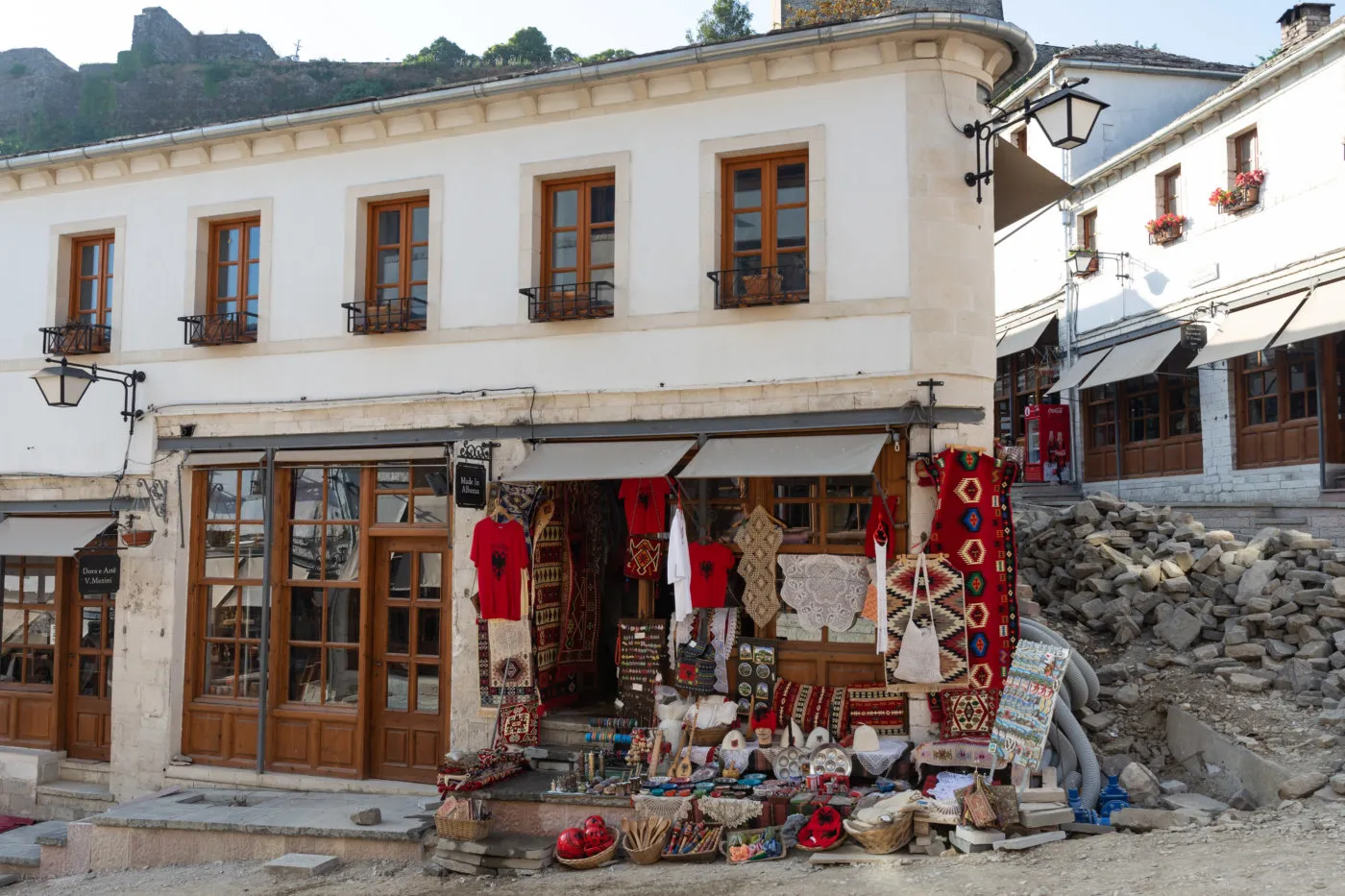
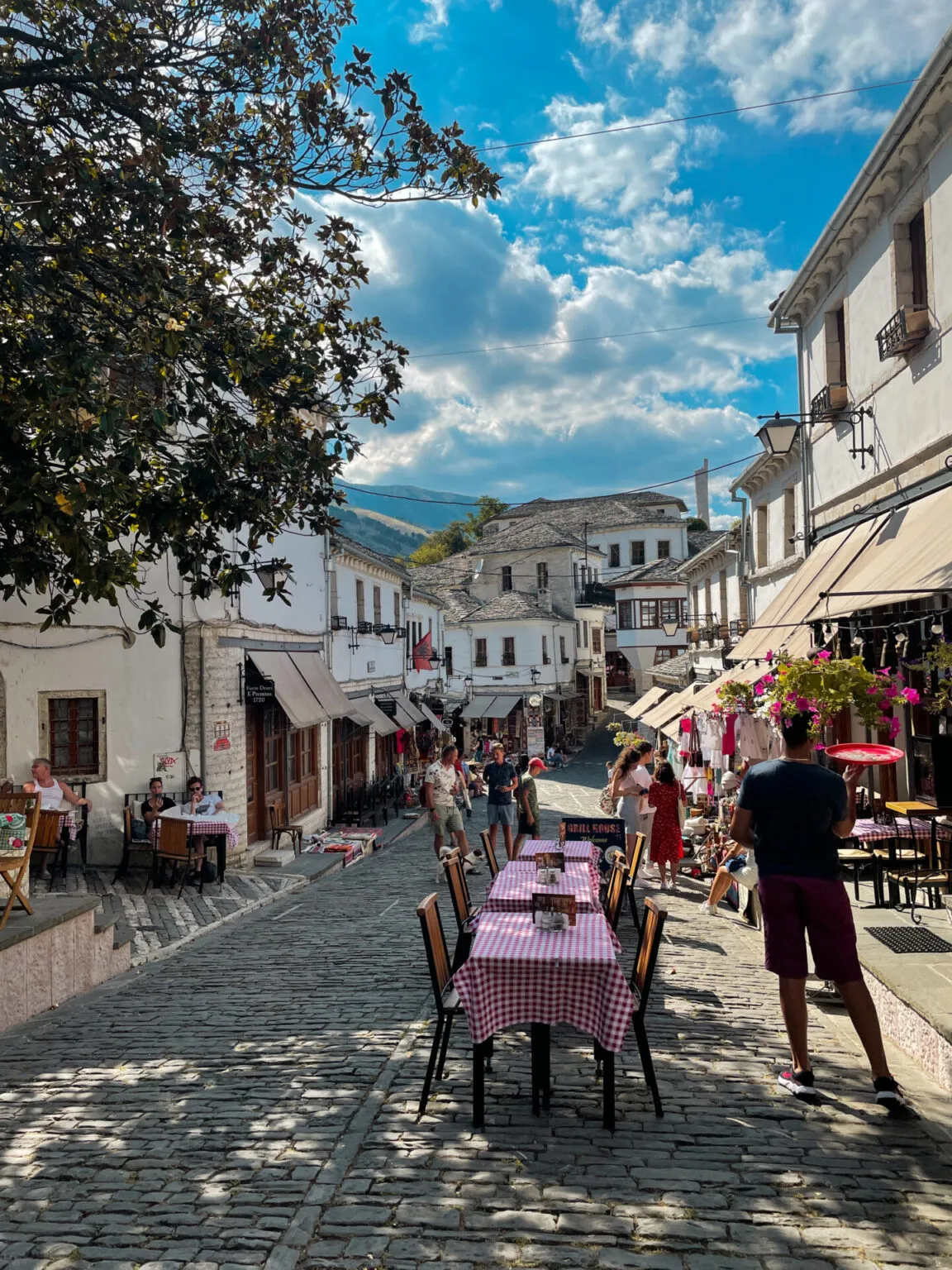
A cobblestoned Ottoman marketplace with workshops, craft stores, and cafés. The sloping bazaar street is one of the most atmospheric in the Balkans, lined with stone buildings selling handmade goods.
Cold War Tunnel
Built in the 1960s as a nuclear shelter beneath the castle, this tunnel system has been converted into a fascinating museum about the communist era. Walking through the dimly lit corridors is one of Albania's most unique museum experiences.
Ethnographic Museum (Hoxha's Birthplace)
A traditional tower house that was the birthplace of communist dictator Enver Hoxha. Now an ethnographic museum showcasing traditional Gjirokastër life with authentic furnishings and textiles.
Mosque of the Bazaar
A small Ottoman mosque in the heart of the bazaar. Along with several churches in the area, it represents the religious diversity of the historic city.
Stone Houses Quarter
The residential hillside below the castle where hundreds of distinctive stone tower houses create the dramatic skyline that earned Gjirokastër its UNESCO inscription. Many are being restored as boutique guesthouses.
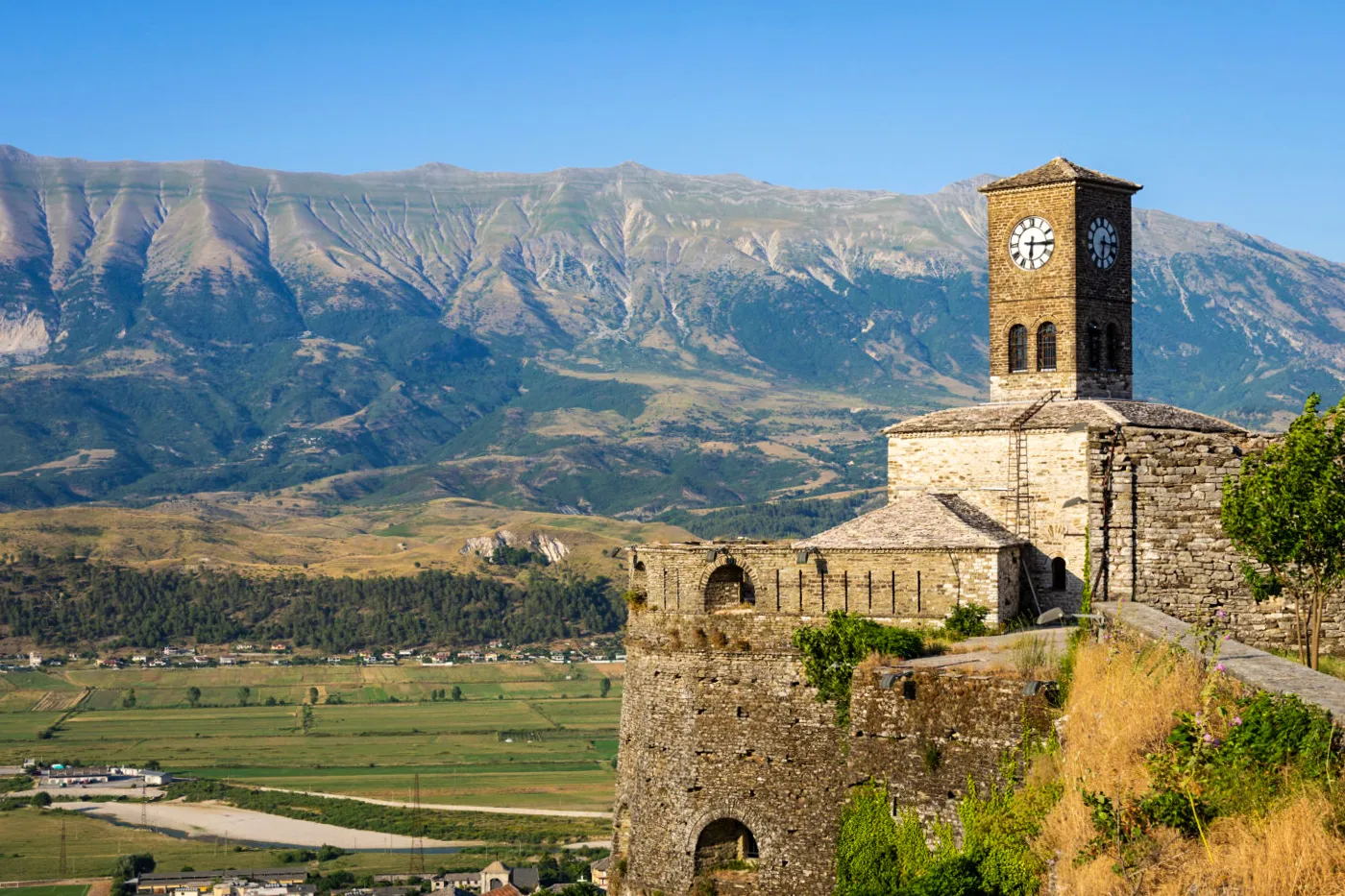
Stone Architecture & Streets
Gjirokastër's identity is carved in stone. The city's Ottoman-era tower houses, steep cobblestone lanes, and ancient craft workshops create an atmosphere that feels unchanged for centuries — a living museum of traditional Albanian architecture.
Tower Houses (Kulla)
Distinctive 4–5 storey fortified stone residences unique to the region. Built by wealthy Albanian bey families during the Ottoman period, these imposing structures feature defensive gun slits on lower floors and ornate living quarters above — a blend of fortress and palace unlike anything else in the Balkans.
Cobblestone Streets
The steep, atmospheric streets of the old town are paved with large flat stones, worn smooth by centuries of foot traffic. Walking these lanes — especially in the early morning or at dusk — feels like stepping back in time.
Qafo Quarter
The best-preserved residential area below the castle, where rows of stone tower houses line narrow lanes that wind steeply up the hillside. This quarter captures the essence of Gjirokastër's UNESCO-listed architecture at its most atmospheric.
Artisan Workshops
Woodcarvers, silversmiths, and textile makers keep traditional crafts alive in small workshops scattered through the bazaar and old town. Handmade goods — from carved wooden utensils to woven kilims — make some of Albania's most authentic souvenirs.
Panoramic Viewpoints
Multiple terraces and vantage points around the castle and upper town offer sweeping views over the Drino Valley and the stone rooftops cascading down the hillside — one of the most photographed panoramas in all of Albania.
Food & Cuisine
Mountain lamb, wild greens, homemade raki, and recipes passed down through generations — Gjirokastër's cuisine is rooted in the land and traditions of southern Albania.
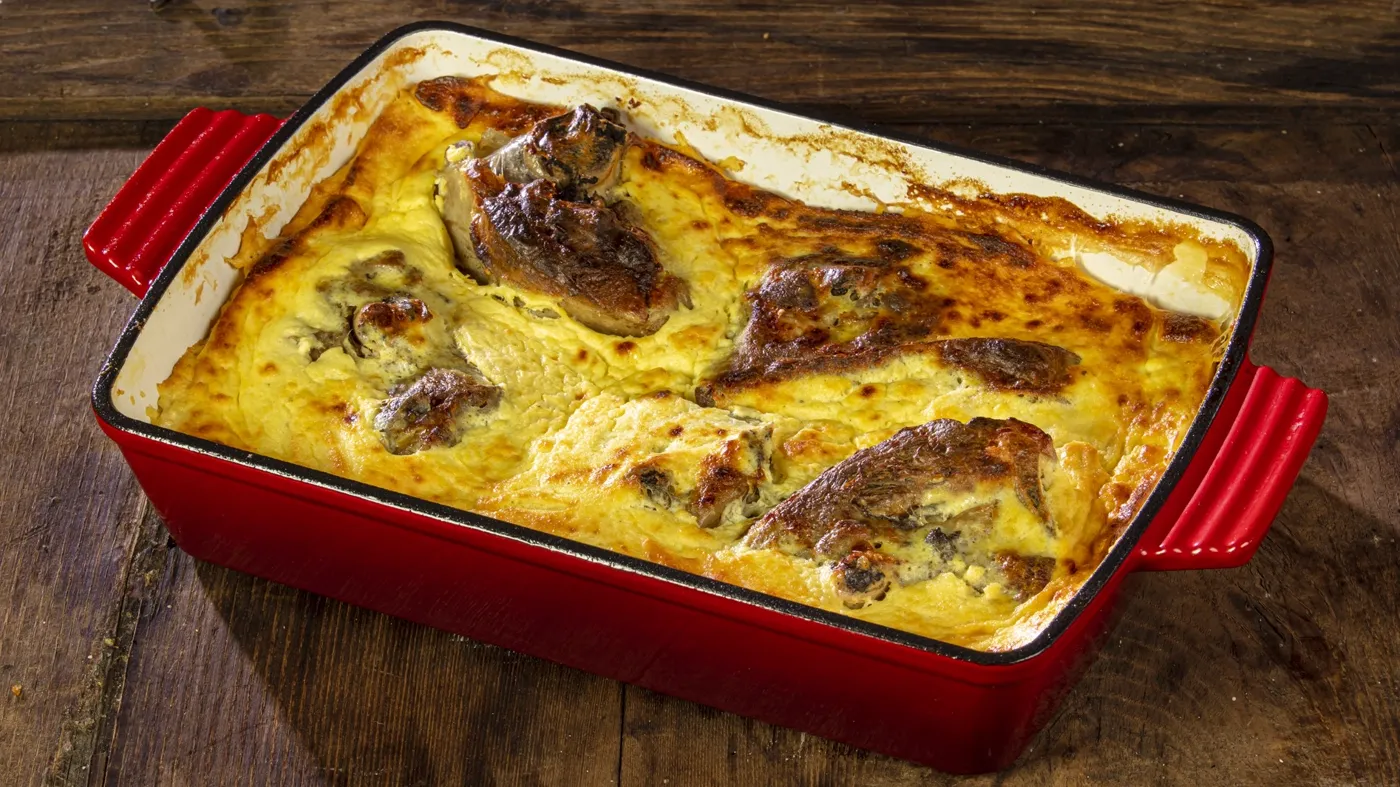
Tavë Kosi
Albania's national dish — tender lamb baked in a silky yoghurt and egg custard. In Gjirokastër, the recipe is considered especially authentic, made with local mountain lamb and served bubbling in clay dishes at bazaar restaurants.
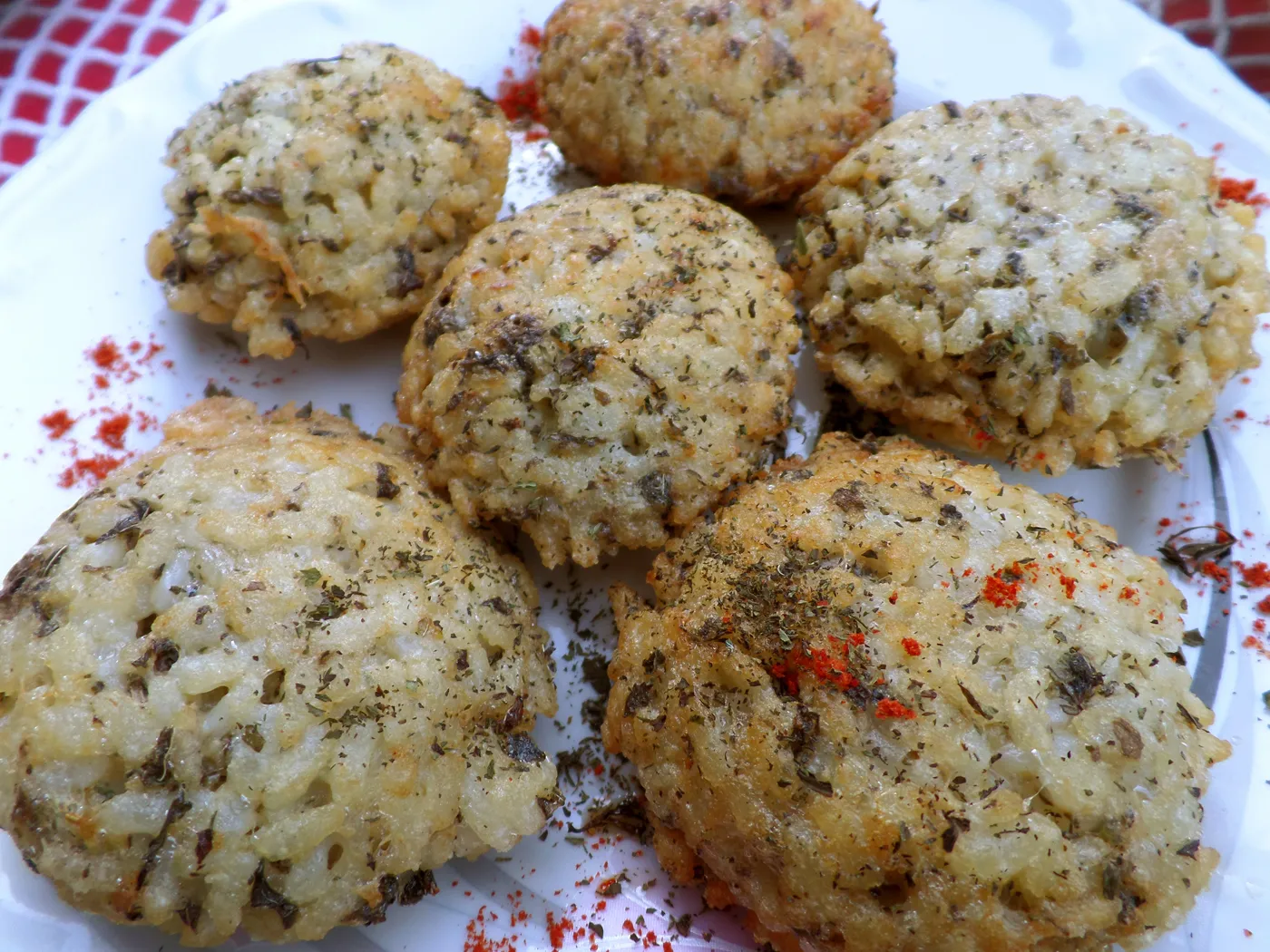
Qifqi Rice Balls
A speciality closely associated with Gjirokastër — small, crispy rice balls flavoured with herbs, eggs, and sometimes mint. Fried golden and served as a side dish or snack, qifqi are found on nearly every traditional menu in the city.
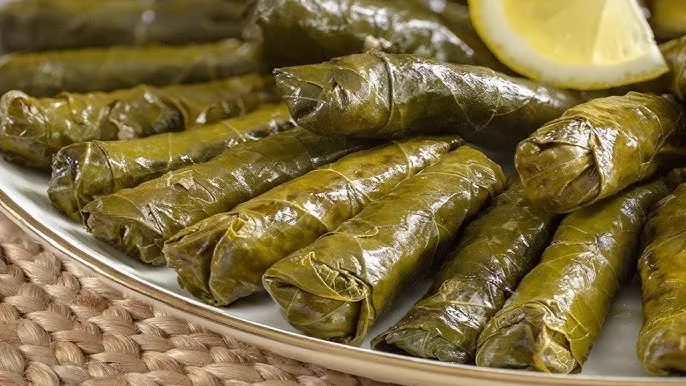
Japrak
Grape leaf wraps stuffed with a savoury mixture of rice, minced meat, herbs, and spices — then slow-cooked until tender. A classic Ottoman-era dish that remains a staple of Gjirokastër's home cooking and restaurant menus alike.
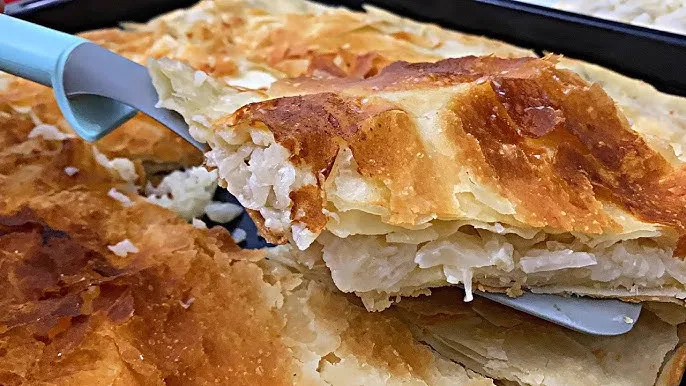
Pite me Lakra
A traditional layered pie made with hand-stretched filo pastry and filled with wild greens gathered from the surrounding mountains. Each family has their own recipe, and the best versions are found at the simple eateries in the old bazaar.
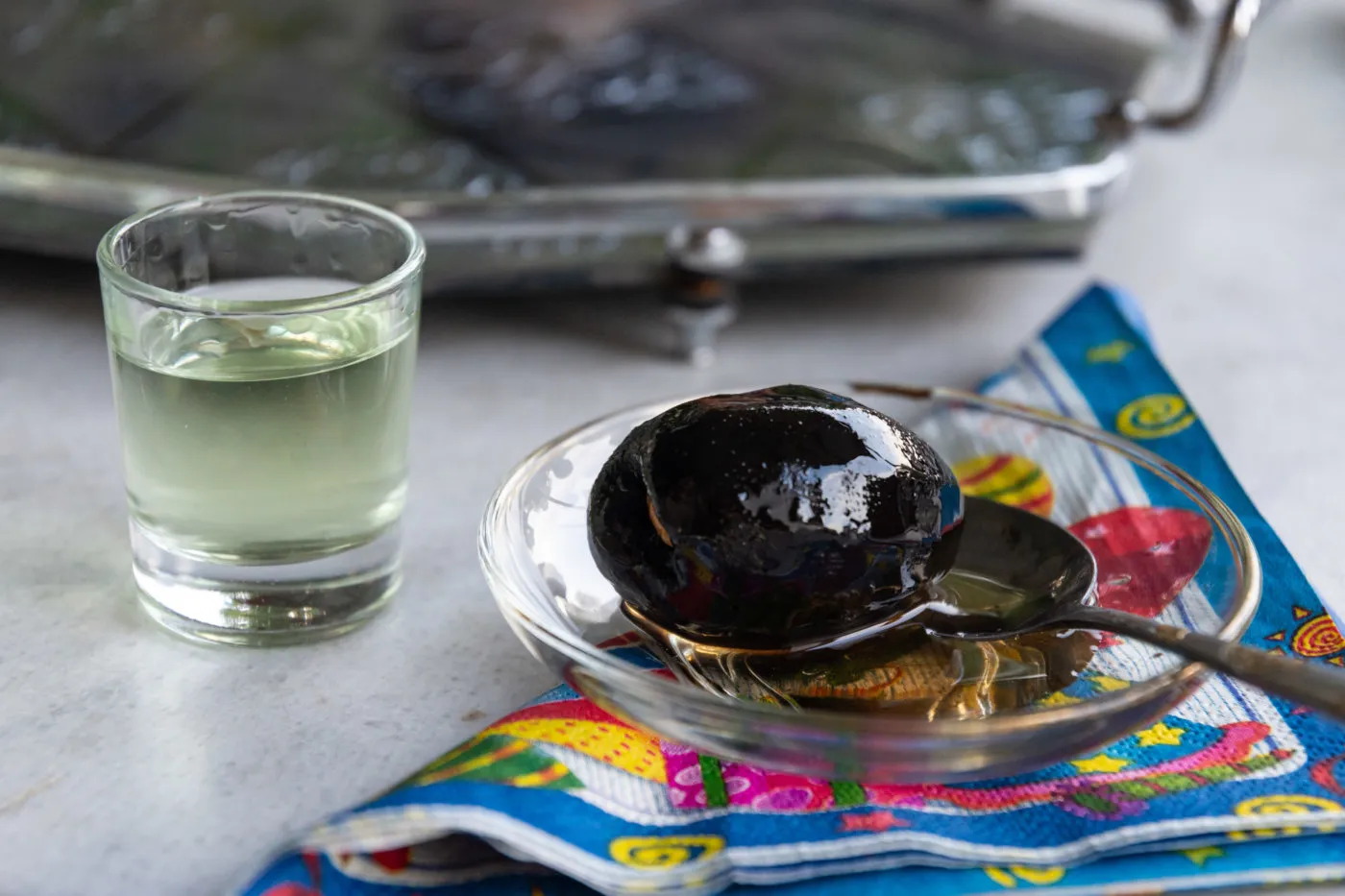
Raki & Gliko
The traditional Albanian welcome — a small glass of homemade raki (grape spirit) served alongside a spoonful of gliko (fruit preserves in syrup). In Gjirokastër's guesthouses, this ritual greeting is taken especially seriously.
Best Time to Visit Gjirokastër
Spring and autumn are the sweet spot — warm enough for comfortable exploration of the steep cobblestone streets, cool enough to enjoy the hilltop castle without the summer heat.
Spring
April – May14–24°CThe ideal time to visit. Comfortable temperatures, wildflowers on the hillsides, and the stone city at its most photogenic. Perfect for exploring the castle and walking the steep cobblestone streets.
Summer
June – August28–36°CHot and dry, especially in the valley below. The stone houses stay cool inside, and evenings on the terrace restaurants are magical. Come early or late in the day to avoid the midday heat.
Autumn
September – October16–26°CBeautiful golden light over the stone rooftops and fewer visitors than summer. Harvest season brings fresh produce to the bazaar, and the surrounding mountains turn amber and gold.
Winter
November – March2–10°CAtmospheric and quiet. The stone city can see snow, creating a hauntingly beautiful scene. Off-season prices and a chance to experience Gjirokastër as the locals know it — cosy, intimate, and unhurried.
How to Reach Gjirokastër
Gjirokastër is approximately 4 hours from Durrës and 3 hours from Tirana by car, following the main southern highway through the Vjosa Valley. We offer private transfers for a comfortable, door-to-door journey.
The drive south is spectacular in itself — passing through the Llogara Pass with dramatic Adriatic views, or via the inland route through Permet and the Vjosa river canyon.
Gjirokastër combines perfectly with Butrint (1.5h), the Blue Eye Spring (30 min), and Saranda (1h) for a comprehensive southern Albania itinerary. Many visitors spend 2–3 days exploring the region with Gjirokastër as their base.
Tours in Gjirokastër
Walk the cobblestone streets of the Stone City, explore the castle and Cold War tunnel, or taste traditional mountain cuisine — all with knowledgeable local guides.
Ready to Explore Gjirokastër?
Whether you want a guided walk through the Stone City, a deep dive into Ottoman history, or a southern Albania road trip combining Gjirokastër with Butrint and the Blue Eye — we'll make it happen.