Durrës
The Adriatic Gateway — Albania's ancient port city where 2,700 years of history meet the sea
Where Roman Ruins Meet Sandy Beaches
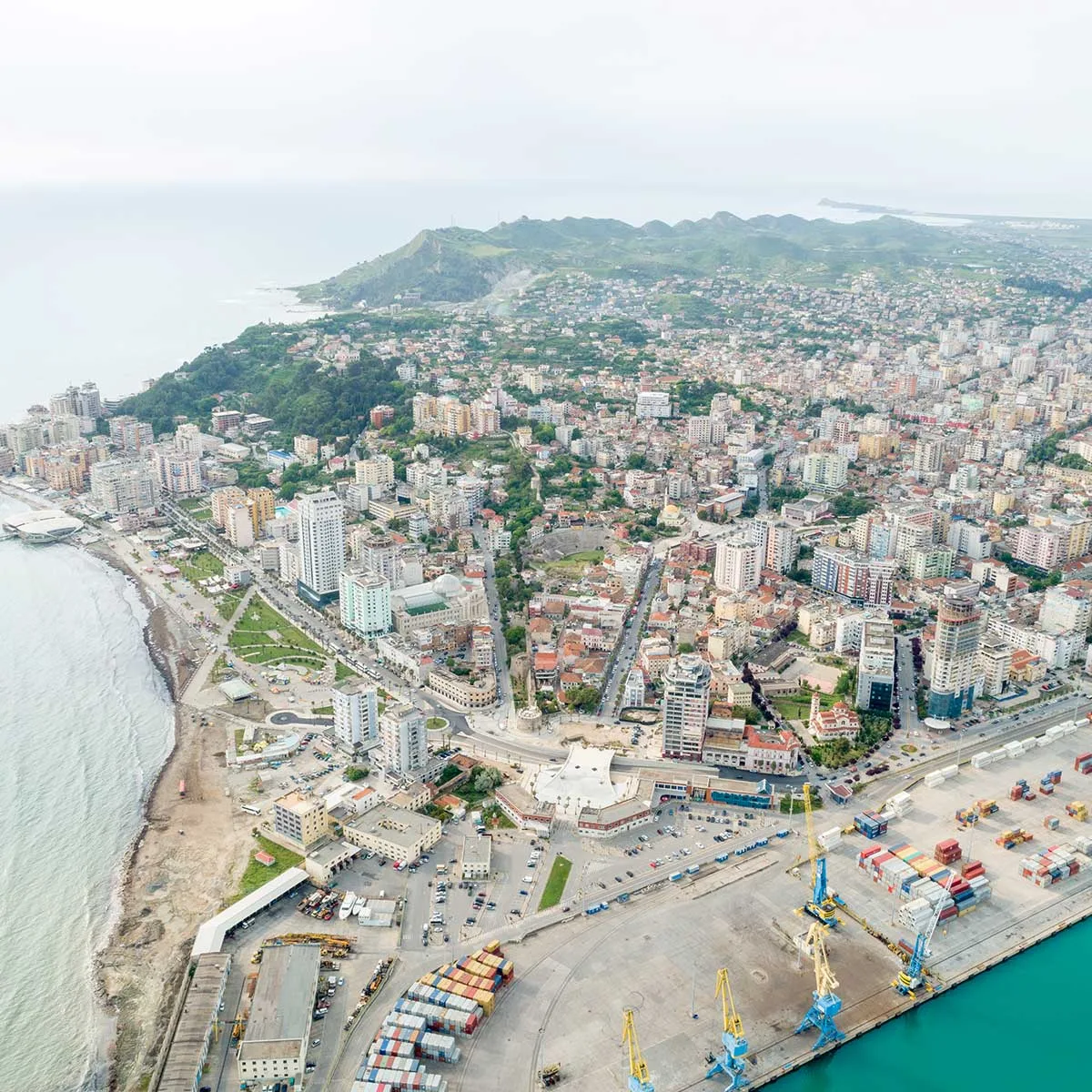
Durrës is Albania's second-largest city and one of the oldest continuously inhabited settlements on the Adriatic coast. Founded in 627 BC as Epidamnos by Greek colonists from Corinth, the city has been shaped by Greeks, Romans, Byzantines, Venetians, and Ottomans — each civilisation leaving its mark on the architecture, culture, and character of this remarkable port city.
Today, Durrës is a city of contrasts. The crumbling walls of a 2nd-century Roman amphitheatre sit steps away from a bustling waterfront promenade. Ottoman-era mosques stand beside Venetian towers. Fishermen haul their catch past 5th-century Byzantine fortifications. And just 35 minutes from Tirana International Airport, 15 kilometres of sandy Adriatic beaches stretch south.
As the western terminus of the Via Egnatia — the great Roman highway that connected the Adriatic to Constantinople — Durrës has been a crossroads between East and West for millennia. That history is not locked behind museum glass here. You walk on it, eat beside it, and swim in front of it every single day.
A City Shaped by Empires
From Greek colonists and Roman emperors to Byzantine generals and Venetian merchants — every civilisation that touched Durrës left something behind.
 627 BC
Greek Colony of Epidamnos
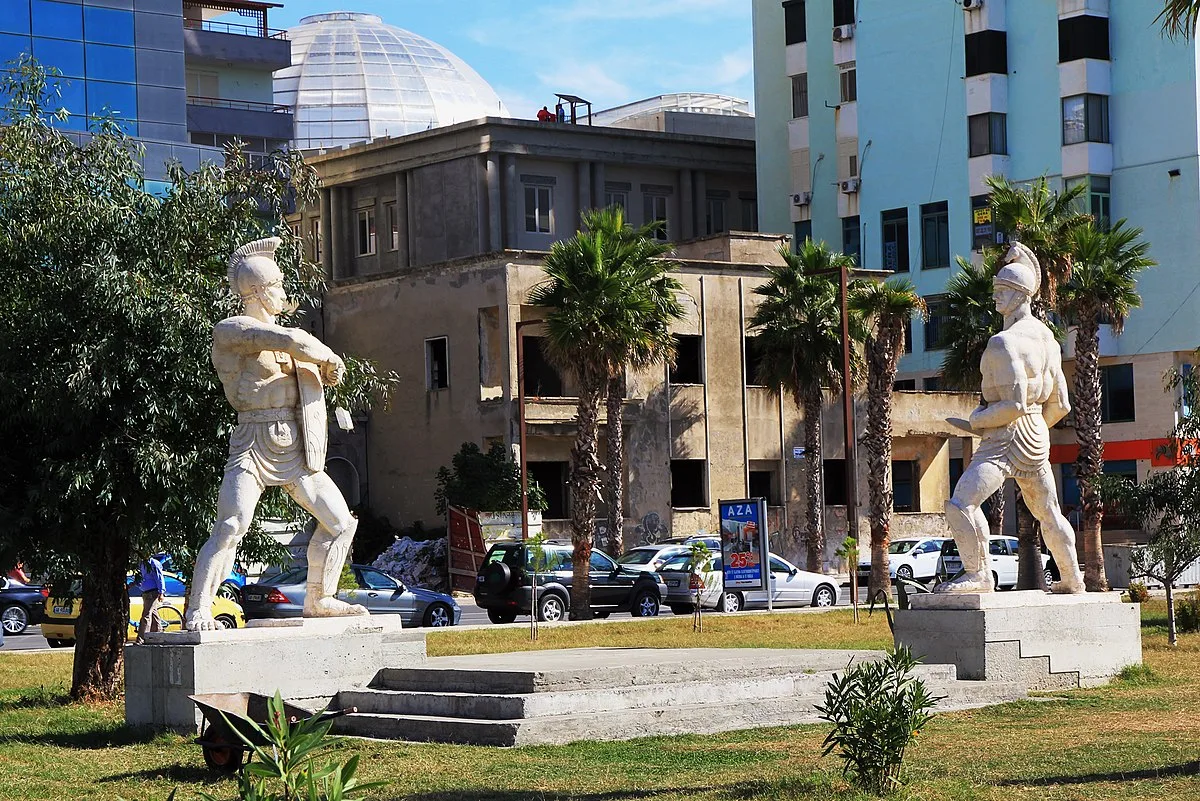
Founded by colonists from Corinth and Corcyra (modern Corfu) in cooperation with the Taulantii, an Illyrian tribe. Named Epidamnos, it quickly grew into one of the wealthiest Greek colonies on the Adriatic — a maritime powerhouse whose internal conflict between oligarchs and democrats famously triggered the Peloponnesian War described by Thucydides. The city minted its own coins, built temples to Aphrodite, and established trade routes that reached deep into the Balkan interior.
 229 BC
Roman Dyrrachium
After the Illyrian Wars, Rome took control and renamed the city Dyrrachium — finding the old name inauspicious because of its resemblance to the Latin word damnum ("loss"). Emperor Augustus elevated it to a colony, and the city flourished as the western terminus of the Via Egnatia, the 1,120-kilometre highway connecting the Adriatic to Constantinople. Julius Caesar and Pompey fought a pivotal battle near the city walls in 48 BC, and the poet Catullus called Durrës "the tavern of the Adriatic" for its cosmopolitan energy.
2nd Century ADThe Golden Age
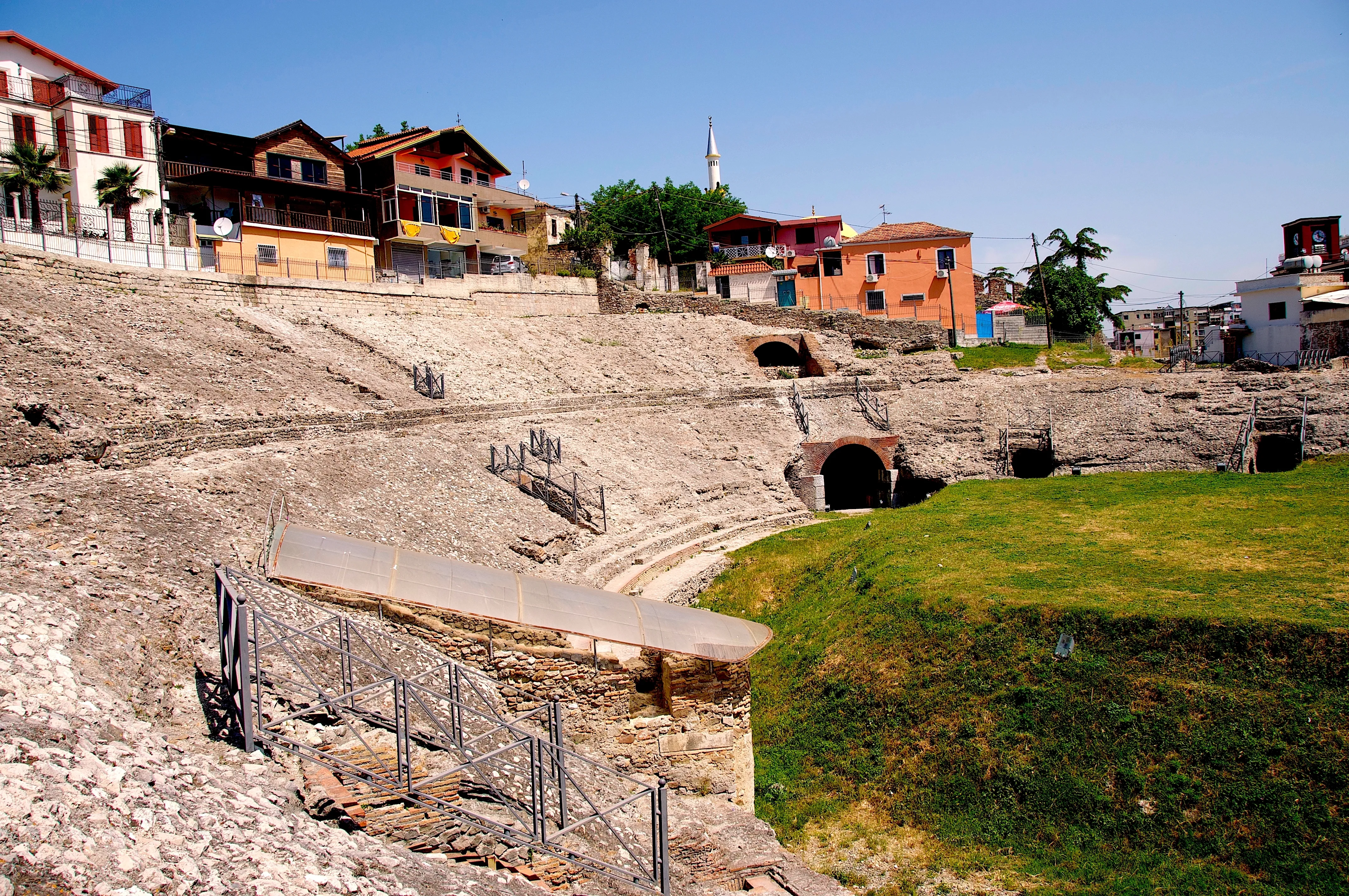
Emperor Trajan commissioned the amphitheatre — the largest in the entire Balkan Peninsula — with dimensions of 132 × 113 metres and capacity for 20,000 spectators. Gladiatorial combat, public spectacles, and cultural events drew crowds from across the Roman Empire's eastern provinces. The city was also a major centre of Venus worship, with temples, mosaics, and miniature statues of the goddess found throughout the ancient city. An earthquake in 345 AD damaged the arena; an early Christian chapel with stunning mosaics was later built inside.
 4th–15th Century
Byzantine & Venetian Stronghold
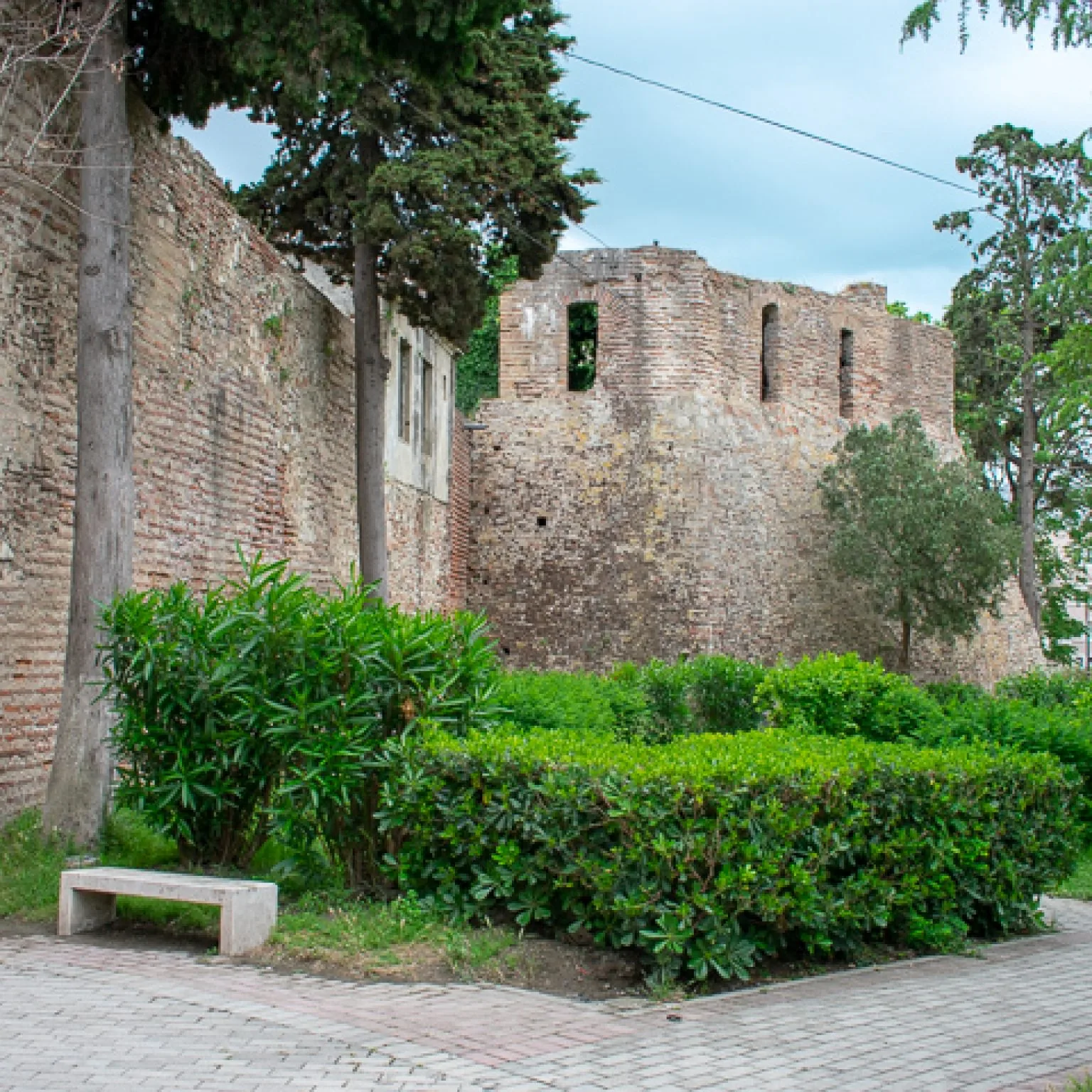
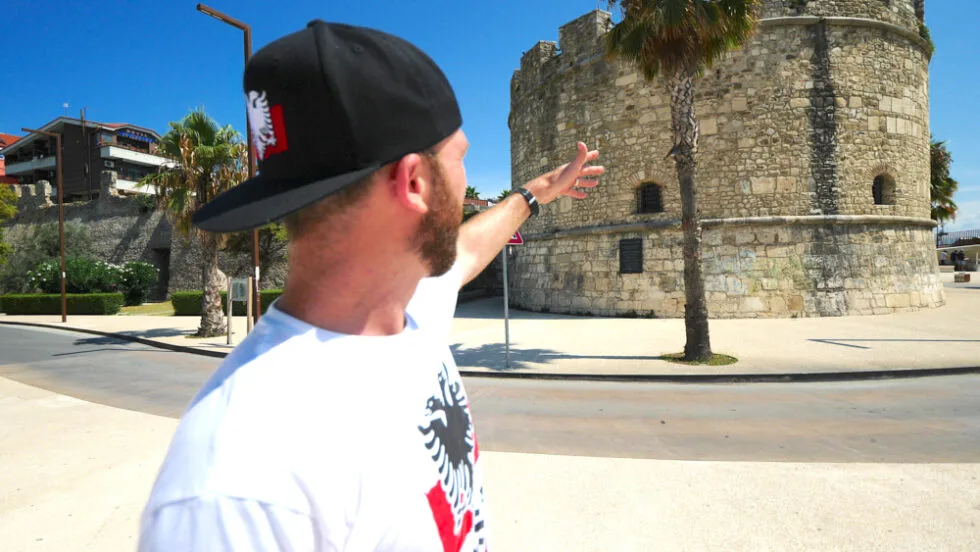
Under Byzantium, Durrës became the capital of Nova Epirus and was fortified with massive walls by Emperor Anastasius I — so thick that, according to the historian Anna Komnene, "four horsemen could ride abreast on top of them." The city endured sieges by Goths, Normans, and Slavs. The Venetians took control from 1392 to 1501, building the iconic round tower that still guards the harbour entrance — 16 metres in diameter and over 9 metres tall, it was the city's primary coastal defence.
 1501–1912
Ottoman Era
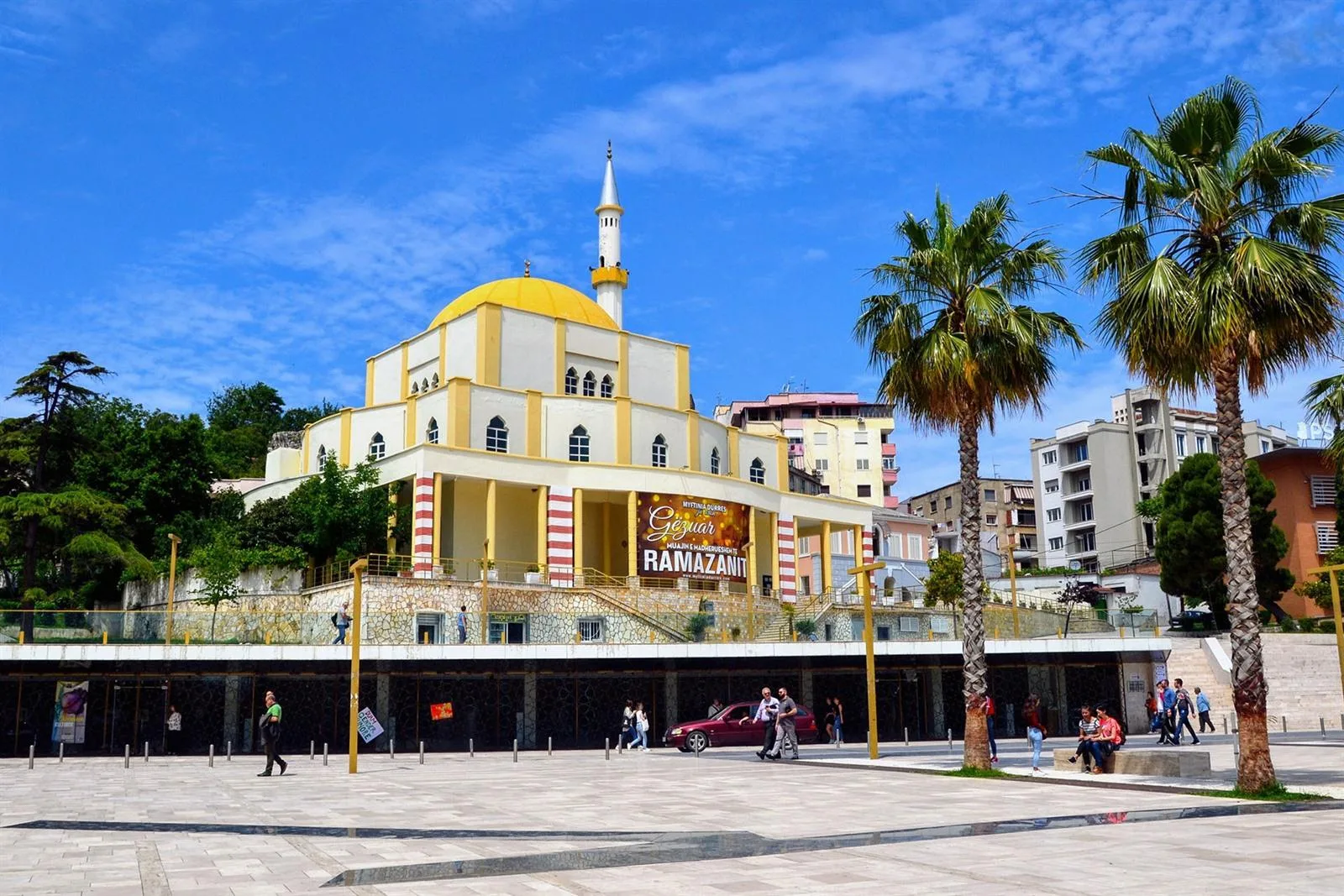
Over four centuries of Ottoman rule transformed the city's character. Mosques, minarets, bazaars, and hammams blended with Byzantine and Venetian ruins. The 16th-century Well of Tophane, the Fatih Sultan Mehmet Mosque, and the Great Mosque (rebuilt in 1931 with its distinctive golden dome) are enduring legacies of this period. Through it all, Durrës remained Albania's most important port, connecting the country to Mediterranean trade.
1912–PresentModern Durrës
Albania declared independence in 1912, and Durrës briefly served as the capital from 1914 to 1920. King Zog I built his summer villa overlooking the Adriatic in 1937. On April 7, 1939, Italian troops stormed the port — the fighting was fierce enough that Mussolini immediately ordered the harbour washed to hide the bloodshed. After five decades of communist isolation, Durrës re-emerged in the 1990s as Albania's principal port city and has grown into the country's most popular coastal destination, with millions visiting each year.
Landmarks & Attractions
From the Balkans' largest Roman amphitheatre to Byzantine walls thick enough for four horsemen — Durrës is an open-air museum you can explore in a single day.
Roman Amphitheatre
The largest amphitheatre in the Balkans, built in the 2nd century AD under Emperor Trajan. Dimensions: 132 × 113 metres. Capacity: 20,000 spectators. It hosted gladiatorial combat for over two centuries before an earthquake in 345 AD. Rediscovered only in 1966 when a local resident was digging foundations for his house. Inside, you'll find early Christian mosaics and a chapel with frescoes from the 4th–6th century. On Albania's UNESCO tentative list.
Durrës Castle & Venetian Tower
The 5th-century Byzantine walls — commissioned by Emperor Anastasius I — once encircled the entire city. About a third of the original walls survive today, standing nearly 5 metres high with three entrance towers intact. The iconic Venetian Tower, added in the 15th century, is 16 metres in diameter and one of Albania's most photographed landmarks. The espresso you'll drink at its base might be the best on the coast.
Archaeological Museum
Albania's largest archaeological museum, established in 1951, houses over 2,400 artifacts spanning 3,000 years. Highlights include "The Beauty of Durrës" — a stunning 17×10 foot elliptical mosaic — miniature Venus busts, Roman funeral steles, gold jewellery, amphoras recovered from the seafloor still encrusted with barnacles, and original milestone markers from the Via Egnatia.
Great Mosque & Byzantine Forum
The Durrës Great Mosque, rebuilt in 1931 with its striking golden dome and minaret, is a landmark on Freedom Square. Nearby, the 6th-century Byzantine Forum was the city's commercial and social heart. The early Christian chapel inside the amphitheatre — with Albania's finest surviving mosaics — rounds out a walk through centuries of spiritual architecture.
Port of Durrës & Waterfront
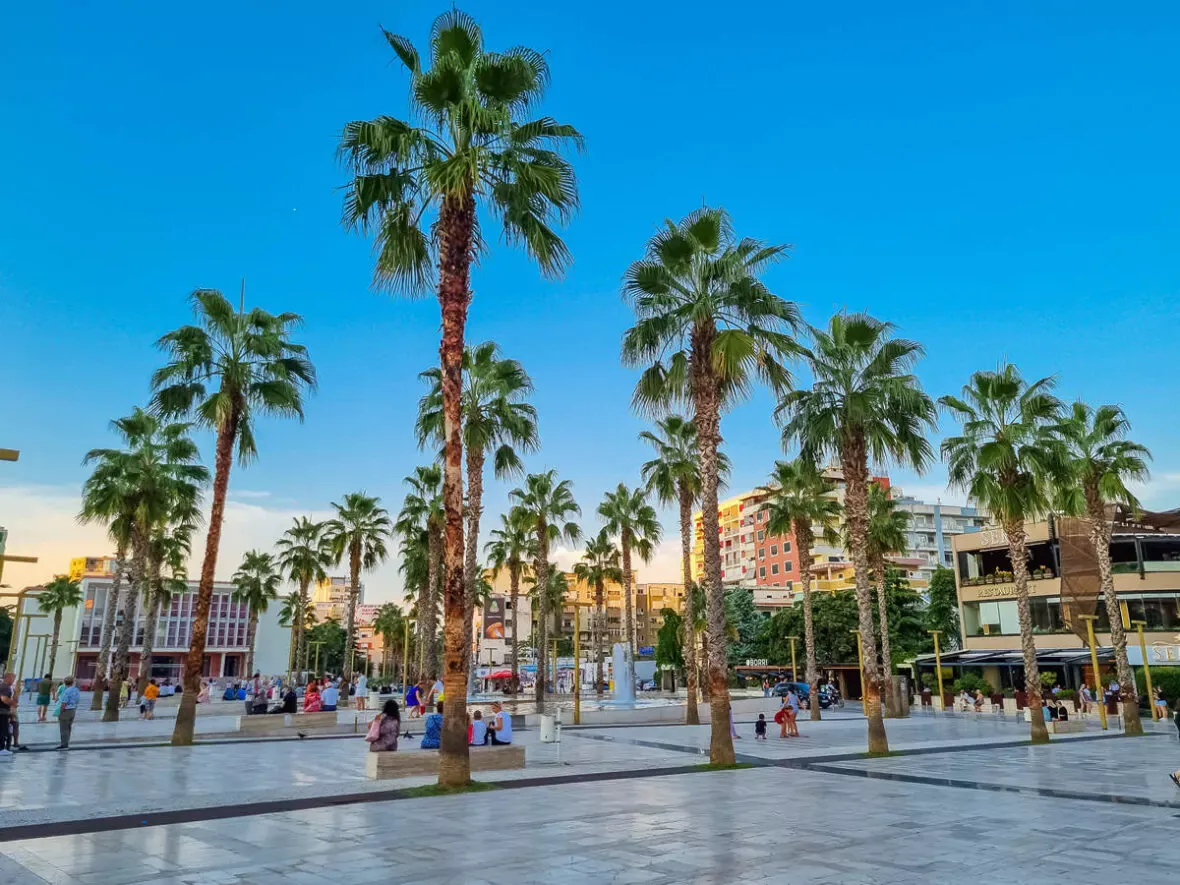
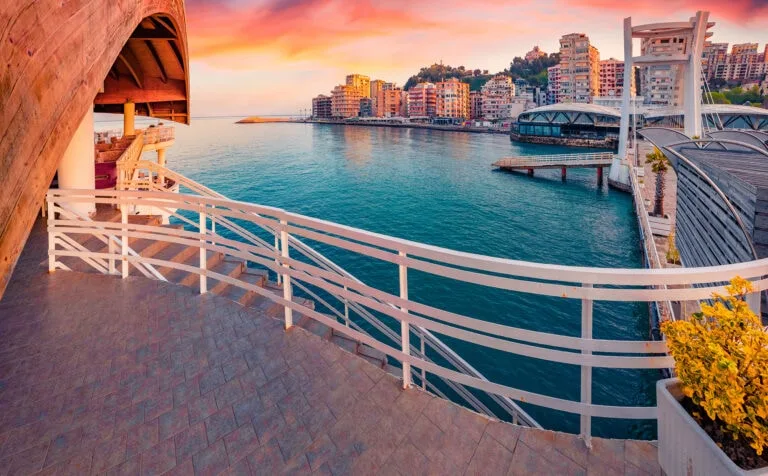
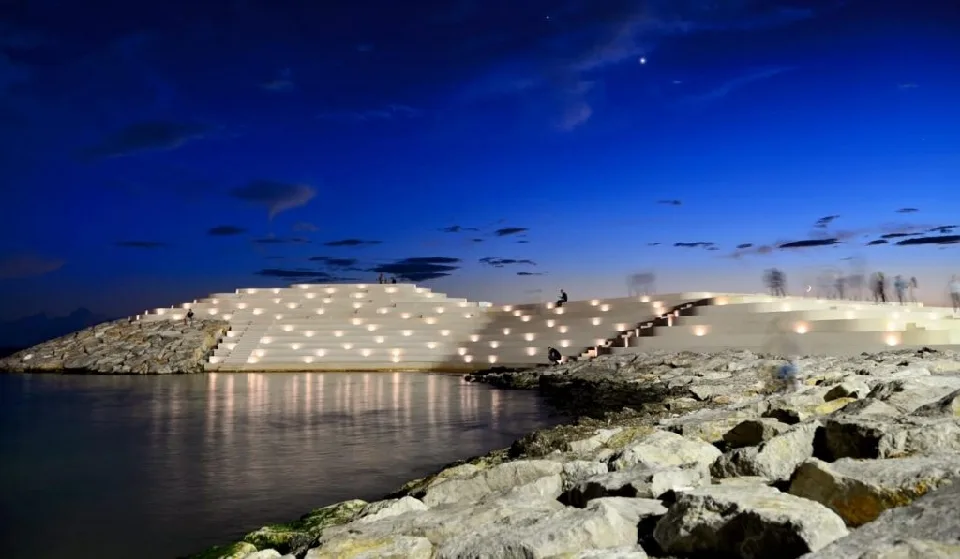
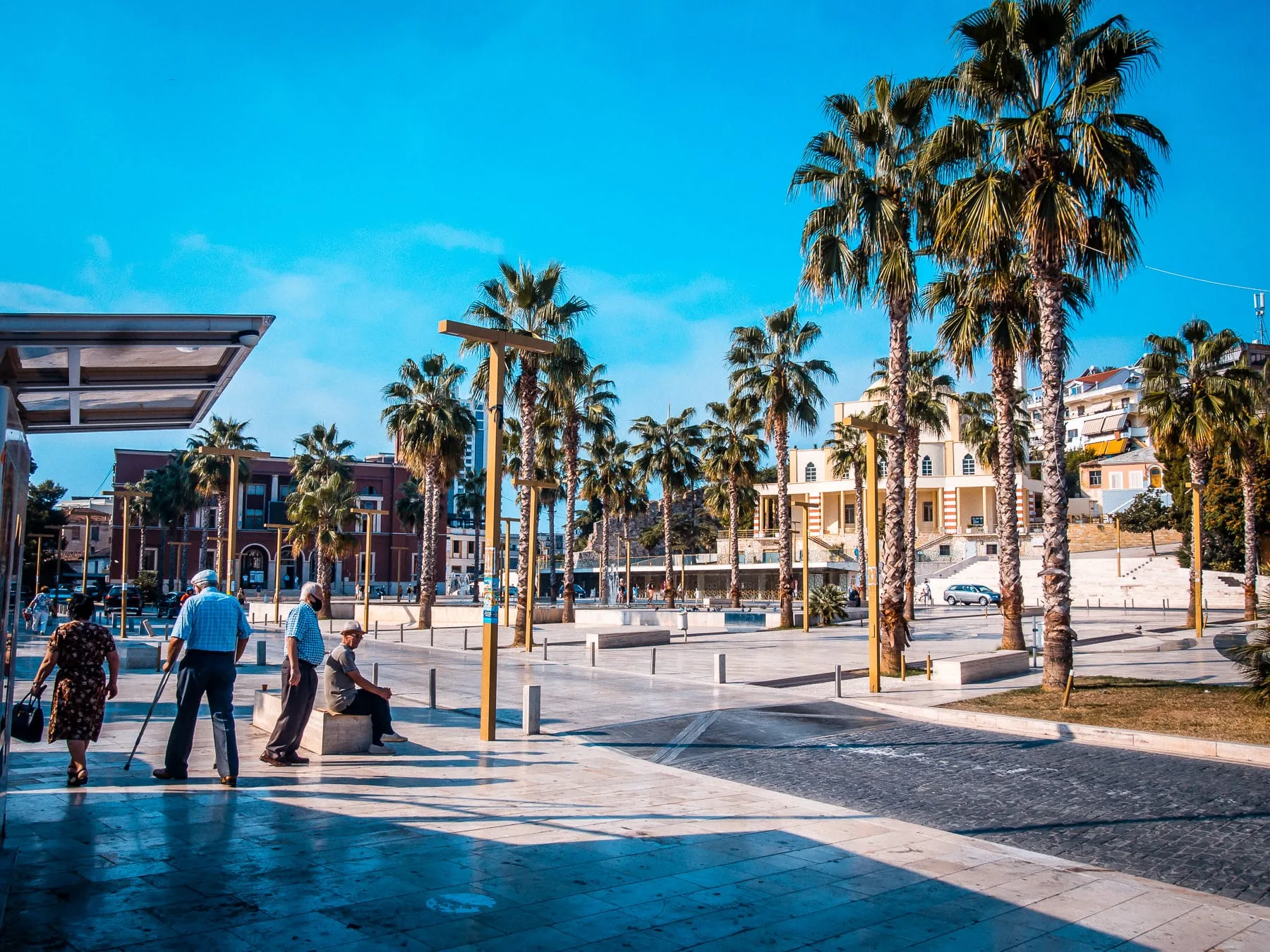
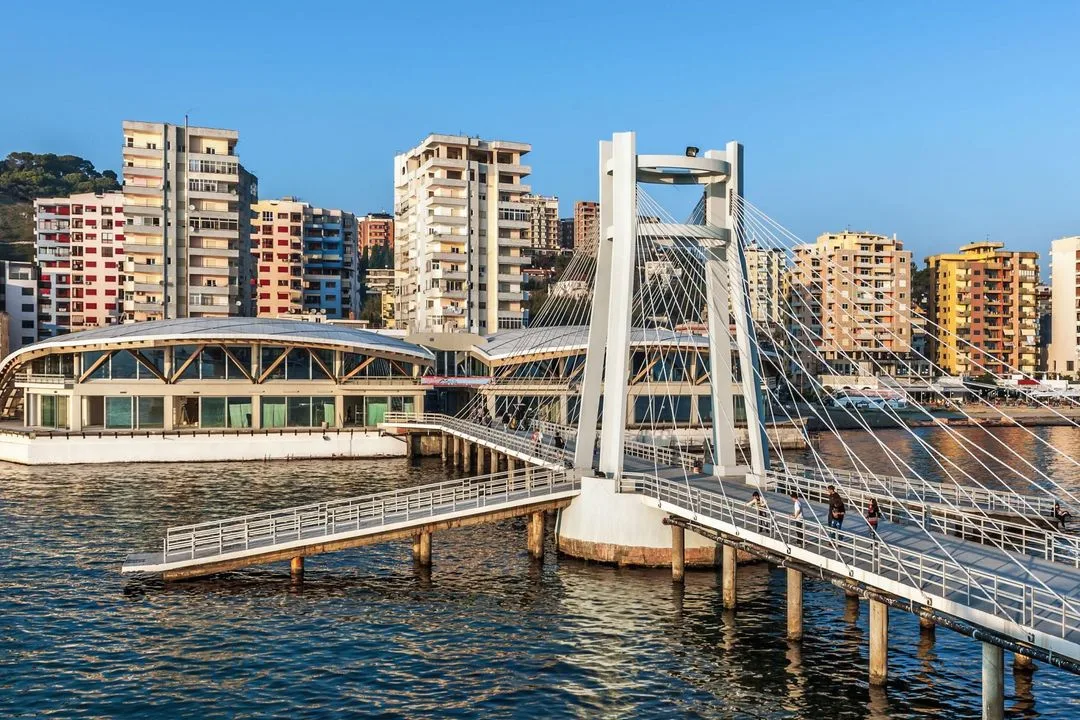
Albania's largest port has connected the country to the Mediterranean for millennia. The modern waterfront promenade stretches along the coast with palm-lined walkways, seaside cafés, and the illuminated pier at night. The port still handles ferries to Italy (Bari and Ancona), making it a gateway for visitors arriving by sea.
Old Town & Italian Architecture
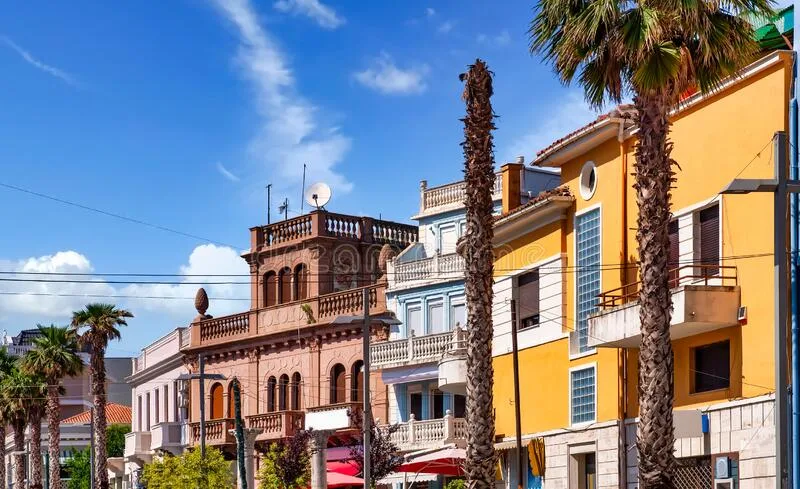
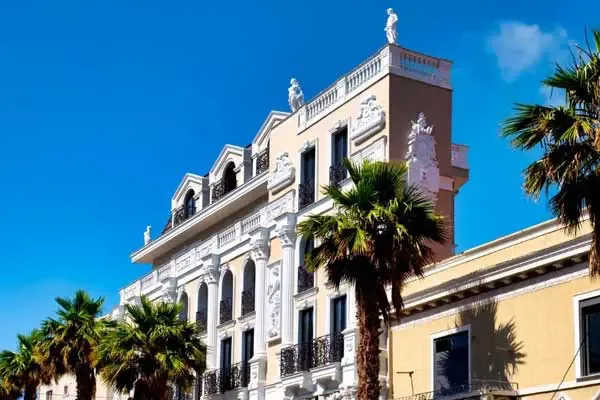
Durrës' Old Town reveals layer upon layer of history in its streets. Colourful Italian-era buildings with ornate balconies and carved facades line the main boulevards — built during the brief Italian presence in the early 20th century. Behind them, Ottoman-era alleyways wind past Byzantine wall fragments. The city centre is compact and walkable — every corner holds a surprise.
15 Kilometres of Adriatic Beaches
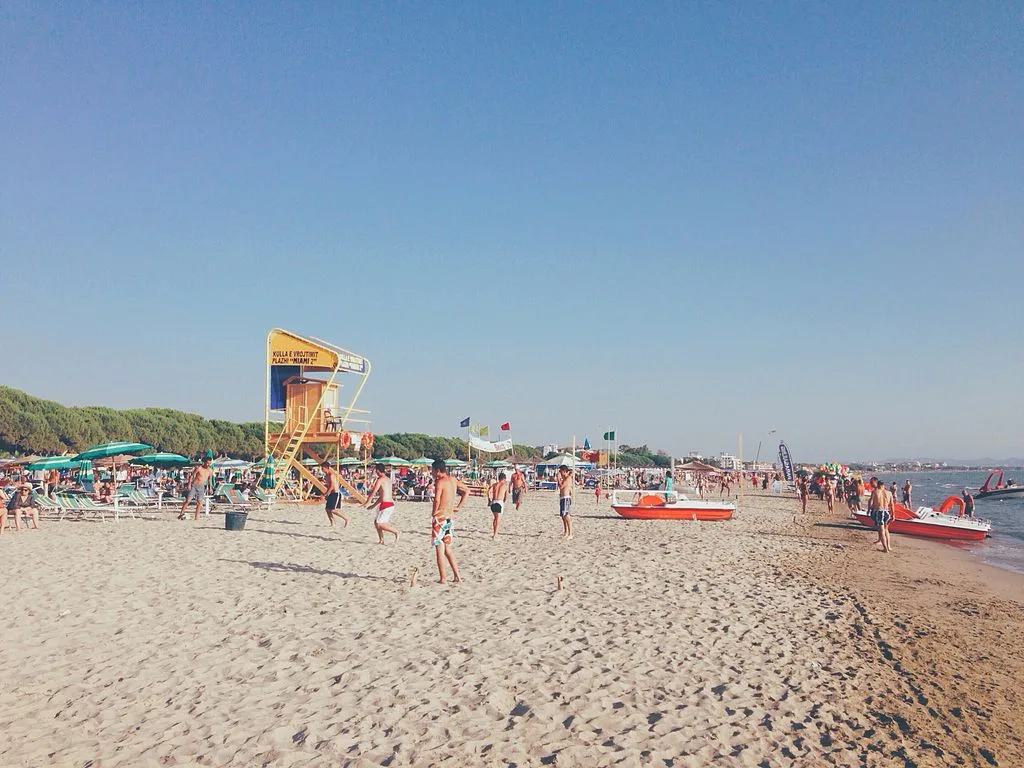
Durrës boasts one of the longest beach strips on the Albanian coast. From the lively city promenade to secluded pine-backed bays, there's a stretch of sand for every mood. The beach season runs from June to September, with warm, shallow waters ideal for swimming and water sports.
Durrës Beach Promenade
The main waterfront strip stretching along the city centre — perfect for evening strolls, seaside cafés, and watching the sunset over the Adriatic. In summer, the promenade comes alive with restaurants, ice cream stands, and families enjoying the warm evenings.
Golem Beach
The most popular sandy stretch south of the city centre, with shallow warm waters ideal for families. Lined with beach bars, restaurants, and resorts, Golem is where locals and tourists alike come for all-day beach sessions from June through September.
Generals Beach
A small, sheltered horseshoe bay south of the main beaches. Named after the communist-era generals who once had exclusive access, it's now open to everyone and is one of the most picturesque swimming spots near Durrës — with cleaner, calmer water than the city beaches.
Lalëz Beach
A broad, sandy bay north of Durrës with calm, shallow waters that extend far out. Less developed than the city beaches, Lalëz has a more relaxed, natural feel — perfect for children and anyone who prefers a quieter seaside experience.
Spille Beach
A pine-backed shoreline south of Golem known for excellent seafood restaurants right on the sand. Spille offers a quieter alternative to the main beaches while still being easily accessible from the city.
Food & Cuisine
Mediterranean seafood, Ottoman-influenced comfort food, and Italian flair — the kitchens of Durrës serve up some of Albania's most flavourful dishes.
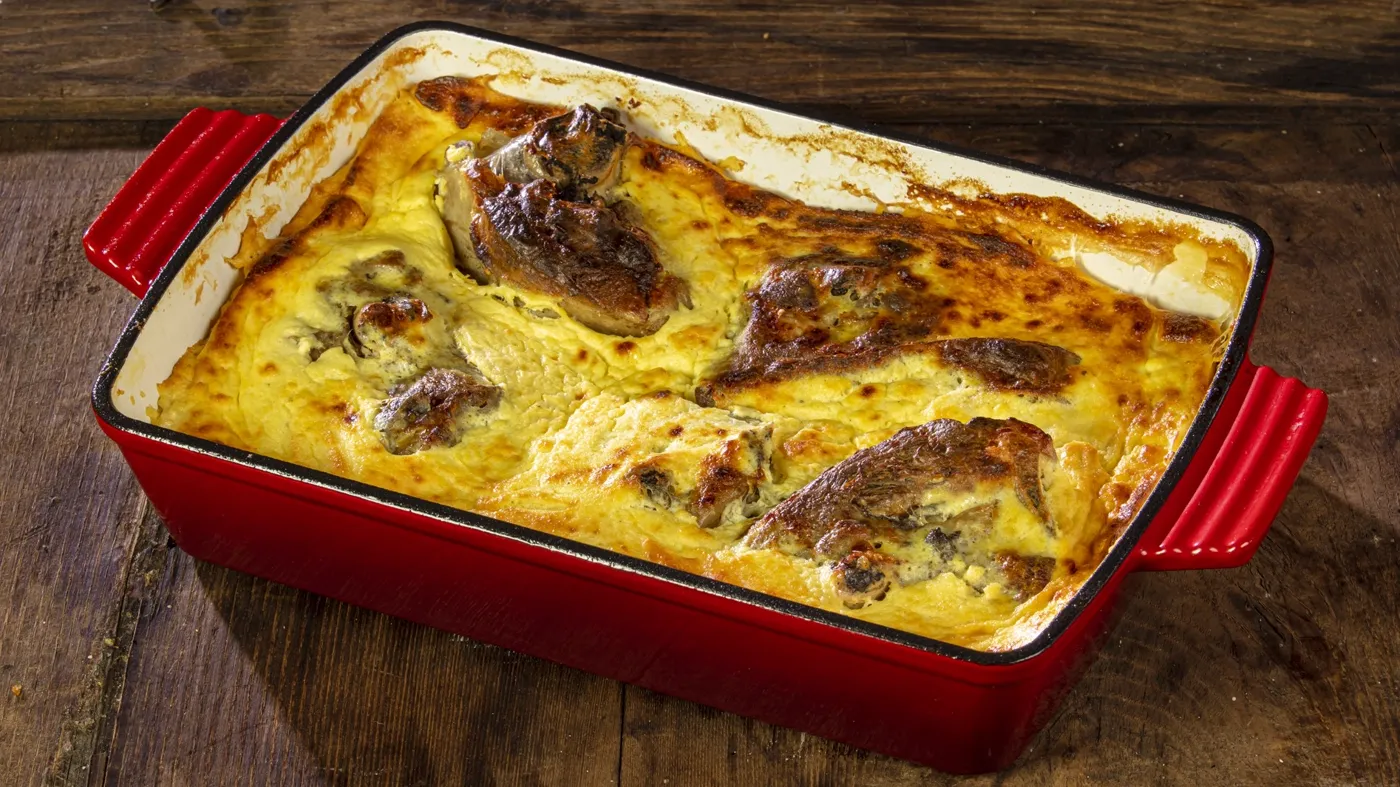
Tavë Kosi
Albania's national dish — tender lamb baked in a rich yoghurt and egg custard seasoned with garlic, paprika, and oregano. Served bubbling hot in a clay dish with crusty bread on the side. Every restaurant in Durrës has its own version.
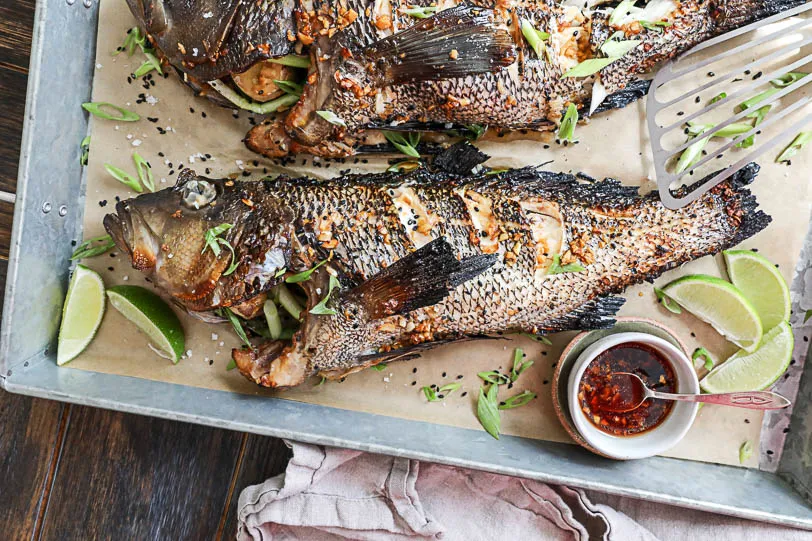
Fresh Grilled Fish
Durrës is the seafood capital of Albania. Whole sea bass, red mullet, or gilt-head bream grilled over charcoal with olive oil, lemon, and wild herbs — caught the same morning from the Adriatic. Best enjoyed with a glass of local white wine at a waterfront tavern.
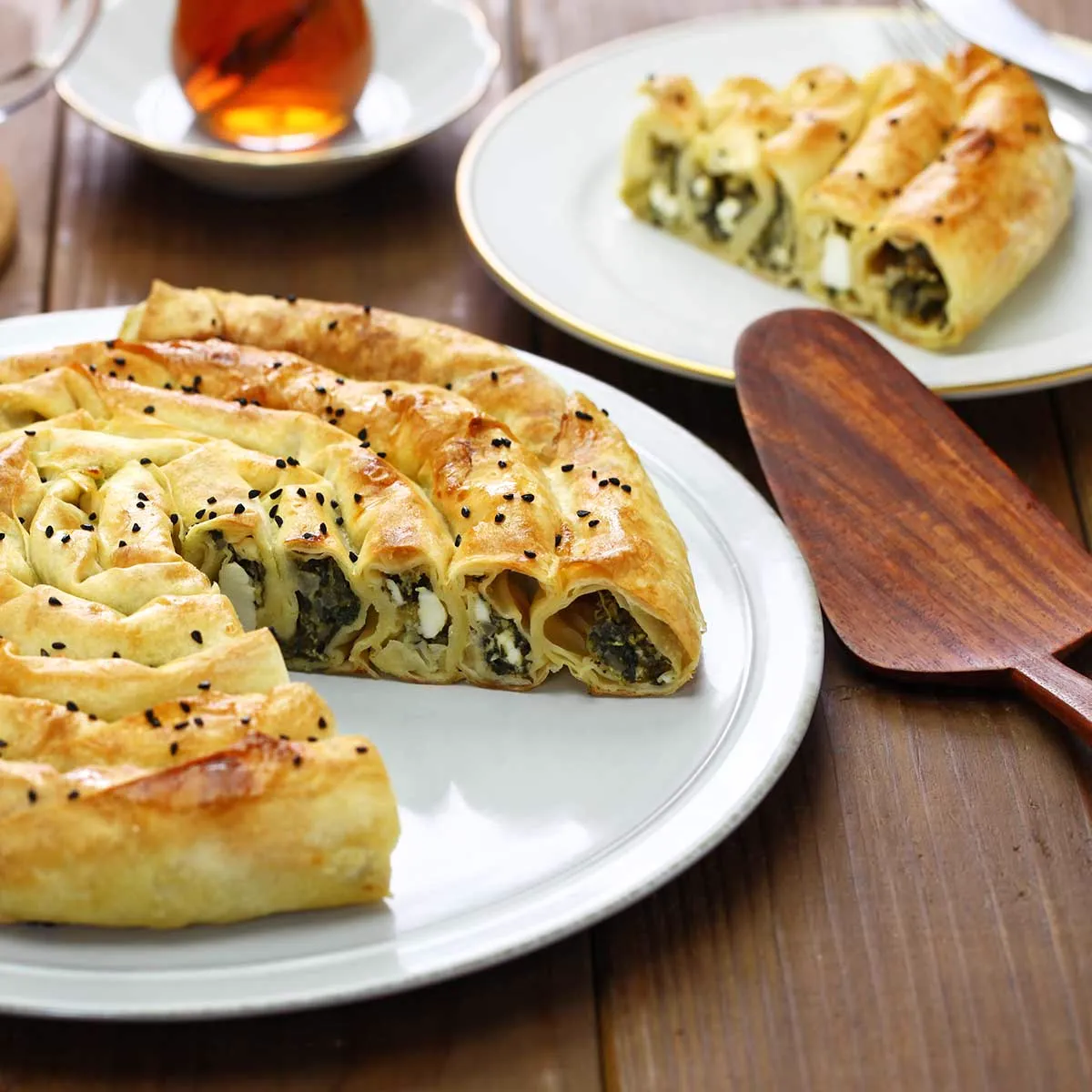
Byrek
Flaky layers of hand-stretched filo dough spiralled around spinach, feta cheese, or seasoned meat. The Old Town bakeries still use wood-fired ovens and recipes passed down through generations. Best eaten warm for breakfast with a macchiato.
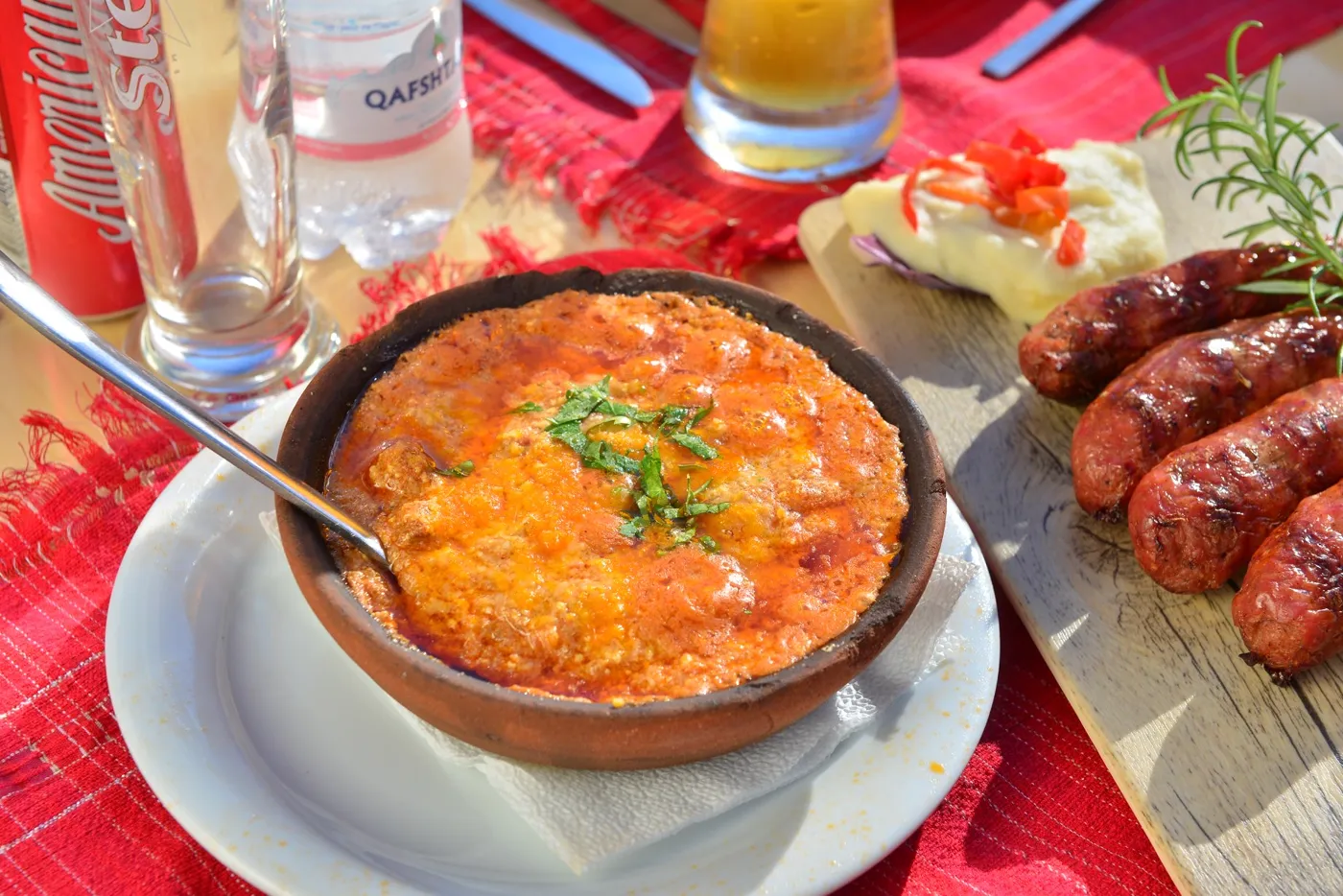
Fërgesë & Speca me Gjizë
Fërgesë is a hearty stew of roasted peppers, tomatoes, and cottage cheese — pure Albanian comfort food. Speca me gjizë (stuffed peppers with curd) is a colourful cousin. Both are scooped up with bread and served at every traditional restaurant.
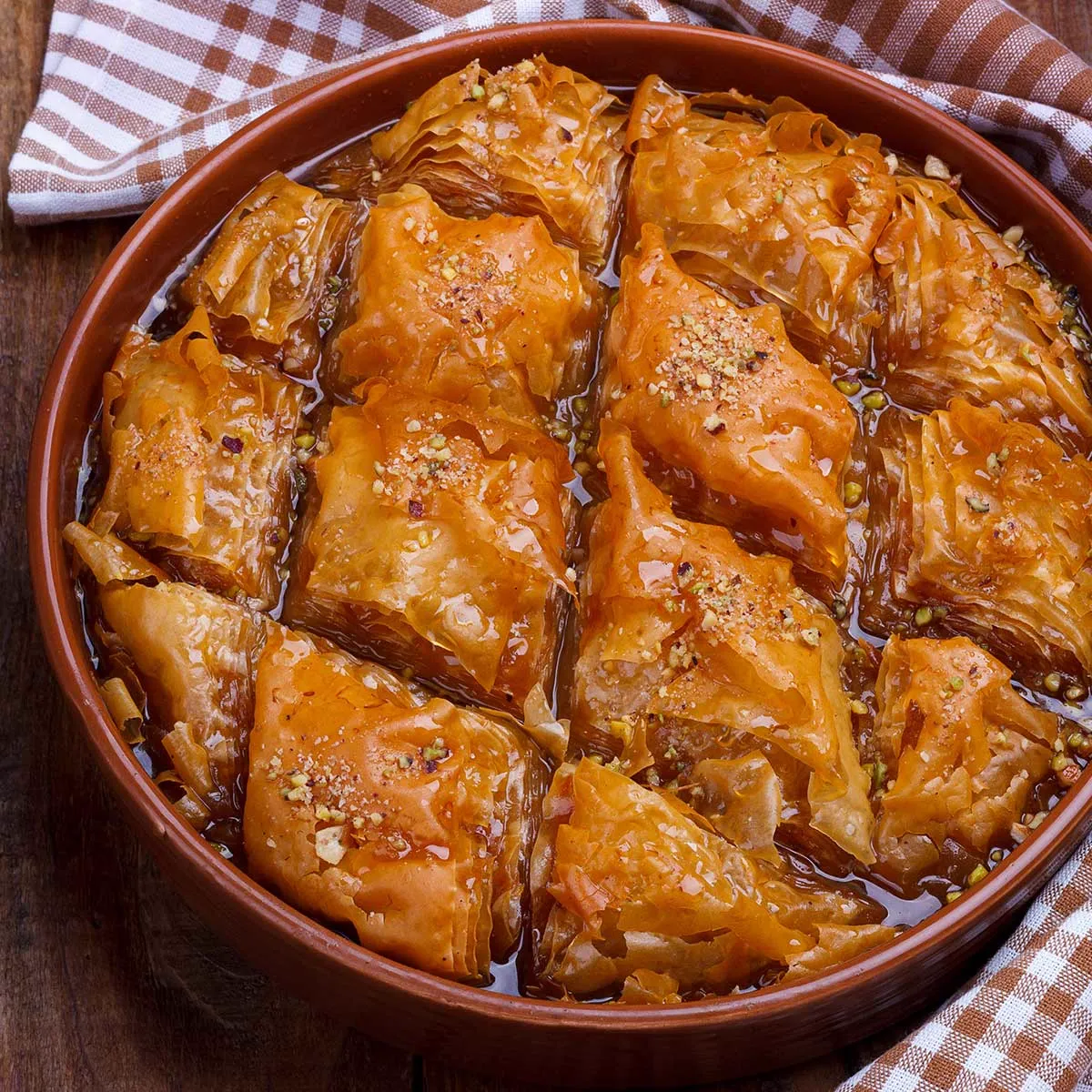
Baklava & Albanian Sweets
Layers of crisp filo pastry soaked in honey and studded with pistachios or walnuts. Albanian baklava is lighter and less sugary than its Turkish cousin. Every bakery has trays of it, and it's the traditional way to end a meal in Durrës.
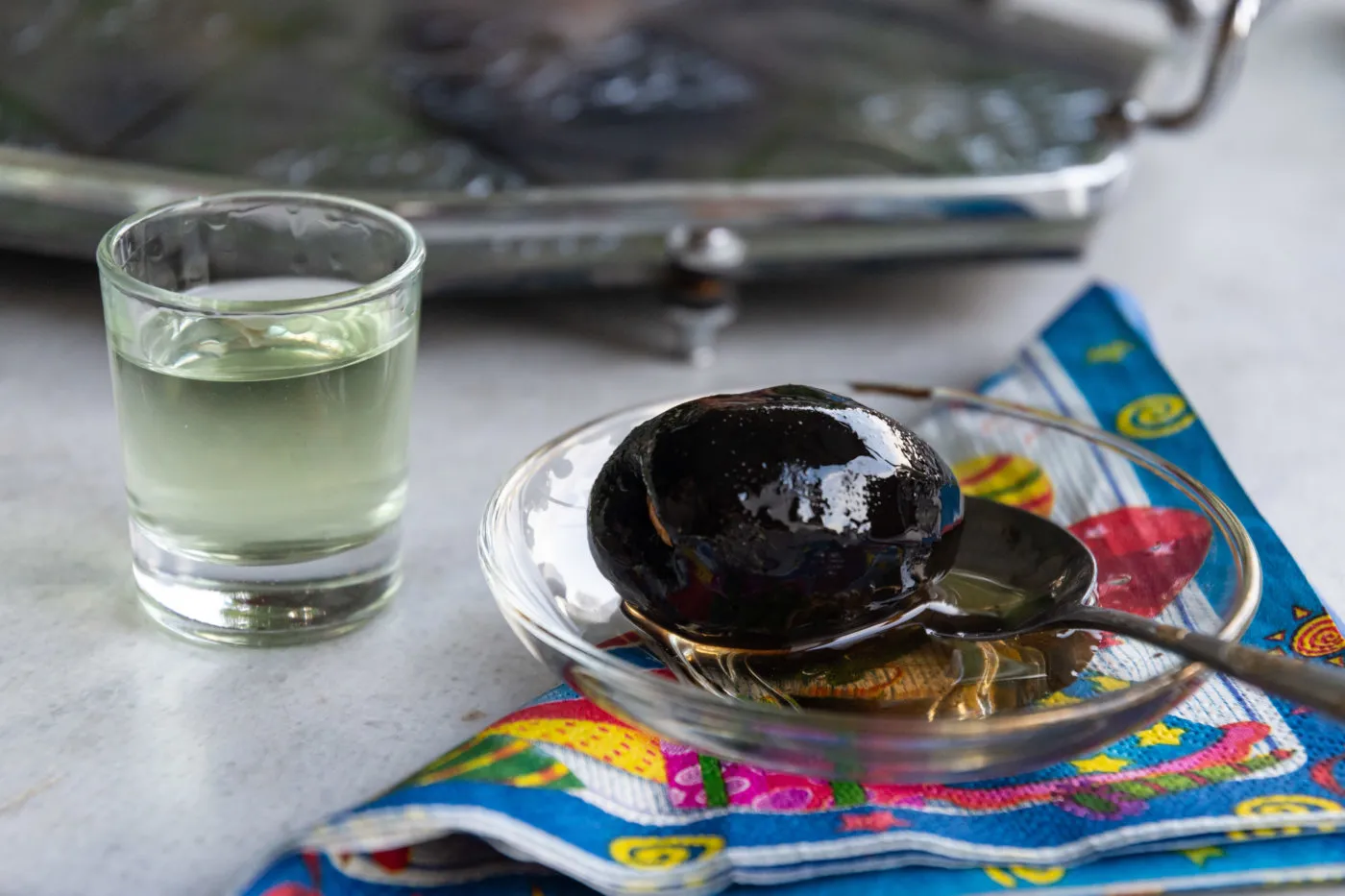
Raki & Local Wine
No meal ends without raki — the clear grape spirit offered as a sign of welcome. Refusing is considered rude. The vineyards around the region produce excellent wines from indigenous varieties like Kallmet (red) and Shesh i Bardhë (white) that are gaining international recognition.
Best Time to Visit Durrës
Durrës is a year-round destination, but each season brings a different character. Our recommendation: late May or September for the perfect balance of weather, prices, and crowd-free beaches.
Summer
June – August30–35°CPeak beach season with warm sea, beach parties, and open-air restaurants along the promenade. July and August are busiest — book early.
Spring
April – May18–25°CArguably the best time to visit. Wildflowers, comfortable temperatures, and empty beaches. Perfect for sightseeing and history tours.
Autumn
September – October20–28°CWarm sea, golden light, ripe figs and grapes everywhere. September still feels like summer without the peak-season crowds.
Winter
November – March5–15°CDurrës at its most local — cafés full of chess-playing regulars, empty beaches, and off-season prices a fraction of summer rates.
How to Reach Durrës
Durrës is just 35 minutes by car from Tirana International Airport (TIA), connected by a modern highway. We offer private airport transfers from €25 — your driver will be waiting at arrivals with your name on a sign.
From Tirana city centre, the drive takes about 40 minutes. Regular public buses and minibuses (furgons) also connect the two cities throughout the day for under €3.
Durrës is also a convenient day trip base for exploring Berat (1h 45min), Krujë (50 min), Elbasan (1h), and even the Albanian Riviera further south. The Port of Durrës handles ferries to Bari and Ancona in Italy, making it a gateway for visitors arriving by sea.
Tours in Durrës
Discover the amphitheatre underground, taste the Old Town's best seafood, or sail along the coast — all led by born-and-raised local guides.
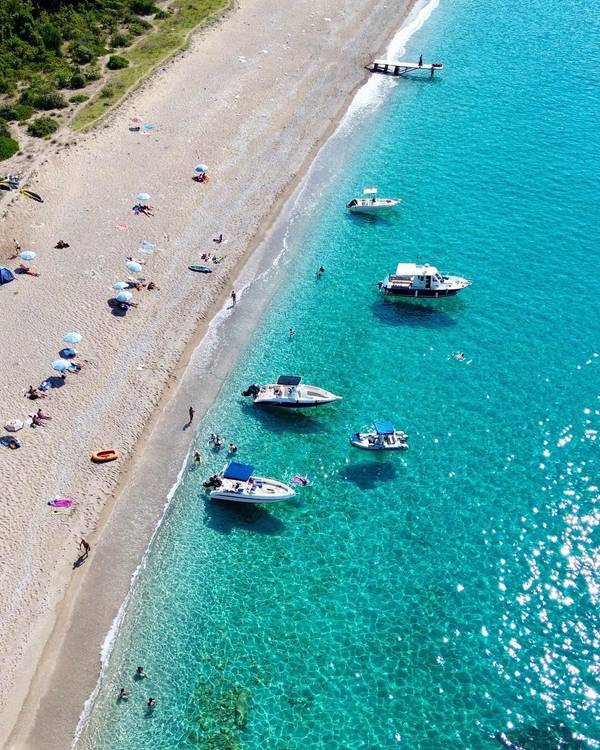 Coastal Tours
Blue Cave and Grama Bay Full-Day Speedboat Tour
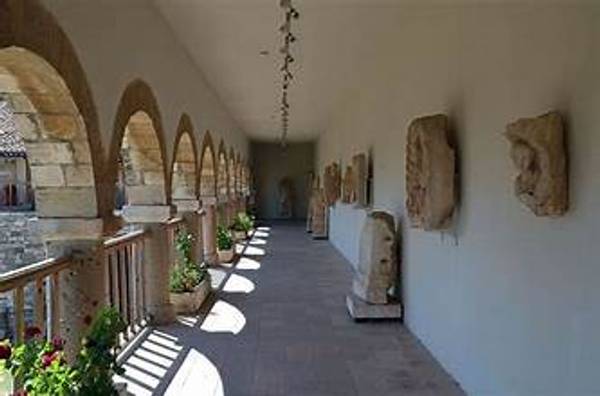 Cultural Tours
Apollonia Ruins, Ardenica Monastery & Slow Food
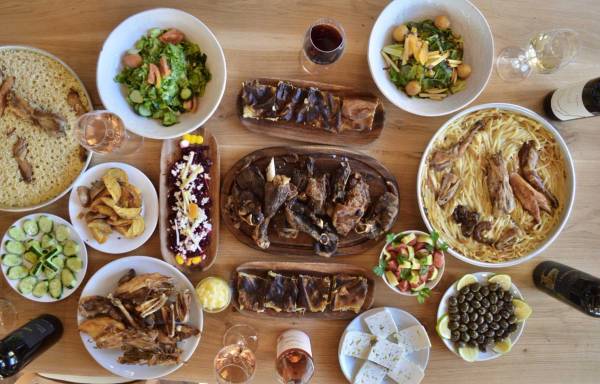 Cultural Tours
Berat & Local Wine Tasting Experience
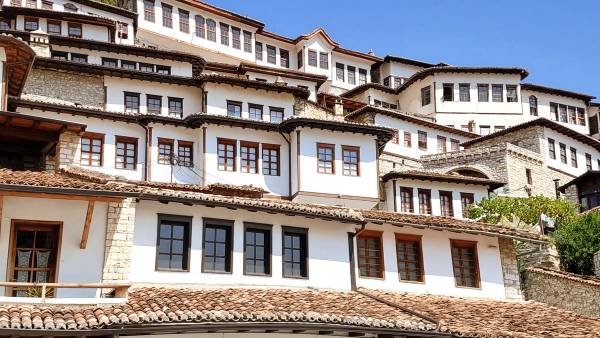 City Tours
Berat Castle, Local Family Visit Full Day Tour
 Adventure Tours
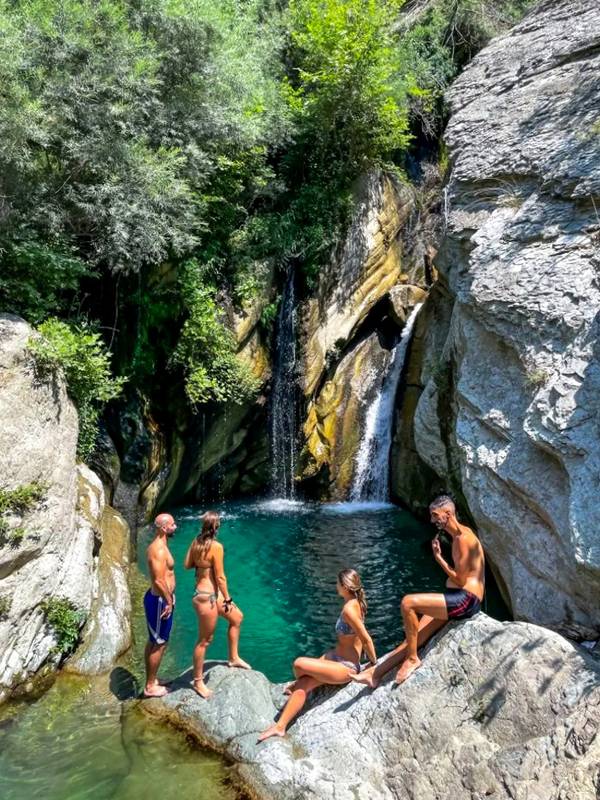
Bogova Waterfall & Berat Castle Day Trip from Durres
 Cultural Tours
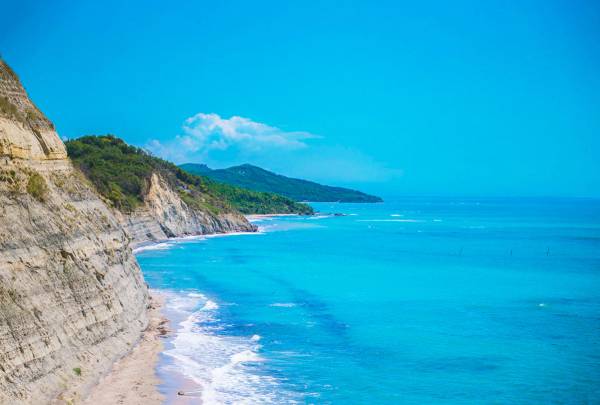
Cape of Rodon & Communist Bunkers Trip From Durres
 Cultural Tours
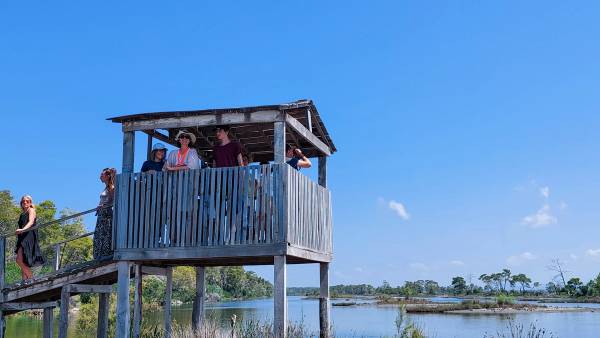
Divjakë-Karavasta National Park, Lagoon Boat & Beach from Durres/Golem
 Coastal Tours
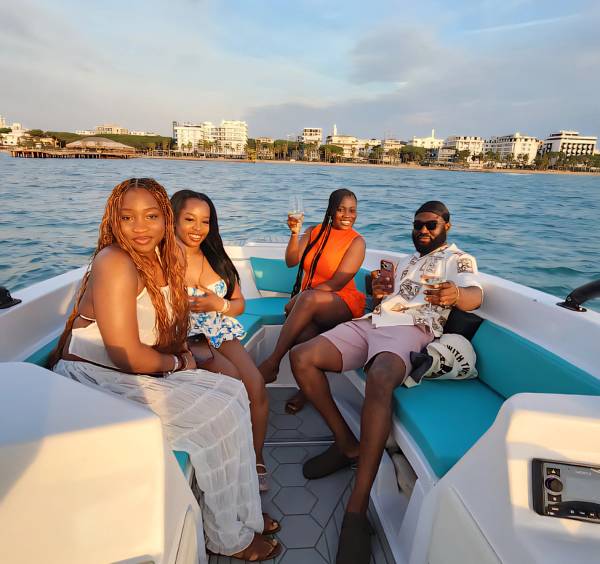
Durres Adriatic Boat Tour with Shipwreck Snorkeling & Beach Swim (1.5h)
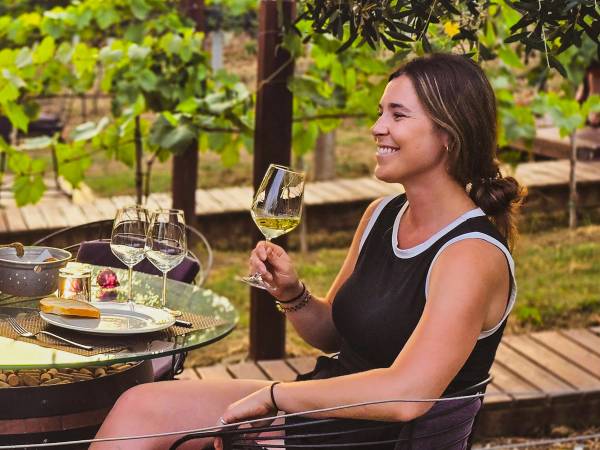 Food & Wine
Durres Countryside Vineyards Wine Tasting & Food Pairing
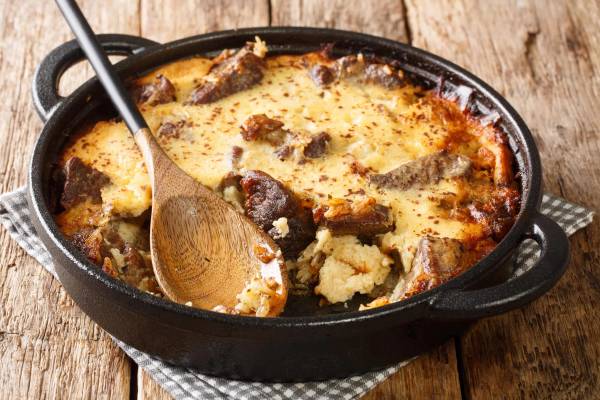 City Tours
Durrës Local Food Experience & City Walking Tour
 Food & Wine
Durrës Vineyard Wine Tasting, Local Food & Lake Boat Tour.
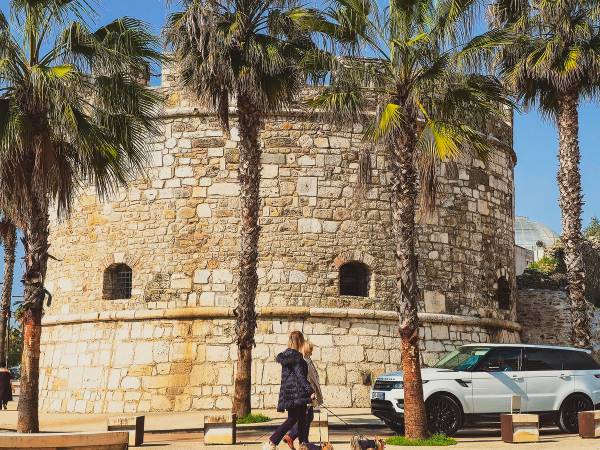 City Tours
Durrës Walking Tour of Roman Ruins, Old Town & Coastal Life
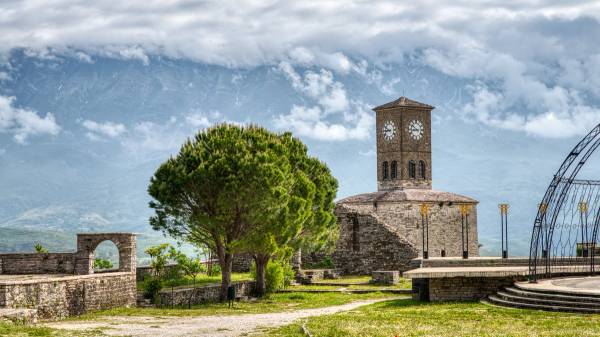 City Tours
Gjirokastër Tour & Cold War Tunnel Day Tour from Durres
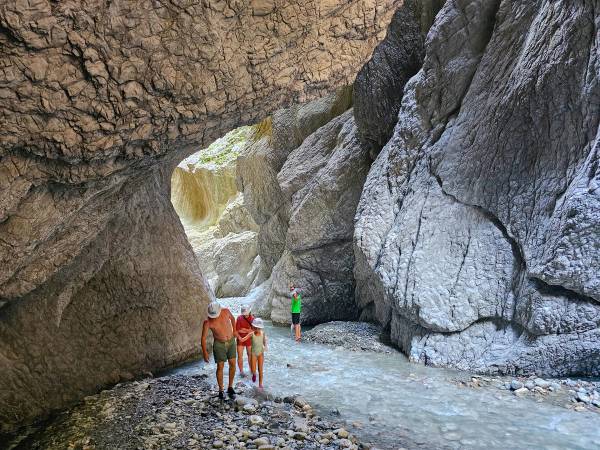 Nature Tours
Holta Canyon & Banja Lake Adventure Escape from Durres
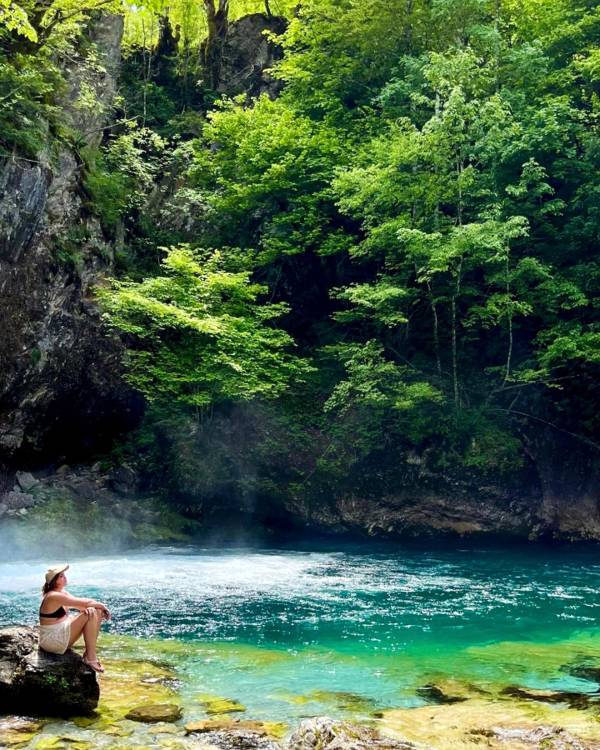 Nature Tours
Komani Lake & Shala River Day Tour from Durrës & Golem
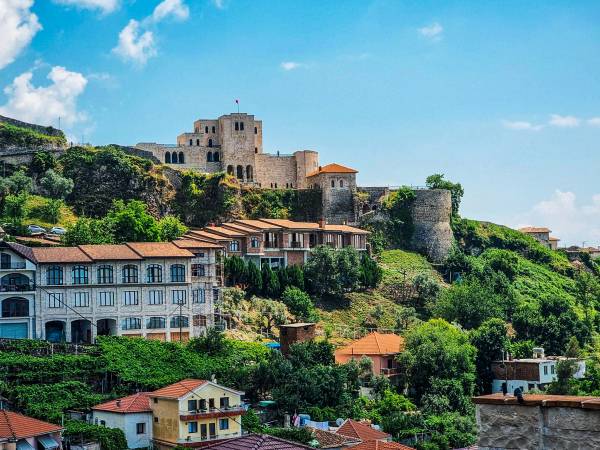 City Tours
Krujë Castle, Old Bazaar & Skanderbeg Museum Experience
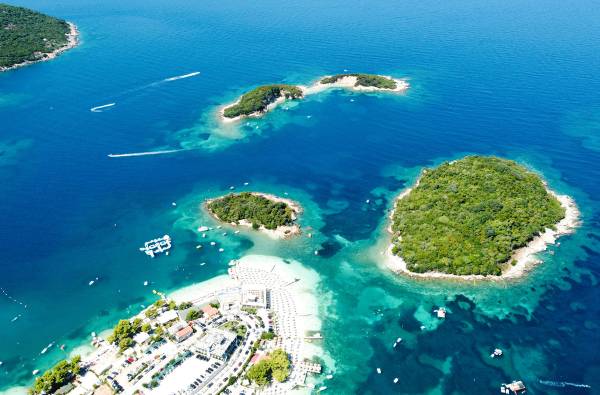 Coastal Tours
Ksamil, Saranda,, Blue Eye & Tepelena Waterfall Full-Day Tour from Durrës & Golem
 Nature Tours
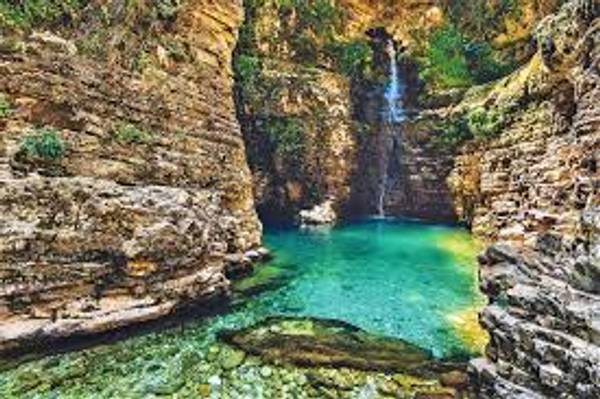
Peshtura Waterfall & Village Life Day Tour
 Adventure Tours
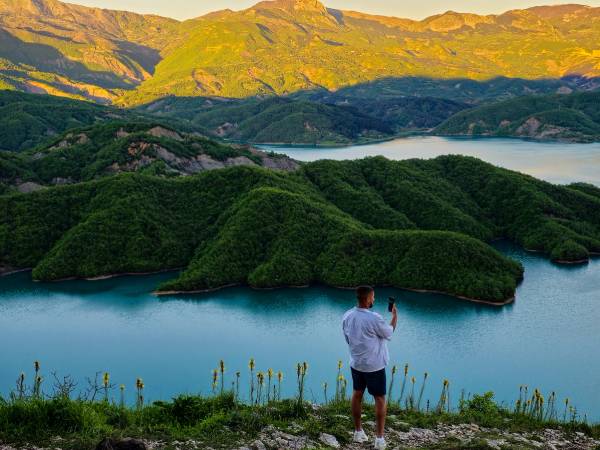
Private Bovilla Lake & Gamti Peak Sunset Adventure from Durrës & Golem
 Boat Tours
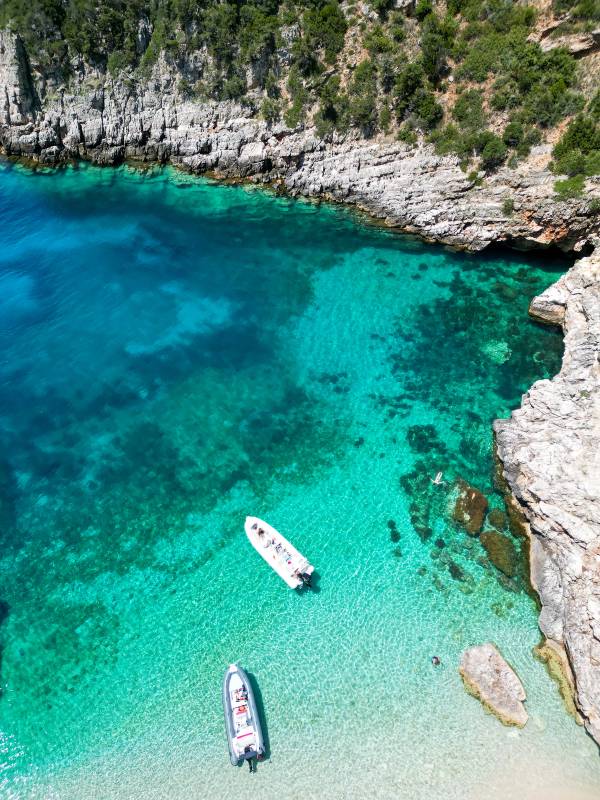
Sazan Island, Haxhi Ali Pirate Cave & Karaburun Speedboat Tour from Durres/Golem
 City Tours
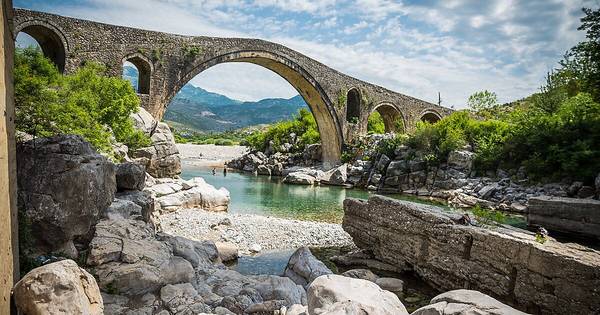
Shkodër & Mesi Bridge Day Trip from Durrës / Golem
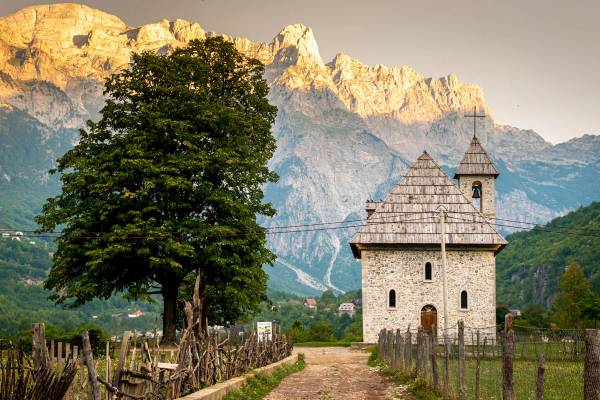 Nature Tours
Theth & Blue Eye Day Tour from Durrës – Albanian Alps Adventure
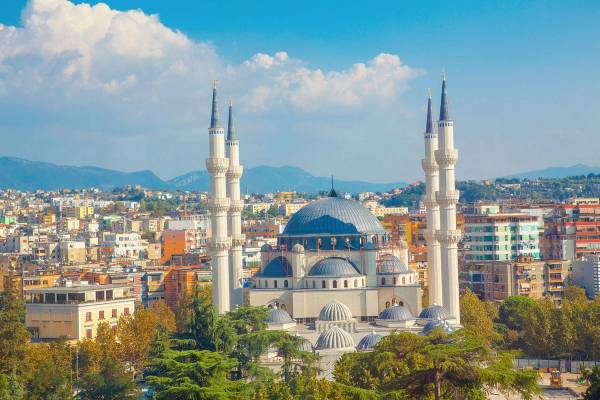 City Tours
Tirana Communist Past & City Highlights Day Tour
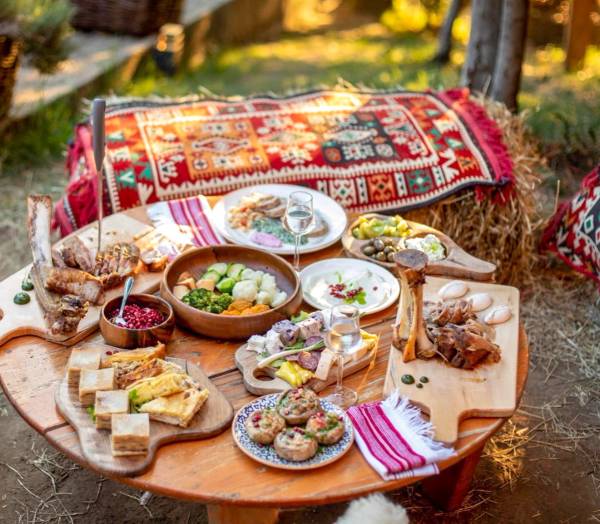 Food & Wine
Tirana Food & Culture Tour from Durrës with Traditional Tastings
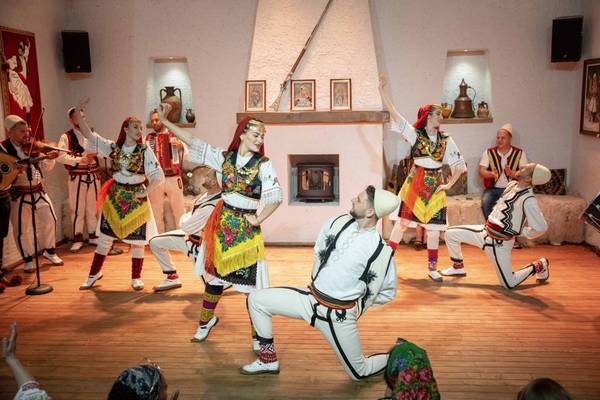 Cultural Tours
Tirana Night Cultural Dance & Music Albanian Experience
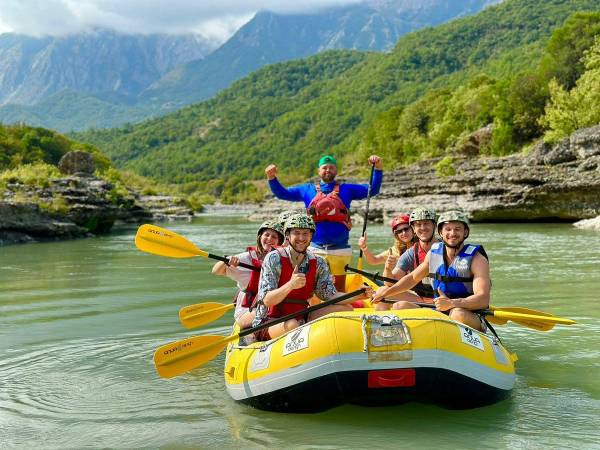 Nature Tours
Vjosa Rafting & Thermal Baths & Food Tasting
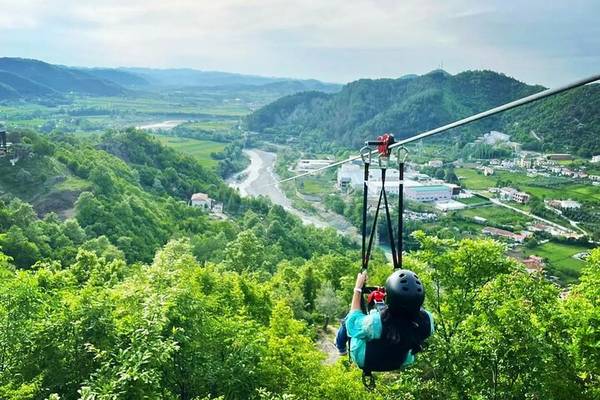 Adventure Tours
Zipline Albania & Petrelë Castle Views from Durrës / Golem
Ready to Explore Durrës?
Whether you want a guided history walk through the amphitheatre, a sunset boat trip along the coast, or a full-day culinary adventure — we'll make it happen.