Ksamil
Albania's Maldives — three tiny islands in turquoise water, next to Butrint's UNESCO ruins
The Maldives of Europe
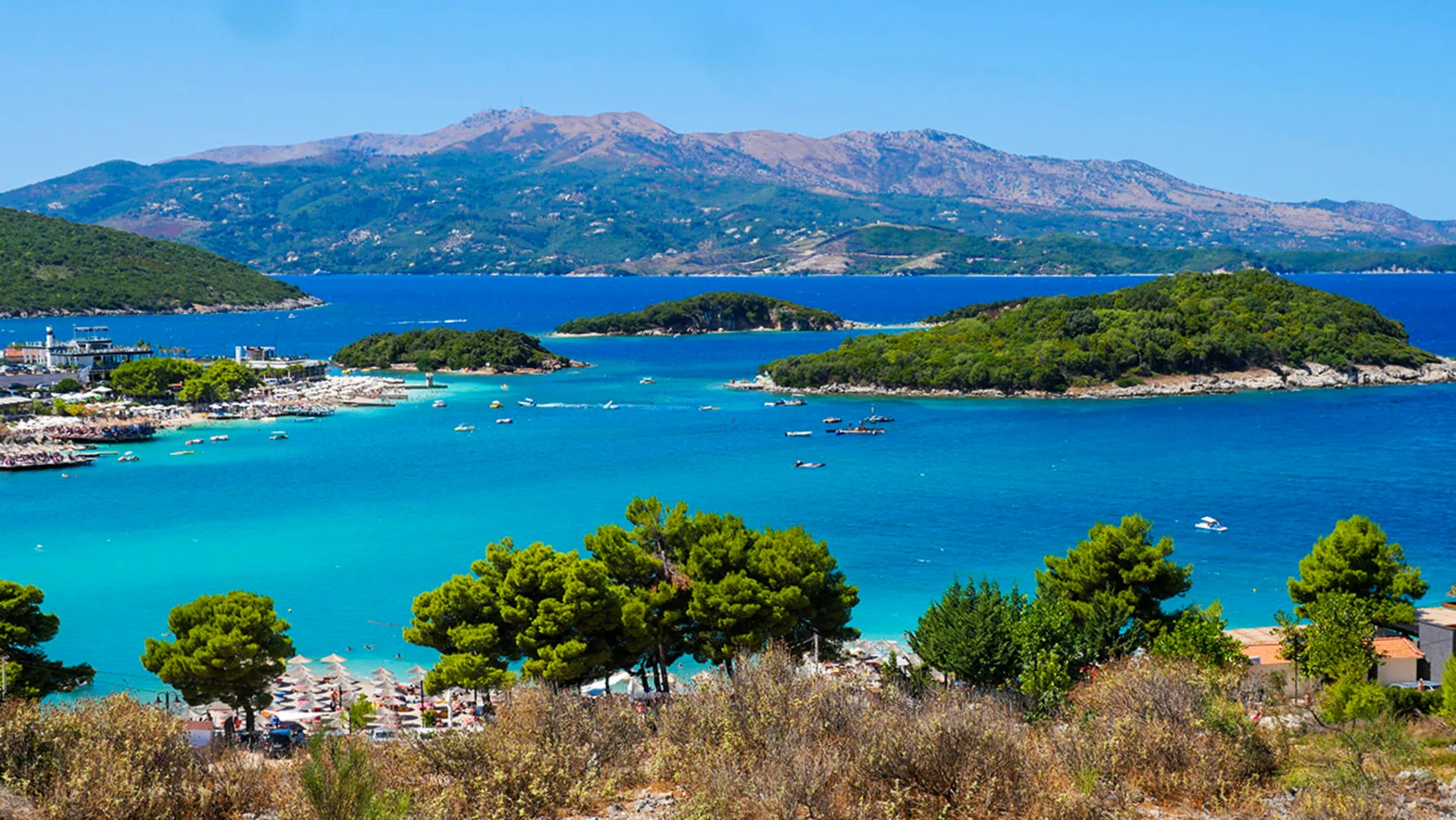
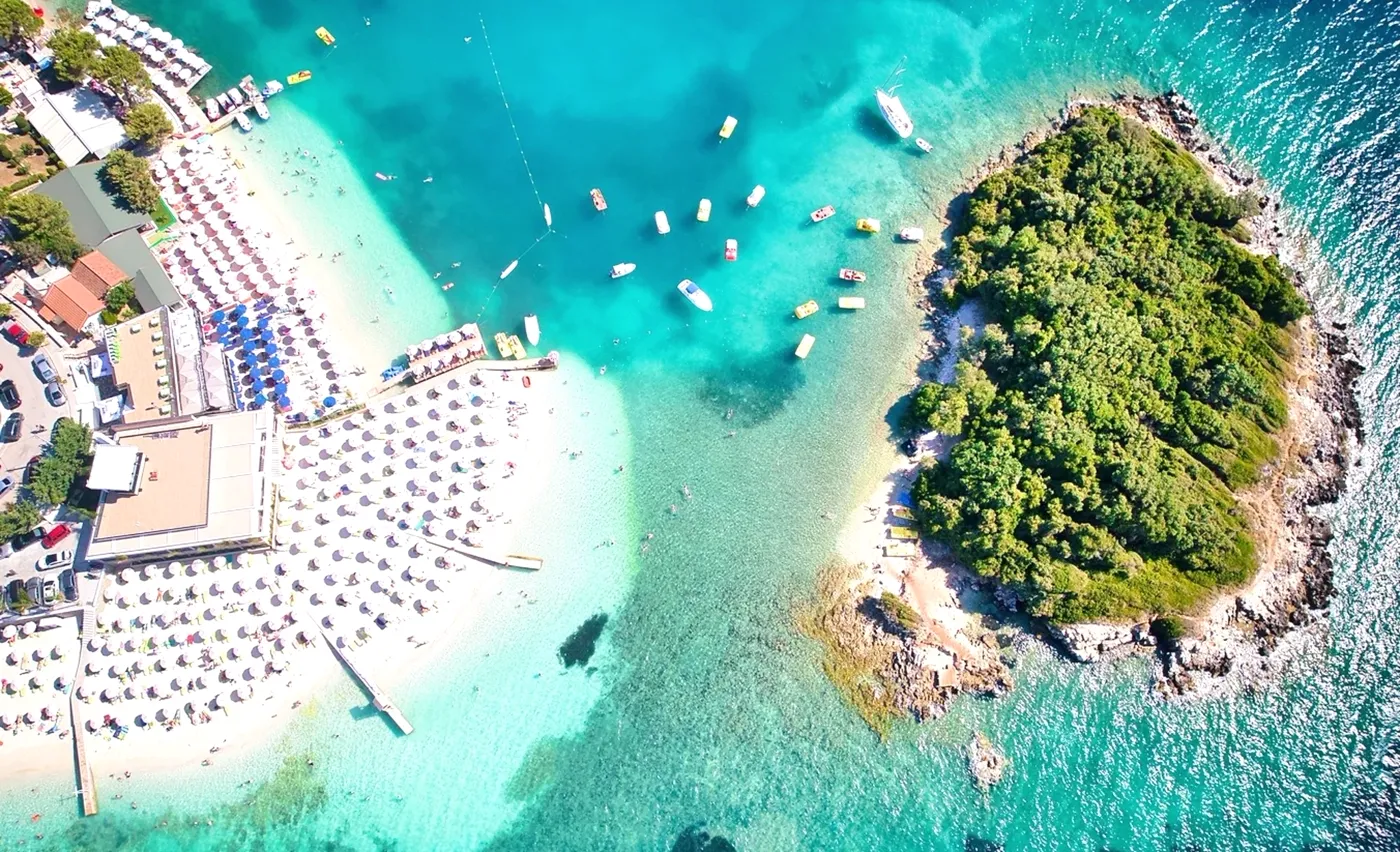
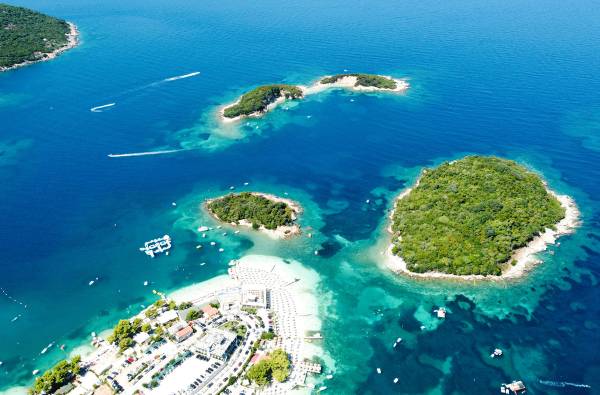
Ksamil is the place that made the world notice Albania. Three tiny uninhabited islands float in water so turquoise it looks digitally enhanced — except it's real, and you can swim to them from the shore. Located at the southern tip of Albania, just 2km from the Greek island of Corfu, Ksamil combines Caribbean-grade beaches with ancient history and prices that make the nearby Greek islands look extravagant.
What sets Ksamil apart is the combination: world-class beaches just 15 minutes from Butrint, a UNESCO World Heritage site with 2,500 years of Greek, Roman, Byzantine, and Venetian ruins layered on a lagoon peninsula. Swim in the morning, explore ancient temples in the afternoon — few places on Earth offer that pairing.
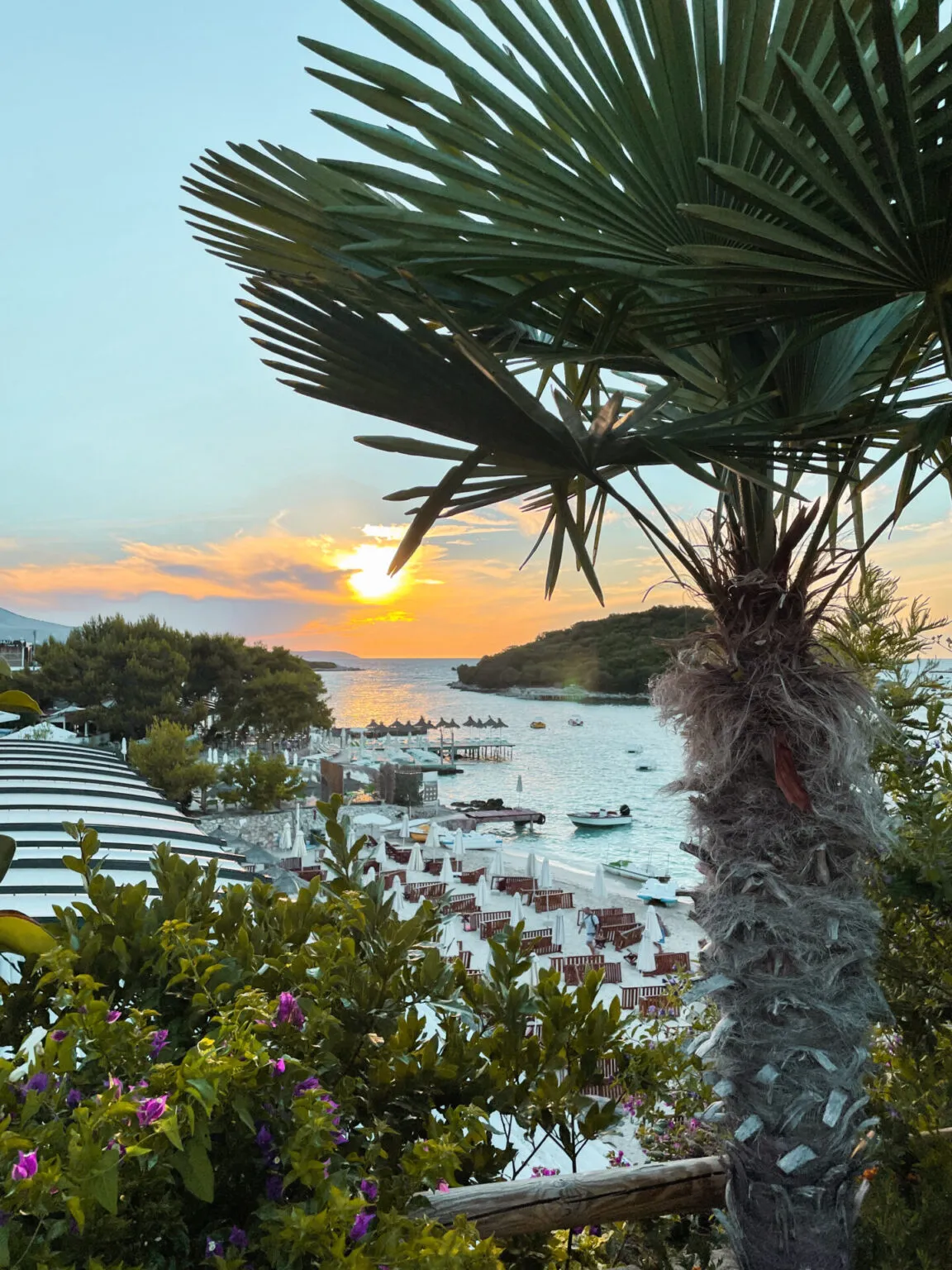
Despite its growing fame as Albania's most popular beach destination, Ksamil retains a laid-back, almost village-like atmosphere outside of peak August. Fresh mussels from Butrint Lake, grilled fish on the beach, raki at sunset — this is the Albanian Riviera at its most seductive.
A Coastline Through the Ages
From ancient Butrint's territory to a communist-era restricted zone to Europe's most talked-about beach — Ksamil's story is one of hidden beauty finally revealed.
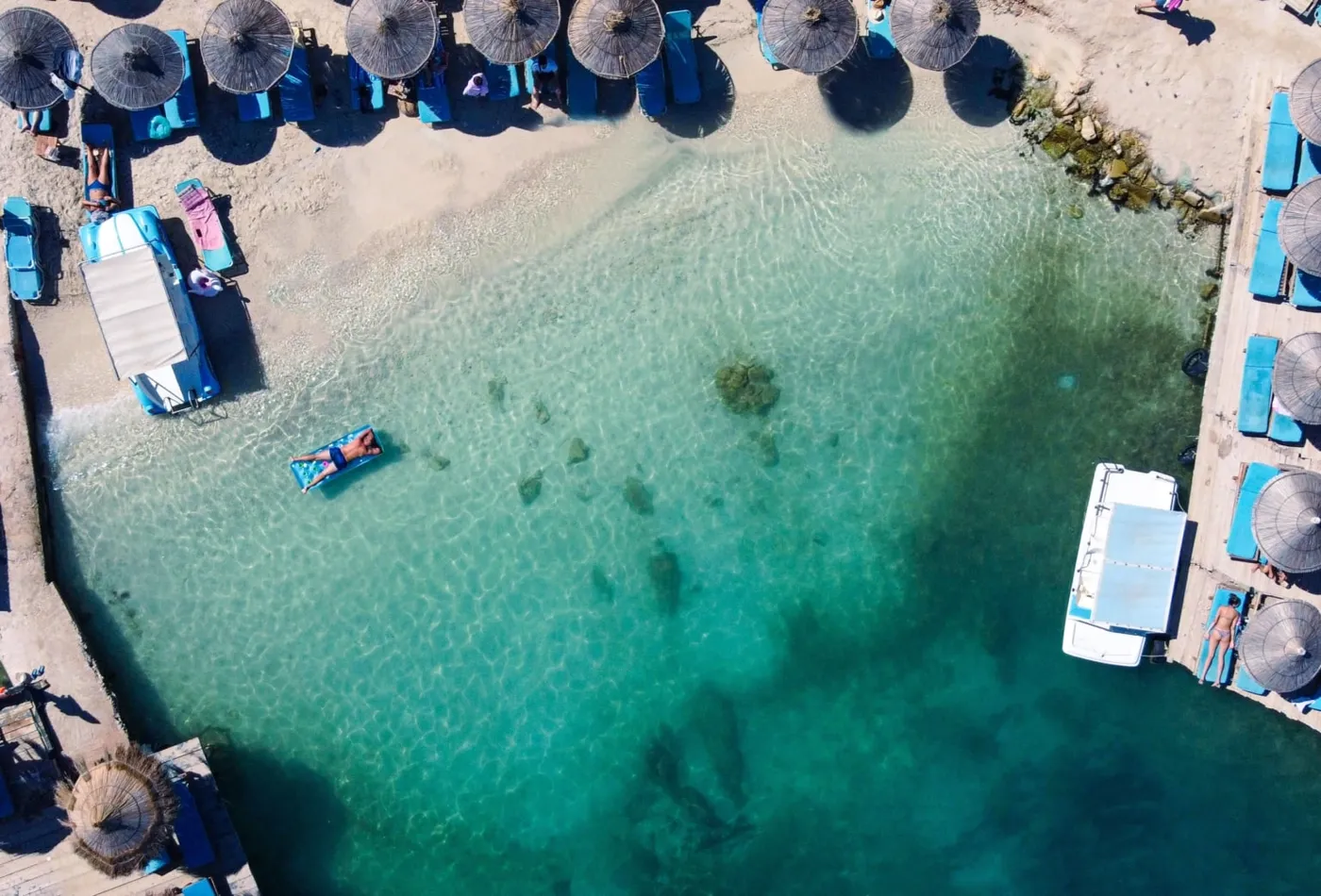 Ancient
Part of Butrint's Territory
The Ksamil coastline was part of the wider territory of ancient Butrint, one of the most important cities in the Greek and Roman world. Greek colonists, followed by Roman settlers, left their mark on this strategic stretch of the Ionian coast. The ruins at nearby Butrint — temples, theatres, baths — hint at the civilisation that once flourished just minutes from today's beaches.
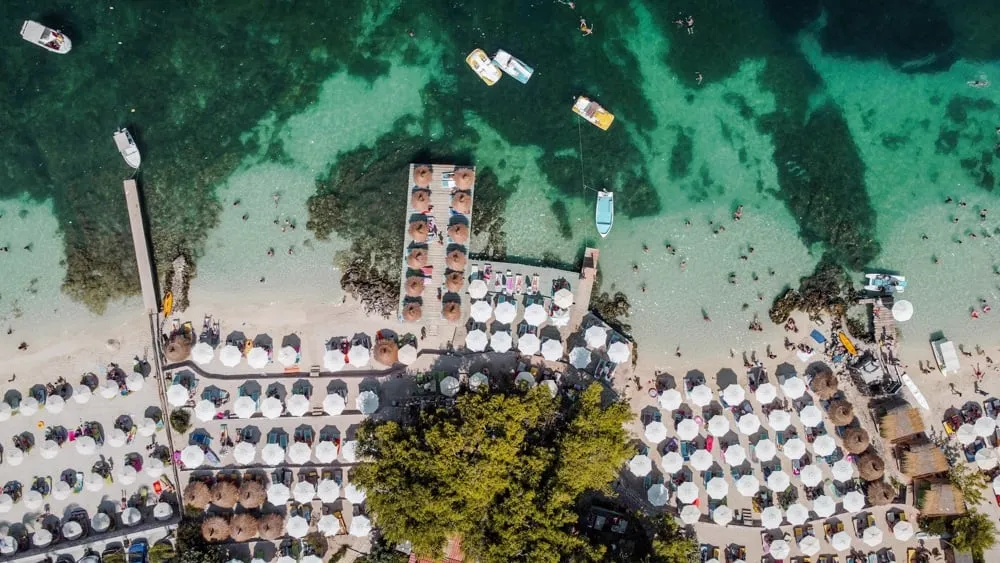 Medieval
Byzantine & Venetian Control
Through the medieval period, the coastline passed between Byzantine and Venetian hands. The mighty fortress at Butrint was expanded to protect the strait and the lucrative fishing grounds of the lagoon. Venetian towers and walls still stand among the ruins, a reminder that this quiet corner of Albania was once a contested frontier between empires.
OttomanA Quiet Fishing Hamlet
For centuries under Ottoman rule, Ksamil was nothing more than a tiny fishing hamlet. The stunning beaches that draw thousands today were known only to local fishermen casting nets in the turquoise shallows. Life revolved around the sea and the rich mussel beds of Butrint Lake, a rhythm that continued largely unchanged for hundreds of years.
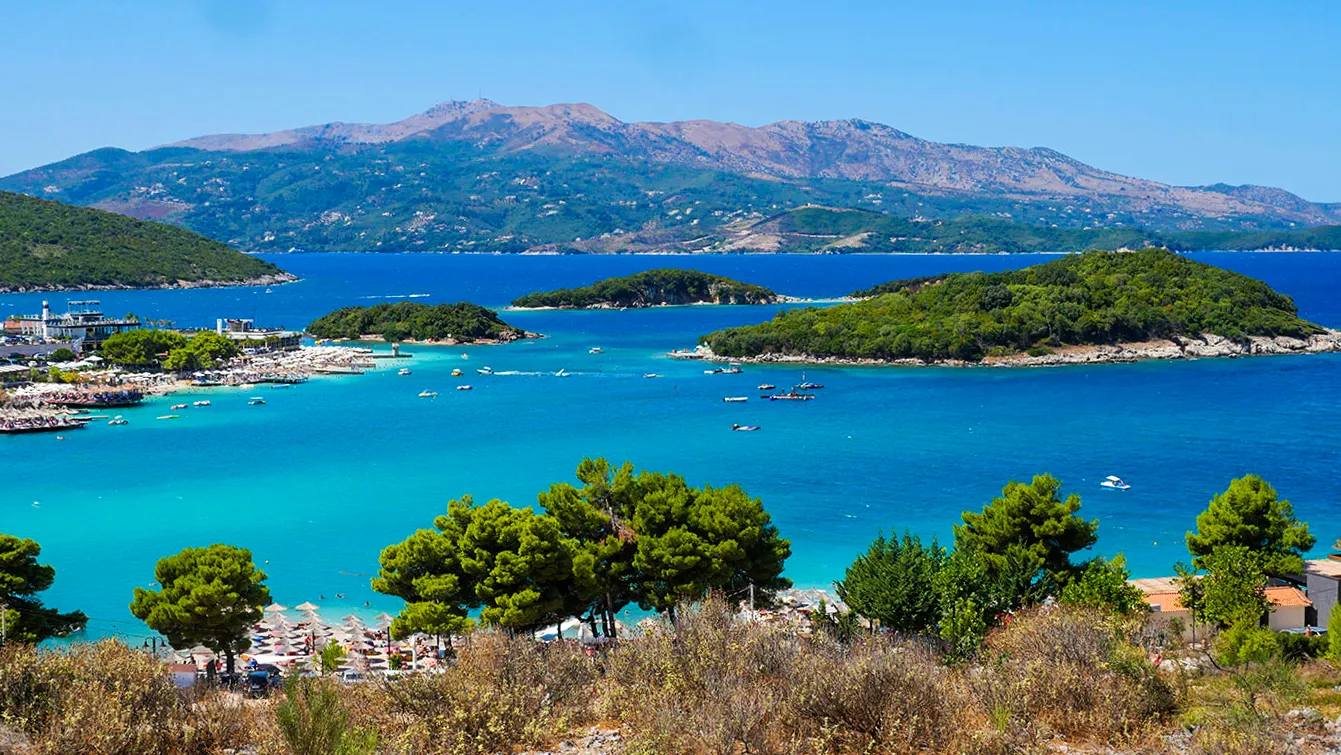 1944–1991
Restricted & Militarised
Under Enver Hoxha's communist regime, the Ksamil coastline was heavily restricted. Its proximity to the Greek border made it a militarised zone — concrete bunkers were built along the beaches, many of which still dot the shoreline today. Ordinary Albanians were forbidden from approaching the coast, and the paradise beaches remained empty and unseen by the outside world for nearly five decades.
1990s–2000sRediscovery
After communism fell in 1991, adventurous travellers began discovering Ksamil's impossibly clear water. Word spread through backpacker networks and early travel blogs — a place with Caribbean-blue water, tiny islands you could swim to, and prices a fraction of nearby Greece. Slowly, guesthouses and beach bars appeared, and Ksamil began its transformation from forgotten hamlet to Albania's most famous beach destination.
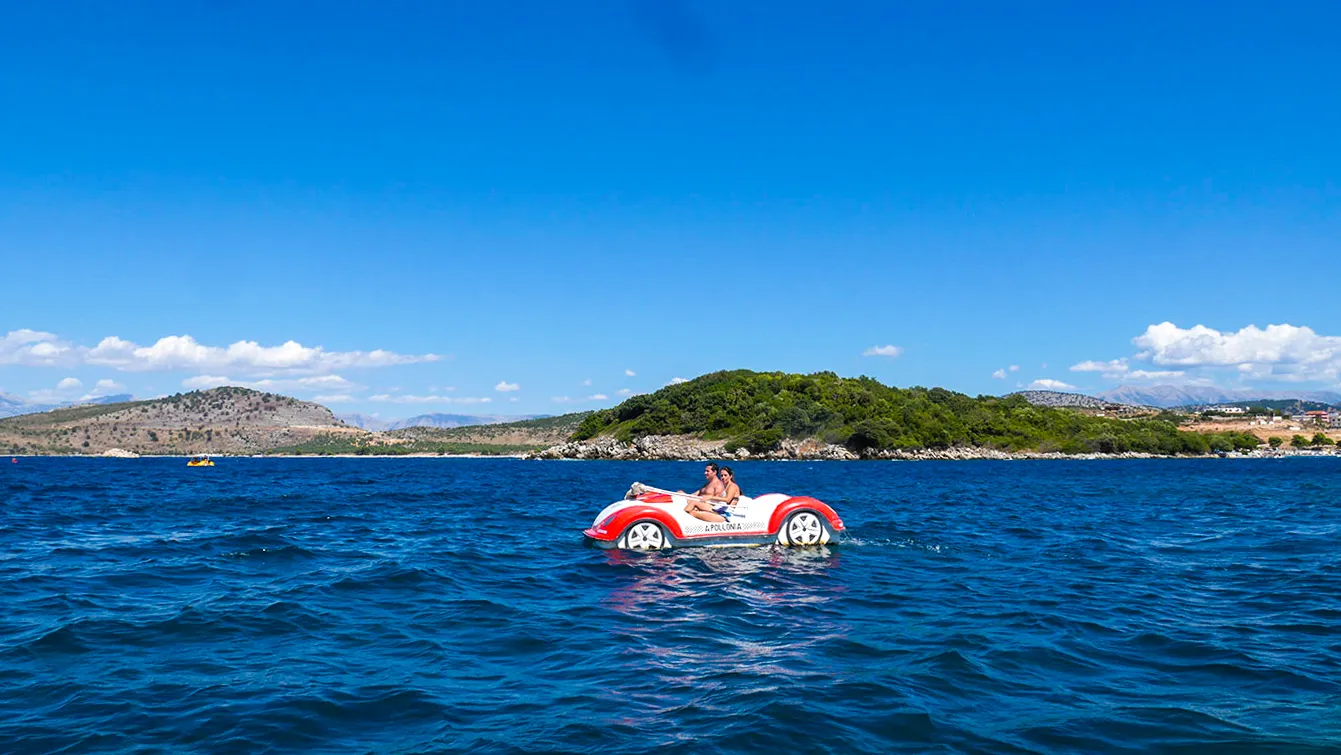 Present
Albania's Maldives
Today Ksamil is known worldwide as "the Maldives of Europe" — a title earned by its crystal-turquoise water, white sand, and three iconic tiny islands. Despite its growing fame, it remains remarkably more affordable than the Greek islands visible just 2km across the strait. Boutique hotels, beach clubs, and seafood restaurants line the coast, yet the raw natural beauty that put Ksamil on the map is still very much intact.
Landmarks & Attractions
From the iconic three islands and UNESCO ruins to hidden lagoons and views of Corfu — Ksamil packs extraordinary beauty into a small stretch of coastline.
Ksamil Islands
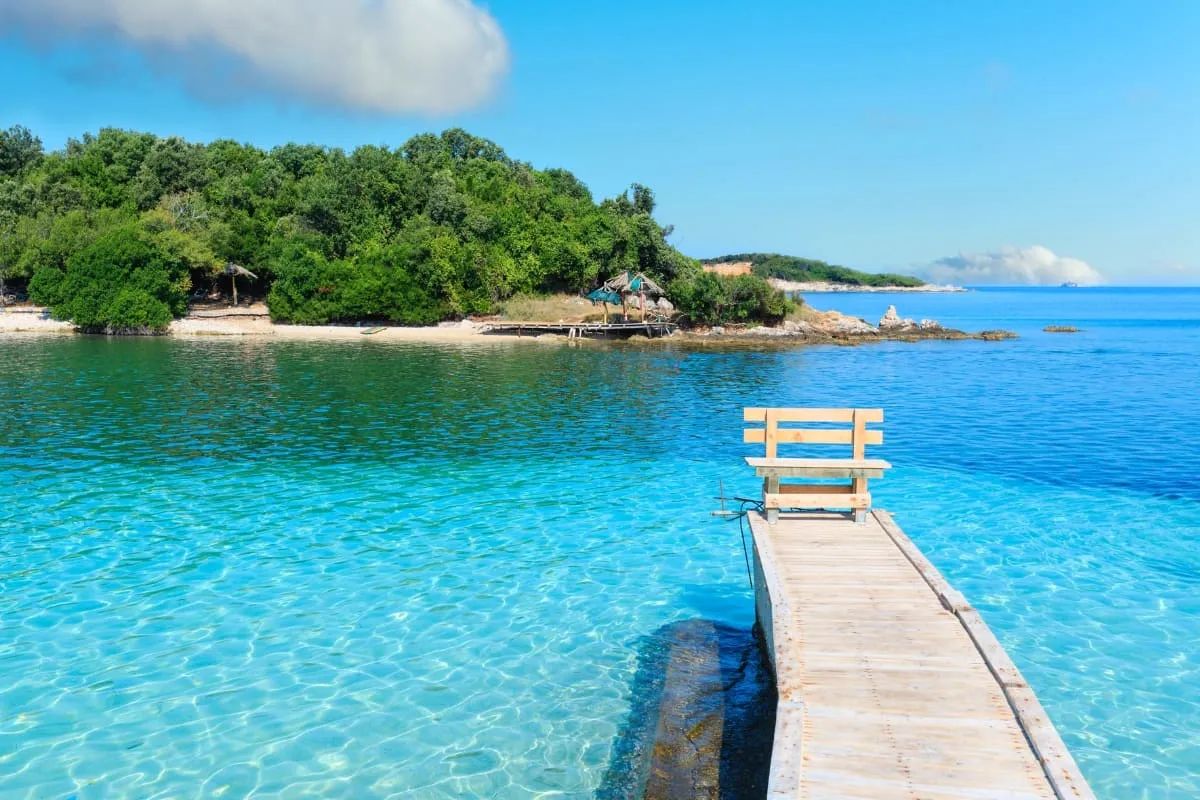
Three tiny uninhabited islands in crystal-turquoise water, reachable by a short swim or kayak from the main beach. Each has its own tiny beach — claim a spot early in summer and you'll have your own private paradise surrounded by the Ionian Sea.
Butrint National Park
A UNESCO World Heritage site just 15 minutes away with Greek, Roman, Byzantine, and Venetian ruins layered on a stunning lagoon peninsula. One of the most important archaeological sites in the Mediterranean — 2,500 years of history in a single, breathtaking location.
Mirror Beach
A stunning curved bay with perfectly still, reflective turquoise water — one of the most photographed spots on the Albanian coast. Known locally as Pasqyra, the beach gets its name from the mirror-like surface of the water on calm mornings.
Ksamil Beach
The main strip of white sand facing the three islands. Crystal-clear shallow water perfect for families, with beach bars and loungers available along the shore. The classic Ksamil view — and the image that made Albania famous on Instagram.
Blue Lagoon
A hidden swimming spot south of Ksamil with impossibly clear blue water surrounded by rocky shores. Less crowded than the main beaches and perfect for snorkelling — the underwater visibility here is extraordinary.
Butrint Lake
A saltwater lagoon rich in mussels and fish, with boardwalk trails through wetlands and excellent birdwatching. The lake supplies Ksamil's famous fresh mussels and offers a peaceful contrast to the busy beaches.
Corfu Views
The Greek island of Corfu is visible just 2km across the strait — so close you can see individual buildings on a clear day. Ferries run daily from nearby Saranda, making a day trip to Greece effortlessly easy.
Beaches to Discover
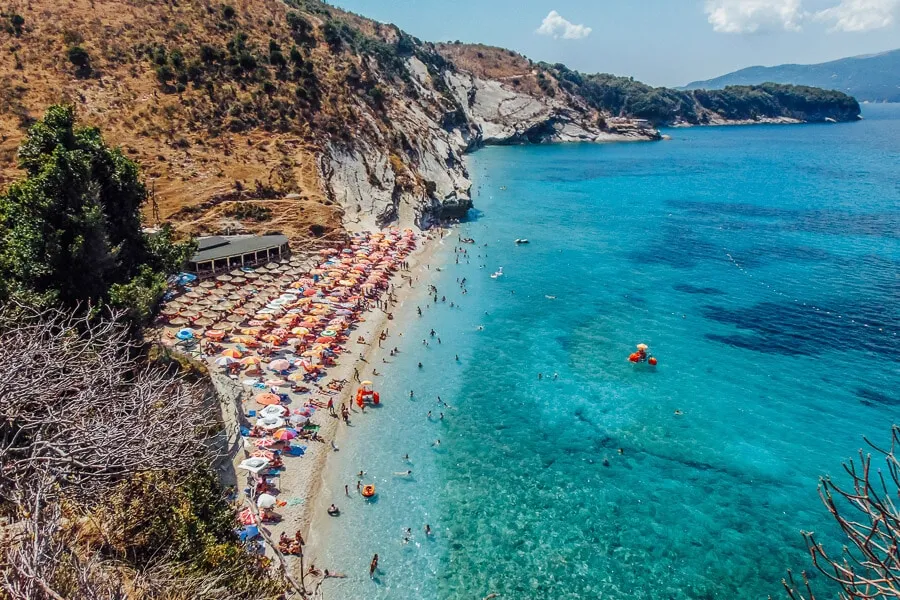
Ksamil's coastline offers everything from buzzing beach bars to secluded rocky coves. Whether you want a lounger and a cocktail or a quiet swim in crystal-clear water, there's a beach for you within walking distance.
Main Beach
White sand facing the three islands, the classic Ksamil view. Shallow turquoise water, beach bars, and the most iconic panorama on the Albanian Riviera.
Bora Bora Beach
Named for its tropical appearance, with beach bars and loungers set on soft white sand. The water here is warm and impossibly clear — the closest thing to the South Pacific you'll find in Europe.
Pasqyra Beach (Mirror)
Perfectly still water reflecting the surrounding hills like a mirror. Best visited in the morning when the surface is glass-smooth and the light hits the turquoise at its most vivid.
Pulebardha Beach
A quieter alternative south of the main strip. Less developed and more natural, with rocky coves and excellent snorkelling. Favoured by those who prefer peace over beach bars.
Monastery Beach
Near the Butrint entrance, less crowded and scenic. A beautiful stretch of coastline where you can combine a morning at the ruins with an afternoon swim.
Food & Cuisine
Fresh from the Ionian Sea and Butrint Lake — Ksamil's cuisine is all about seafood, Greek-Albanian flavours, and meals with your toes in the sand.
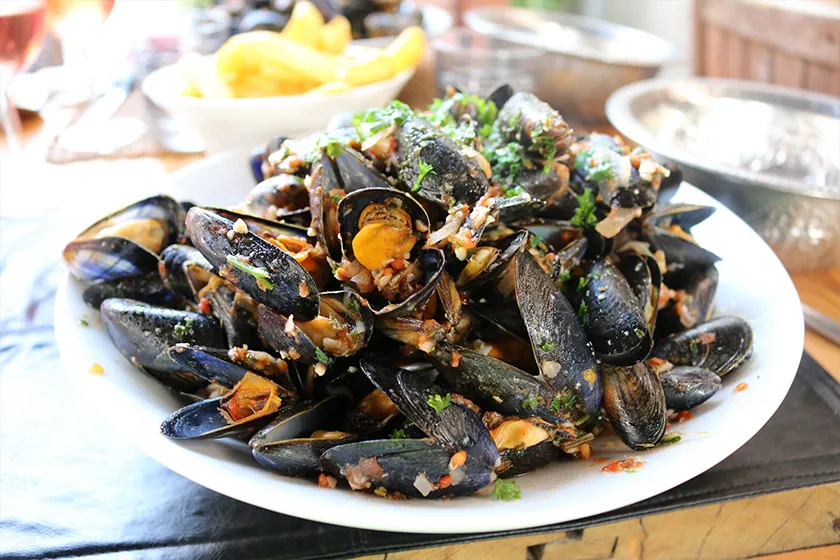
Fresh Mussels
Harvested from Butrint Lake, served steamed with garlic and white wine or tossed through pasta. The mussels here are famous across Albania — plump, sweet, and pulled from the water the same day they reach your plate.
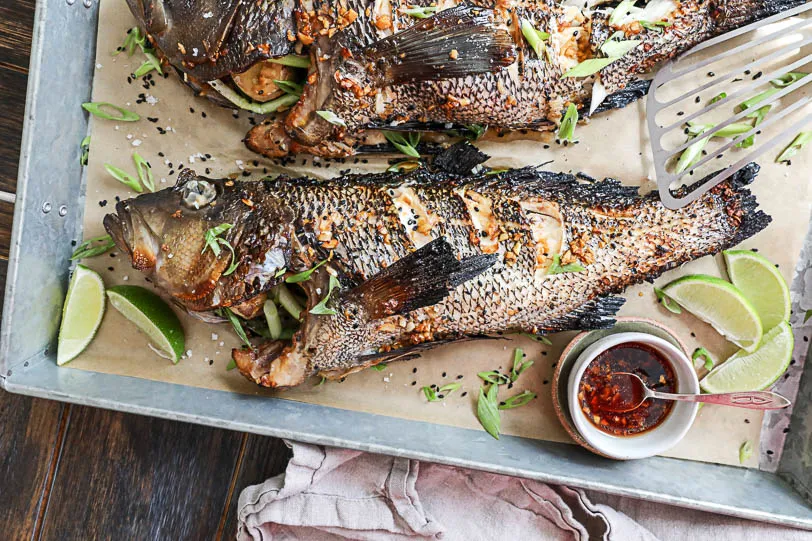
Grilled Sea Bass
Whole fish from the Ionian Sea, grilled simply with olive oil and lemon over charcoal. Served with a fresh salad and crusty bread — the kind of meal that tastes best with your feet in the sand.
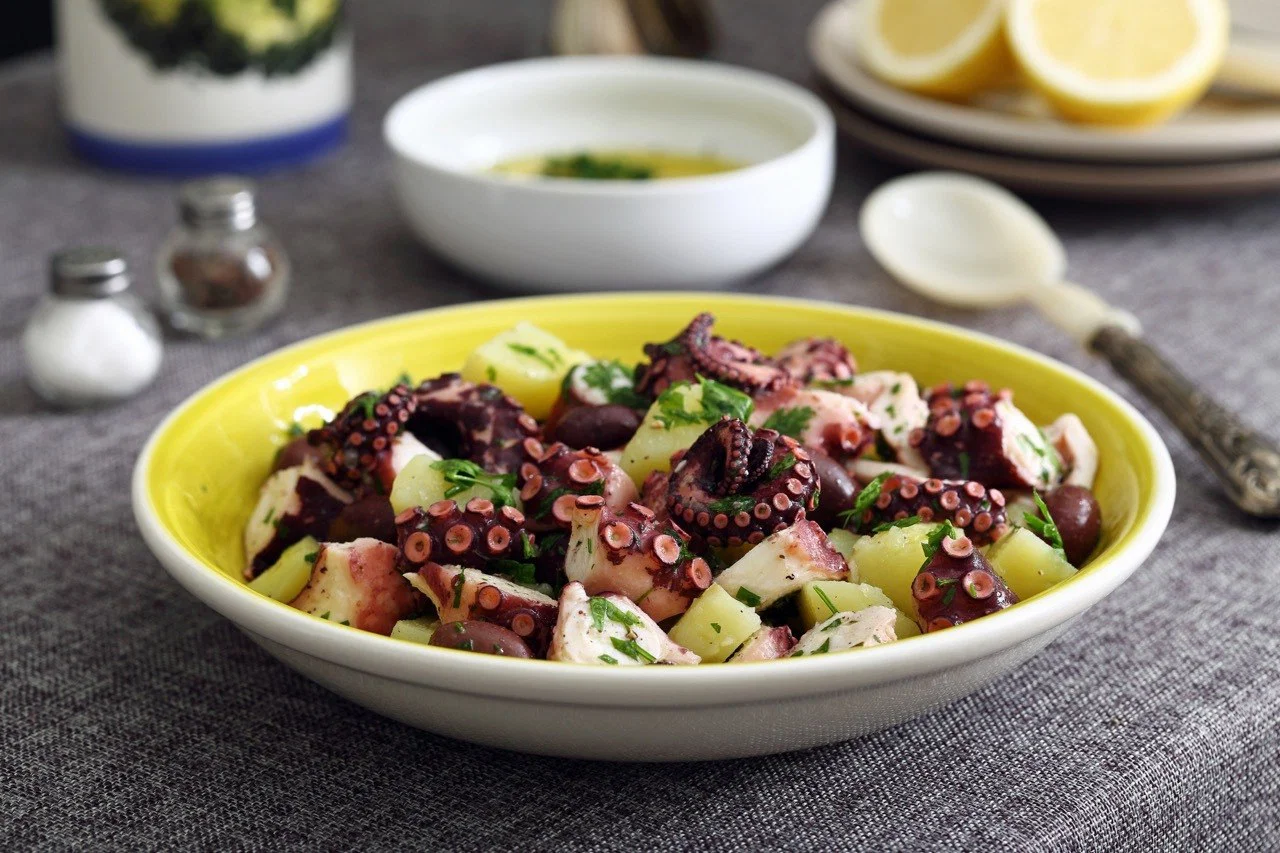
Octopus Salad
Tender octopus dressed with olive oil, lemon, and red onion — a Ksamil staple found at every beachfront restaurant. Light, fresh, and perfect in the summer heat.
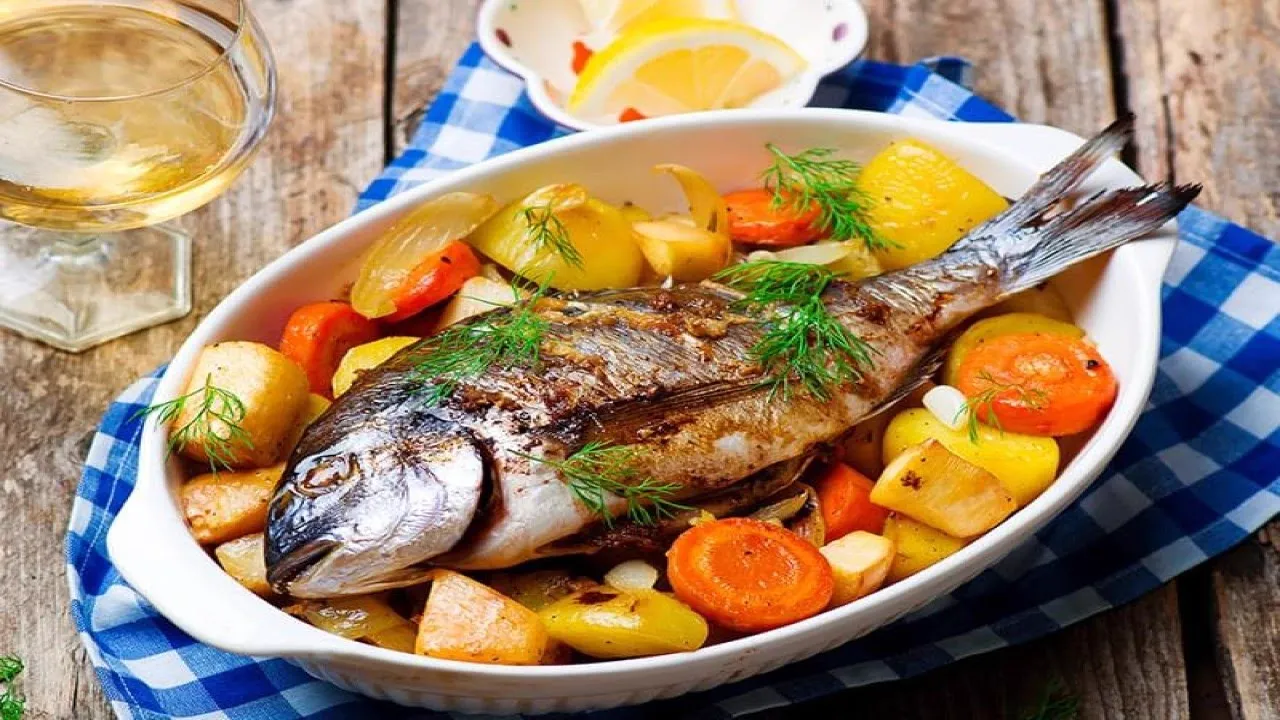
Koran Trout
Lake trout from nearby Butrint, pan-fried or grilled. A local delicacy with delicate flavour — proof that Ksamil's culinary reputation extends beyond the sea.
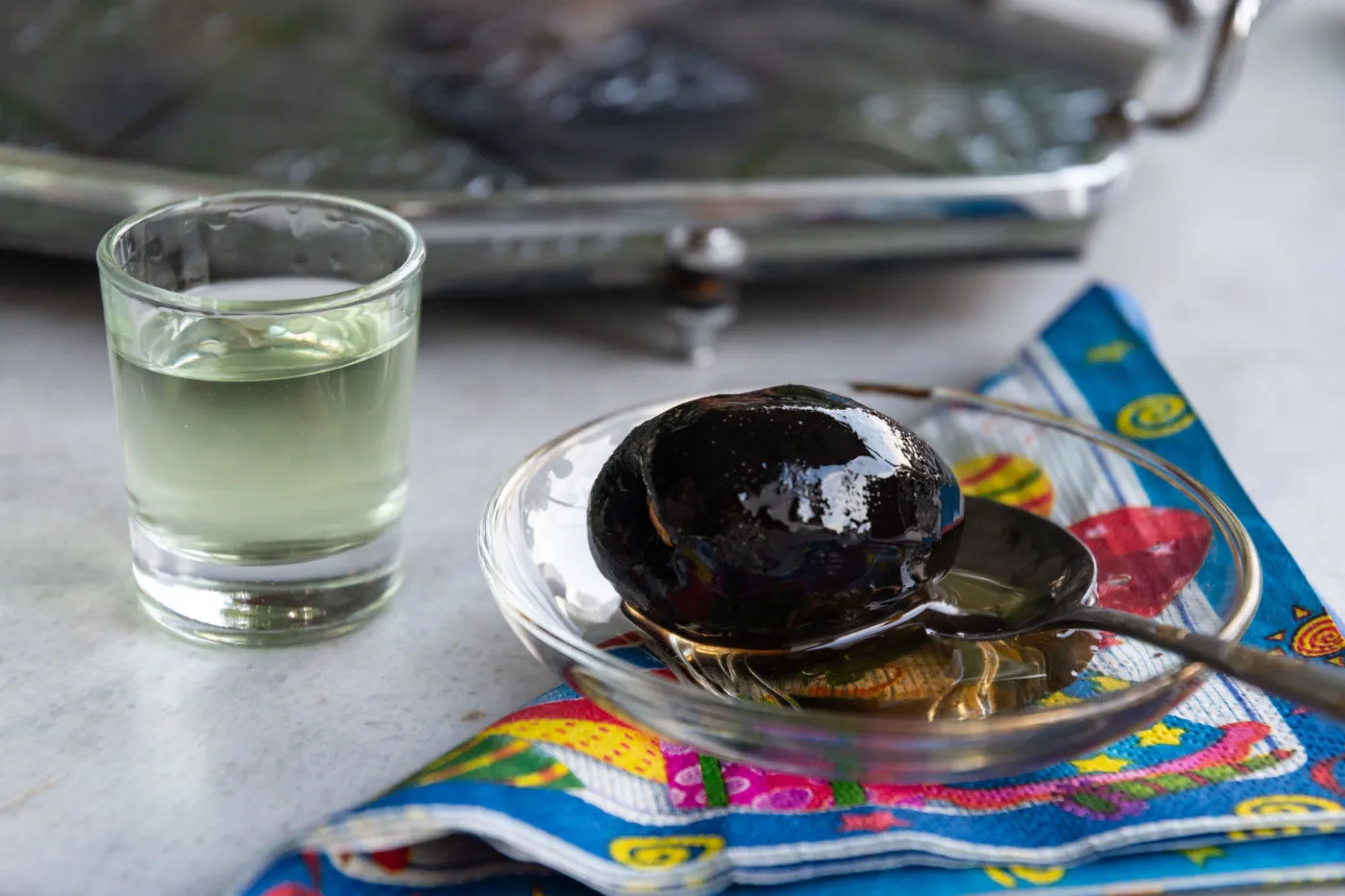
Raki & Fresh Fruit
End every meal the Albanian way — with a glass of homemade raki and a plate of seasonal fruits. Figs, watermelon, and grapes in summer; citrus in the cooler months. Refusing is not an option.
Best Time to Visit Ksamil
Ksamil is a summer destination at heart, but spring and September offer the perfect balance — warm water, golden light, and beaches you can actually enjoy without the August crowds.
Spring
April – May18–24°CQuiet paradise. The water is warming up, the beaches are nearly empty, and wildflowers carpet the hills around Butrint. Perfect for combining beach time with sightseeing without the summer crowds.
Summer
June – August28–35°CPeak season — the beaches are buzzing, the water is bath-warm, and the islands are at their most beautiful. Book accommodation well ahead. August is the busiest month by far.
Autumn
September – October20–28°CThe sea is still warm from summer, but the crowds have thinned dramatically. September in Ksamil is arguably the best month — warm water, golden light, and space to breathe.
Winter
November – March8–16°CMost beach bars and hotels close for the season. Ksamil is quiet and atmospheric — ideal for visiting Butrint without crowds, but not for swimming. Saranda nearby stays open year-round.
How to Reach Ksamil
Ksamil is approximately 5 hours from Durrës by car, following the stunning coastal road south through Vlorë, the Llogaraja Pass, and Saranda. The drive itself is one of the most scenic in the Balkans.
From Saranda, Ksamil is just a 30-minute drive south along the coast. Regular local buses and taxis connect the two. Saranda also has a ferry port with daily connections to Corfu, Greece.
Butrint National Park is just 15 minutes from Ksamil — close enough for a morning visit before heading to the beach. We offer guided day trips that combine Ksamil, Butrint, and the Blue Eye Spring into one unforgettable day from Durrës.
Tours to Ksamil
Swim to the islands, explore Butrint's ancient ruins, or discover the Blue Eye Spring — all with knowledgeable local guides who know the south coast inside out.
Ready to Explore Ksamil?
Whether you want to swim to the islands, walk through Butrint's ancient ruins, or simply find the perfect beach — we'll make it happen.