Himare
The Riviera's Hidden Capital — a seaside town between mountains and the Ionian Sea
Where Mountains Meet the Ionian
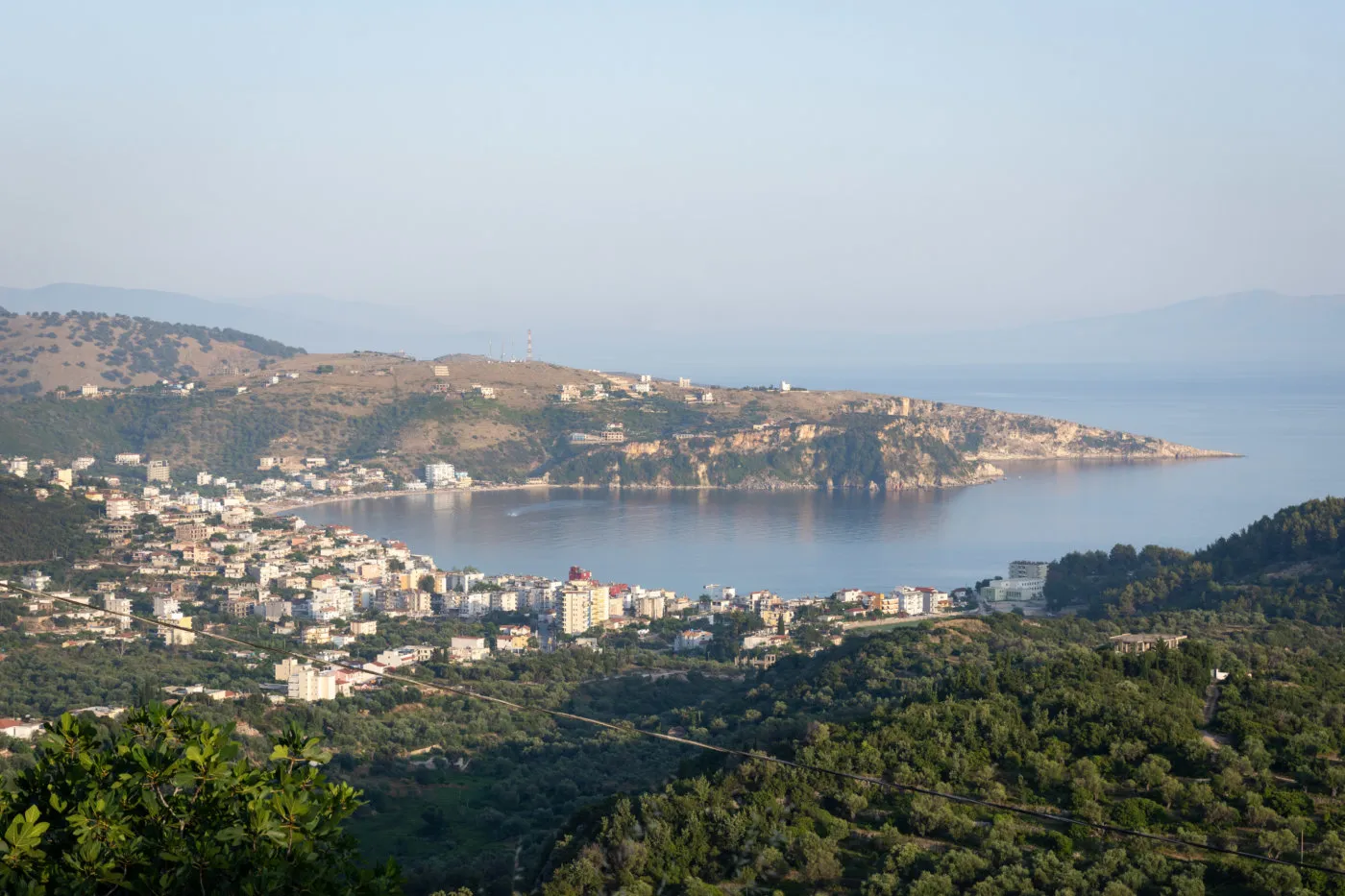
Himare is the Albanian Riviera's most characterful town — a place where a 6th-century castle looks down on turquoise beaches, stone villages cling to mountainsides above the sea, and the evening passeggiata along the waterfront feels more Greek island than Albanian coast.
Squeezed between the Ceraunian Mountains and the Ionian Sea, Himare has been a stronghold, a fishing village, and a military zone. Today it's finding a new identity as the Riviera's most authentic destination — with excellent seafood restaurants, hidden beaches accessible only by boat, and hiking trails that connect clifftop villages to secret coves below.
The drive from Durres takes about 3.5 hours via Vlore and the spectacular Llogara Pass — one of the most dramatic mountain roads in Europe, crossing at 1,027 metres before plunging down to the coast. The journey itself is half the experience.
A Fortress Between Sea and Sky
From an ancient Illyrian hillfort to the Riviera's most characterful town — Himare's story is shaped by empires, resistance, isolation, and a coastline too beautiful to stay hidden forever.
AncientChimara of Ptolemy
Mentioned by the ancient geographer Ptolemy as Chimara, Himare was an early hillfort settlement perched between the mountains and the Ionian Sea. The strategic position above the coastline made it a natural stronghold for Illyrian and later Greek-speaking communities who controlled the surrounding bays and mountain passes.
ByzantineCastle & Frescoed Churches
The 6th century saw the construction of Himare's hilltop castle fortification under Byzantine rule. Churches adorned with remarkable frescoes from this period survive within the castle walls and in surrounding villages — a testament to the region's importance as a Byzantine frontier outpost overlooking the Ionian Sea.
 Venetian-Ottoman
A Rare Autonomy
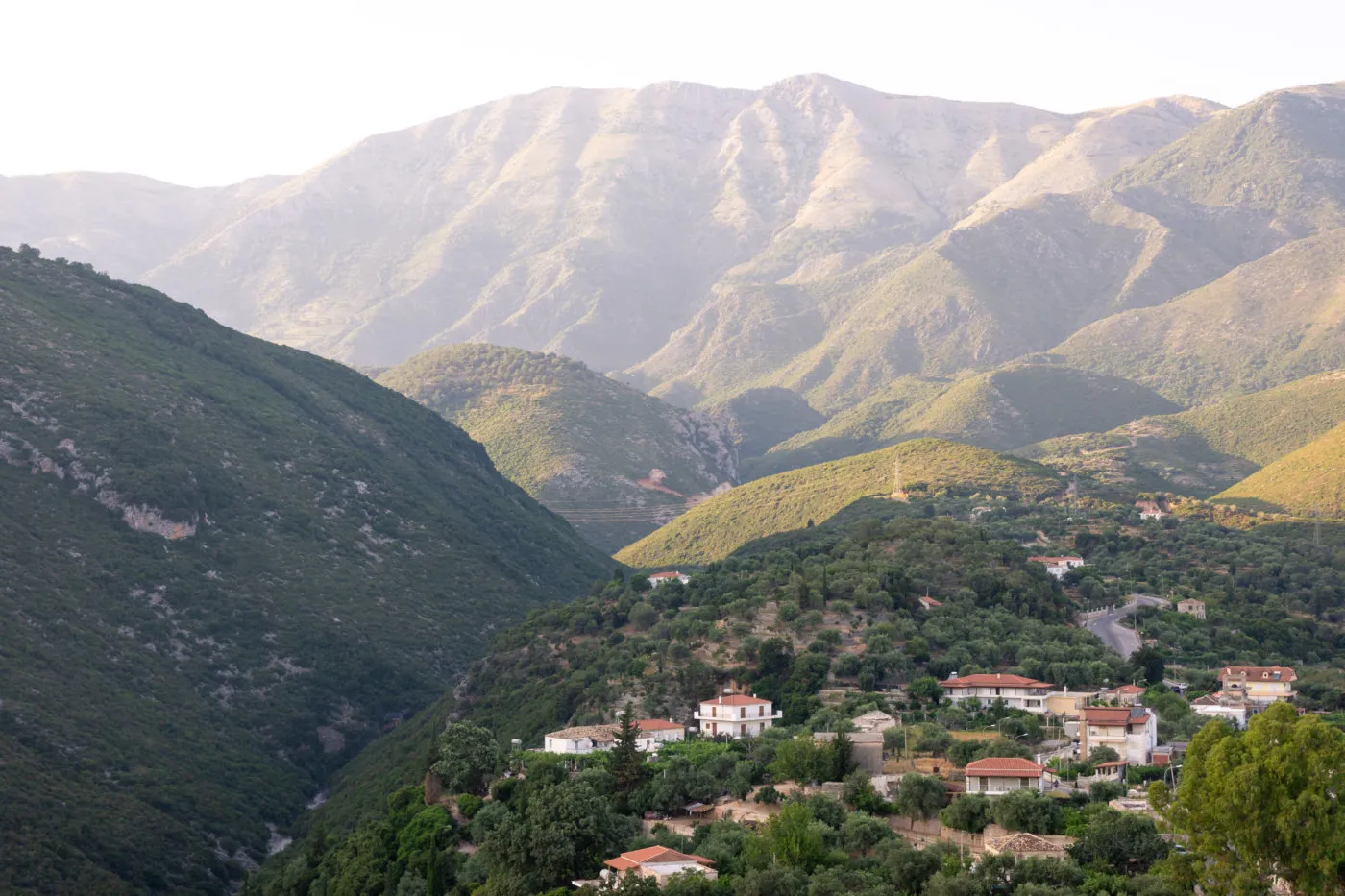
Himare's villages maintained a remarkable degree of autonomy even under Ottoman rule — a rare privilege granted in recognition of the region's fierce resistance and strategic insignificance compared to major ports. The hilltop castle changed hands multiple times between Venetian and Ottoman forces, and the local population preserved their distinct identity throughout centuries of imperial competition.
19th CenturyCentre of Resistance
Himare became a centre of Albanian resistance during the turbulent 19th century. The region's Greek-speaking minority maintained their language, customs, and Orthodox faith while contributing to the broader movement for Albanian independence. The rugged coastal mountains provided natural shelter for communities who refused to submit fully to Ottoman authority.
 Communist
Bunkers on the Beach
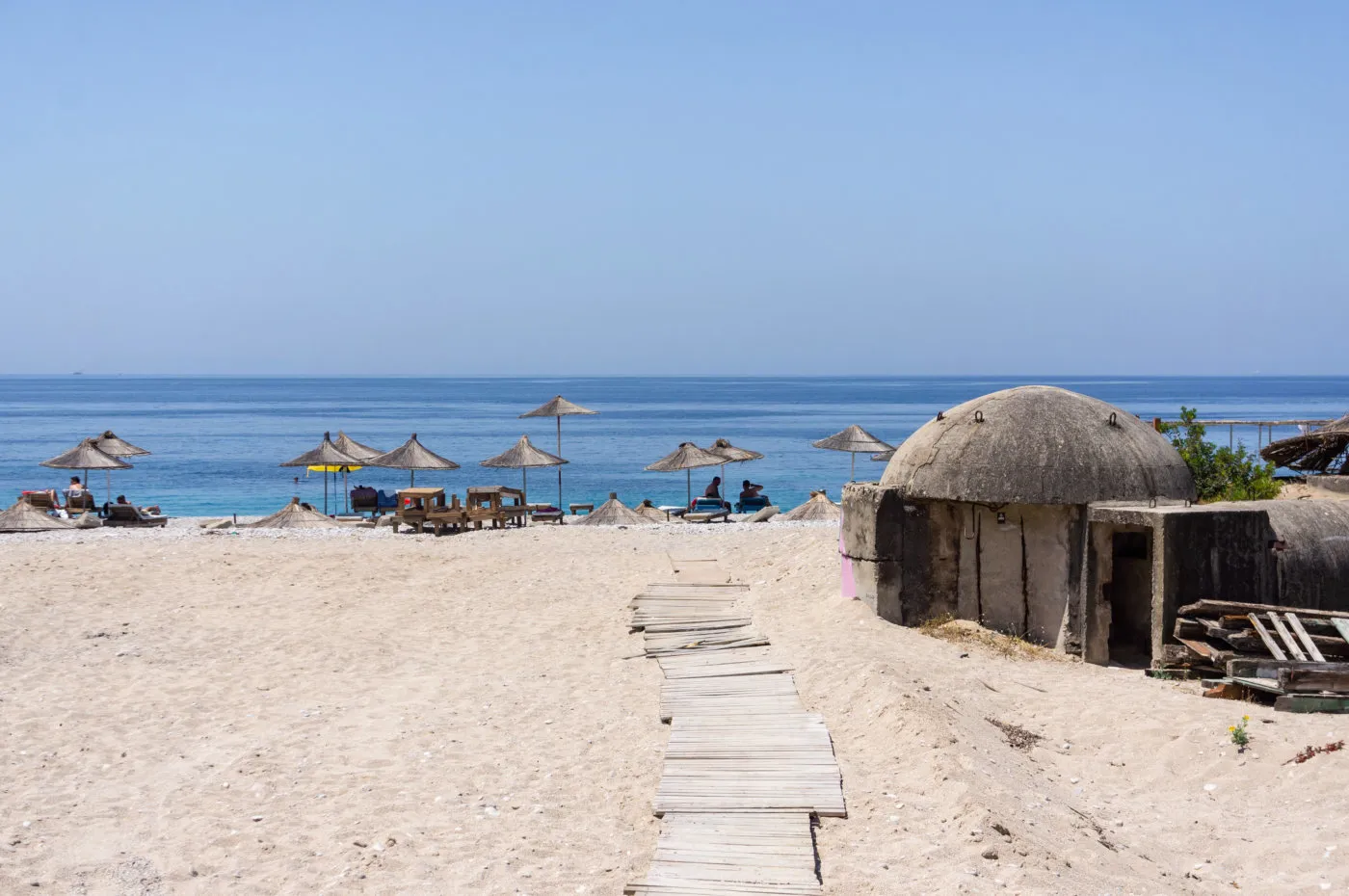
Under Enver Hoxha's paranoid regime, Himare's coastline became a restricted military zone. Concrete bunkers were built directly on the beaches — some still visible today at Livadhi Beach — as part of Albania's programme of 170,000 bunkers nationwide. The entire Riviera was sealed off from the outside world, its extraordinary beauty hidden behind barbed wire and ideology.
 Present
The Riviera's Hidden Capital
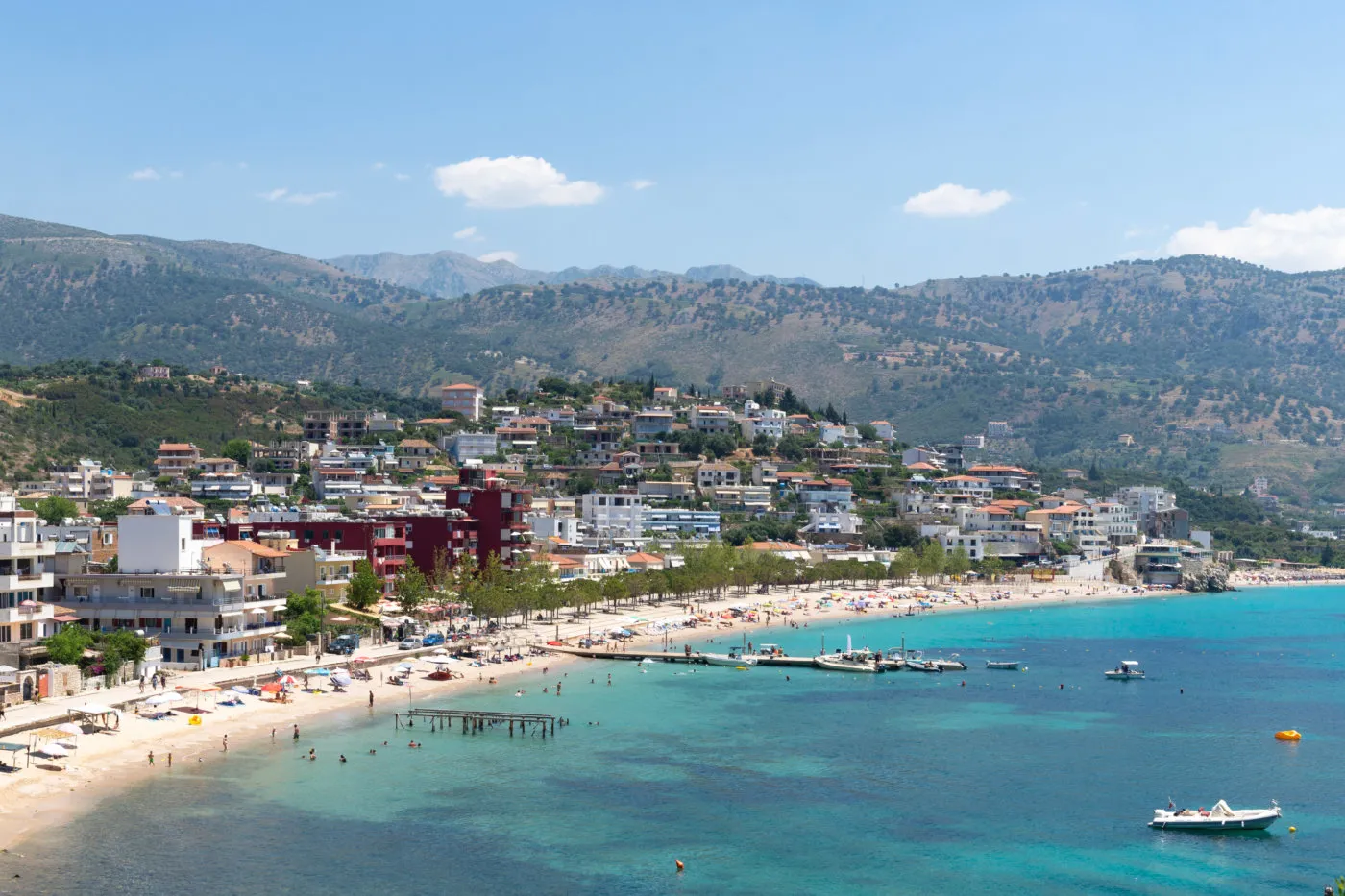
Today Himare is the Albanian Riviera's most characterful town, with a growing reputation for excellent seafood restaurants, authentic stone architecture, and some of Albania's finest beaches. The old castle town above and the modern waterfront below create a compelling contrast — ancient and contemporary, mountain and sea, all within a few minutes' walk.
Landmarks & Attractions
From a Byzantine hilltop castle and hidden beaches to coastal hiking trails and Ali Pasha's fortress — Himare rewards the curious traveller at every turn.
Himare Castle
A 6th-century hilltop fortress crowning the old town, containing Byzantine-era churches, ancient cisterns, and panoramic views across the Ionian Sea. The crumbling walls and wild herbs growing between the stones give it an atmosphere that no museum can replicate.
Livadhi Beach
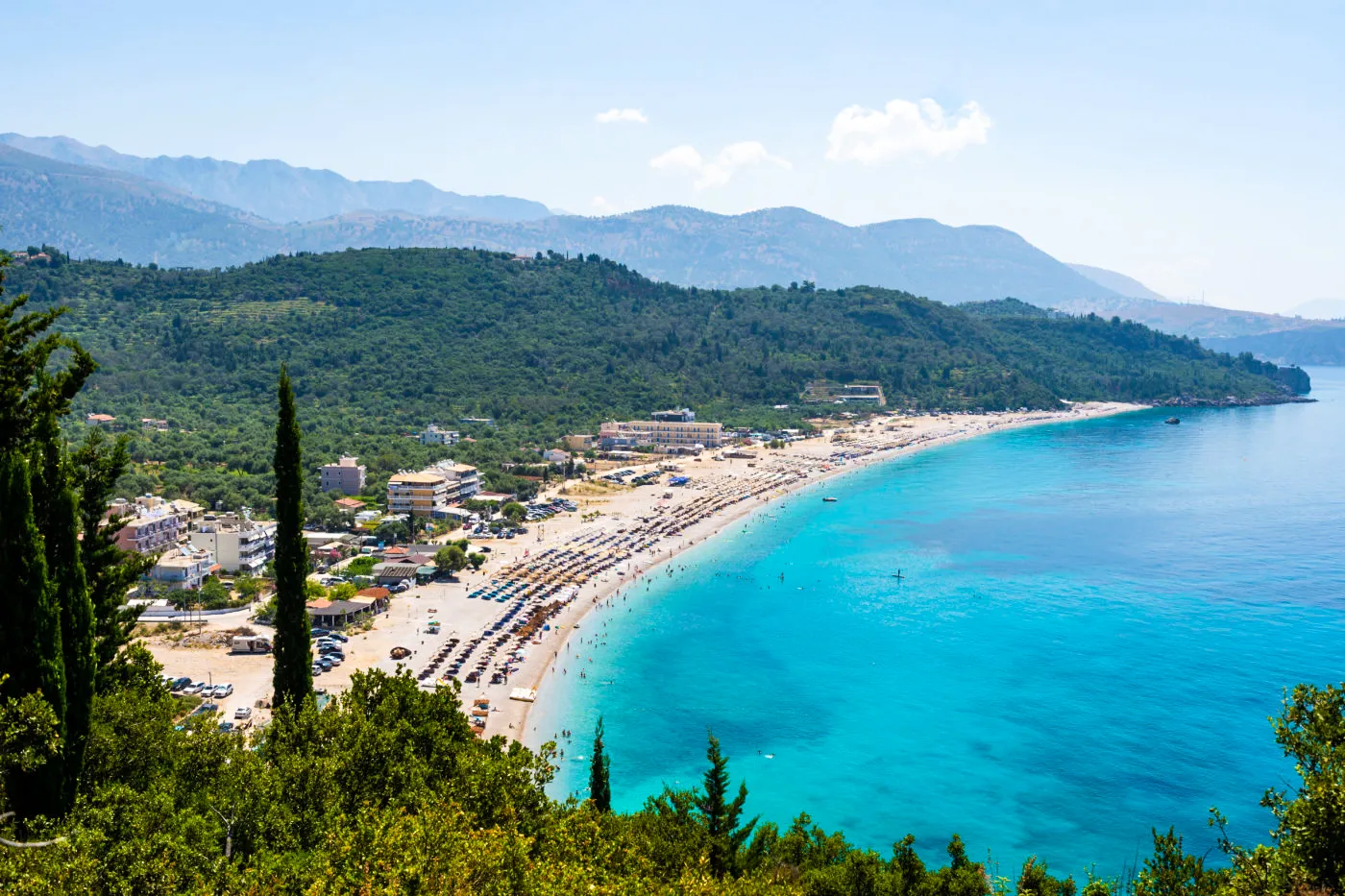
The Riviera's finest sandy beach — 2 kilometres of turquoise water backed by olive groves and low mountains. The gentle slope makes it perfect for families, while the beach bars and waterfront tavernas keep things lively through the summer months.
Llamani Beach
A crystal-clear sheltered cove just south of Himare town, perfect for snorkelling among rocks and sea life. The water here is impossibly transparent — you can see every pebble on the seabed from metres above. Reached by a short walk or boat from the harbour.
Old Town (Kastro)
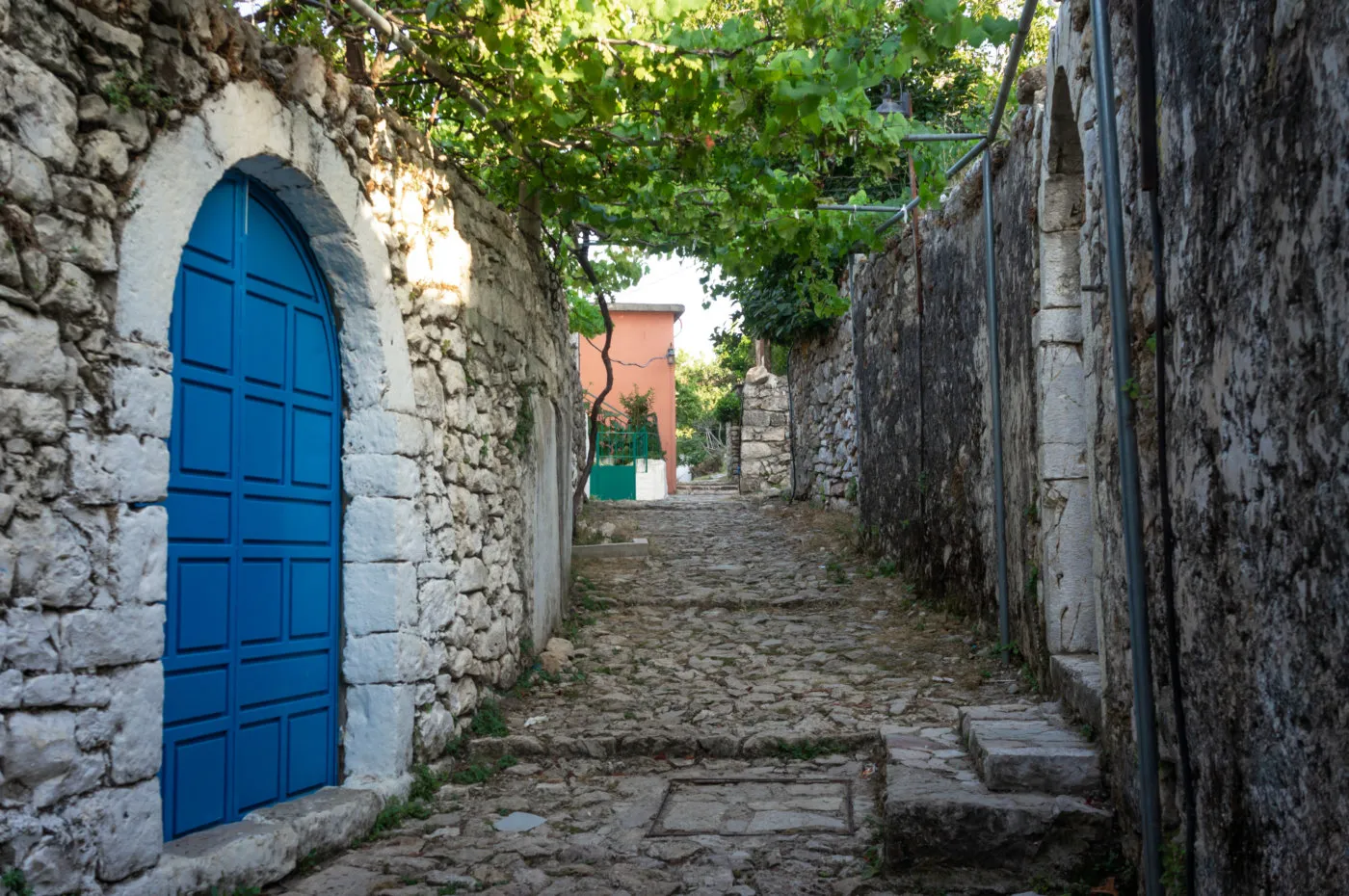
Stone houses, narrow alleys, and Byzantine churches cling to the hillside above the modern town. The Kastro quarter has been continuously inhabited for over a thousand years, and its weathered architecture and sweeping sea views make it one of the most atmospheric spots on the entire Albanian coast.
Spille Beach
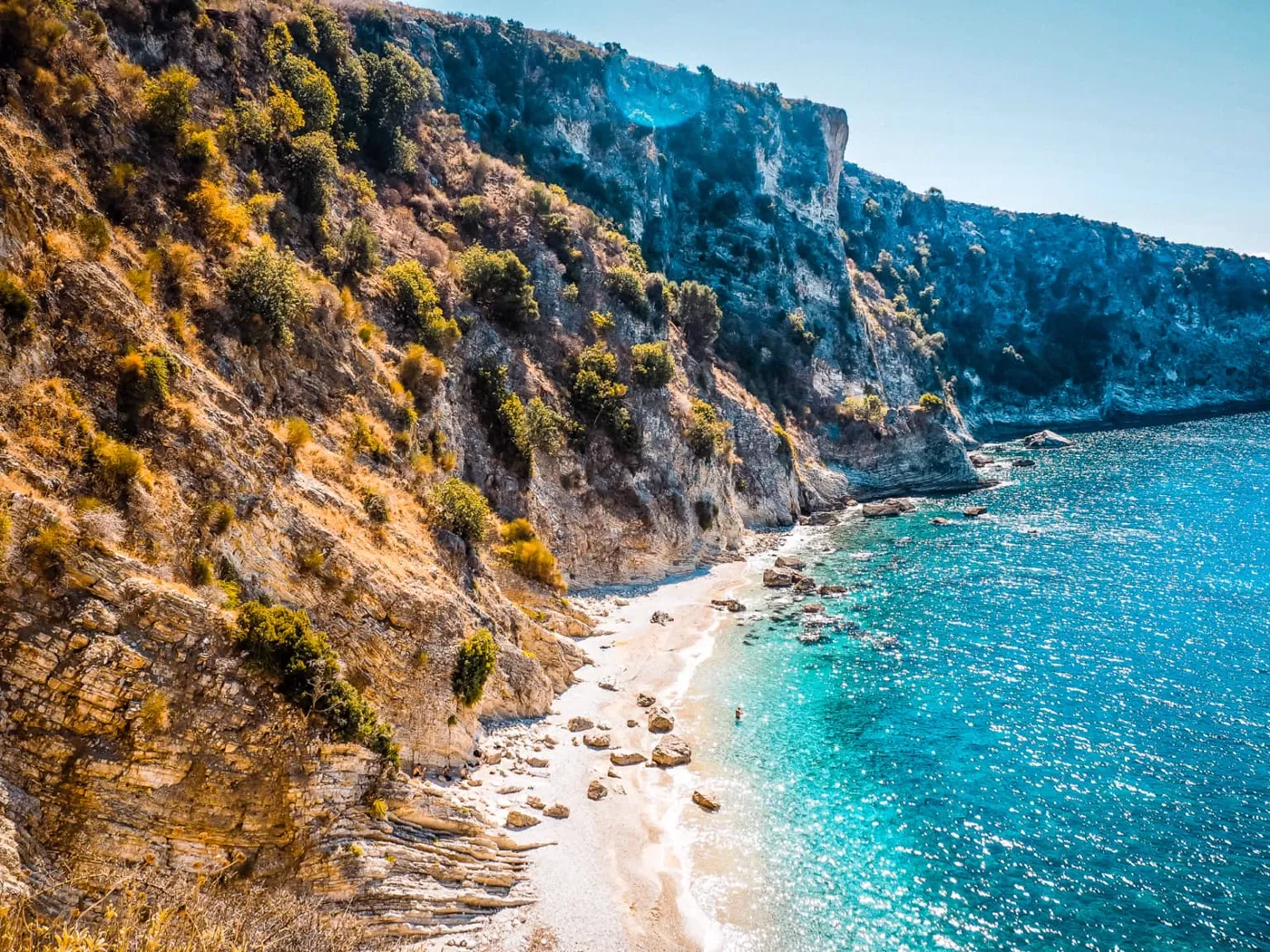
A secluded pebble beach south of town, reached by a winding coastal path. The lack of development and the deep blue water make Spille a favourite for those seeking solitude — bring your own supplies and settle in for the day.
Porto Palermo
Ali Pasha's striking triangular fortress sits on a peninsula in a stunning natural bay, just 20 minutes south of Himare. Built in the early 19th century, the castle's geometry and its dramatic setting — surrounded by deep turquoise water and wild hills — make it one of Albania's most photogenic landmarks.
Hiking Trails
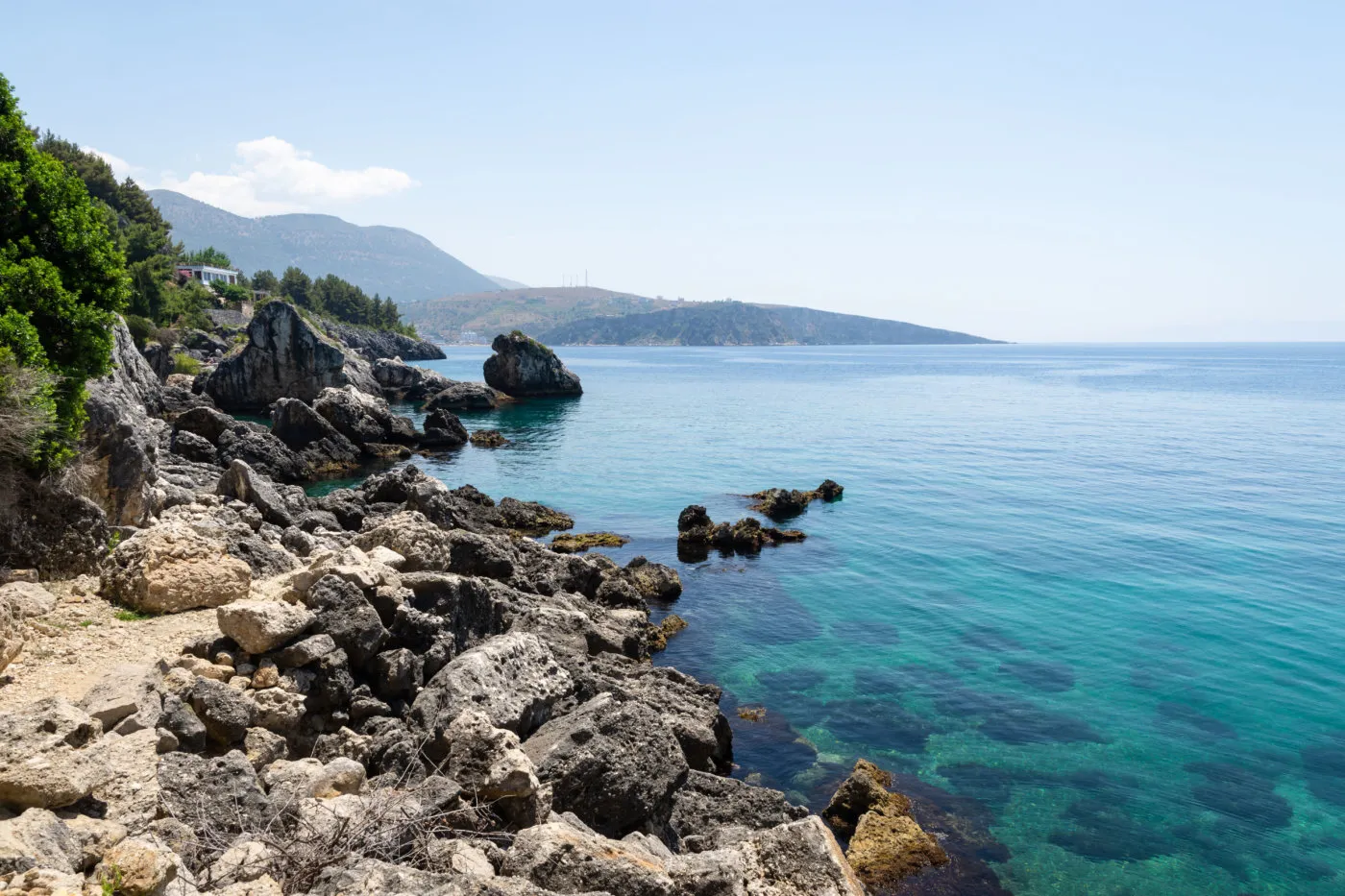
Coastal paths connect hidden beaches and hilltop villages above the sea, offering some of the most spectacular walking in the Mediterranean. The trail from Himare to Jale passes through olive groves and over headlands with views that rival anything on the Amalfi Coast — without the crowds.
Beaches to Discover
Himare sits at the heart of the Albanian Riviera — a coastline blessed with some of the clearest water in the Mediterranean. From long sandy stretches to hidden coves reachable only by boat, every beach here feels like a discovery.
Livadhi Beach
The crown jewel — 2km of fine sand and shallow turquoise water backed by olive groves. Beach bars, sunbeds, and waterfront restaurants make it the social hub of Himare's summer scene.
Llamani Beach
A sheltered rocky cove with crystal-clear snorkelling water. Small and intimate, it feels like a private swimming hole carved into the coastline.
Potami Beach
A quiet pebble beach at the mouth of a seasonal river, just north of town. Less crowded than Livadhi, with a wilder, more natural atmosphere.
Filikuri Beach
A hidden gem accessible only by boat or a steep trail through pine forest. The effort is rewarded with pristine water and total seclusion.
Gjipe Beach (nearby)
A dramatic canyon beach where a river gorge meets the sea, about 30 minutes north. One of Albania's most iconic coastal landscapes.
Food & Cuisine
Fresh Ionian seafood, local olive oil, mountain cheese, and raki distilled in backyard stills — Himare's table is the Albanian Riviera at its most delicious.
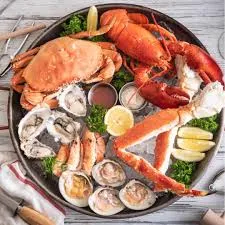
Mediterranean Seafood
Himare's waterfront restaurants serve the day's catch straight from the fishing boats — grilled sea bass, bream, and prawns, dressed simply with lemon, olive oil, and herbs. The freshness is unbeatable, and the prices are a fraction of what you'd pay across the Adriatic in Italy or Greece.

Grilled Octopus
A Riviera speciality — tender octopus chargrilled over coals and served with olive oil, lemon, and a scattering of sea salt. Best enjoyed at a harbourside taverna with a glass of cold white wine as the sun drops behind the mountains.
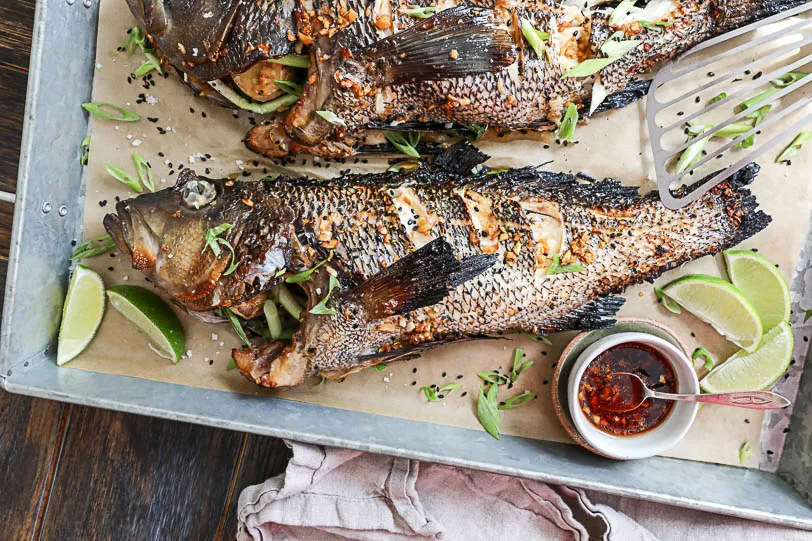
Grilled Fish
Whole fish — typically sea bream or sea bass — grilled over charcoal and served with nothing more than lemon and local olive oil. The simplicity is the point. Himare's fishermen supply the restaurants daily, and the quality speaks for itself.
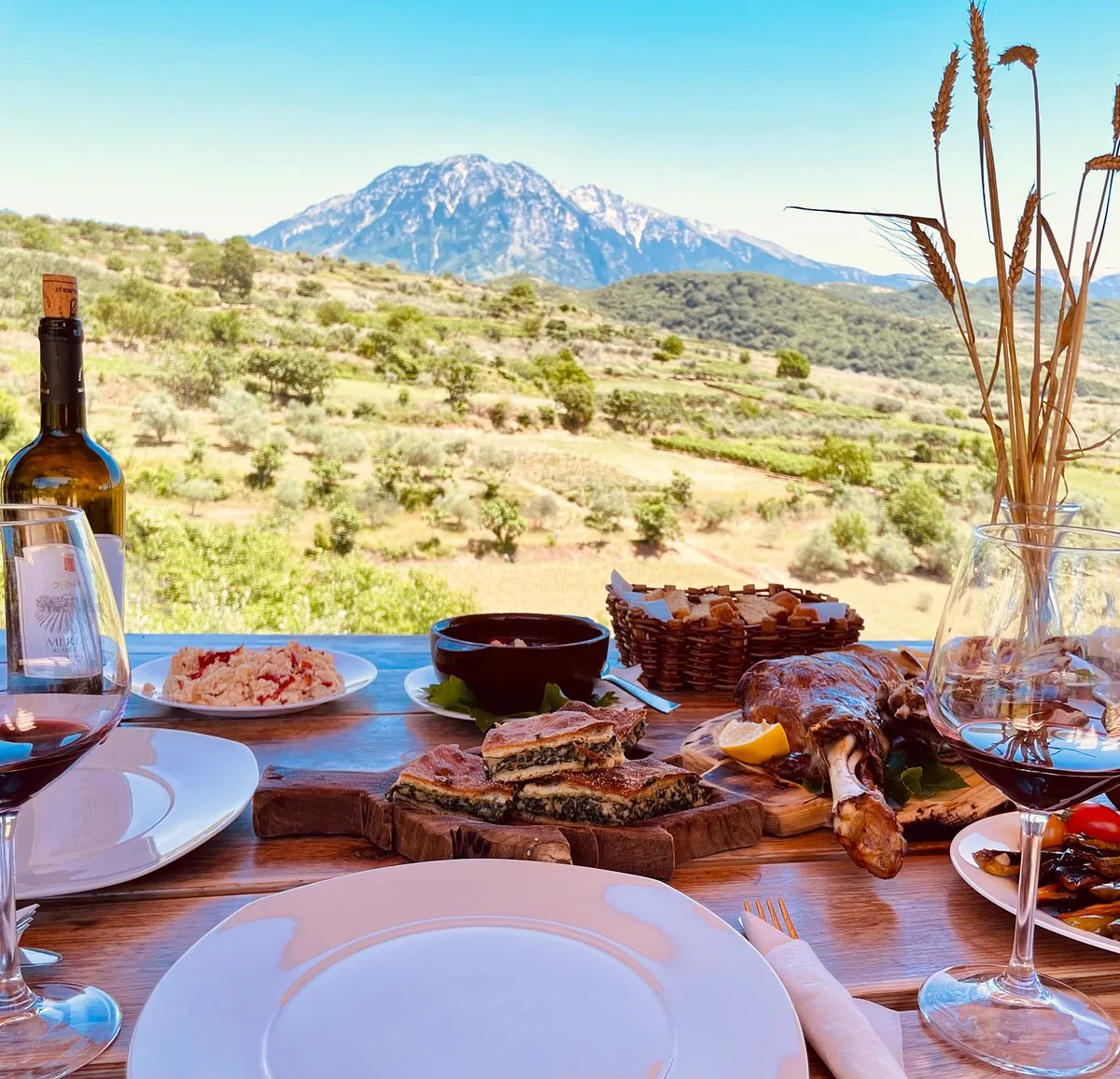
Goat Cheese
The mountain villages above the coast produce exceptional fresh and aged goat cheeses. Crumbly, tangy, and full of character — served as a meze with tomatoes, olives, and bread, or baked into savoury pies. A taste of the pastoral life that still thrives in the hills above the Riviera.
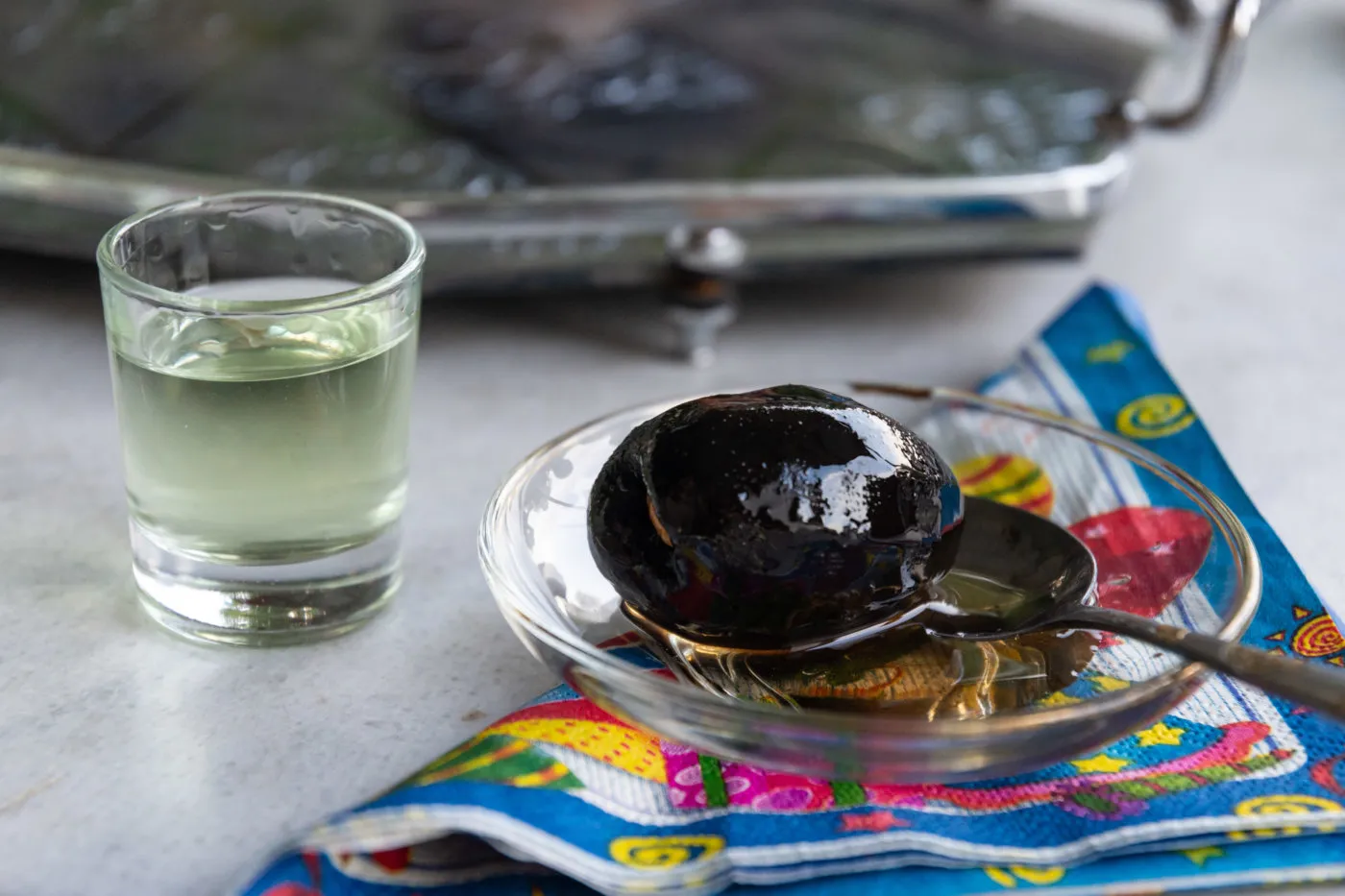
Raki
No meal on the Riviera ends without a glass of homemade raki — the clear grape spirit that's Albania's national drink. In Himare, many families still distil their own from backyard vineyards. Refusing a glass is considered impolite — and after the first sip, you won't want to.
Best Time to Visit Himare
Summer is for beach lovers, but spring and autumn offer the best balance of warm weather, quiet trails, and uncrowded coastline.
Summer
June – August28–35°CPeak season on the Riviera. Hot days, warm Ionian water (up to 26°C), buzzing beach bars, and long evenings at waterfront restaurants. Book accommodation well in advance — Himare fills up fast.
Spring
April – May16–24°CWildflowers on the hillsides, empty beaches, and perfect hiking weather. The sea is still cool but the coast is at its most beautiful. Ideal for exploring the old town and coastal trails without the summer crowds.
Autumn
September – October18–28°CThe sweet spot — warm seas, golden light, and thinning crowds. September still feels like summer on the beaches, while October brings olive harvest season in the groves above town.
Winter
November – March8–15°CHimare is quiet but never empty. Mild coastal winters, dramatic storm-watching from the castle, and the authentic pace of a small Albanian town. Many beach restaurants close, but the old town tavernas stay open year-round.
How to Reach Himare
Himare is approximately 3.5 hours from Durres by car, travelling south via Vlore and the spectacular Llogara Pass — a mountain road that crosses at 1,027 metres before descending to the Riviera coastline. The drive is one of the most scenic in the Balkans.
We offer private transfers from Durres and Tirana directly to Himare — comfortable, air-conditioned, and with a driver who knows every hairpin on the Llogara road.
Public minibuses (furgons) run daily from Tirana's South Bus Station and from Vlore. The nearest airport is Tirana International (TIA), approximately 4 hours away. A new Vlore airport, currently under construction, will reduce travel time significantly.
Tours in Himare
Discover hidden beaches by boat, hike coastal trails to secret coves, or explore the ancient castle with a local guide who knows every story these stones can tell.
Tours coming soon
We're preparing exciting new tours in Himare. Check back soon or contact us to arrange a private experience.
Contact UsReady to Explore Himare?
Whether you want a boat trip to hidden beaches, a hike along the coastal cliffs, or a sunset dinner overlooking the Ionian — we'll make it happen.