Shkodër
The Cradle of Albanian Culture — at the edge of Southern Europe's largest lake
Albania's Cultural Capital
Shkodër is Albania's cultural capital, perched at the edge of Southern Europe's largest lake and surrounded by the dramatic peaks of the Albanian Alps. For over 2,400 years, this city has been a crossroads of civilisations — Illyrian, Roman, Byzantine, Ottoman, and modern Albanian.
This is where Albania's first schools were founded, where the first Albanian newspaper was printed, where the oldest photography archive in the Balkans preserves 150 years of national memory. Shkodër is where Albanian culture was born — and where it continues to thrive today.
Just 2 hours from Durrës and 1.5 hours from Tirana, Shkodër is the gateway to northern Albania — from the stunning Albanian Alps to the emerald waters of the Shala River. But the city itself deserves at least a full day of exploration.
A City That Shaped a Nation
From an Illyrian stronghold to the intellectual heart of Albania — Shkodër's story is one of resilience, culture, and an unbroken spirit that has endured for millennia.
4th Century BCIllyrian Capital
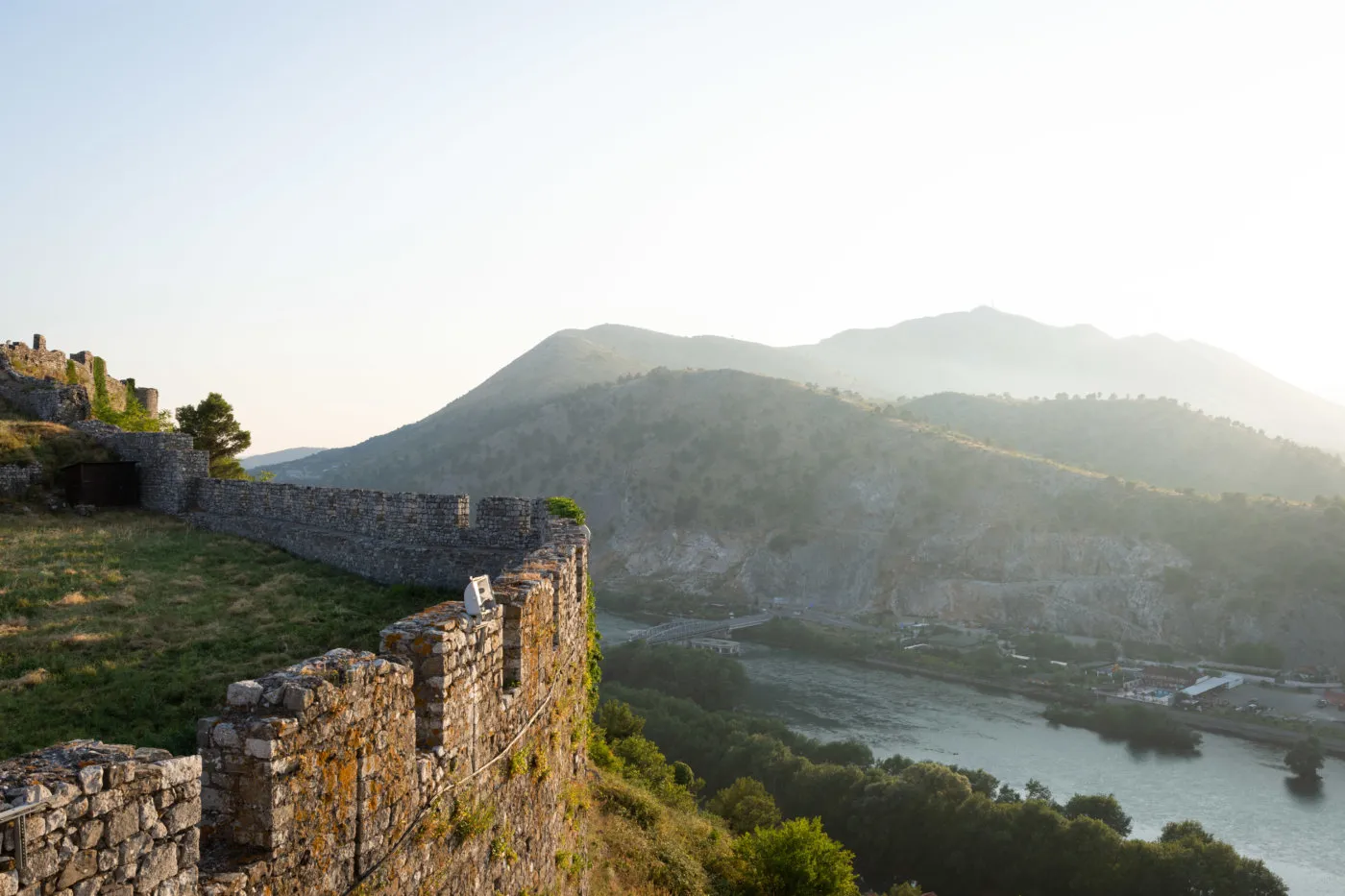
Capital of the Illyrian Labeatan kingdom. The Rozafa fortress was one of the most important Illyrian strongholds in the western Balkans, commanding a strategic position at the confluence of three rivers and overlooking the vast lake that would later bear the city’s name.
 Roman–Medieval
Roman Scodra & Beyond
Roman Scodra became an important Byzantine and Serbian city over the centuries. The Rozafa legend — of a woman walled into the fortress foundations so they would hold — is Albania’s most famous folk tale, and it was born in this era of fortress-building and imperial struggle.
 1479–1912
Ottoman Era
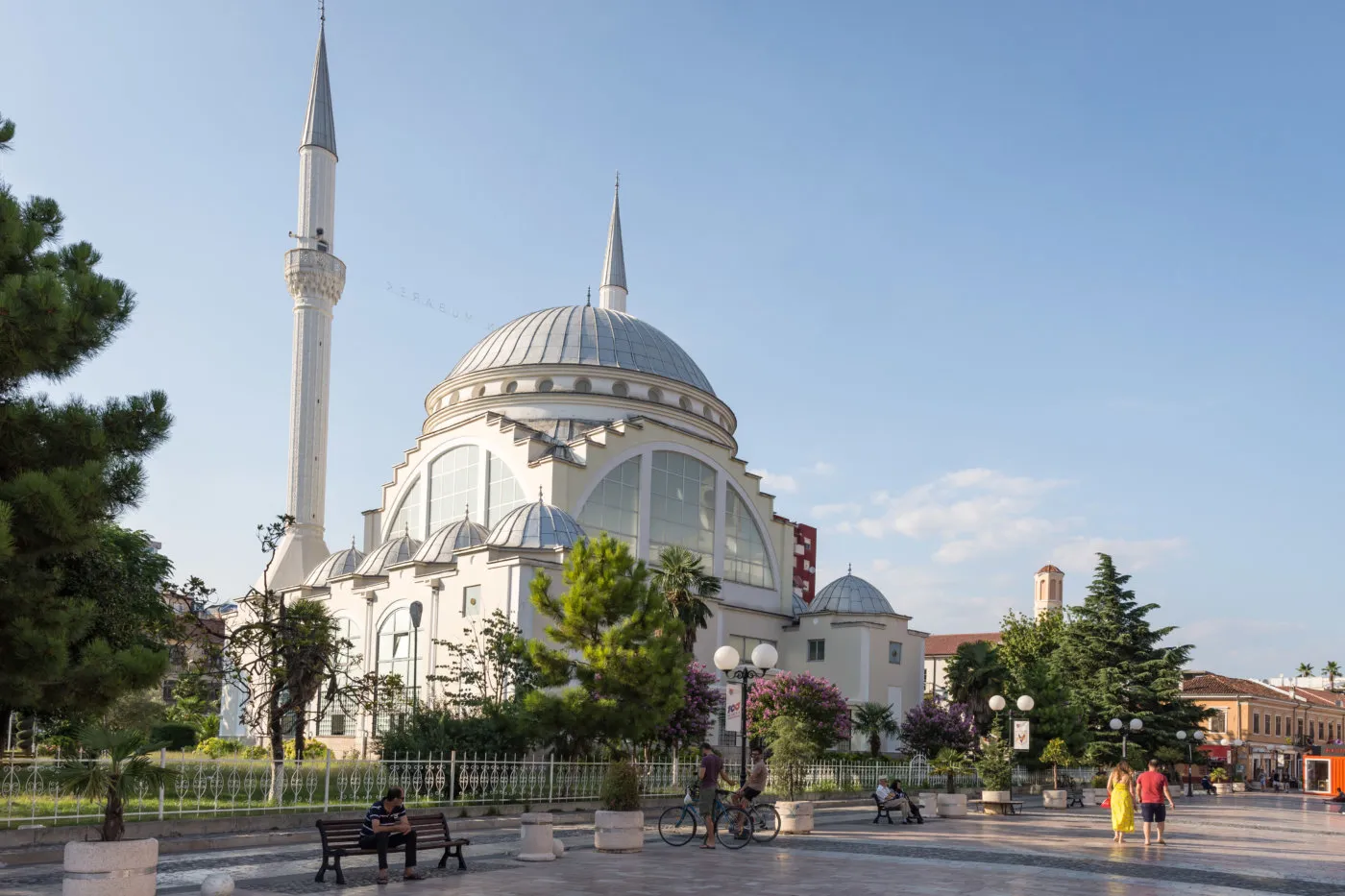
Shkodër became a major Ottoman administrative centre. The Lead Mosque, Ebu Beker Mosque, and hamam were built during this period. Shkodër was also a major Catholic centre, maintaining strong ties to Italy and the papacy — a rare duality that shaped the city’s tolerant, cosmopolitan character.
 19th Century
Cultural Awakening
Shkodër became the intellectual heart of Albania. The first Albanian school, newspaper, photography studio, and literary clubs were founded here. The Marubi photography archive (1858–present) is one of the oldest in the Balkans — over 500,000 negatives documenting 150+ years of Albanian life.
 1944–1991
Communist Era
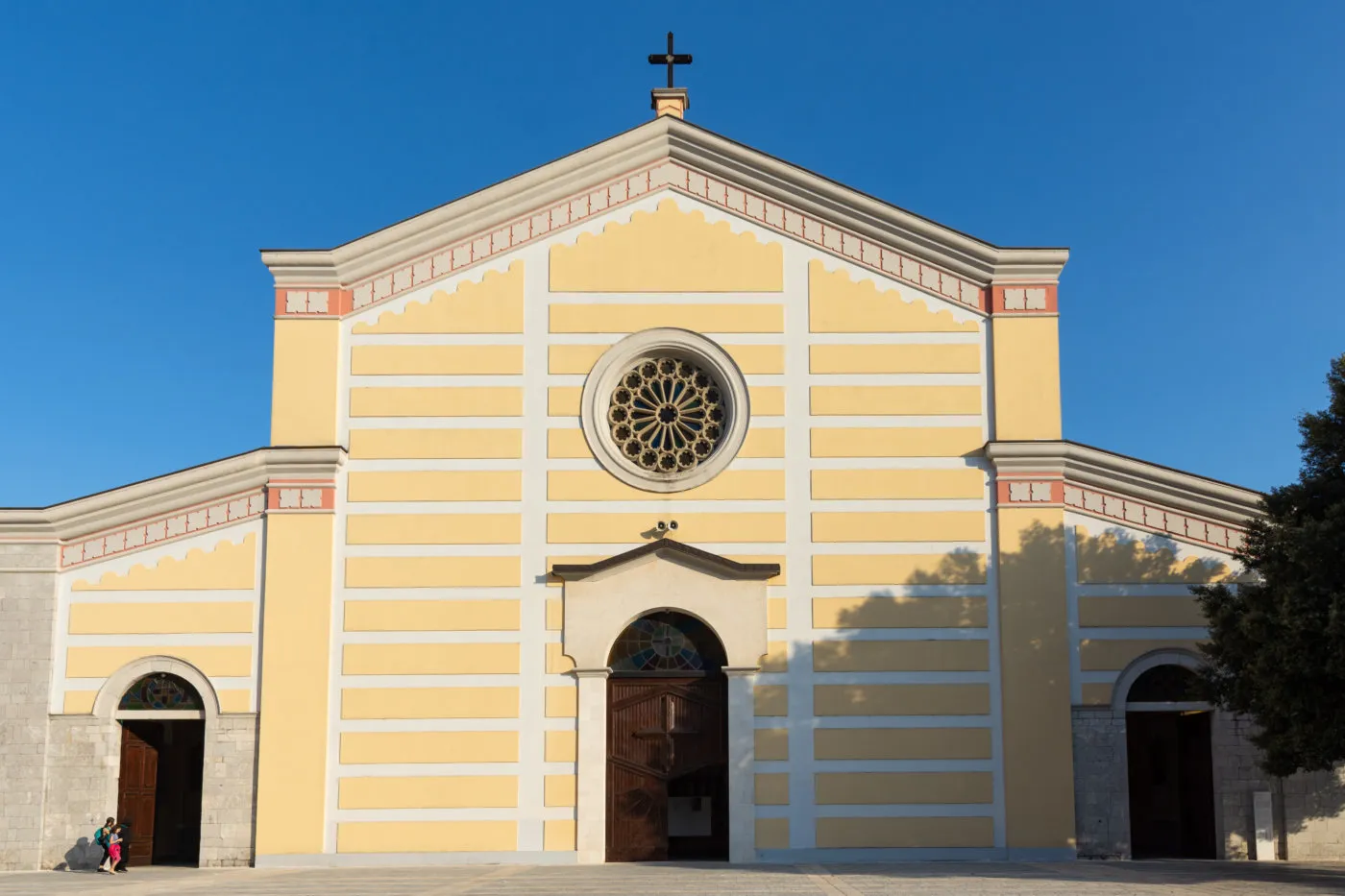
The Catholic population suffered particularly harsh persecution under the communist regime. The Shkodër cathedral was converted into a sports hall. Many intellectuals were imprisoned. Despite the repression, Shkodër’s cultural identity survived underground, kept alive through secret gatherings and forbidden traditions.
PresentA Vibrant Cultural Capital
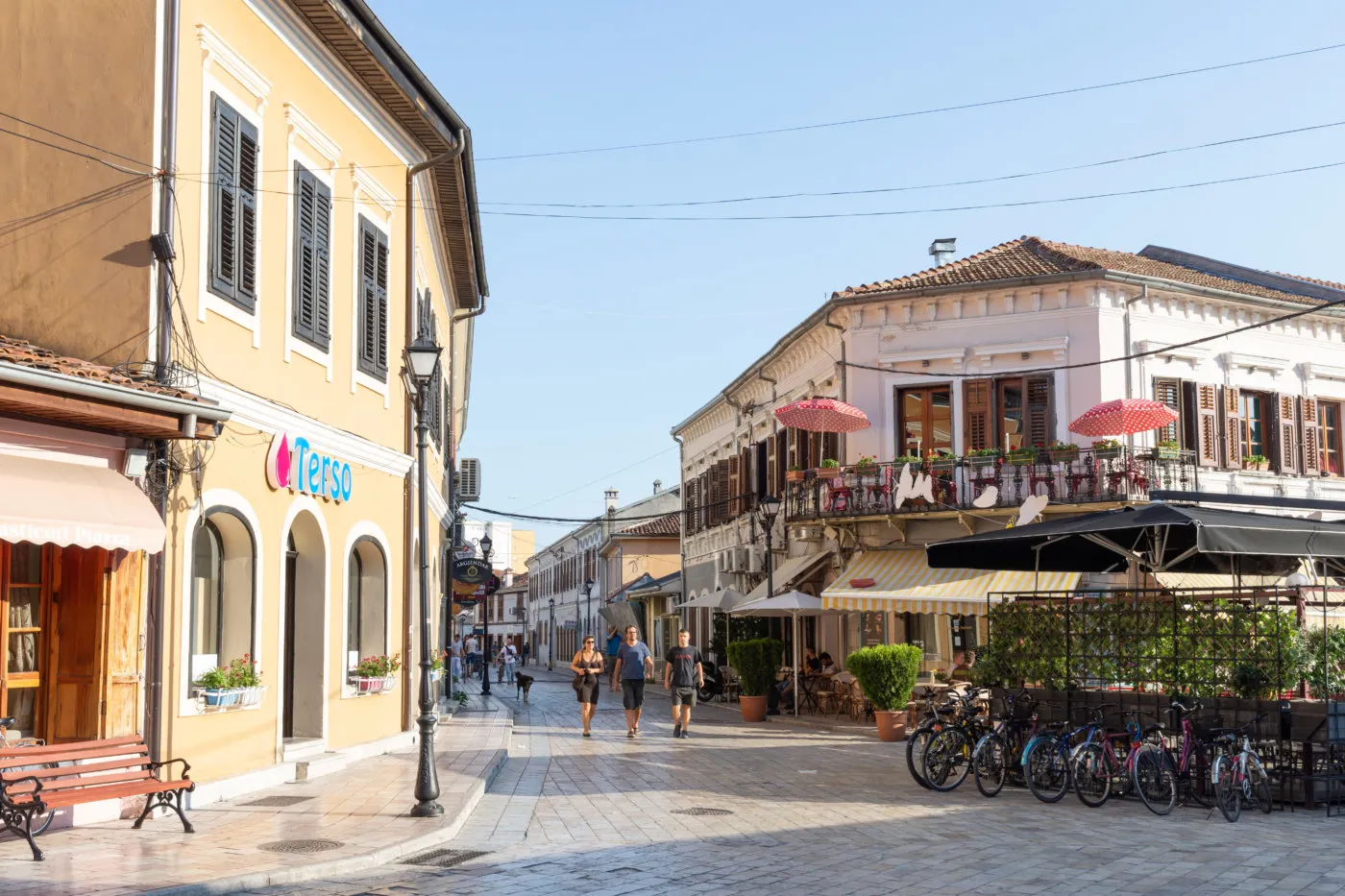
A vibrant, walkable city with the best café culture in Albania. The restored pedestrian centre, Rozafa Castle, lake cycling, and proximity to the Albanian Alps make it a perfect base for northern Albania. The evening xhiro — the beloved tradition of the communal stroll — is alive and well on Shkodër’s charming streets.
Landmarks & Attractions
From the legendary Rozafa Castle and Southern Europe's largest lake to Ottoman mosques and one of the Balkans' oldest photography archives — Shkodër is full of surprises.
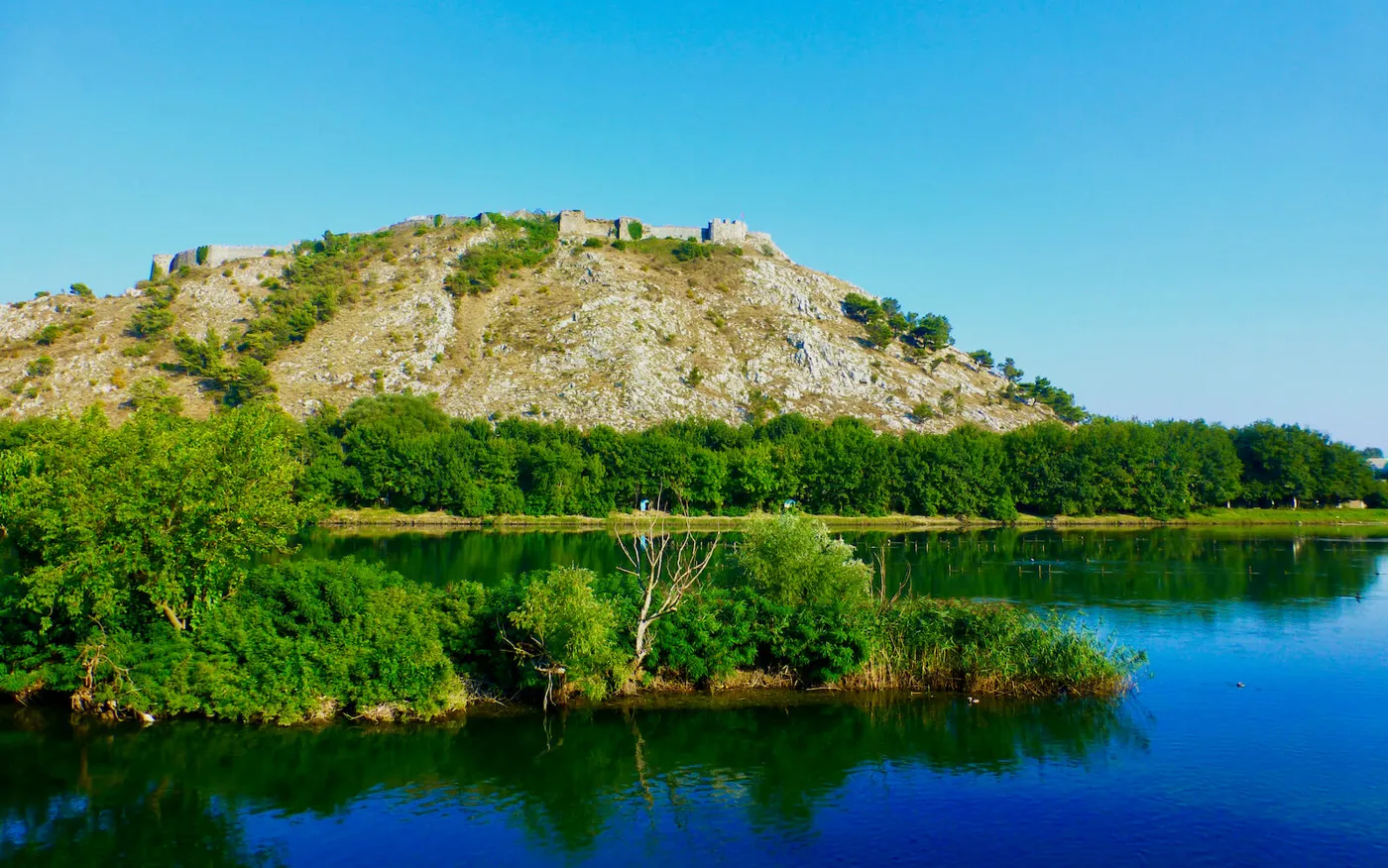
Rozafa Castle
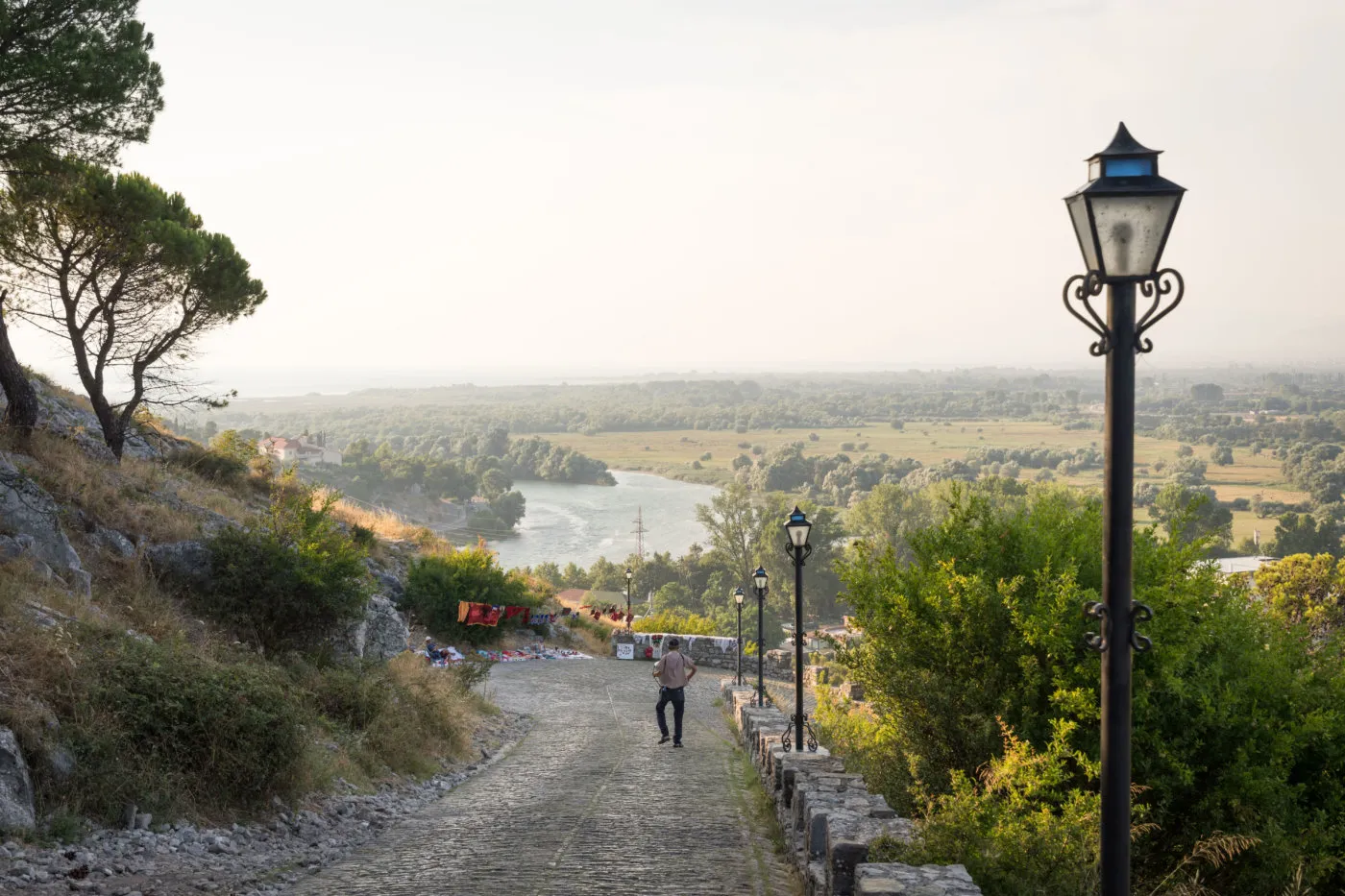
Ancient Illyrian fortress perched on a rocky hill at the confluence of three rivers. The legend of Rozafa — a woman sacrificed in the walls — is Albania’s most famous myth. Stunning sunset views over the lake and surrounding mountains.
Lake Shkodër
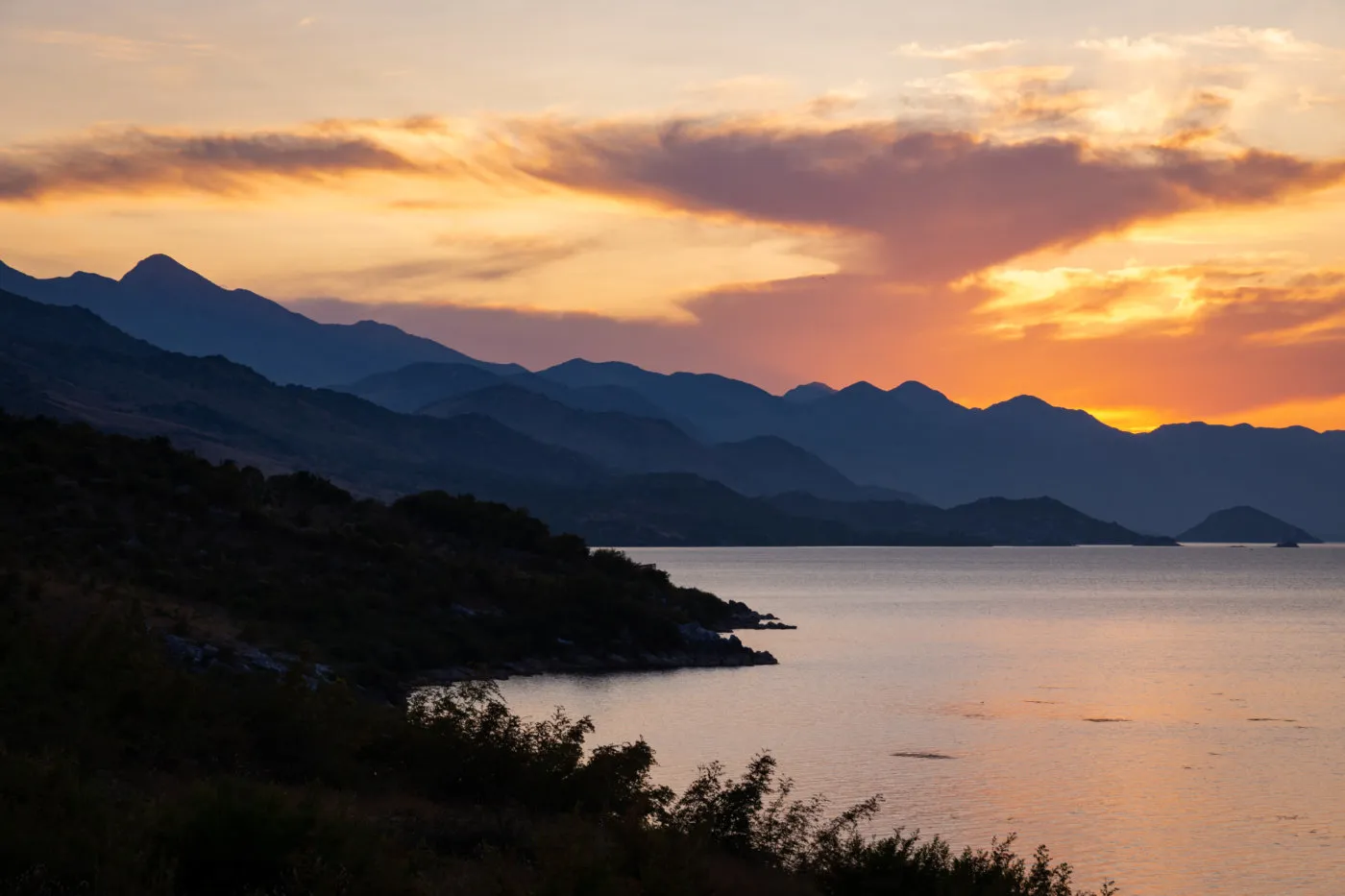
The largest lake in Southern Europe (370 km²), shared with Montenegro. Kayaking, cycling, birdwatching (pelicans, herons, cormorants). The lake changes colour dramatically with the seasons — from deep blue to silver-green.
Marubi Photography Museum
One of the oldest photography archives in the Balkans, founded in 1858 by Pietro Marubi. Over 500,000 negatives documenting 150+ years of Albanian life. A truly unique museum that offers a window into a vanished world.
Shkodër Cathedral
The largest cathedral in Albania, rebuilt after communism. Shkodër is Albania’s main Catholic centre, and the cathedral is a symbol of the city’s resilience and its centuries-long tradition of religious coexistence.
Ebu Beker Mosque
An elegant lead-domed Ottoman mosque, one of Shkodër’s most important Islamic monuments, representing the city’s remarkable tradition of religious coexistence between Catholic and Muslim communities.
Pedestrian Centre
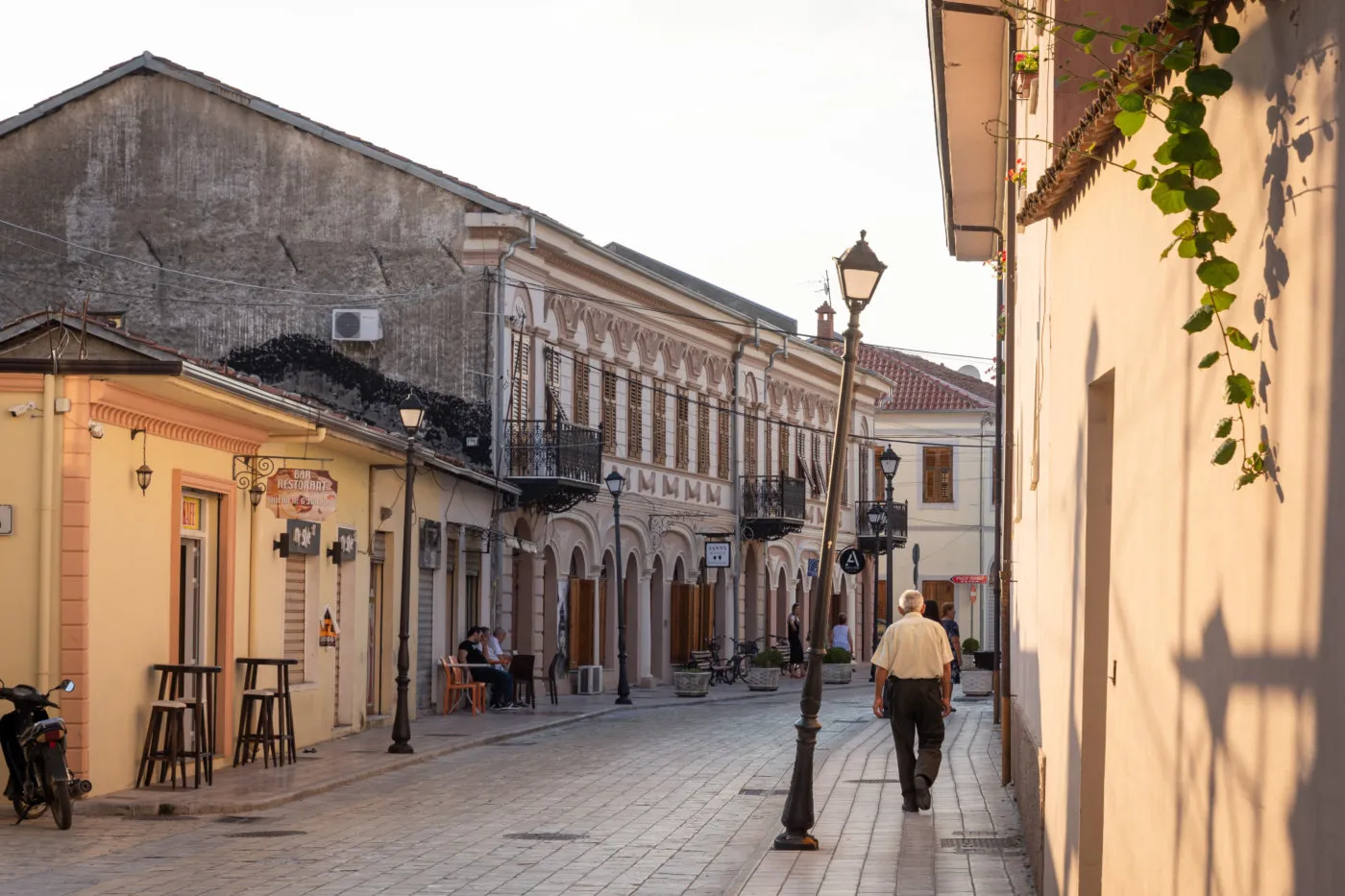
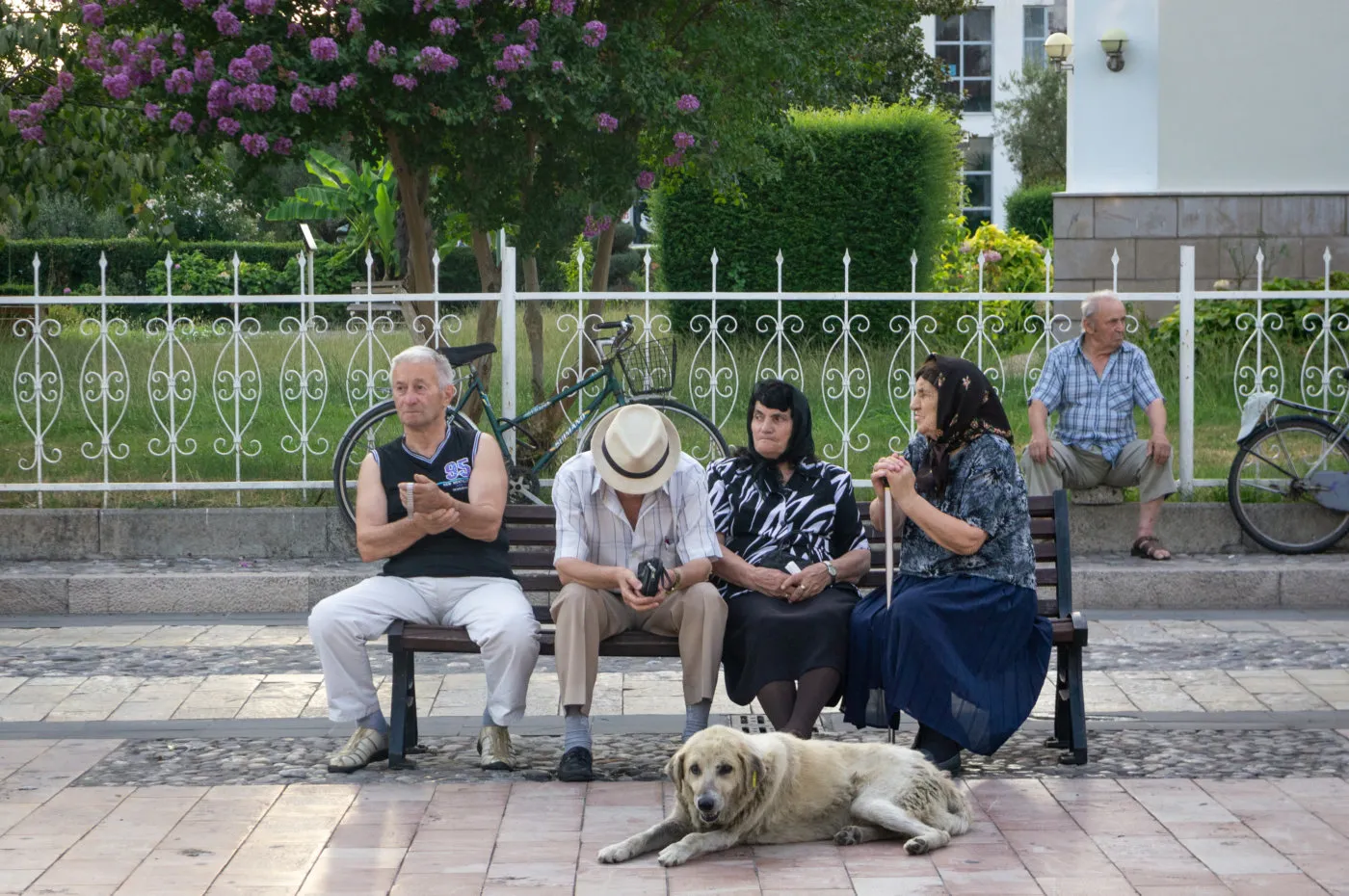
Shkodër’s beautifully restored pedestrian streets are lined with cafés, bookshops, and cultural spaces. The evening xhiro (stroll) is the city’s beloved tradition — the entire town comes out to walk, talk, and people-watch.
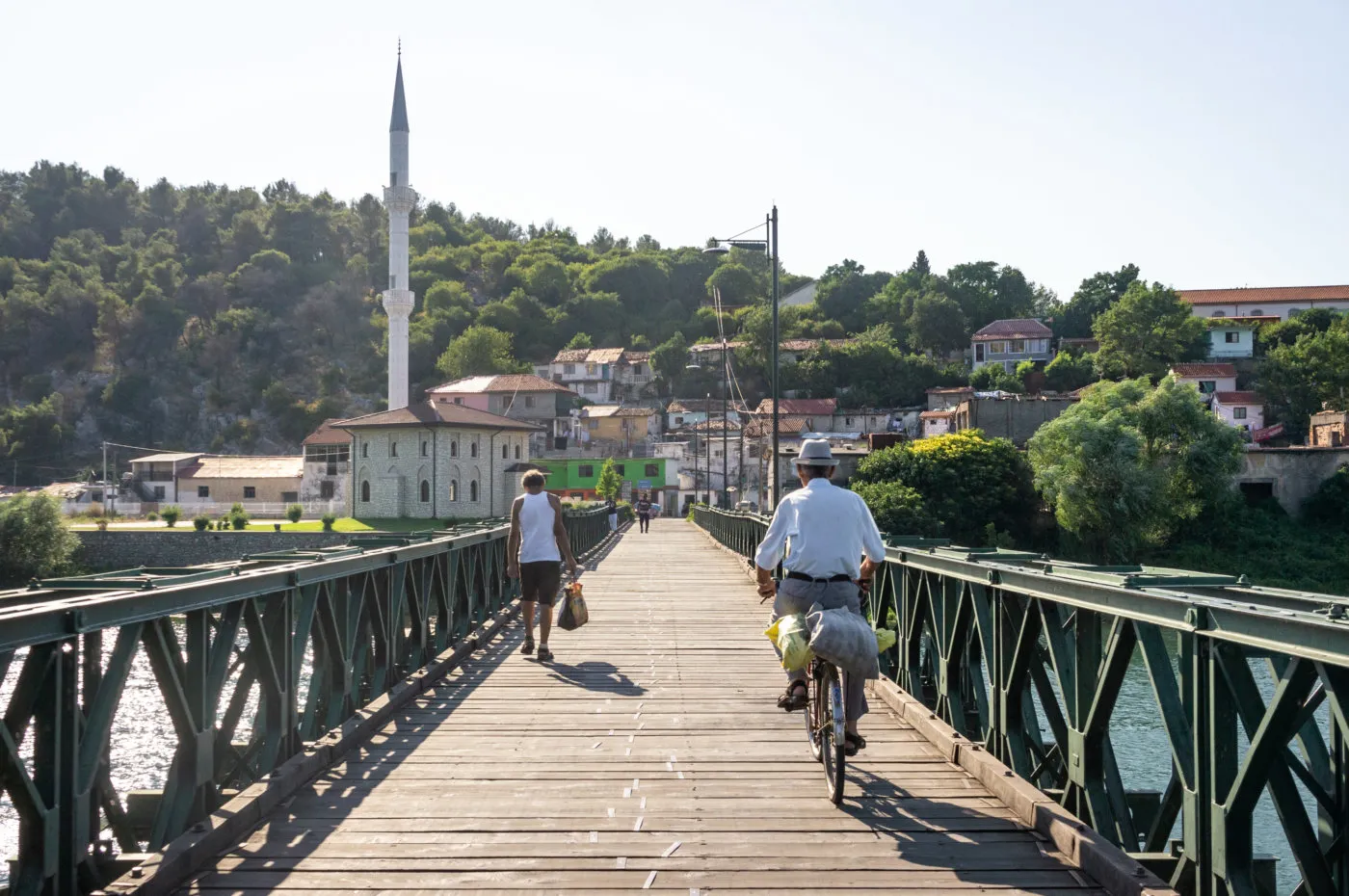
Buna River Bridge
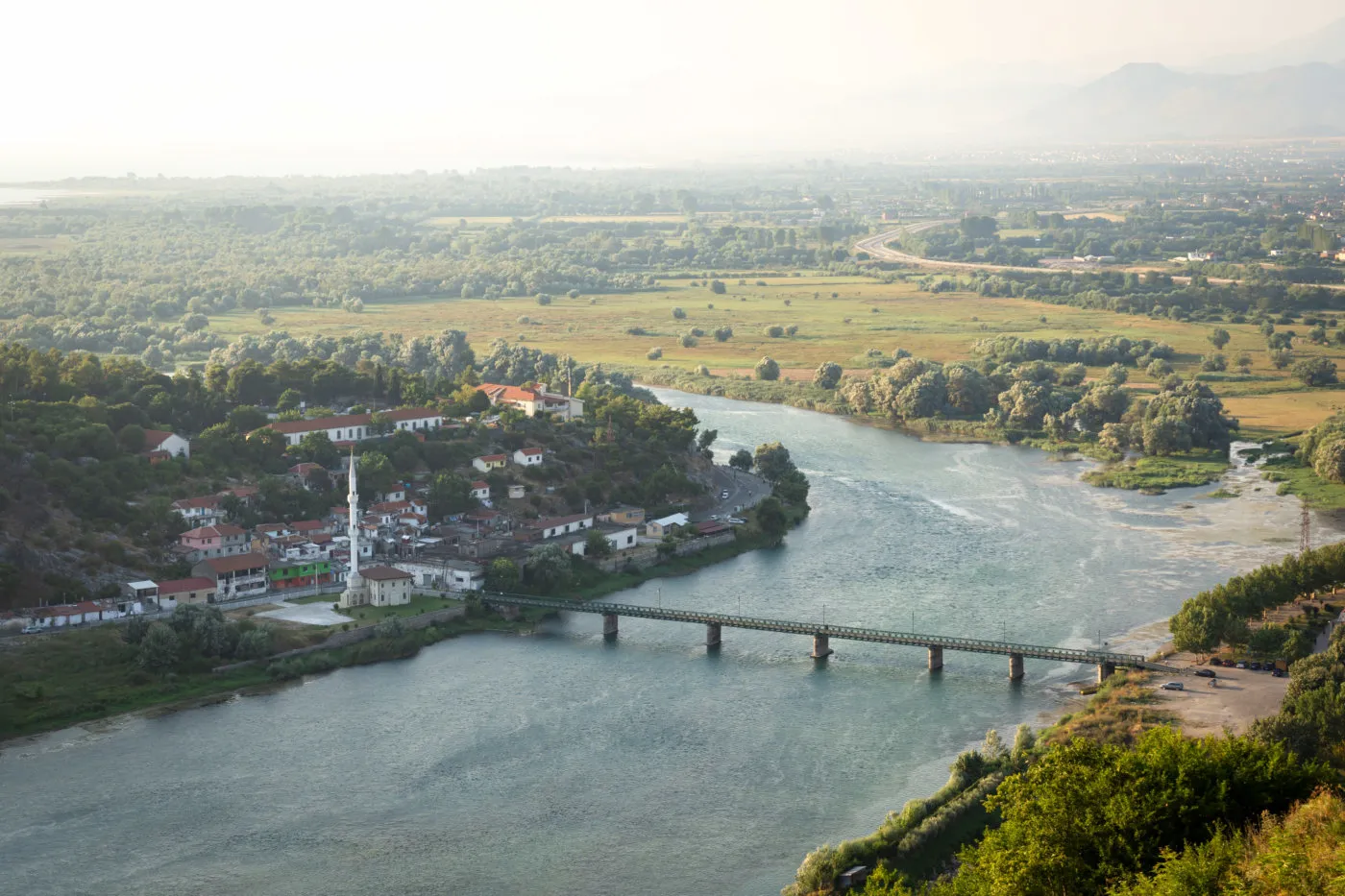
The river confluence area where the Buna, Drin, and Kir rivers meet beneath the castle. Scenic viewpoints and riverside cafés make this one of the most atmospheric spots in the city.
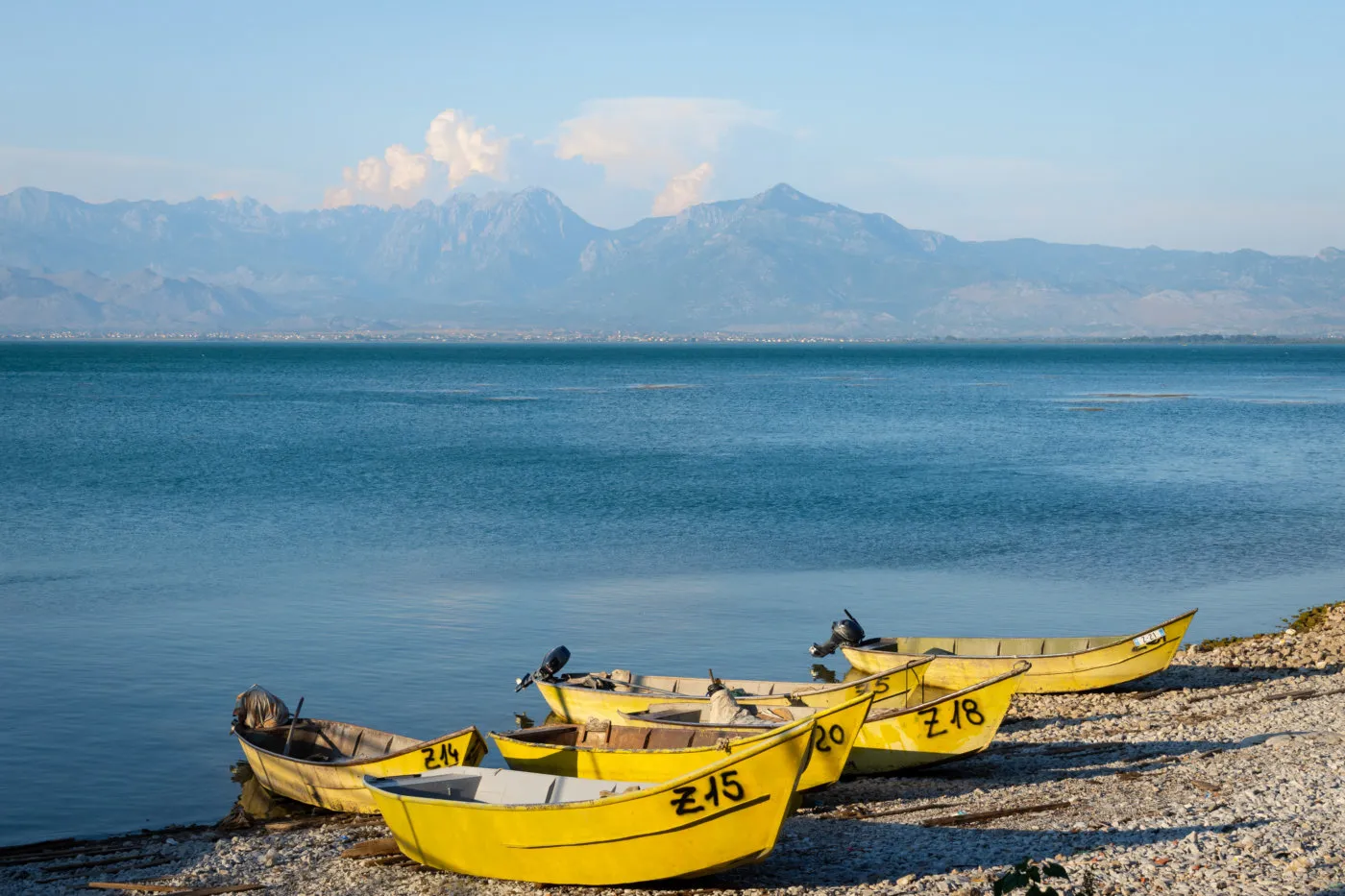
Lake & Nature
Shkodër sits at the meeting point of lake, river, and mountain — making it one of the best outdoor destinations in Albania. Whether you cycle the lakeshore, kayak beneath the castle, or venture into the Albanian Alps, nature is never more than minutes away.
Lake Cycling
A 40 km cycling trail around the lake shore with stunning mountain views on every side. Bikes are easily rented in the city centre, and the mostly flat terrain makes it accessible to all levels.
Birdwatching
Pelicans, herons, cormorants — Lake Shkodër is one of Europe’s richest wetlands. The Dalmatian pelican colony is internationally significant, and the lake’s marshes teem with birdlife year-round.
Kayaking
Paddle along the lake shore with Rozafa Castle as your backdrop. Guided kayak tours take you through reed beds and past fishing villages that have barely changed in centuries.
Shala River
“Albania’s Thailand” — an emerald river canyon accessible by boat from Koman Lake. Crystal-clear turquoise water surrounded by sheer canyon walls. A full-day trip from Shkodër that is absolutely unforgettable.
Albanian Alps Gateway
Shkodër is the starting point for trips to Theth and Valbona — Albania’s most spectacular mountain valleys. Minibuses depart daily in summer, and the drive through the mountains is an adventure in itself.
Food & Cuisine
Lake fish, northern Albanian comfort food, and the best trileçe in the country — Shkodër's cuisine is hearty, honest, and rooted in centuries of tradition.
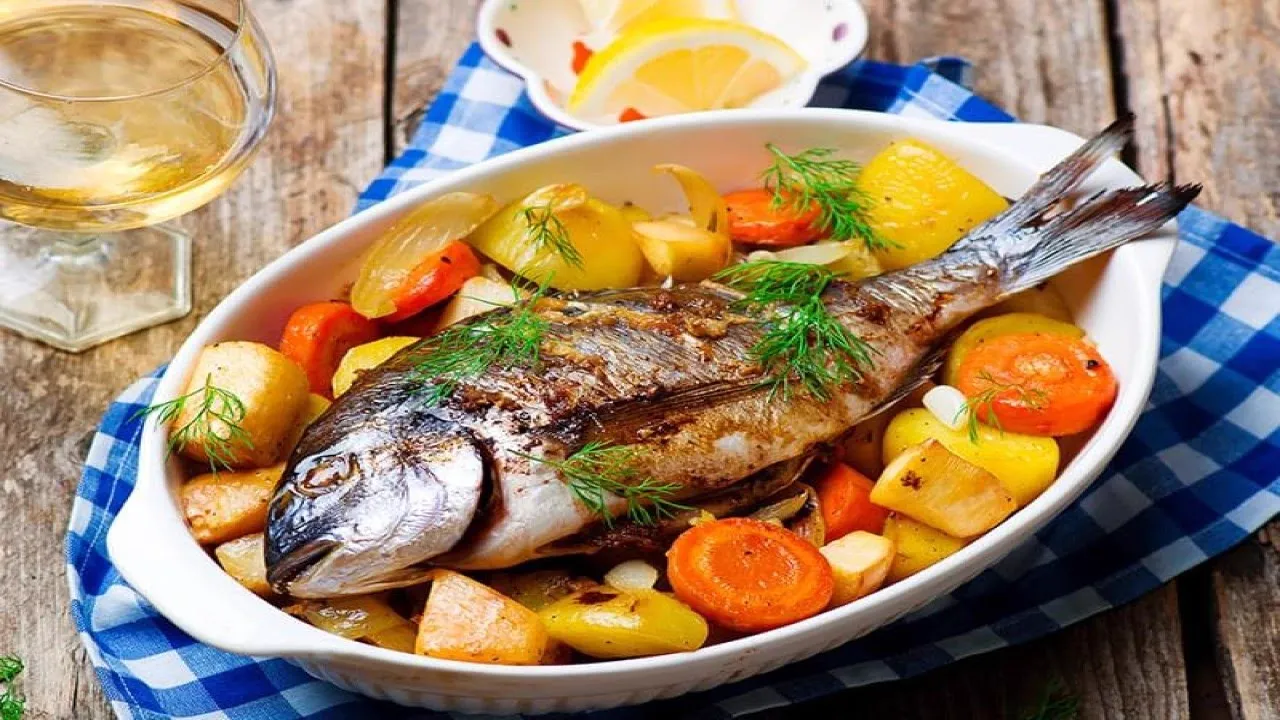
Carp from Lake Shkodër
The lake’s signature dish, baked or grilled to perfection. Fresh carp from Shkodër’s waters has been the centrepiece of local cuisine for centuries — simple, honest, and delicious.
Tavë Krapi
Baked carp in onion, tomato, and walnut sauce — Shkodër’s most celebrated traditional dish. Slow-cooked in a clay pot, the rich sauce transforms the humble lake fish into something extraordinary.
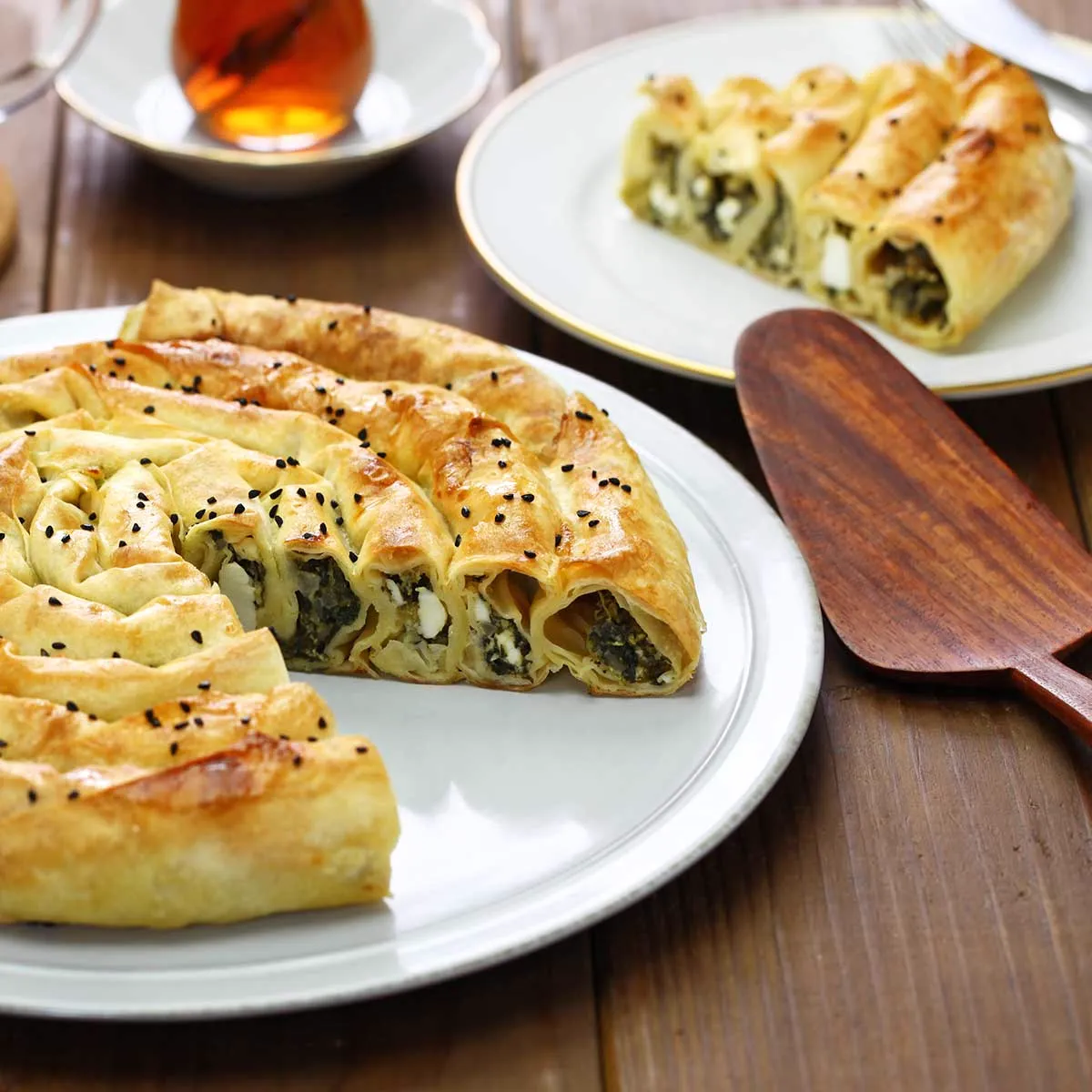
Byrek
Northern Albanian byrek with cheese or meat. Flakier and richer than the southern versions, Shkodër’s byrek is a breakfast staple paired with drinking yoghurt or a strong macchiato.
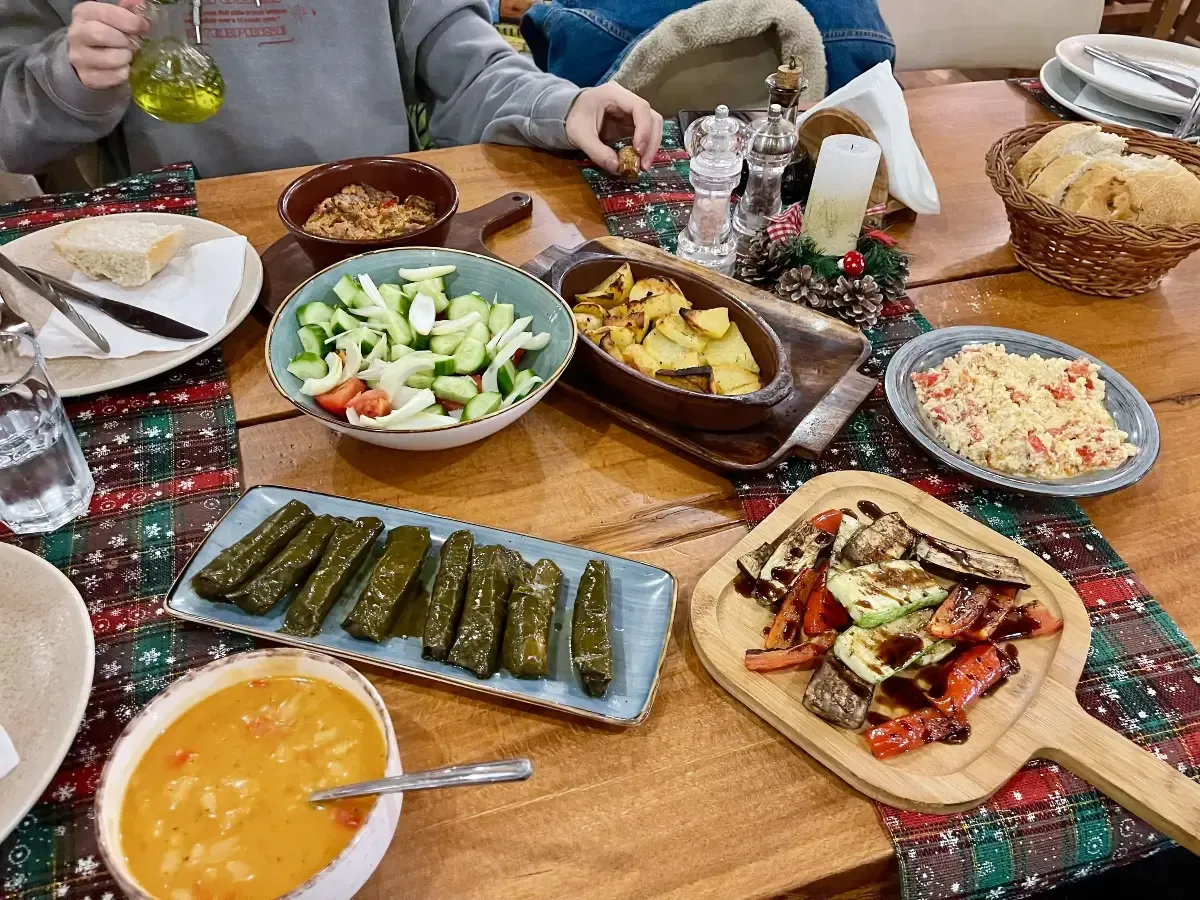
Petka Mbushura
Stuffed peppers with rice and meat, Shkodër style. A hearty northern Albanian comfort dish, often prepared with peppers grown in the fertile plains surrounding the lake.
Trileçe
Three-milk cake, a beloved Shkodër dessert. This creamy, caramel-topped cake is served in every café in the city and has become one of Albania’s most famous sweets.
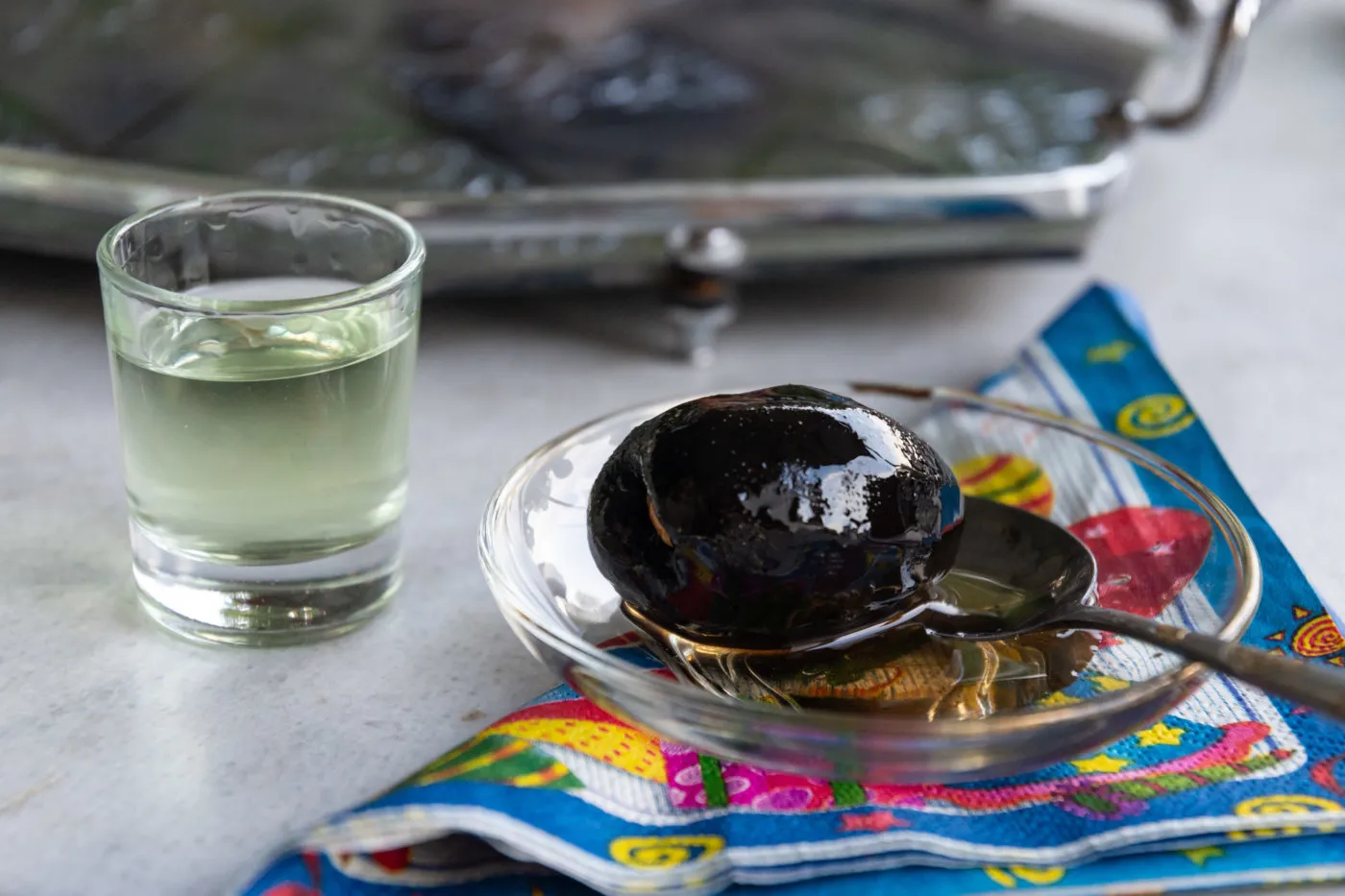
Raki
Northern raki, often distilled from plums rather than grapes. Shkodër’s raki is smoother and fruitier than the southern variety — and just as essential at the end of every meal.
Best Time to Visit Shkodër
Shkodër is beautiful year-round, but spring and early autumn offer the perfect balance of warm weather, fewer crowds, and stunning natural scenery.
Spring
April – May14–24°CThe best time to visit. Wildflowers carpet the lakeside, the mountains are still snow-capped, and the weather is perfect for cycling, hiking, and exploring the city on foot.
Summer
June – August28–35°CHot but lively. The lake is perfect for kayaking, the Albanian Alps are accessible, and the evening xhiro fills the pedestrian streets. Book Theth and Valbona trips early.
Autumn
September – October16–26°CGolden light over the lake, fewer tourists, and harvest season in the surrounding countryside. September still feels like summer; October brings cooler evenings and spectacular colours.
Winter
November – March2–10°CQuieter and cooler, but Shkodër’s café culture keeps the city warm. The lake takes on a moody, atmospheric beauty. Snow in the surrounding mountains creates stunning scenery.
How to Reach Shkodër
Shkodër is approximately 2 hours from Durrës and 1.5 hours from Tirana via the modern highway. We offer private transfers from both cities — your driver will pick you up from your hotel or the airport.
Regular public minibuses (furgons) connect Shkodër with Tirana throughout the day, departing from the north-south terminal. The journey takes around 2 hours and costs under €5.
Shkodër is the gateway to the Albanian Alps. From here, minibuses and private transfers run daily to Theth (2.5h) and the Koman Ferry to Valbona (1h to the ferry terminal). The city is also just 30 minutes from the Montenegrin border at Hani i Hotit.
Tours in Shkodër
Explore Rozafa Castle, cycle around the lake, taste northern Albanian cuisine, or use Shkodër as your base for the Albanian Alps — all with local guides who know every story.
Tours coming soon
We're preparing exciting new tours in Shkodër. Check back soon or contact us to arrange a private experience.
Contact UsReady to Explore Shkodër?
Whether you want to explore Rozafa Castle at sunset, cycle around the lake, or use Shkodër as your base for the Albanian Alps — we'll make it happen.