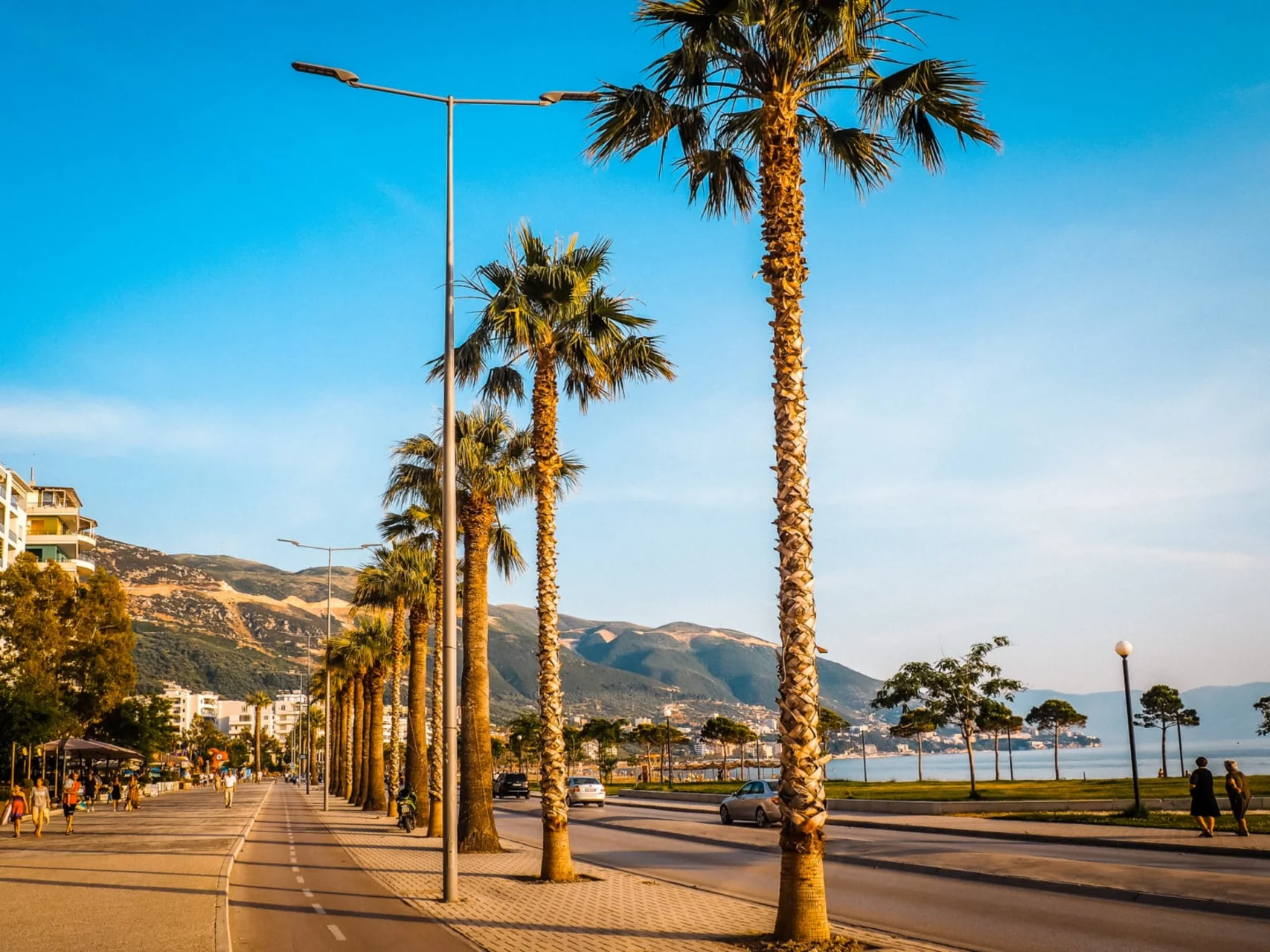
Vlorë
Where Two Seas Meet — the birthplace of Albanian independence and gateway to the Riviera
The Birthplace of a Nation
Vlorë is where Albania was born. On November 28, 1912, Ismail Qemali raised the national flag here and declared independence from the Ottoman Empire — a moment that defines the city's identity to this day. But Vlorë's story stretches back over 2,500 years, from its origins as the ancient Greek colony of Aulona to its role as a strategic port for Romans, Byzantines, and Ottomans.
Located at the point where the Adriatic Sea meets the Ionian, Vlorë enjoys a unique geography that gives it some of the cleanest, most beautiful waters in the Mediterranean. The city sits at the start of the Albanian Riviera — the spectacular coastal stretch that winds south through Llogara Pass to Dhërmi, Himara, and Saranda.
Just 2.5 hours from Durrës and 2 hours from Tirana, Vlorë is the perfect base for exploring southern Albania's coastline, the wild Karaburun Peninsula, and the flamingo-filled Narta Lagoon — all while soaking in the history and hospitality of one of Albania's most important cities.
From Ancient Aulona to Modern Riviera Gateway
From a Greek colony on the Adriatic to the birthplace of Albanian independence — Vlorë's story is one of strategic importance, resilience, and reinvention across millennia.
 6th Century BC
Ancient Aulona
Founded as a Greek colony, the ancient city of Aulona was an important port on the Adriatic. For centuries it served as a trading hub connecting the Greek world with the Illyrian hinterland, and its strategic harbour made it a prize for successive Mediterranean powers.
 Roman–Byzantine
Imperial Crossroads
Vlorë became a major port along the Via Egnatia network, the great Roman road linking the Adriatic to Constantinople. The city changed hands between Romans, Byzantines, Normans, and Angevins — each leaving their mark on its fortifications, churches, and trade routes.
1417–1912Ottoman Era
Under Ottoman rule for nearly 500 years, Vlorë developed as a provincial port town. The Muradie Mosque, built in 1542 and designed by the legendary architect Mimar Sinan, is a masterpiece of the period and one of the most important Ottoman monuments in Albania.
November 28, 1912Independence Day
Ismail Qemali raised the Albanian flag in Vlorë, declaring independence from the Ottoman Empire. This single act transformed the city into the birthplace of the Albanian nation. The Independence Monument and museum now mark this historic moment on the square where it all happened.
 1914–1920
Early Capital
Vlorë briefly served as Albania's capital in the turbulent years following independence. The city was occupied by Italy during World War I, and Albanian resistance drove them out in 1920 in the famous Vlora War — a pivotal moment in consolidating the young nation's sovereignty.
PresentRiviera Gateway
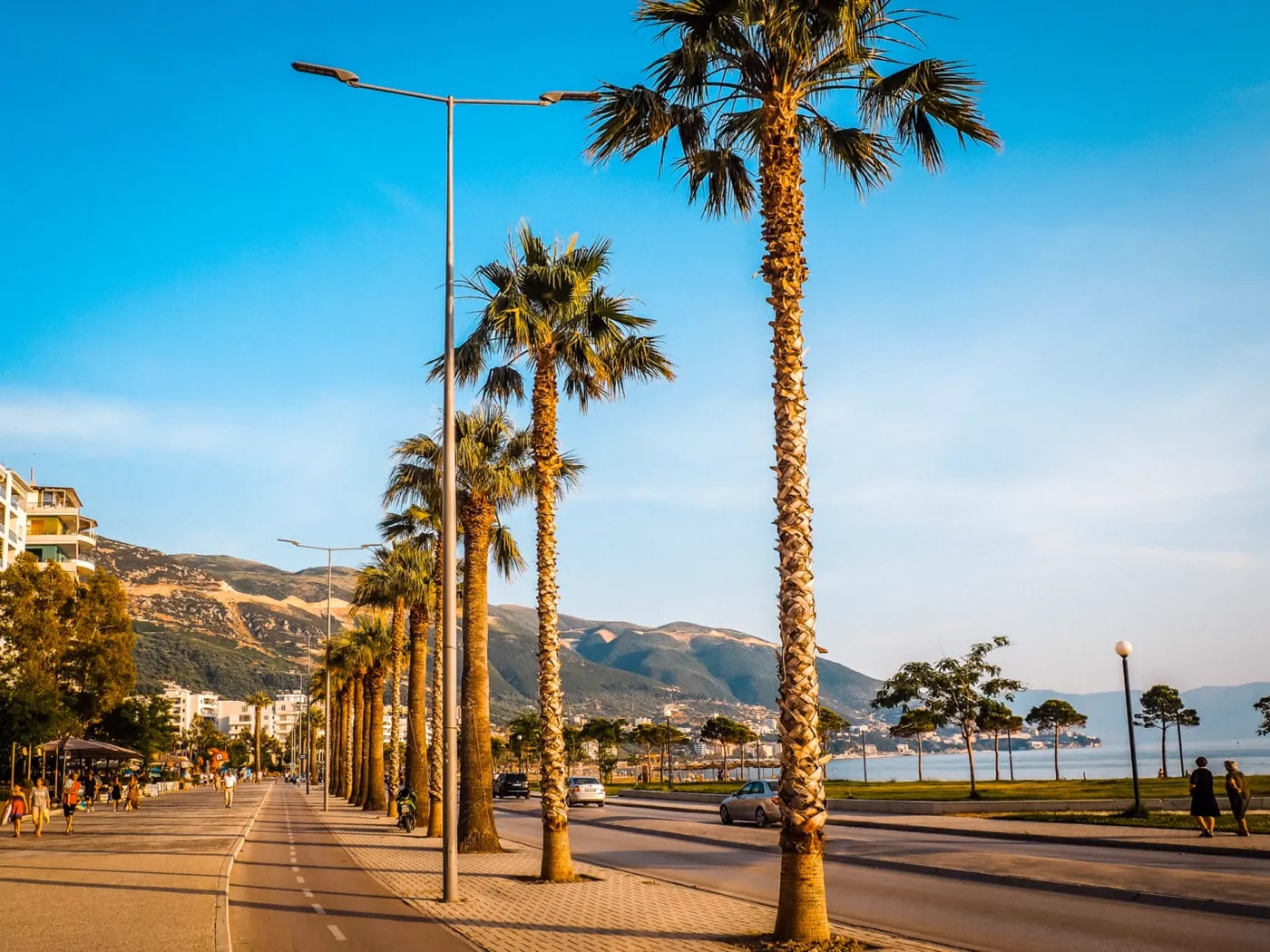
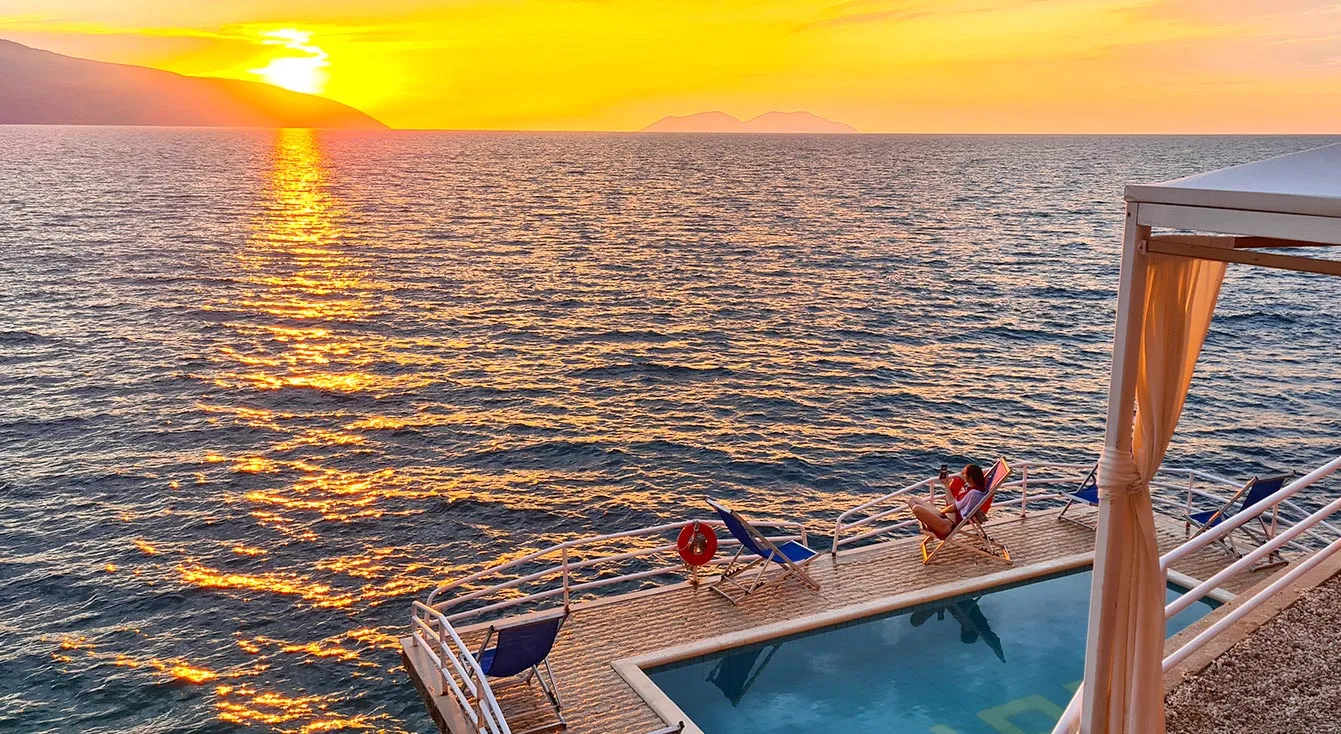
Modern Vlorë is a vibrant waterfront city and the main gateway to the Albanian Riviera via the spectacular Llogara Pass. With a renovated promenade, growing tourism infrastructure, and its position where the Adriatic meets the Ionian Sea, Vlorë is experiencing a renaissance as one of Albania's most exciting coastal destinations.
Landmarks & Attractions
From the Independence Monument and Ottoman mosques to wild peninsulas and flamingo lagoons — Vlorë offers a remarkable mix of history and natural beauty.
Independence Monument & Museum
The square where Ismail Qemali declared Albanian independence in 1912. The museum houses original documents, photographs, and the first Albanian flag — a pilgrimage site for every Albanian and a powerful introduction to the nation's modern history.
Muradie Mosque
Designed by the legendary Ottoman architect Mimar Sinan in 1542, the Muradie Mosque is one of the most important Ottoman monuments in Albania. Its elegant proportions and historical significance make it a must-visit landmark in the city centre.
Llogara National Park
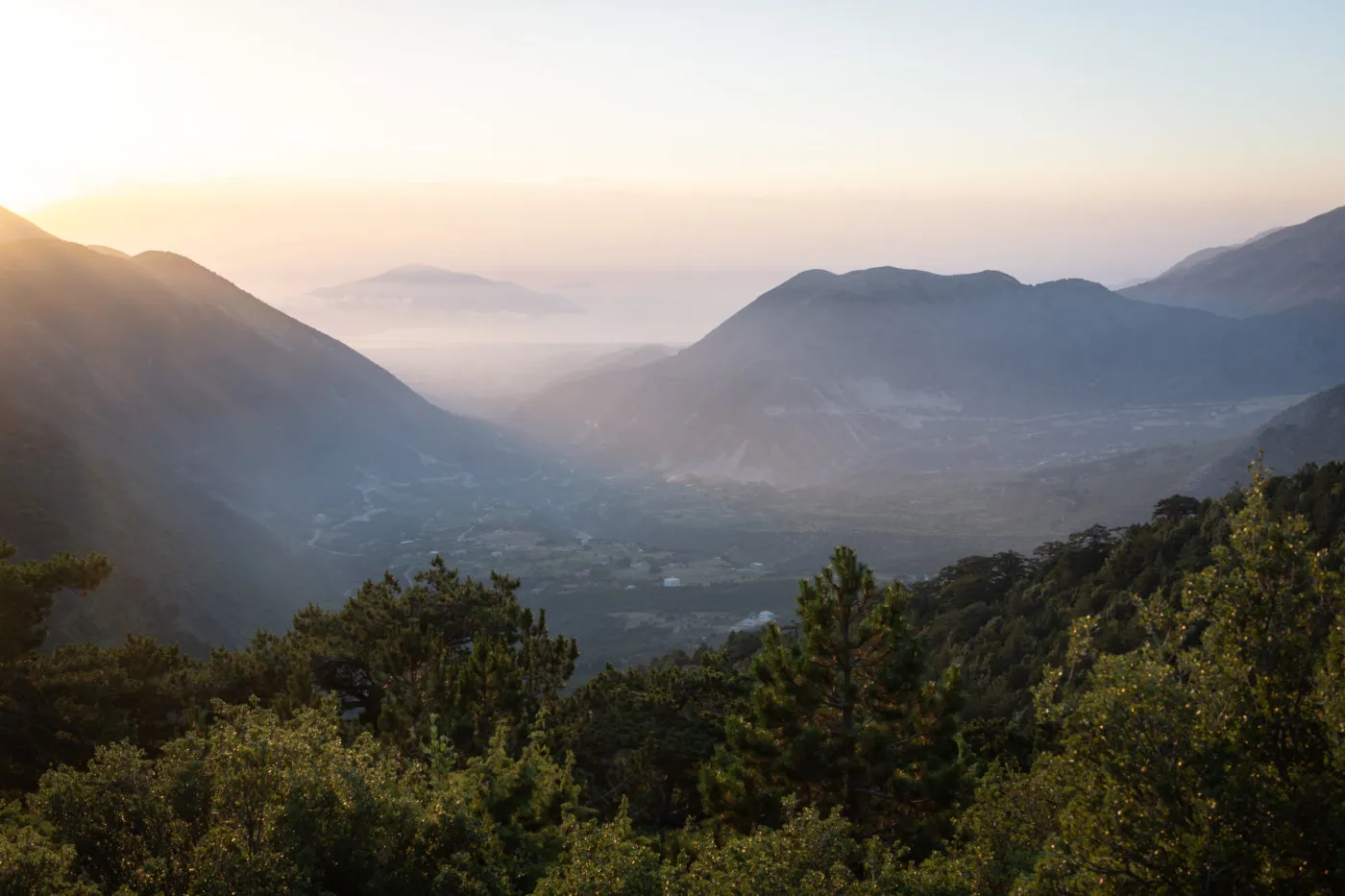
A stunning mountain pass at 1,027 metres with ancient pine forests, panoramic coastal views stretching across both seas, and traditional restaurants serving roast lamb and mountain yoghurt. The drive over the pass is one of the most spectacular in all of Europe.
Zvernec Island Monastery
A 13th-century Byzantine monastery on a tiny island in the Narta Lagoon, connected to the mainland by a wooden boardwalk through wetlands. The peaceful setting and ancient frescoes make it one of the most atmospheric sites in southern Albania.
Narta Lagoon
A protected wetland teeming with flamingos, pelicans, and other migratory birds. The salt pans have been harvested since antiquity, and the lagoon's shallow waters create a shimmering landscape that changes colour with the light throughout the day.
Karaburun Peninsula
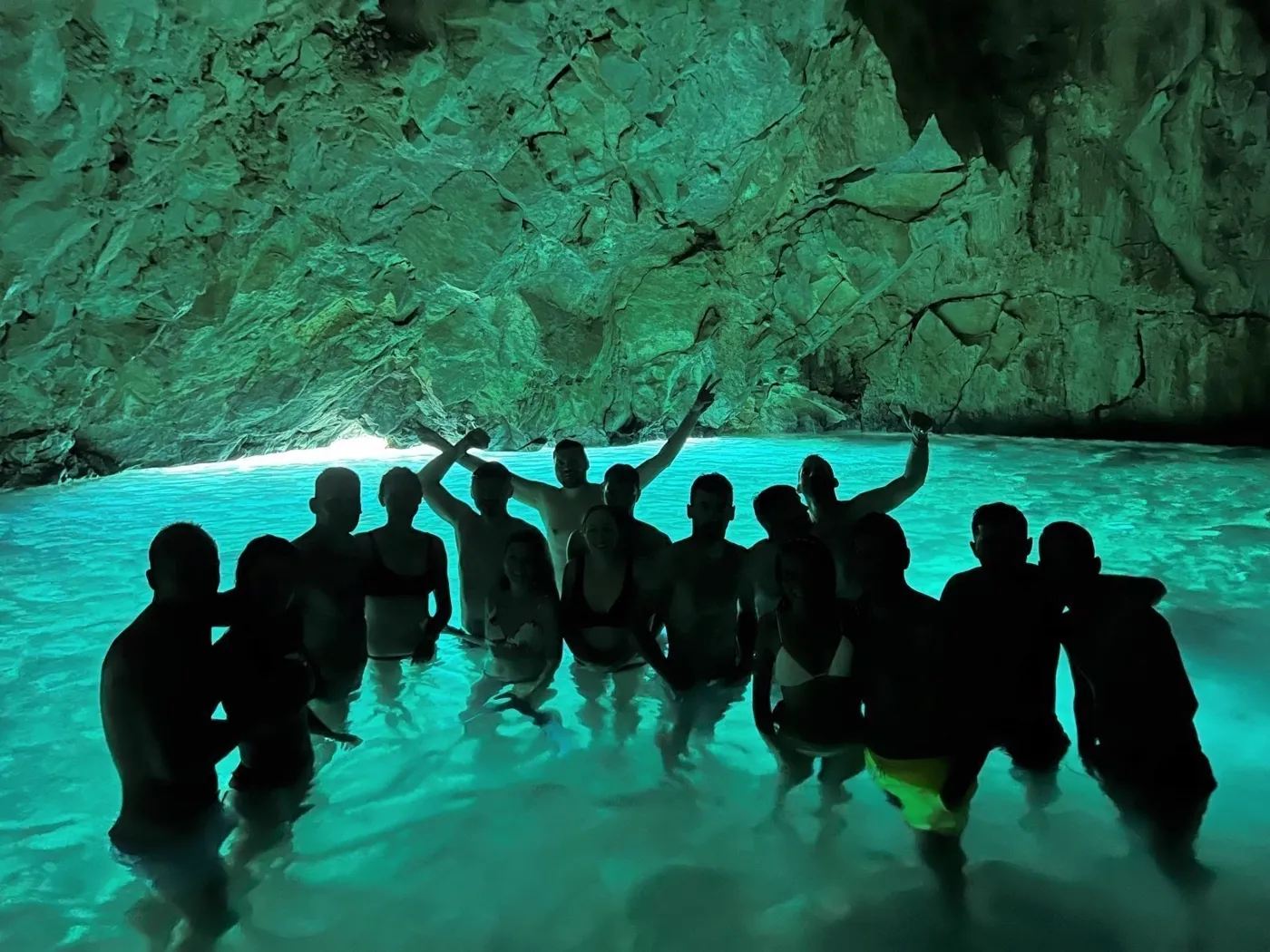
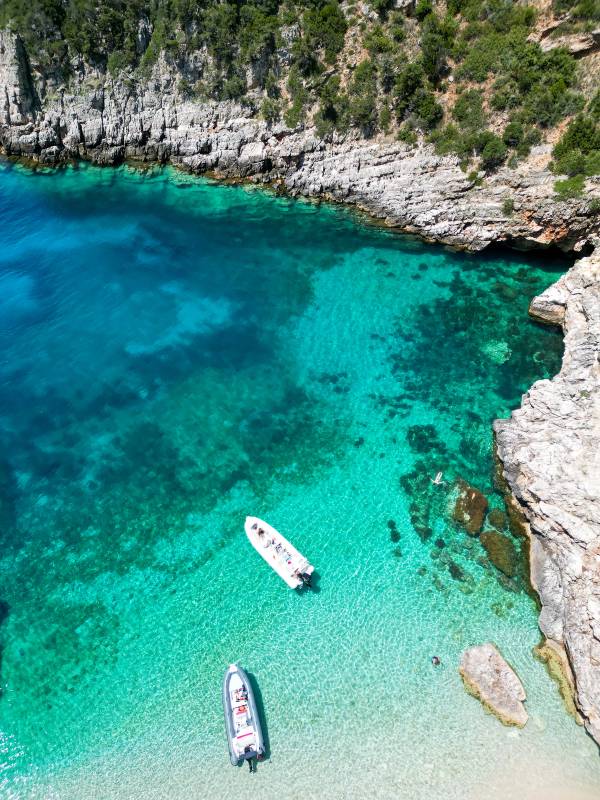
A wild, uninhabited peninsula accessible only by boat, with hidden caves, pristine beaches, and WWII-era submarine tunnels. Combined boat trips to Karaburun and Sazan Island are among the most popular excursions from Vlorë.
Beaches Where Two Seas Meet
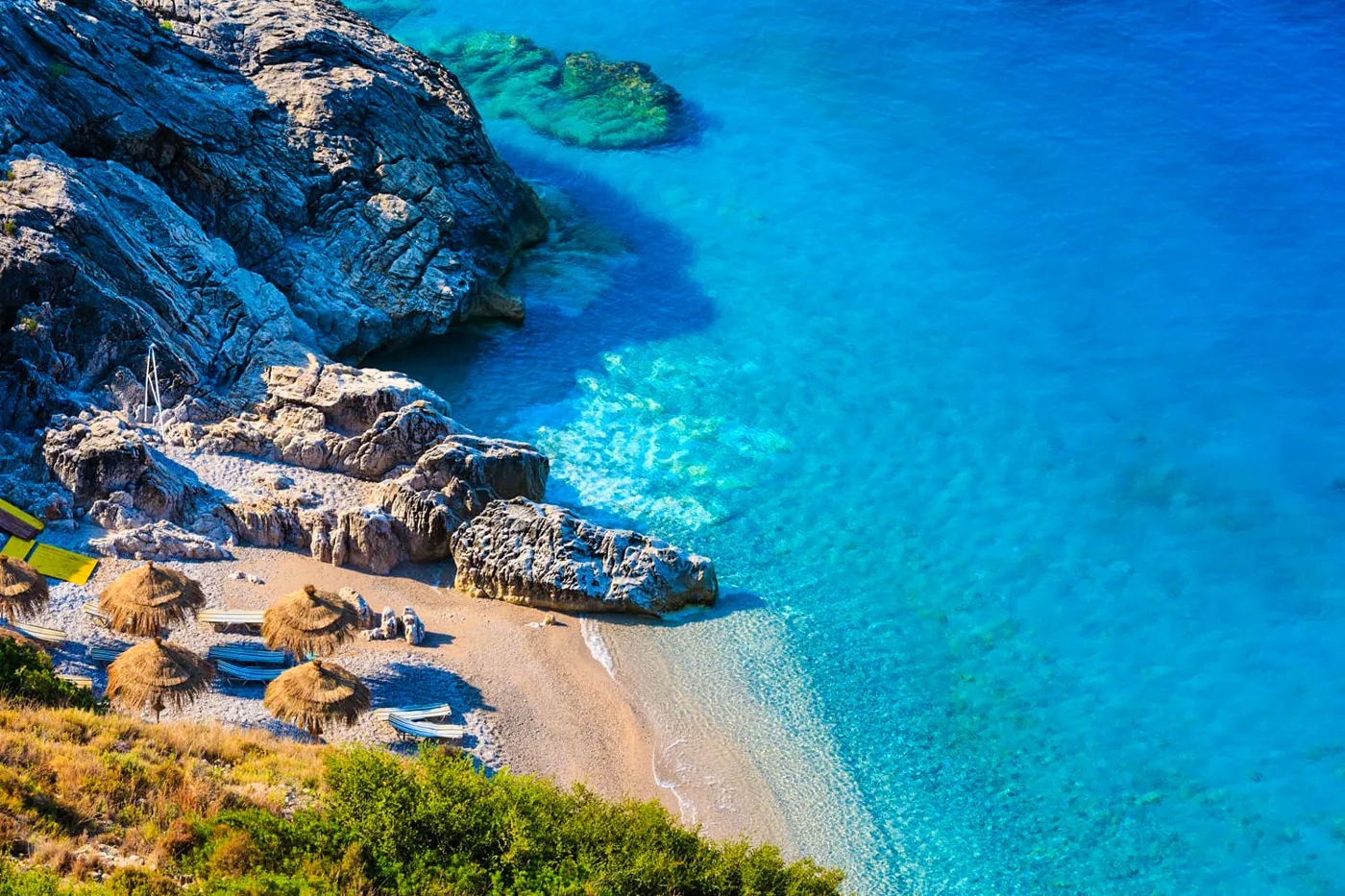
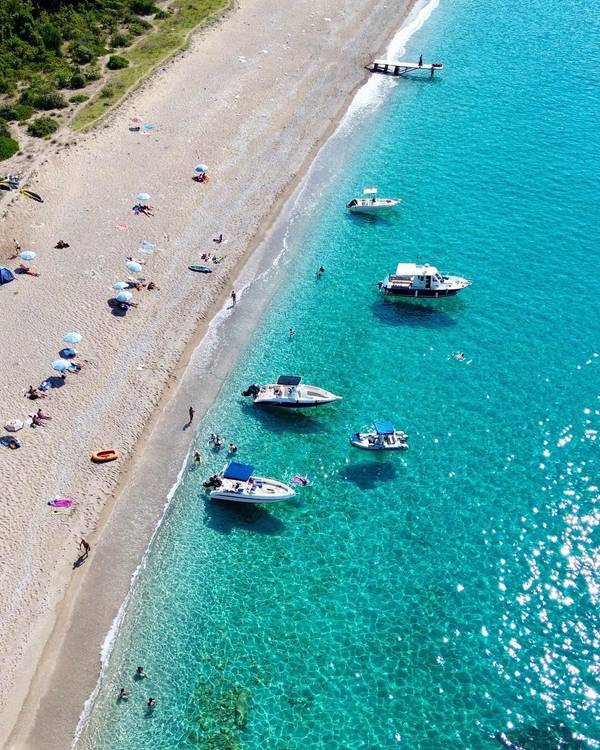
Vlorë sits at the meeting point of the Adriatic and Ionian seas, giving it some of the most diverse and beautiful coastline in Albania. From sandy city beaches to remote bays accessible only by boat, the options range from lively to completely wild.
Radhimë Beach
Sandy beach south of the city with crystal-clear water and beachfront restaurants. A popular summer destination for locals and visitors alike, with easy access from the main coastal road.
Orikum Beach
A long sandy stretch near the ancient Greek city of Oricum. The shallow, warm waters and relaxed atmosphere make it a favourite for families, while the nearby archaeological site adds a layer of history to any beach day.
Palasë Beach
A remote, pristine beach accessible via Llogara Pass with dramatic cliffs rising behind it. The descent from the pass offers jaw-dropping views, and the beach itself is one of the most beautiful and unspoiled on the entire Albanian coast.
Grama Bay
A spectacular hidden bay on the Karaburun Peninsula, accessible only by boat. Ancient Greek sailors carved inscriptions into the cliffs here — some still visible today — making it a beach with over 2,000 years of recorded history.
Cold Water Beach (Uji i Ftohtë)
Named for a cold freshwater spring that flows directly into the sea, creating a refreshing mix of temperatures. Located just south of the city, it's a local favourite with waterfront cafés and restaurants lining the shore.
Food & Cuisine
Fresh seafood from two seas, Ottoman-influenced dishes, world-class olive oil, and the warmest hospitality in Albania — Vlorë's cuisine reflects its position at the crossroads of cultures.
Seafood Platter
Fresh catch from both the Adriatic and Ionian seas — grilled octopus, prawns, sea bass, and mussels served on a platter with lemon, olive oil, and fresh bread. Vlorë's waterfront restaurants are the best place in Albania for seafood.
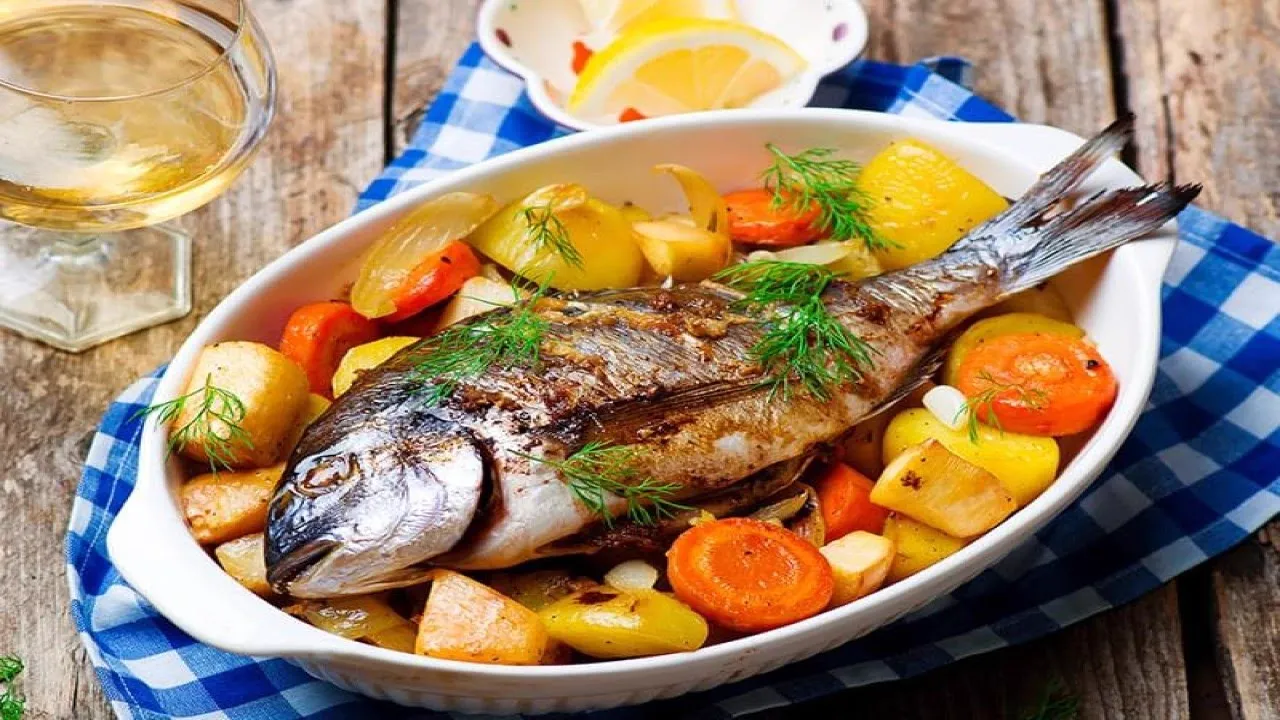
Tavë Peshku
Baked fish with tomatoes, peppers, onions, and herbs — a classic southern Albanian dish that showcases the region's Mediterranean flavours. Best enjoyed at a seaside restaurant with a glass of local white wine.
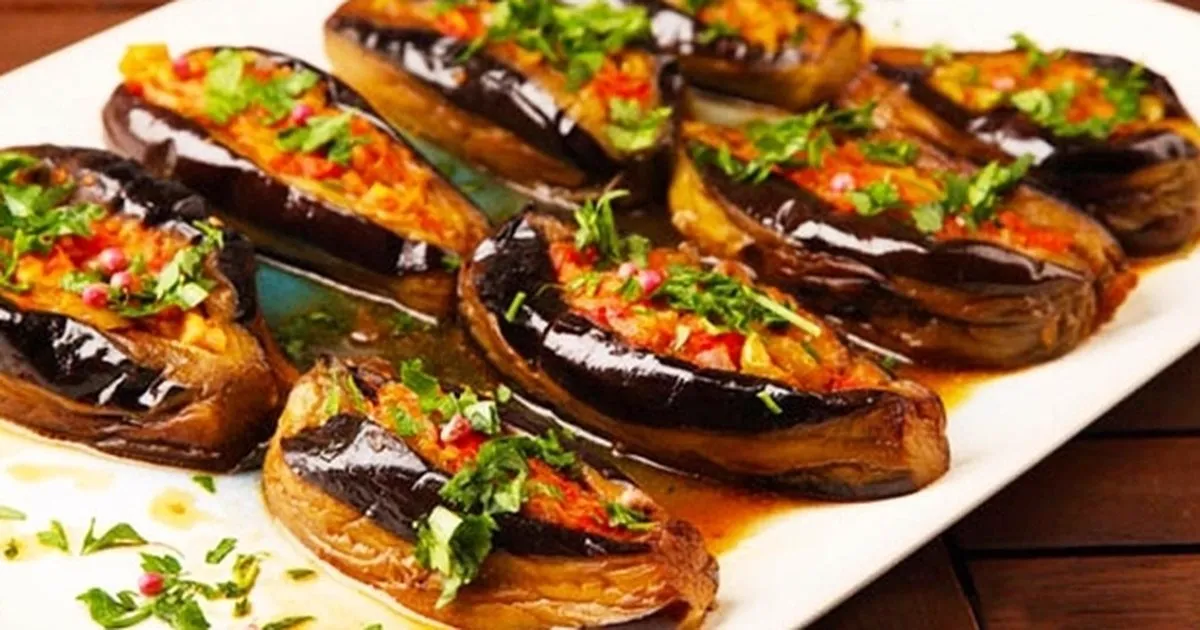
Imam Bajalldi
Stuffed eggplant baked slowly in olive oil — an Ottoman classic that has become a staple of Vlorë's cuisine. The name means 'the imam fainted,' supposedly from the sheer deliciousness of the dish.
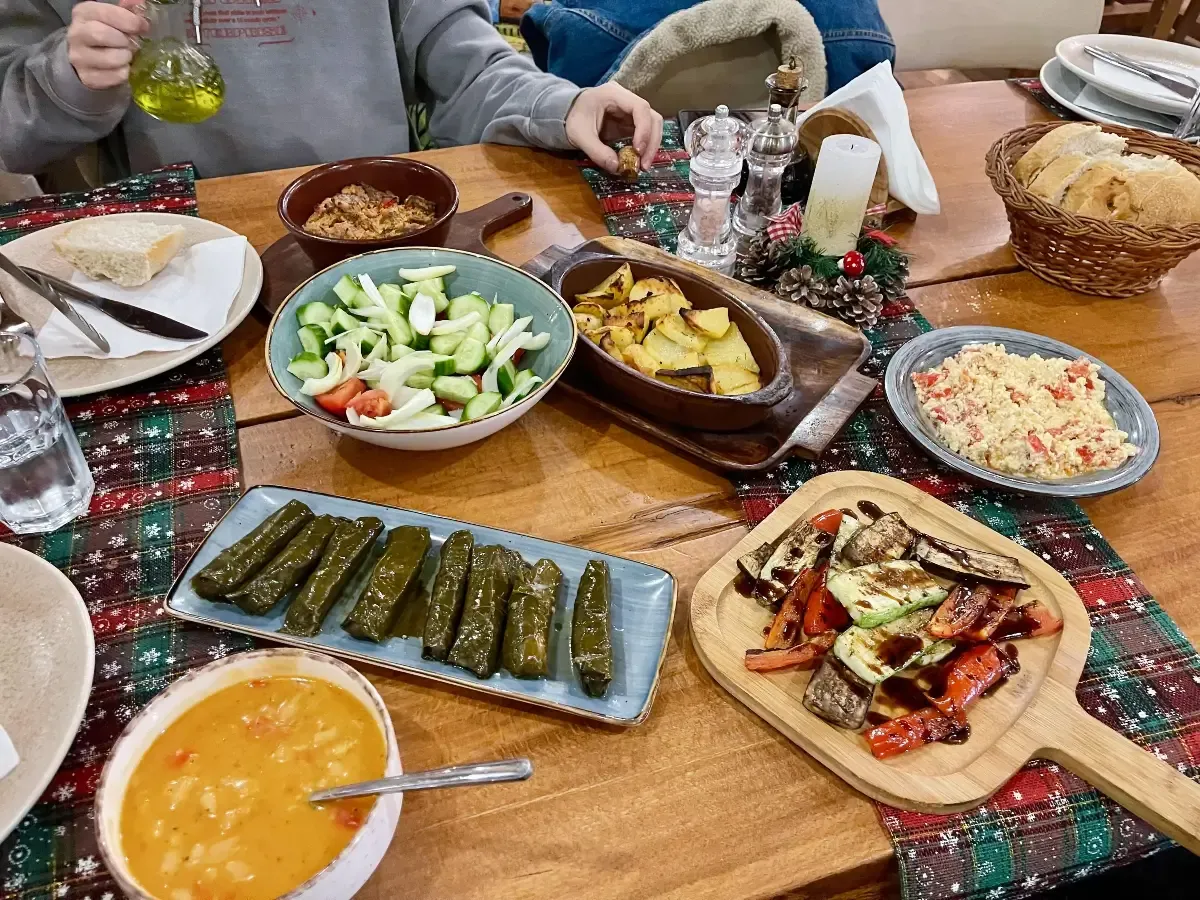
Gjellë me Kacka
Lamb stew with chickpeas, slow-cooked with tomatoes, onions, and aromatic spices — a hearty Vlorë specialty that reflects the city's position between mountains and sea. Best enjoyed in the cooler months.
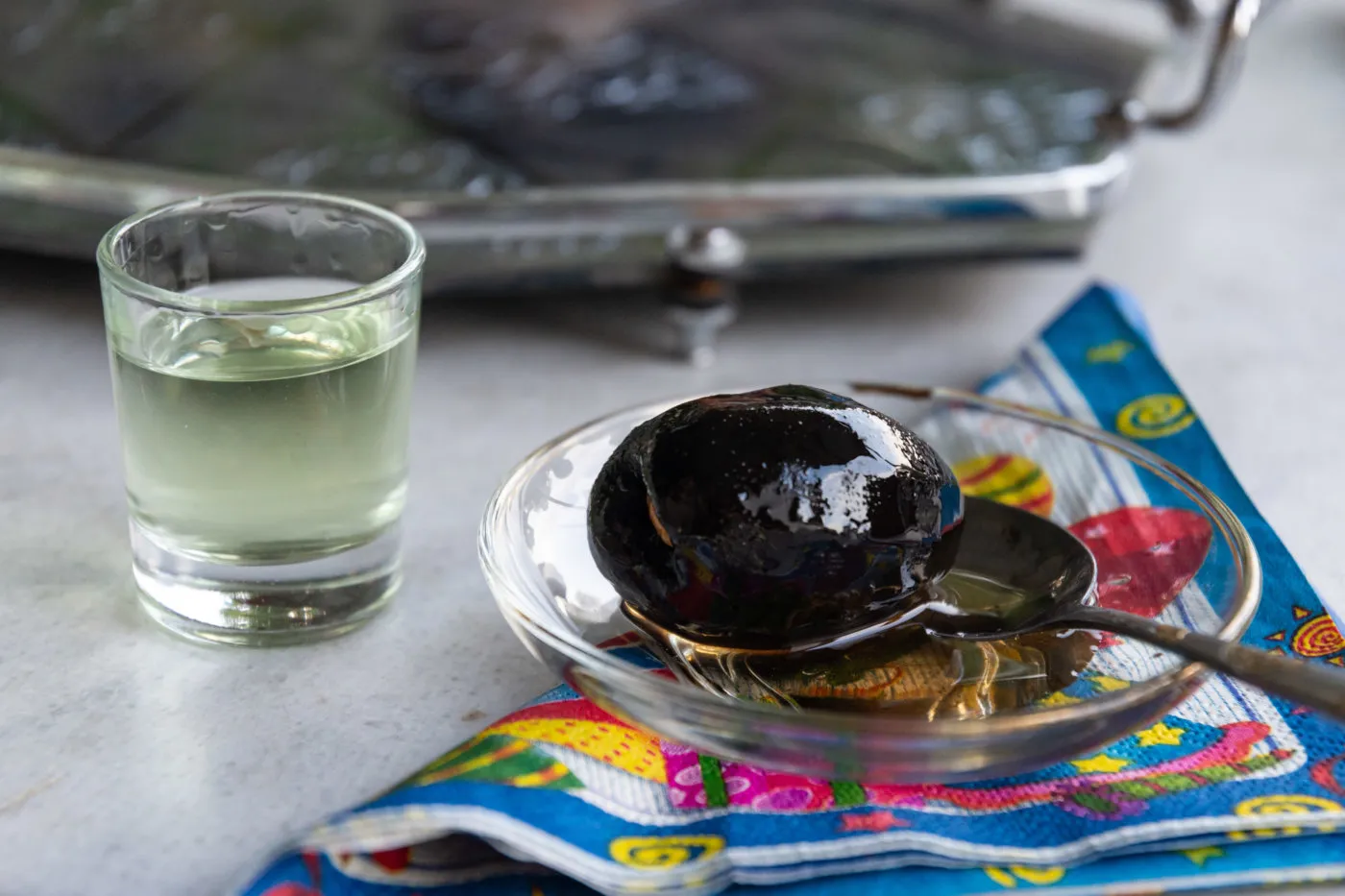
Raki
Local grape raki, the traditional welcome drink of Albania. In Vlorë, the raki is typically made from grapes grown on the surrounding hillsides. Refusing a glass is considered impolite — and once you taste it, you won't want to.
Best Time to Visit Vlorë
Vlorë enjoys a Mediterranean climate with mild winters and hot summers. Spring and early autumn offer the best balance of warm weather, fewer crowds, and comfortable temperatures for exploring.
Spring
April – May16–24°CThe ideal time to visit. Wildflowers carpet the hillsides, the sea is warming up, and the beaches are blissfully uncrowded. Perfect for hiking Llogara Pass and exploring the coast before the summer rush.
Summer
June – August28–36°CPeak beach season. Hot, sunny days and warm sea temperatures make this the time for swimming, boat trips to Karaburun, and long evenings on the promenade. Book accommodation early — Vlorë fills up fast.
Autumn
September – October18–28°CWarm seas, golden light, and harvest season. September still feels like summer but with fewer crowds. October brings olive harvesting and wine production in the surrounding countryside.
Winter
November – March6–14°CMild winters with occasional rain. The city is quiet but pleasant for off-season exploration. Independence Day celebrations on November 28th bring the city to life with parades and festivities.
How to Reach Vlorë
Vlorë is approximately 2.5 hours from Durrës and 2 hours from Tirana via the modern SH8 highway. We offer private transfers from both cities — your driver will pick you up from your hotel or the airport.
Regular public minibuses (furgons) run from Tirana's South Station and from Durrës throughout the day. The drive south passes through Fier and follows the Vjosa river valley before reaching the coast.
Vlorë is the main gateway to the Albanian Riviera. From the city, the road climbs dramatically over the Llogara Pass at 1,027 metres — one of the most spectacular drives in Europe — before descending to the Riviera beaches of Dhërmi, Himara, and beyond. We highly recommend spending at least two nights to explore both the city and the coast.
Tours in Vlorë
Discover independence history, cruise to hidden bays on the Karaburun Peninsula, or drive the legendary Llogara Pass — all with born-and-raised local guides.
Ready to Explore Vlorë?
Whether you want to walk in the footsteps of Albanian independence, cruise to hidden bays on the Karaburun Peninsula, or drive the legendary Llogara Pass — we'll make it happen.