Theth
The Alpine Village — a remote mountain paradise in the heart of the Albanian Alps
Albania's Mountain Paradise
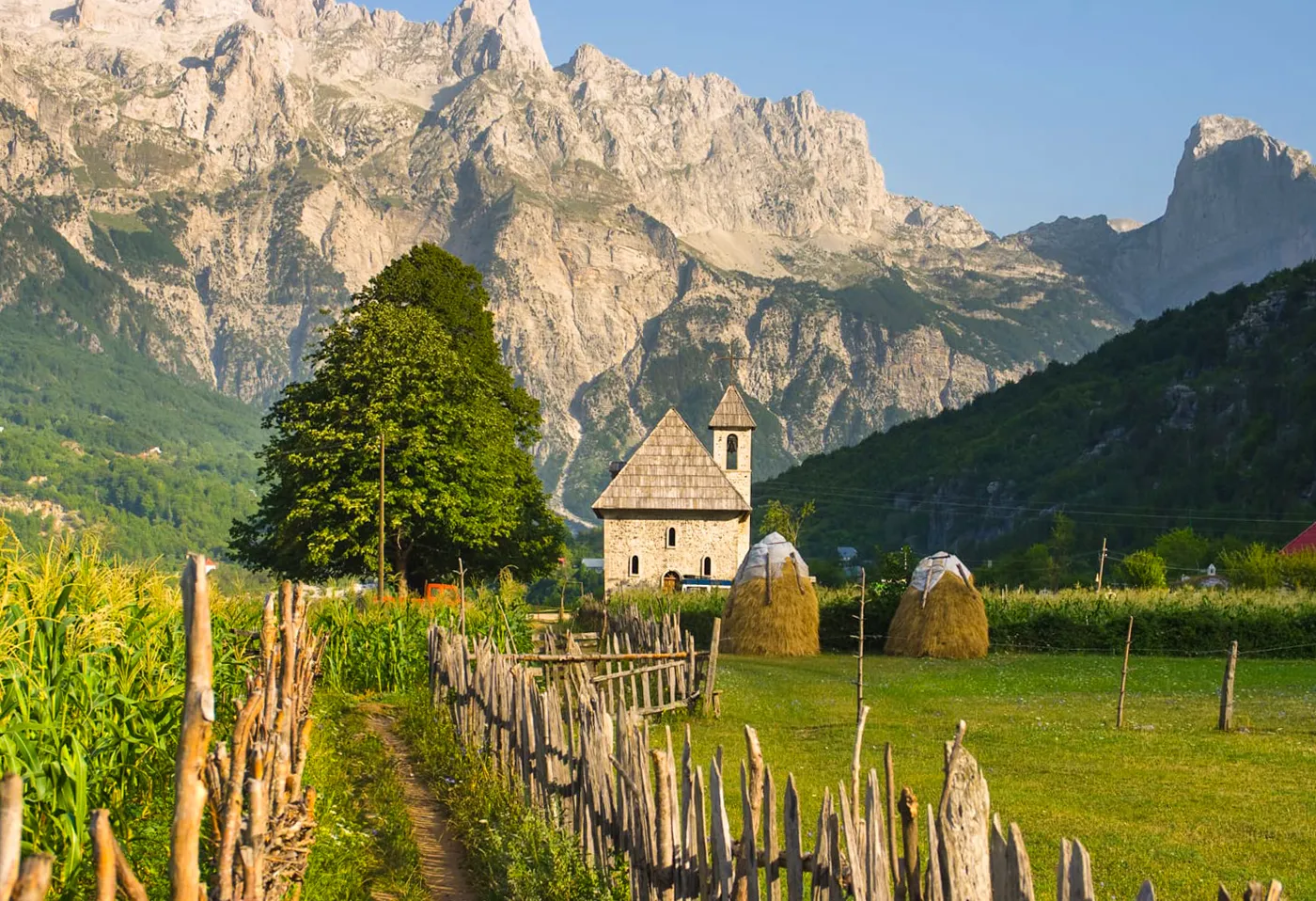
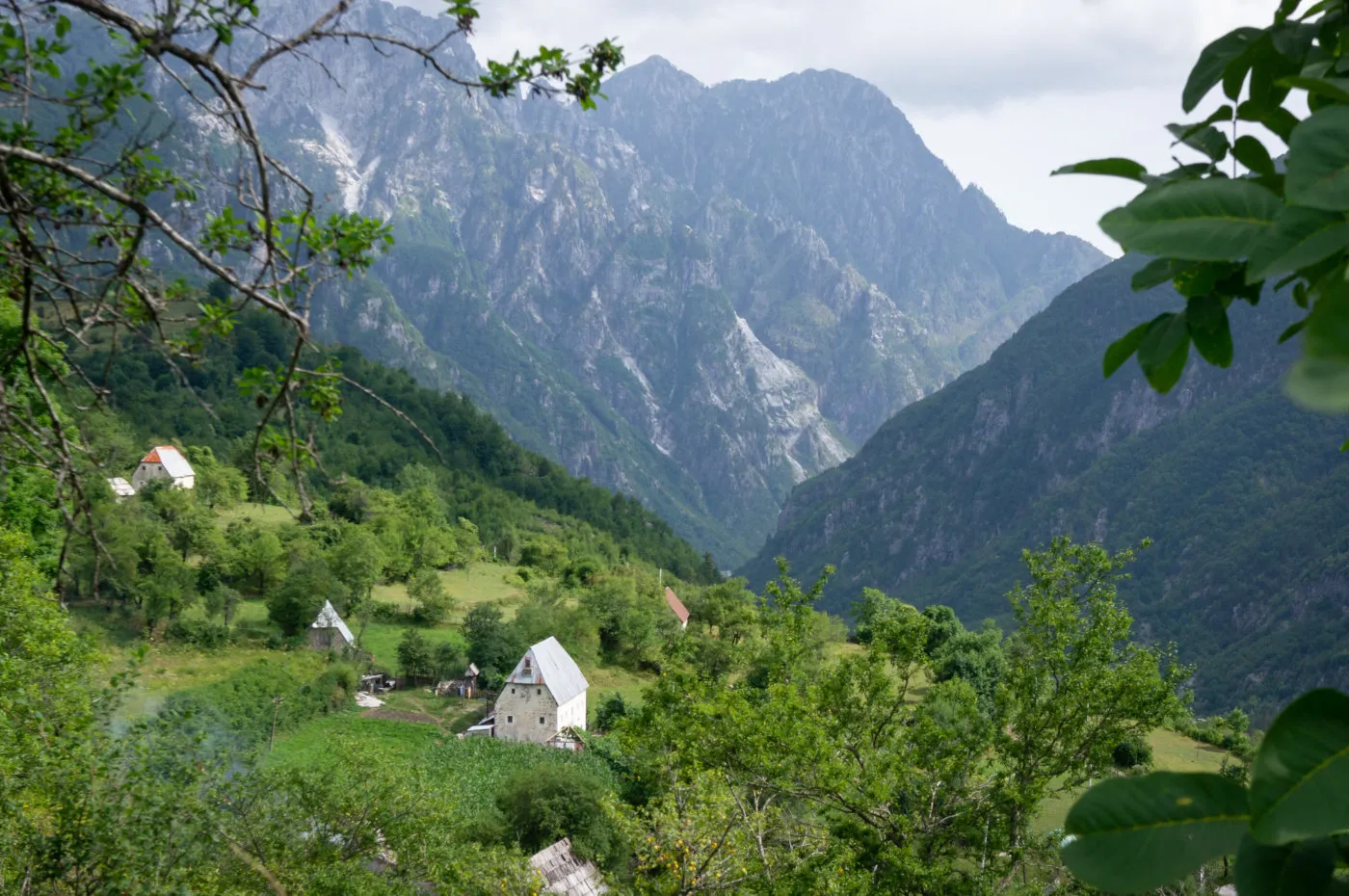
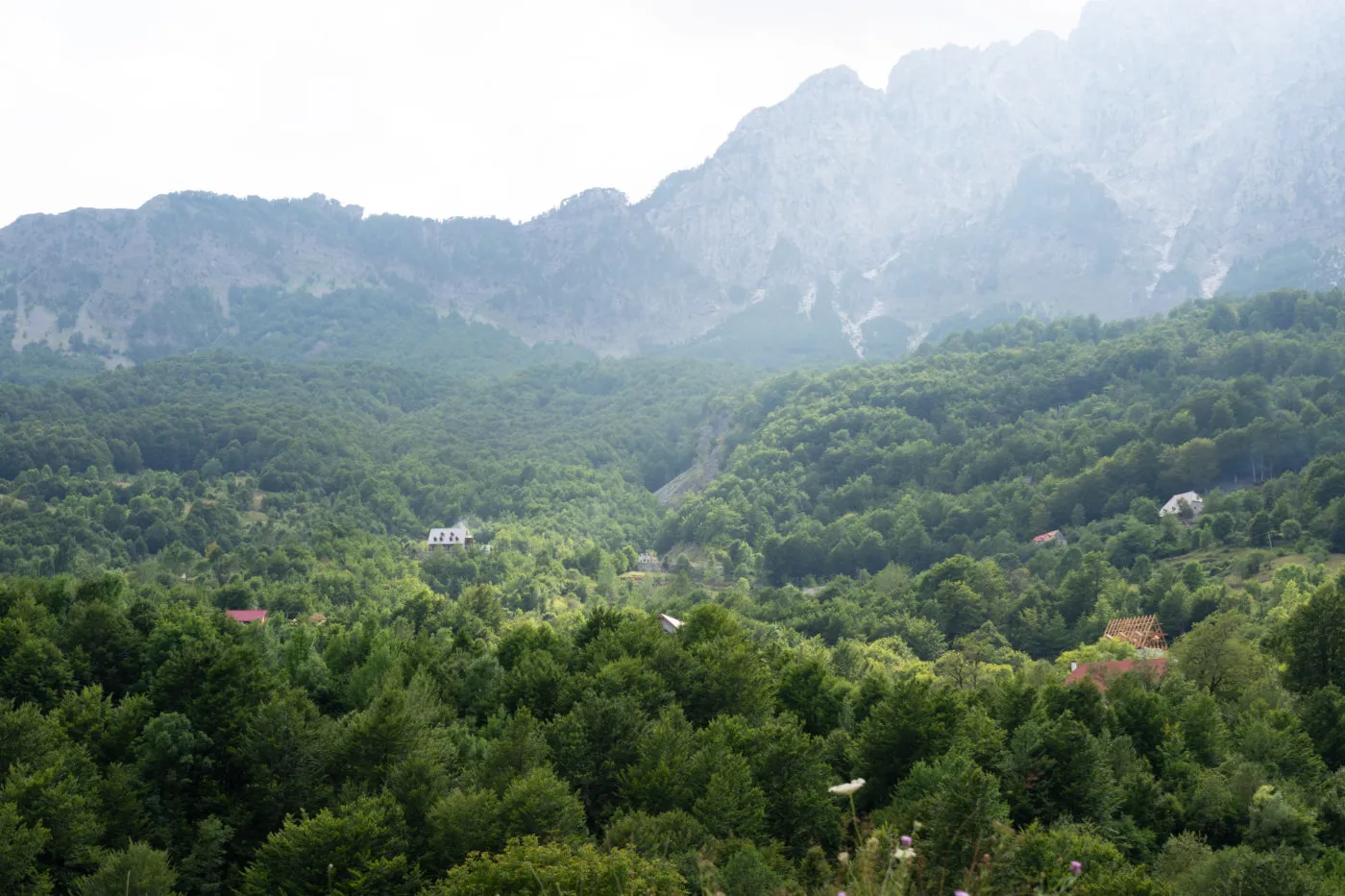
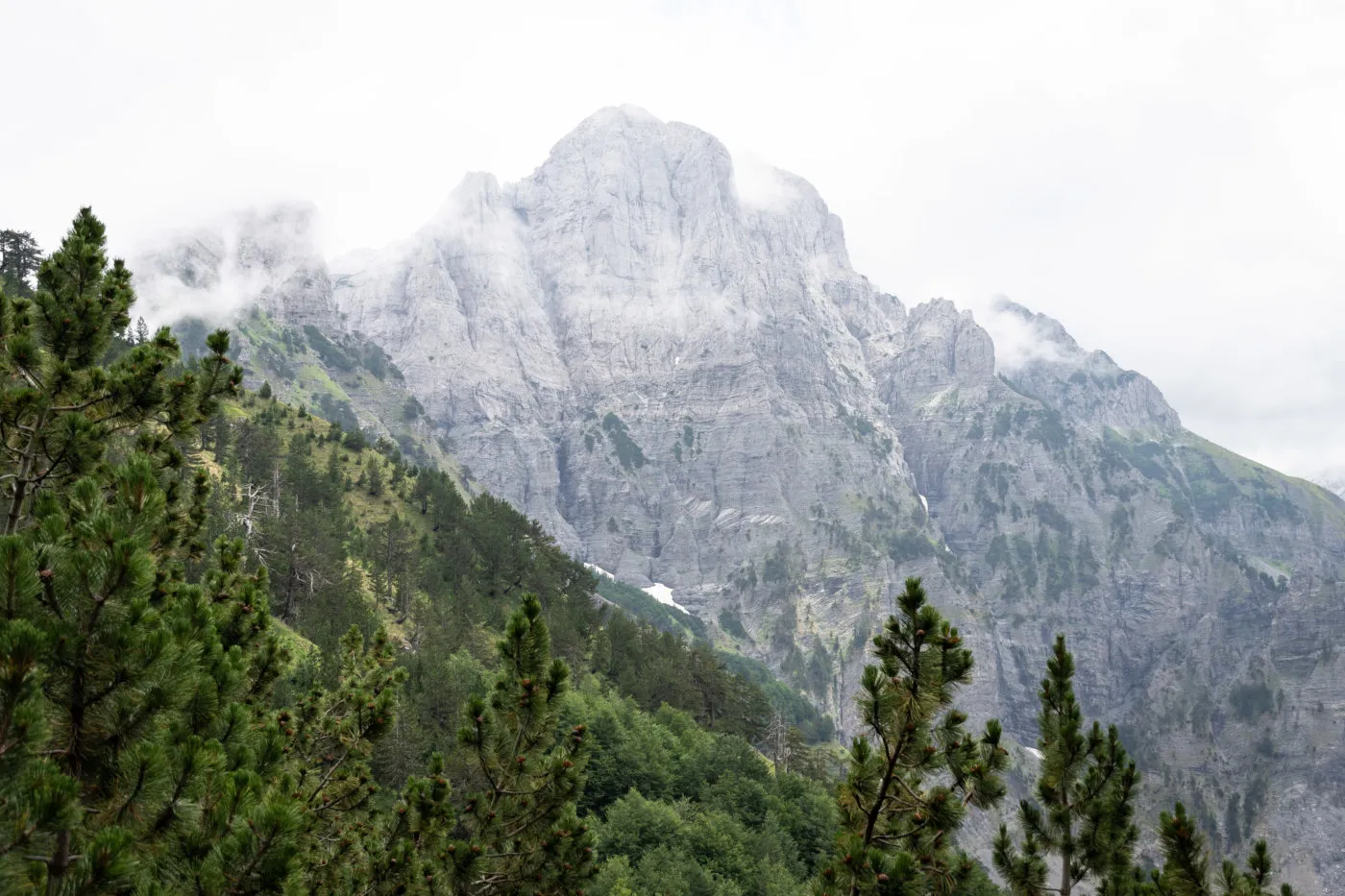
Theth is a place that feels like stepping back in time — and into a postcard. Nestled in a deep valley at 900 metres elevation, surrounded by jagged limestone peaks reaching over 2,500 metres, this tiny village in the Albanian Alps is one of the most dramatic and unspoiled places in Europe.
The village is famous for the Blue Eye pool — a mesmerising natural spring of crystal-clear turquoise water — the thundering Grunas Waterfall, the ancient Lock-in Tower, and a beautifully restored stone church set against a backdrop of snow-capped mountains. Traditional stone houses dot the valley floor, connected by paths through wildflower meadows.
But Theth's greatest claim to fame is the trail to Valbona — a legendary 13-kilometre hike over a mountain pass that's considered one of the finest day walks in Europe. Whether you come for the hiking, the swimming holes, or simply the silence of the mountains, Theth will stay with you long after you leave.
From Isolation to Discovery
For centuries Theth was one of Europe's most isolated settlements. Its rediscovery by hikers in recent decades has transformed a dying village into one of Albania's most celebrated destinations.
AncientMountain Settlement
The Theth valley has been inhabited since ancient times by Albanian highland clans who settled in the remote mountain basin surrounded by peaks reaching over 2,500 metres. These early settlers were shepherds and farmers who carved out a life in one of the most isolated corners of the Balkans, building stone houses and cultivating small terraces in the valley floor.
MedievalKanun Law Tradition
For centuries, life in Theth was governed by the Kanun — the ancient Albanian customary law code attributed to Lekë Dukagjini. The Kanun regulated everything from property rights and hospitality to blood feuds and honour. The Lock-in Tower (Kulla e Ngujimit) in Theth is a surviving monument to this tradition — men under blood feud threat would be confined inside for their own protection.
CenturiesCenturies of Isolation
Theth remained almost completely cut off from the outside world for centuries. No roads reached the valley — access was only by mule track over mountain passes. This isolation preserved the village's medieval character, traditional architecture, and ancient customs virtually unchanged. The outside world barely knew Theth existed.
 1945–1991
Communist Era Road
The communist regime built the first rough road into Theth, connecting it to Shkodër for the first time. The government also established a school and health post. However, the regime's ban on religion led to the closure of Theth's historic church. Many families were forcibly relocated, and the village's population declined.
 1990s
1990sRediscovery by Hikers
After the fall of communism, Theth was nearly abandoned as families left for the cities. But in the late 1990s and 2000s, adventurous hikers began discovering the valley — drawn by the dramatic peaks, the Blue Eye pool, and the trail connecting Theth to Valbona. Word spread through hiking communities, and Theth began its remarkable transformation.
PresentTrekking Hotspot
Today Theth is one of Albania's most celebrated destinations. The Valbona-Theth trail is ranked among Europe's great walks. Family-run guesthouses have opened throughout the valley, the church has been restored, and the village buzzes with international hikers every summer. Yet Theth retains its wild, remote character — no chain hotels, no souvenir shops, just mountains, trails, and Albanian hospitality.
Landmarks & Attractions
From the turquoise Blue Eye pool to the legendary Valbona trail — Theth offers some of the most dramatic natural attractions in the Balkans.
Blue Eye Pool (Syri i Kaltër)
A mesmerising natural pool of impossibly blue water, fed by an underground spring in a rocky gorge. The Blue Eye is one of Albania's most photographed natural wonders — the water is crystal-clear and freezing cold, surrounded by moss-covered rocks and dense forest. A short hike from the village leads to this magical spot.
Grunas Waterfall
A spectacular 30-metre waterfall cascading down a cliff face in the heart of the Theth valley. The trail to Grunas passes through alpine meadows and forest, and the waterfall pool below is a popular (if frigid) swimming spot on hot summer days. The surrounding canyon is dramatic and wild.
Lock-in Tower (Kulla e Ngujimit)
A unique stone tower where men under blood feud threat were locked in for their own safety — sometimes for years. This haunting relic of the Kanun law system has been restored as a small museum. It's a powerful reminder of the complex honour codes that governed Albanian highland society for centuries.
Church of Theth
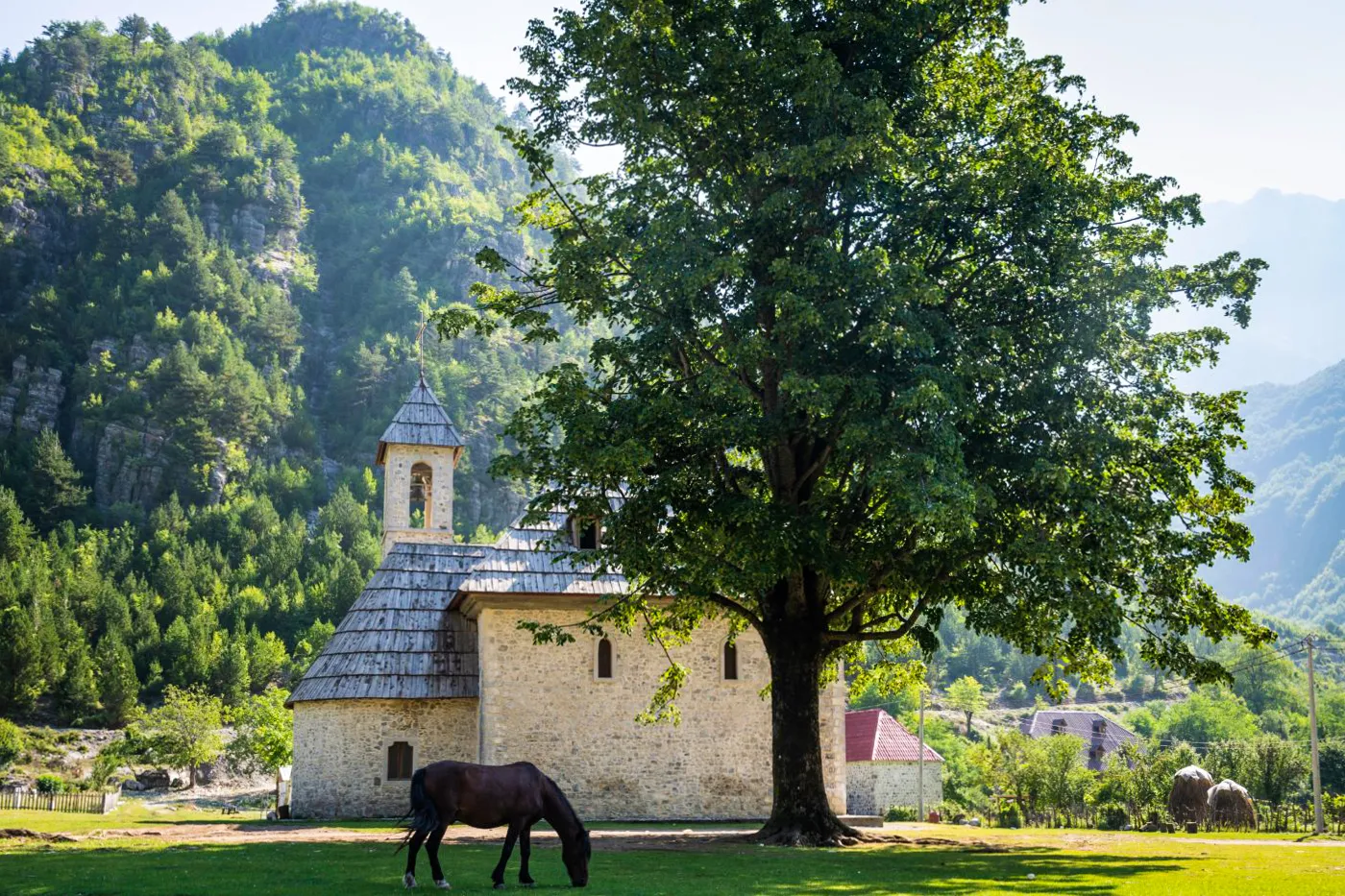
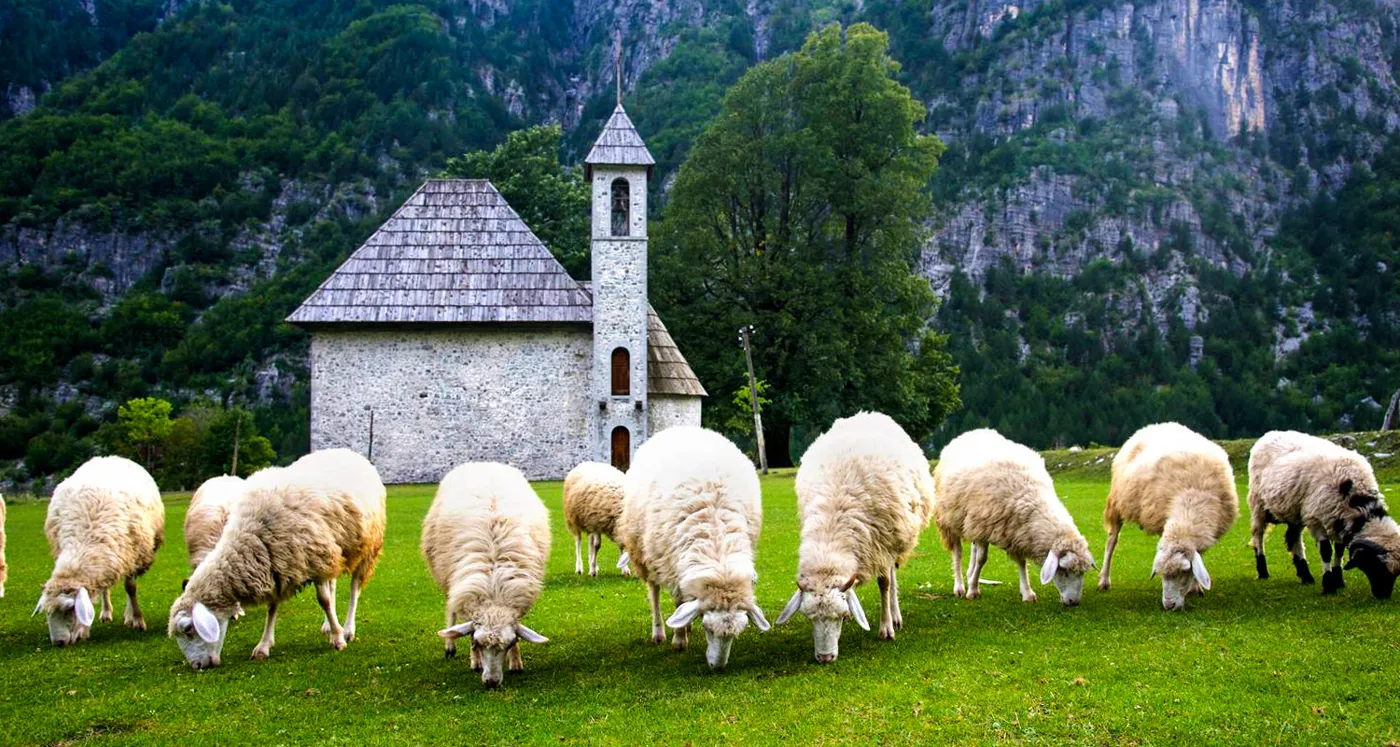
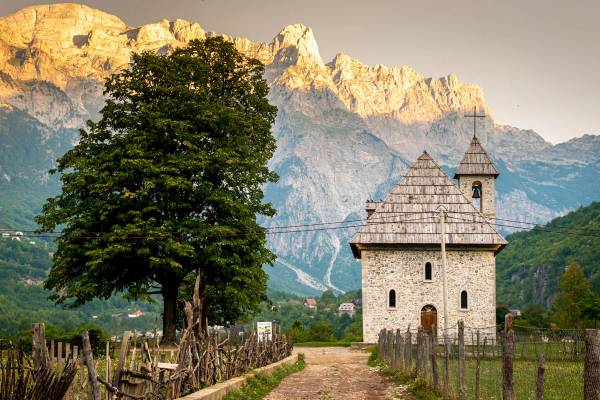
The small Catholic church of Theth, with its stone walls and mountain backdrop, is one of the most photographed buildings in Albania. Closed during the communist era's ban on religion, it has been lovingly restored and once again serves the village's Catholic community — a rare sight in majority-Muslim Albania.
Thethi National Park
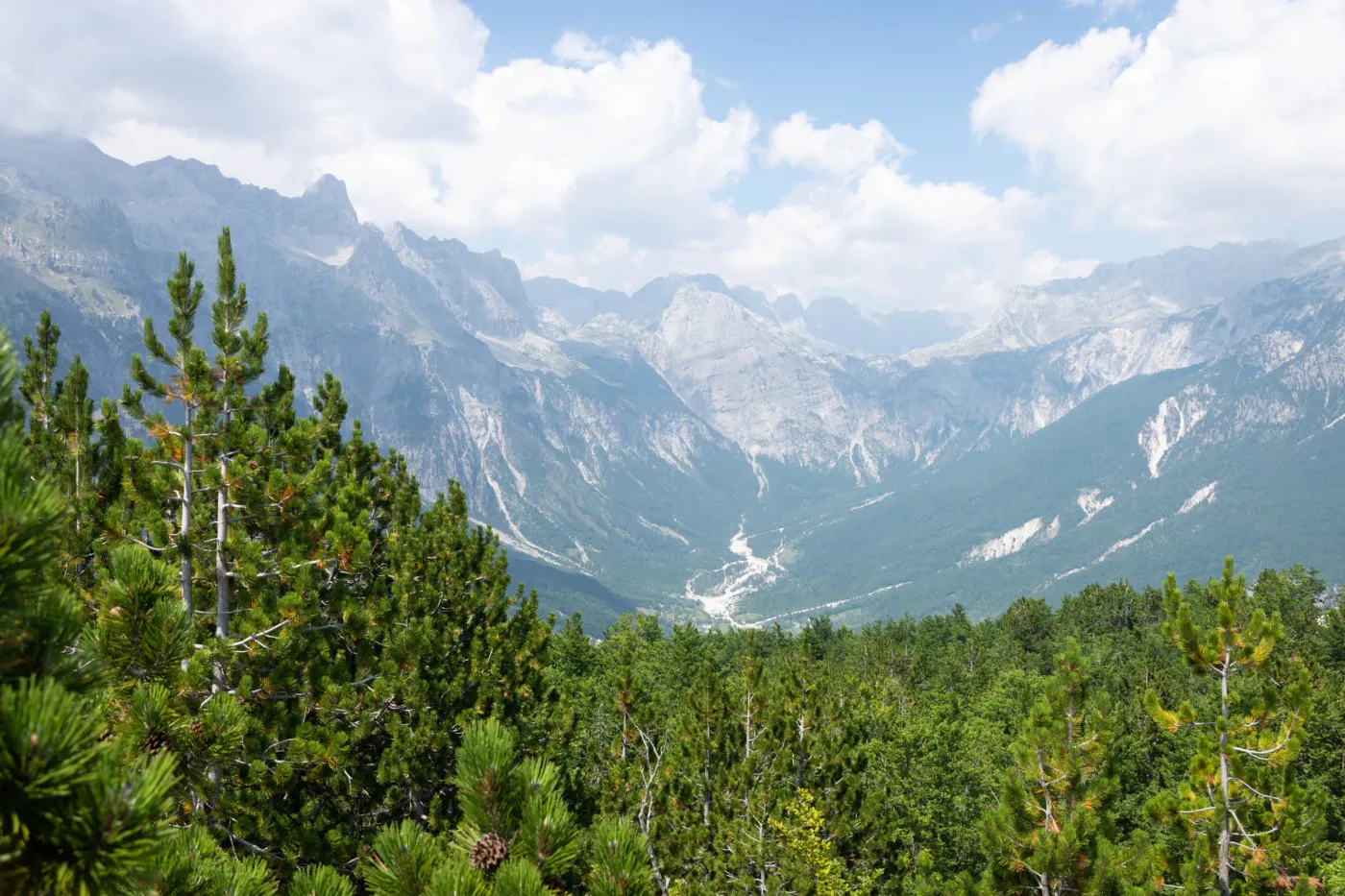
Established in 1966, Thethi National Park covers 2,630 hectares of dramatic alpine landscape — dense beech and pine forests, limestone peaks, glacial valleys, and alpine meadows. The park is home to bears, wolves, lynx, and golden eagles. Multiple hiking trails of varying difficulty criss-cross the park.
Valbona-Theth Trail
The legendary 13-km trail over the Valbona Pass (1,795m) connecting Theth to Valbona is considered one of Europe's greatest day hikes. The route crosses alpine meadows, passes beneath towering peaks, and offers views that rival anything in the Alps — at a fraction of the cost and crowds.
Shala River Canyon
Known as 'Thailand of the Balkans' for its turquoise waters, the Shala River canyon is accessible by boat from Koman Lake. The river's crystal-clear pools, surrounded by dramatic canyon walls, are among the most stunning swimming spots in the Albanian Alps.
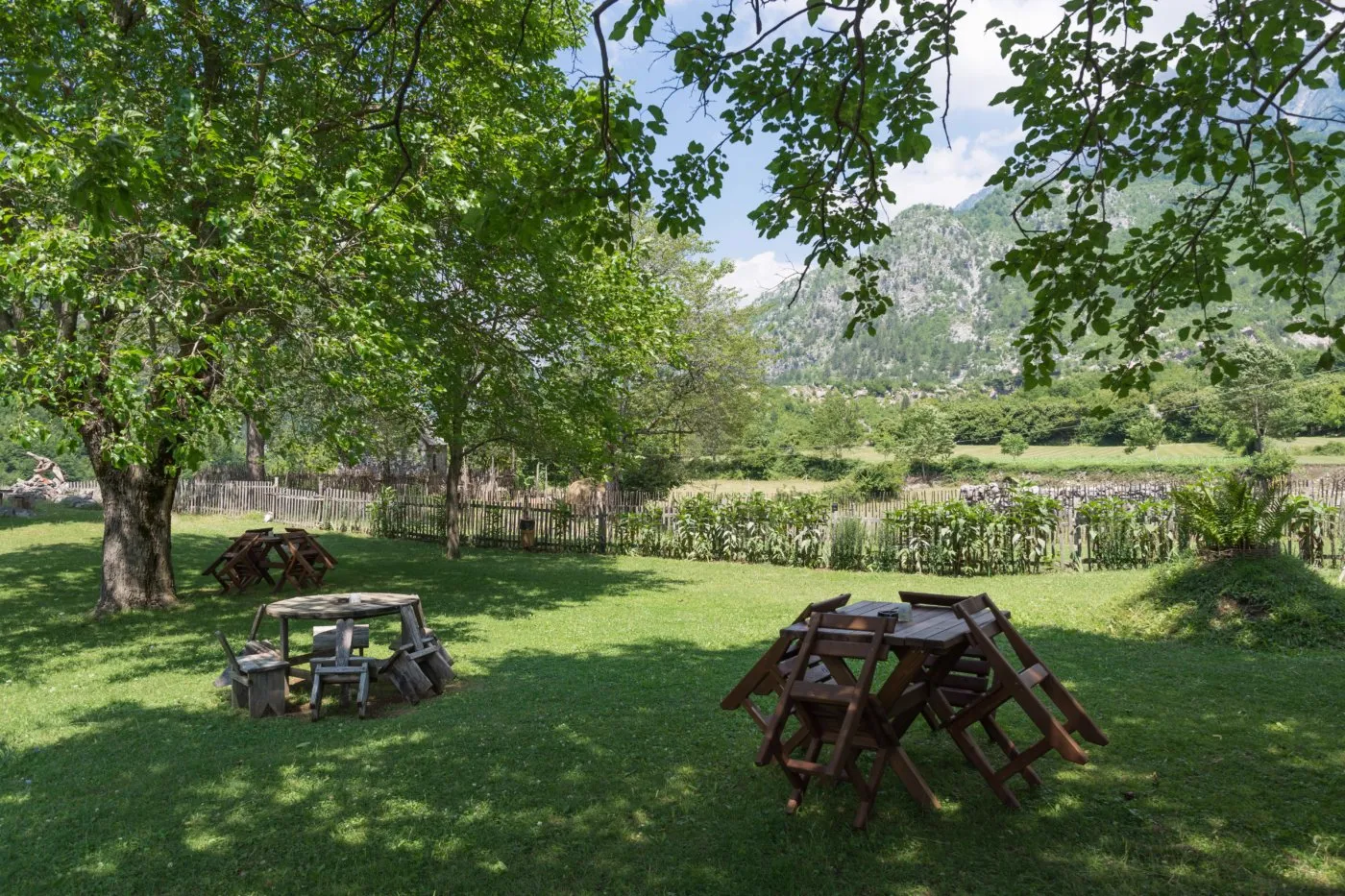
Hiking & Nature
Theth is Albania's hiking capital. From the legendary Valbona trail to gentle village walks and wild swimming in mountain pools, the valley offers adventures for every level of fitness and ambition.
Valbona-Theth Trail
The crown jewel of Albanian hiking — a 6-8 hour trek over the 1,795m Valbona Pass with jaw-dropping views of the Albanian Alps. Best done June to October. The trail is well-marked but strenuous, rewarding hikers with one of Europe's great mountain experiences.
Blue Eye Pool Swim
A gentle 30-minute walk from the village leads to the mesmerising Blue Eye — a natural pool of crystalline turquoise water. The spring-fed pool is freezing cold but utterly beautiful. Arrive early morning for the most magical light.
Waterfall Hikes
Several trails lead to waterfalls in the Theth valley — the 30-metre Grunas Waterfall is the most famous, but smaller cascades are scattered throughout the surrounding canyons. Each offers a different perspective on the valley's dramatic geology.
Village Walks
Theth itself is a delight to explore on foot. Traditional stone houses, the Lock-in Tower, the restored church, and working water mills are connected by paths through meadows and along the river. The pace of life here hasn't changed in generations.
Shepherds' Paths
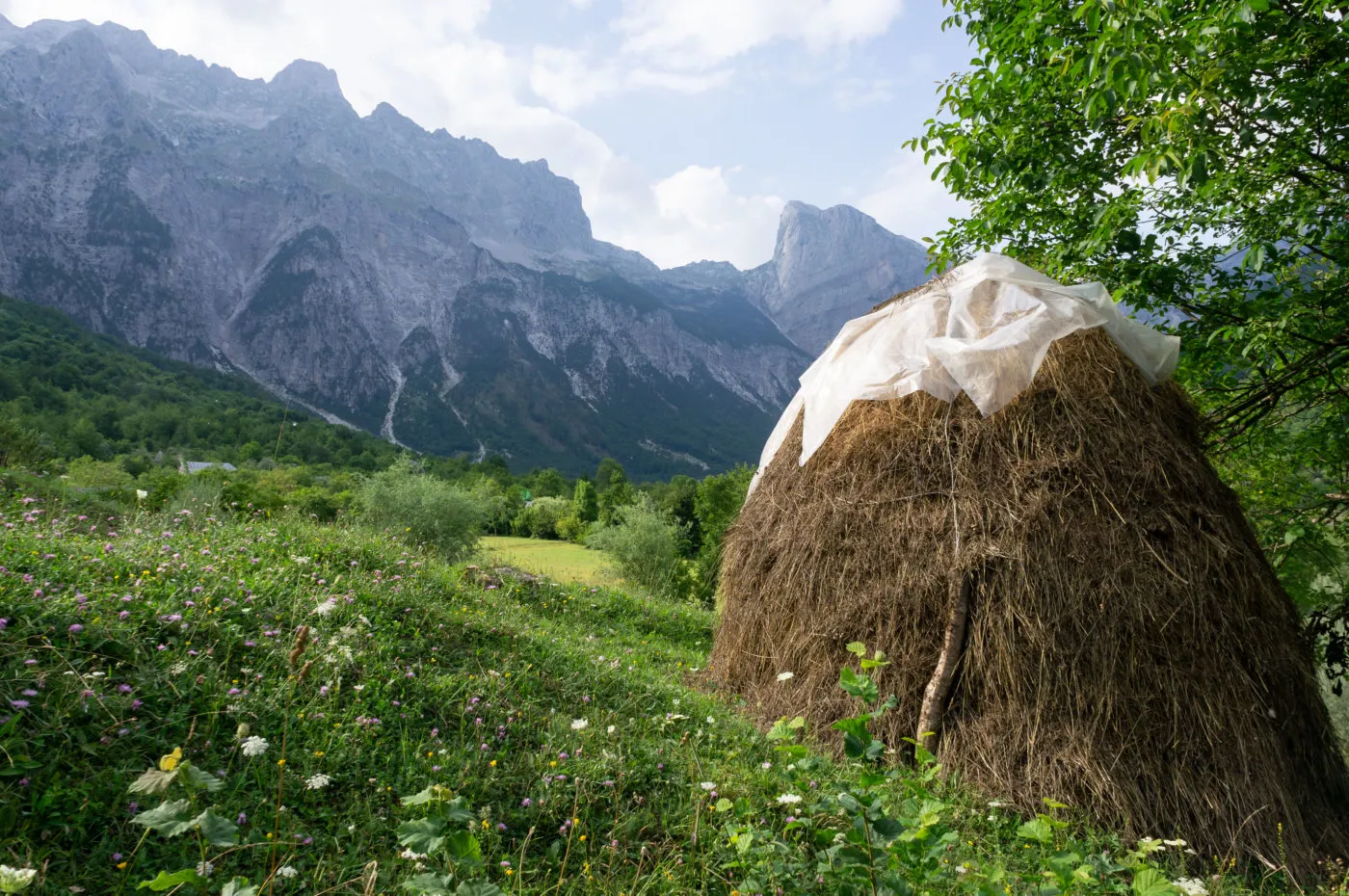
Ancient shepherds' trails wind up from the valley floor to high alpine pastures where livestock graze in summer. These paths offer solitude, wildflower meadows, and panoramic views of the surrounding peaks — the kind of walks that make you feel like the only person in the mountains.
Food & Cuisine
Mountain lamb, wild-foraged greens, fresh honey, and homemade raki — Theth's cuisine is simple, honest, and deeply connected to the land.
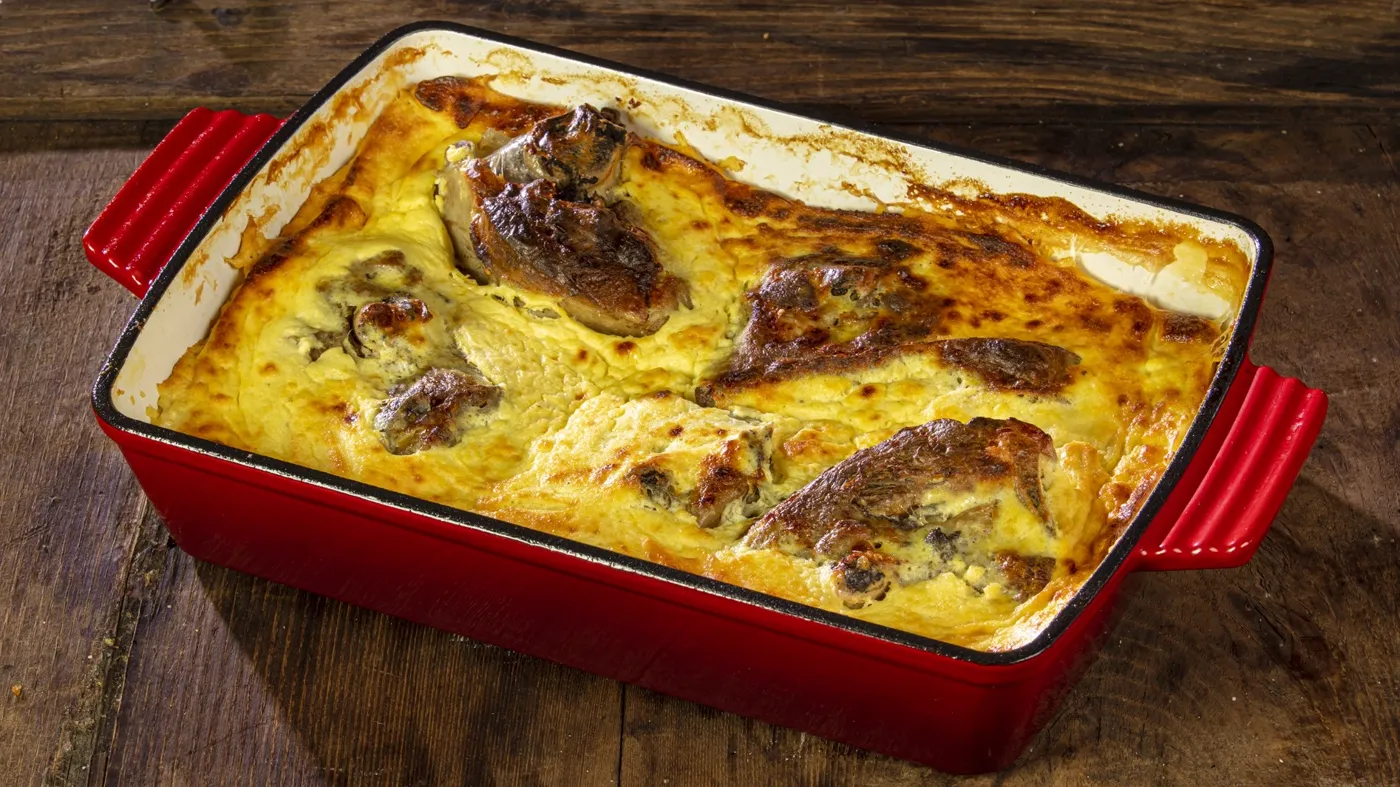
Mountain Lamb
Lamb raised on the wild herbs and grasses of the Albanian Alps has a flavour unlike anything from lowland farms. Slow-roasted over wood fires at family guesthouses, mountain lamb is the signature dish of Theth — tender, aromatic, and utterly unforgettable.
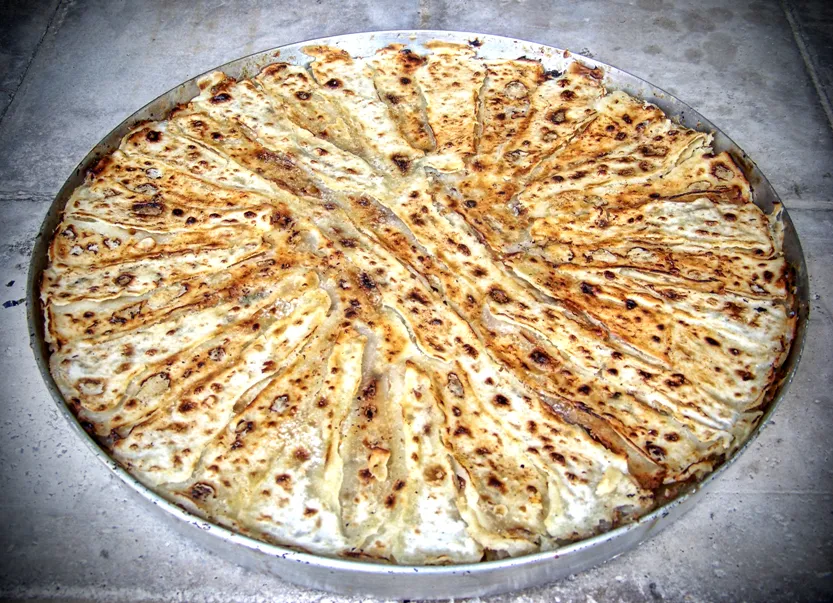
Flija
A traditional layered pancake dish made by pouring batter over a hot circular pan (saç) and building up dozens of paper-thin layers. Each layer is brushed with cream or butter before the next is added. The result is a rich, flaky, ceremonial dish served at celebrations and family gatherings.
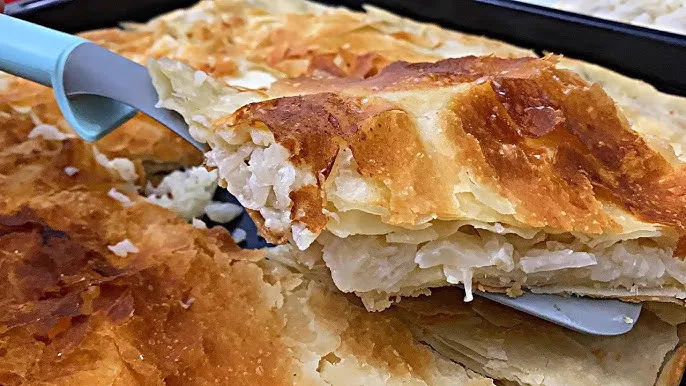
Pie with Wild Greens
Mountain women gather wild greens — nettles, sorrel, wild spinach — from the meadows and forests, then wrap them in hand-stretched filo pastry with local cheese. These pies (byrek me lakra) are baked in wood-fired ovens and taste like the essence of the mountains.
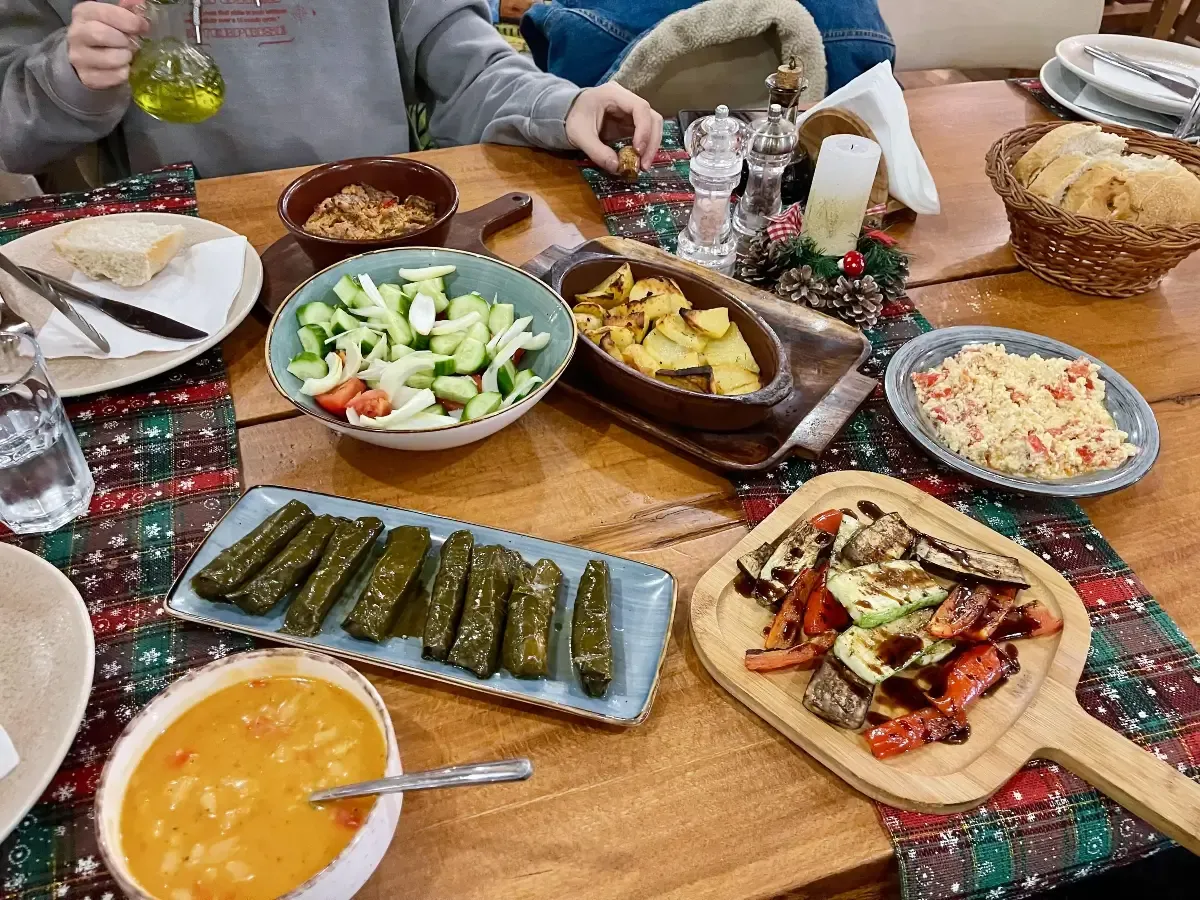
Herbal Tea (Çaj Mali)
Wild mountain tea, sage, and other herbs are gathered from the slopes around Theth and dried for year-round use. Brewed fresh at guesthouses, these herbal infusions are believed to cure everything from colds to heartbreak. The taste is delicate, fragrant, and deeply calming.
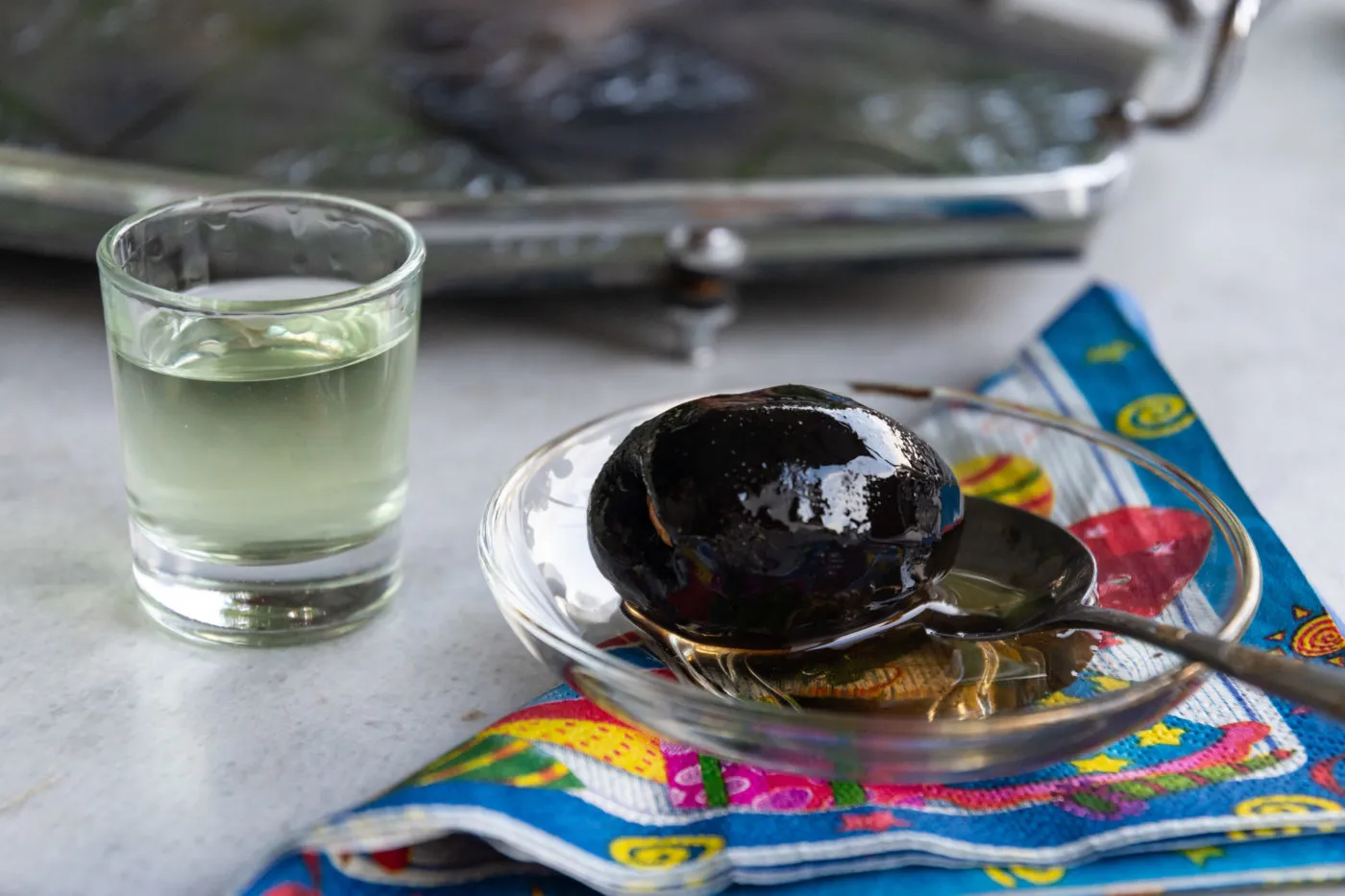
Raki
Even in the remotest mountain village, raki flows freely. In Theth, the homemade grape or plum spirit is often infused with wild herbs, giving it a distinctly alpine character. Offered to every guest as a sign of welcome — refusing is considered impolite.
Best Time to Visit Theth
The hiking season runs from June to October, with July and August being the busiest months. Spring brings wildflowers and waterfalls; winter closes most access.
Summer
June – August20–30°CPeak hiking season. Long days, warm temperatures in the valley, and all trails open. July and August are busiest — book guesthouses in advance. Afternoons can bring mountain thunderstorms.
Spring
May – June10–20°CWildflowers carpet the meadows and waterfalls are at their most powerful from snowmelt. The Valbona Pass may still have snow in May. Fewer crowds and magical light.
Autumn
September – October8–20°CGolden beech forests, clear skies, and peaceful trails. September is excellent for hiking. October brings cooler nights and the first hint of winter in the high peaks.
Winter
November – April-5–5°CHeavy snow closes the Valbona Pass and most trails. The road to Theth is often impassable. Only for experienced winter adventurers. Most guesthouses close for the season.
How to Reach Theth
Theth is approximately 4 hours from Durrës — the drive goes via Shkodër and then follows a winding mountain road into the Albanian Alps. The last section is unpaved and requires a 4x4 vehicle (or strong nerves in a regular car).
From Shkodër, the drive to Theth takes about 2 hours. Minibus services run during the summer season, or you can arrange a private 4x4 transfer.
The most popular approach is to hike from Valbona over the mountain pass — a stunning 6-8 hour trek. Many visitors combine this with the Koman Lake ferry for a complete Albanian Alps circuit. We offer private transfers and guided treks from Durrës to Theth and the Albanian Alps.
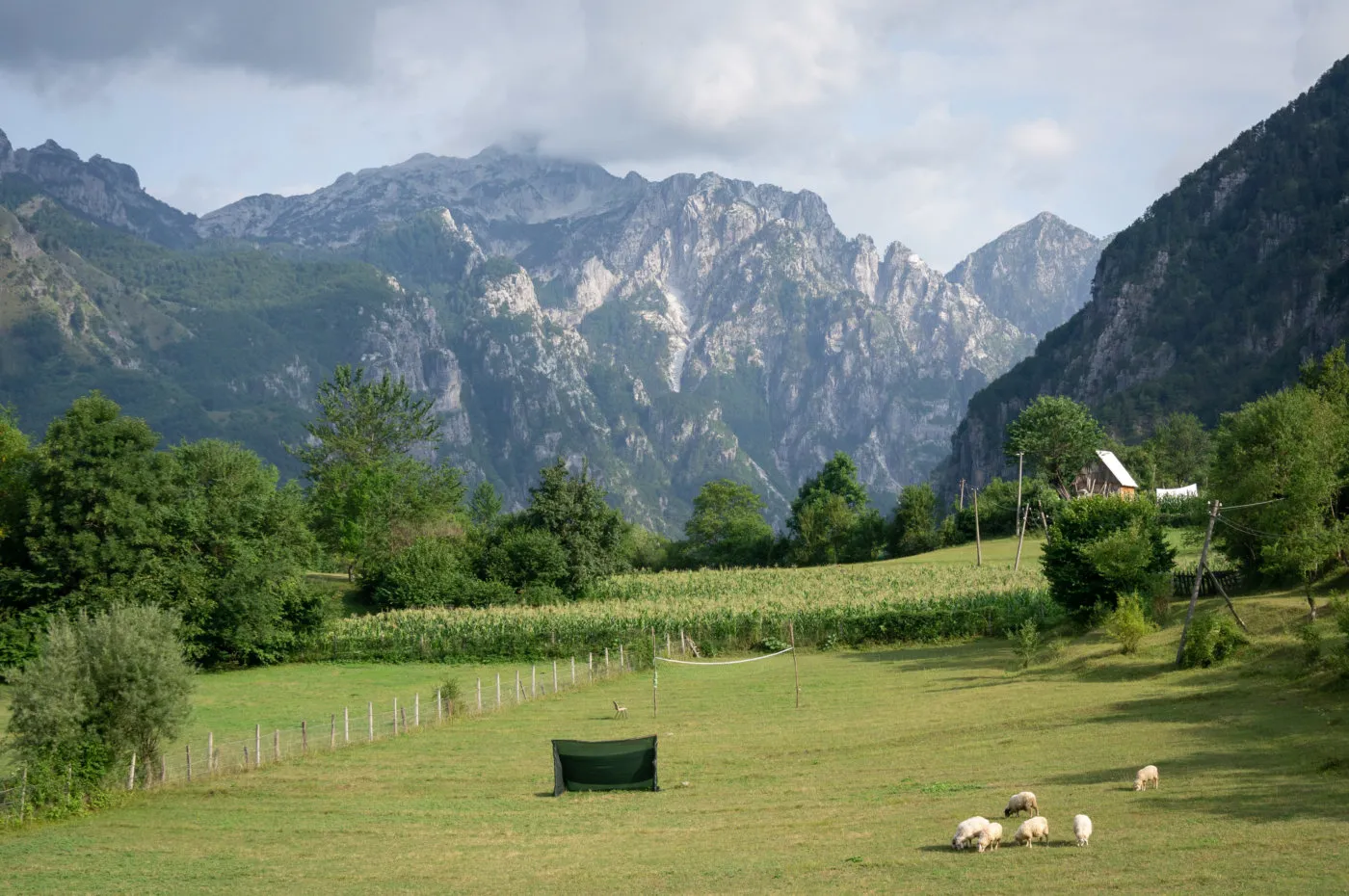
Tours in Theth
Trek the legendary Valbona trail, swim in the Blue Eye pool, and stay in traditional mountain guesthouses — all with expert local guides who know every path.
Ready to Explore Theth?
Whether you want to hike the Valbona trail, swim in the Blue Eye pool, or simply breathe the mountain air — we'll make it happen.