Pogradec
The Pearl of Lake Ohrid — tranquil lakeside living on one of Europe's oldest and deepest lakes
A Lakeside Paradise in Eastern Albania
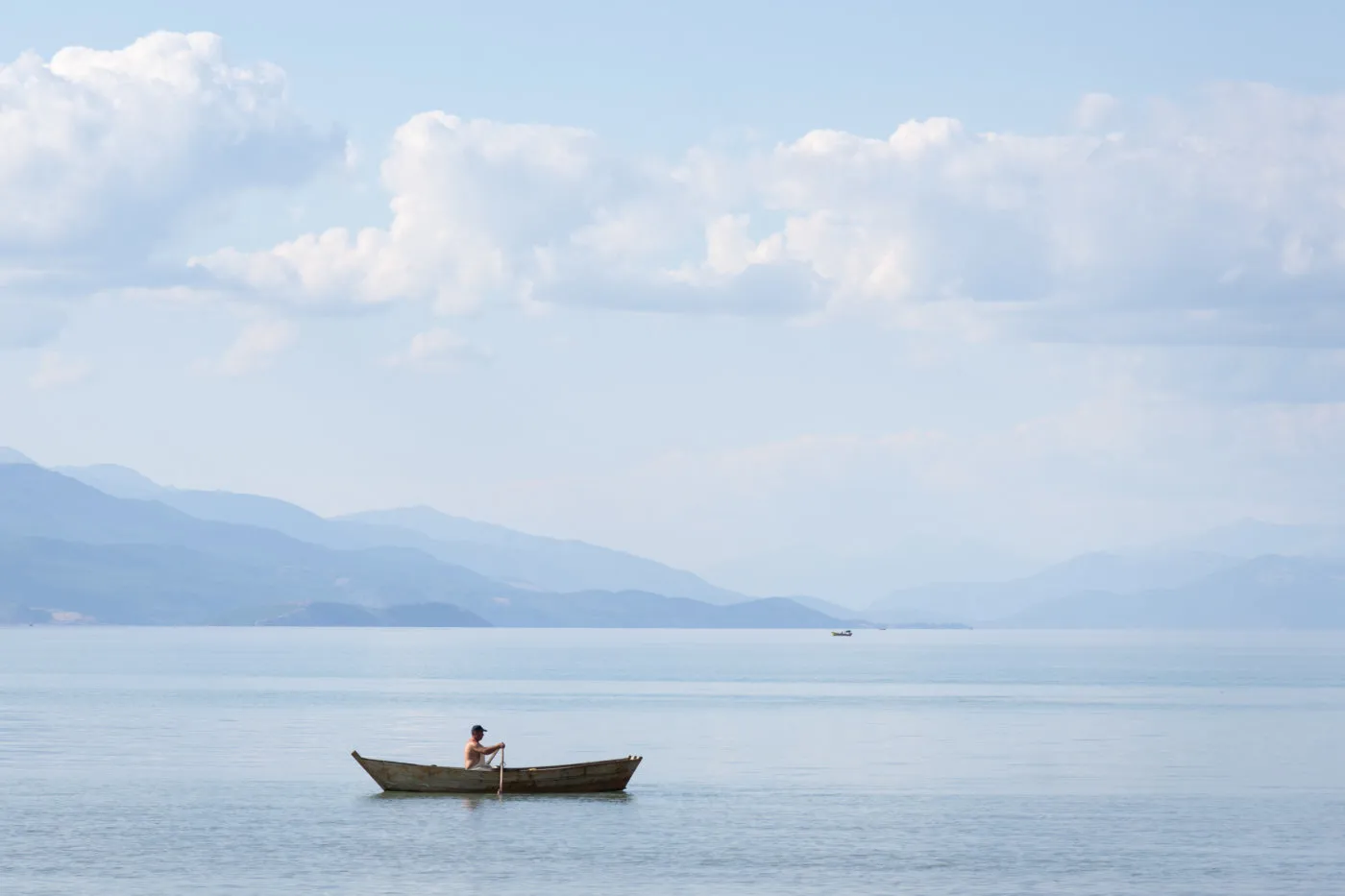
Pogradec is Albania's lakeside jewel — a peaceful town on the western shore of Lake Ohrid, one of the oldest and deepest lakes in Europe. With water so clear you can see the bottom at several metres depth, mountains rising dramatically behind the town, and a promenade lined with cafés and restaurants, Pogradec offers a completely different side of Albania.
The town is the gateway to some of Albania's most beautiful natural attractions: Drilon Park with its crystal-clear springs and roaming peacocks, the Lin Peninsula with its ancient mosaics, and the wild Starova mountains that tower above the lake. The famous Ohrid trout (koran) — found nowhere else on earth — is served fresh in lakeside restaurants.
Just 2.5 hours from Durrës through the scenic Shkumbin valley and past Elbasan, Pogradec is perfect for a day trip or an overnight stay. The pace here is slow, the air is clean, and the sunsets over the lake are among the most beautiful in the Balkans.
Life on Europe's Ancient Lake
From Illyrian fishermen to eco-tourism revival — the story of Pogradec is inseparable from the extraordinary lake that gives it life.
AntiquityAncient Illyrian Lakeside
The shores of Lake Ohrid have been inhabited since prehistoric times. Illyrian tribes — particularly the Enchelei, who took their name from the eels of the lake — settled the surrounding hills and fished its remarkably clear waters. Archaeological finds near Lin and Pogradec point to a sophisticated lakeside culture stretching back thousands of years.
Roman EraRoman Lychnidus
Under Roman rule, the lake region was part of the province of Macedonia. The Via Egnatia passed nearby, and the town of Lychnidus (modern Ohrid) on the opposite shore became a major Roman settlement. The Albanian side remained a quieter, agricultural outpost — but the stunning 6th-century mosaics discovered at Lin prove that Roman and early Christian culture flourished here too.
MedievalMedieval Crossroads
During the medieval period, the Lake Ohrid region was contested between Bulgarian, Byzantine, and Serbian empires. The lake's western shore — today's Albanian side — saw churches, monasteries, and fortifications built on its hilltops. The town of Pogradec grew slowly as a fishing and market settlement serving the surrounding villages.
OttomanOttoman Fishing Town
Under Ottoman rule from the 15th century, Pogradec developed as a modest lakeside town known for its fishing. The famous Ohrid trout (koran) was prized across the empire. Ottoman travellers noted the exceptional beauty and clarity of the lake, and a small bazaar and mosque were built in the town centre.
1945–1991Communist Industrialisation
The communist regime transformed Pogradec with industrial development, including mining in the surrounding mountains. The lake suffered from pollution, and the border with Yugoslavia (North Macedonia) was sealed — cutting off centuries of cultural exchange across the water. Despite this, Pogradec became a popular domestic holiday destination for Albanian workers.
PresentEco-Tourism Revival
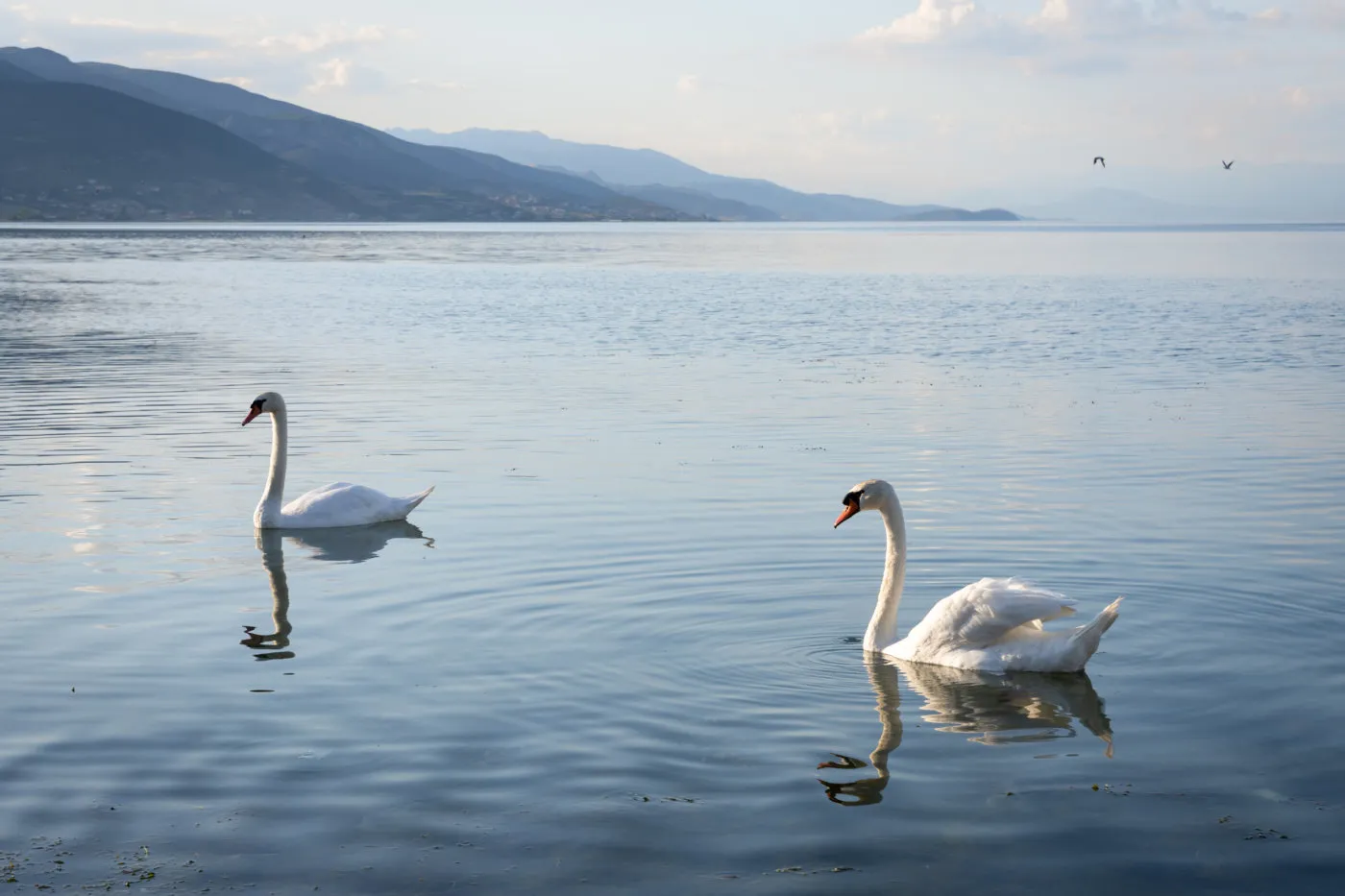
Since the fall of communism, Pogradec has been reborn as an eco-tourism destination. The lake's water quality has improved dramatically, swans have returned, and the promenade has been beautifully restored. Drilon Park's crystal-clear springs, the Lin Peninsula's ancient mosaics, and the surrounding Starova mountains make Pogradec one of Albania's most peaceful and rewarding destinations.
Landmarks & Attractions
From the crystal waters of Lake Ohrid to the ancient mosaics of Lin and the springs of Drilon Park — Pogradec is a nature lover's paradise.
Lake Ohrid
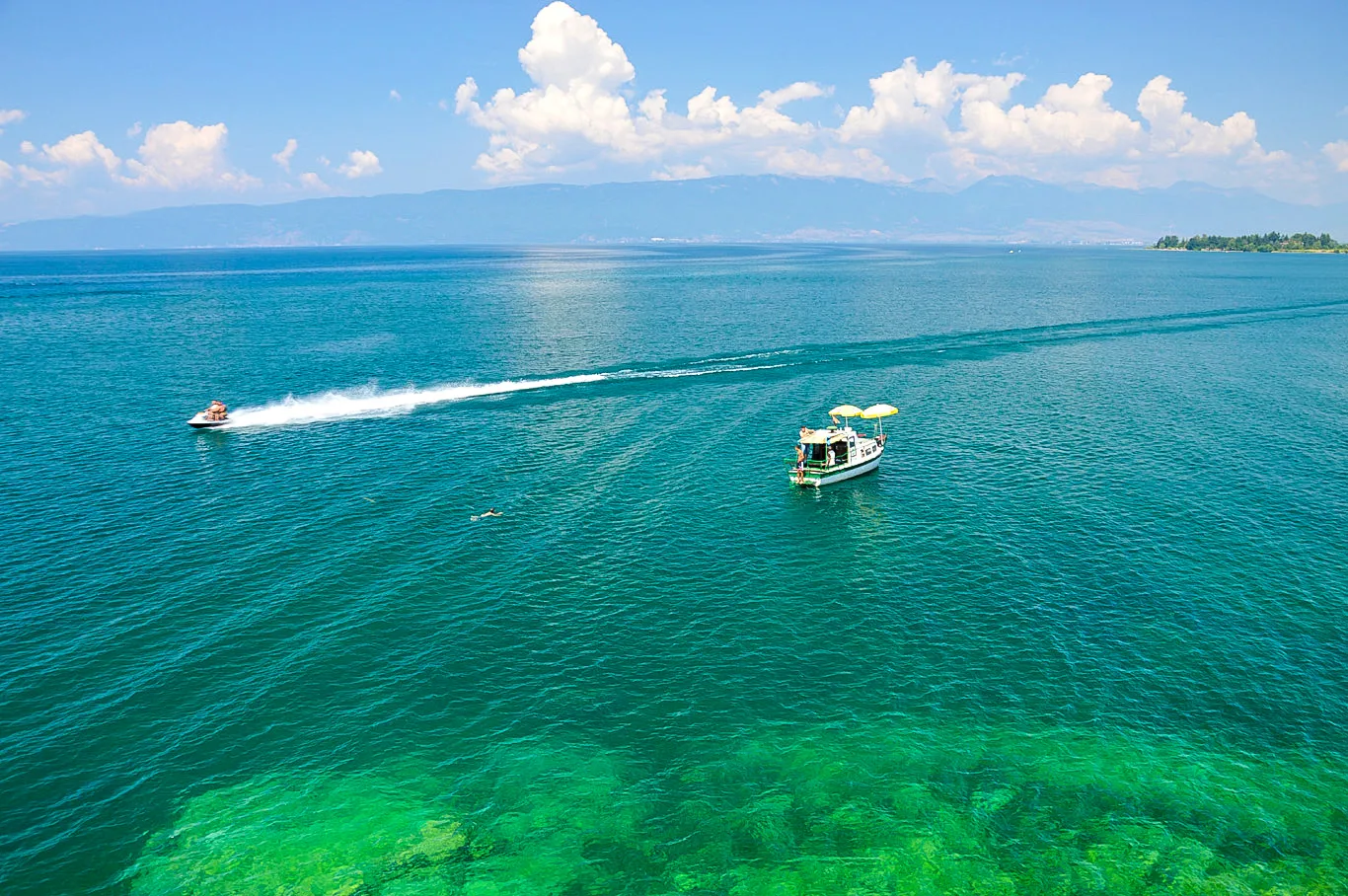
One of Europe's oldest and deepest lakes — between 1 and 3 million years old and 289 metres deep. A UNESCO World Heritage Site shared between Albania and North Macedonia, Lake Ohrid is famous for its extraordinary biodiversity, crystal-clear waters, and the endemic Ohrid trout (koran). Swimming in its pure waters is an unforgettable experience.
Drilon Park
A magical natural park just outside Pogradec where underground springs bubble up to form crystal-clear pools surrounded by ancient plane trees. Peacocks roam the paths, swans glide on the water, and small boats drift between the springs. Once a private retreat for communist leader Enver Hoxha, Drilon is now open to everyone.
Tushemisht Village
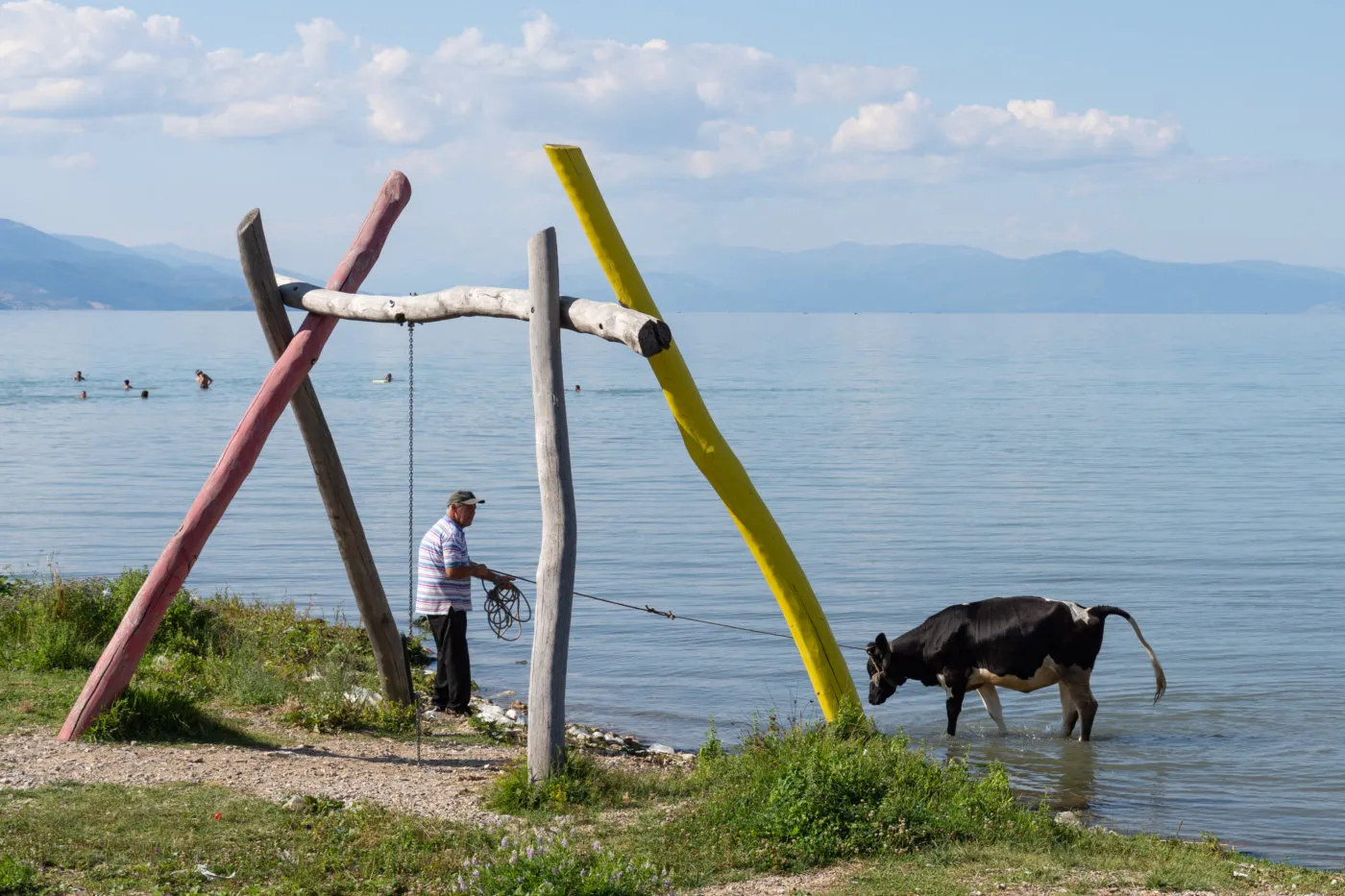
A charming lakeside village between Pogradec and the North Macedonian border, Tushemisht is famous for its natural springs, traditional stone houses, and the nearby Drilon Park. The village offers a glimpse of authentic rural Albanian life right on the shores of Lake Ohrid.
Pogradec Promenade
The beautifully restored lakeside promenade stretches along the waterfront, lined with cafés, restaurants, and benches facing the shimmering lake. At sunset, the promenade fills with locals and visitors alike — walking, cycling, and enjoying the golden light reflected off the water.
Lin Peninsula & Mosaics
The village of Lin sits on a small peninsula jutting into Lake Ohrid, offering some of the most spectacular views in the region. Beneath the village lie the remains of a 6th-century early Christian basilica with remarkably well-preserved floor mosaics — one of Albania's most important archaeological discoveries.
Starova Mountains
The dramatic Starova mountain range rises behind Pogradec, reaching peaks over 2,000 metres. Hiking trails lead through alpine meadows, beech forests, and shepherds' pastures with panoramic views over Lake Ohrid. In winter, the peaks are snow-capped — creating a stunning backdrop to the lakeside town.
Lake & Nature
Lake Ohrid is the star attraction, but Pogradec offers far more than just a swim. From cycling the lakeshore to rowing through Drilon's springs and hiking the Starova mountains, the area is a natural playground waiting to be explored.
Swimming in Lake Ohrid
The lake's water is extraordinarily clear and clean — you can see the bottom even at several metres depth. Beaches and swimming spots line the shore between Pogradec and Tushemisht, and the water is warm enough for swimming from June through September.
Fishing
Lake Ohrid is famous for the endemic koran (Ohrid trout), one of the rarest freshwater fish in Europe. Local fishermen still use traditional methods, and fresh catch is served in lakeside restaurants daily. Recreational fishing trips can be arranged with local guides.
Cycling the Lakeshore
A scenic cycling path runs along the lake from Pogradec through Tushemisht toward the border. The flat, well-maintained route offers continuous views of the lake and mountains — one of the most beautiful cycling stretches in Albania.
Drilon Park Springs
Row a small boat through the crystal-clear spring pools of Drilon Park, surrounded by centuries-old plane trees and roaming peacocks. The springs maintain a constant cool temperature year-round — a refreshing escape on hot summer days.
Birdwatching
The Lake Ohrid shoreline and surrounding wetlands are home to numerous bird species, including swans, herons, cormorants, and pelicans. The lake's ecosystem supports over 200 bird species, making Pogradec a rewarding destination for birdwatchers year-round.
Food & Cuisine
Fresh lake fish, mountain honey, and wild herb tea — Pogradec's cuisine is shaped by the lake and the mountains that surround it.

Ohrid Trout (Koran)
The legendary koran — the endemic Ohrid trout — is one of the most prized freshwater fish in Europe. Grilled whole over charcoal and served with a squeeze of lemon, it's a delicacy you can only taste here. Strict fishing quotas protect the species, making every plate special.
Tavë Peshku
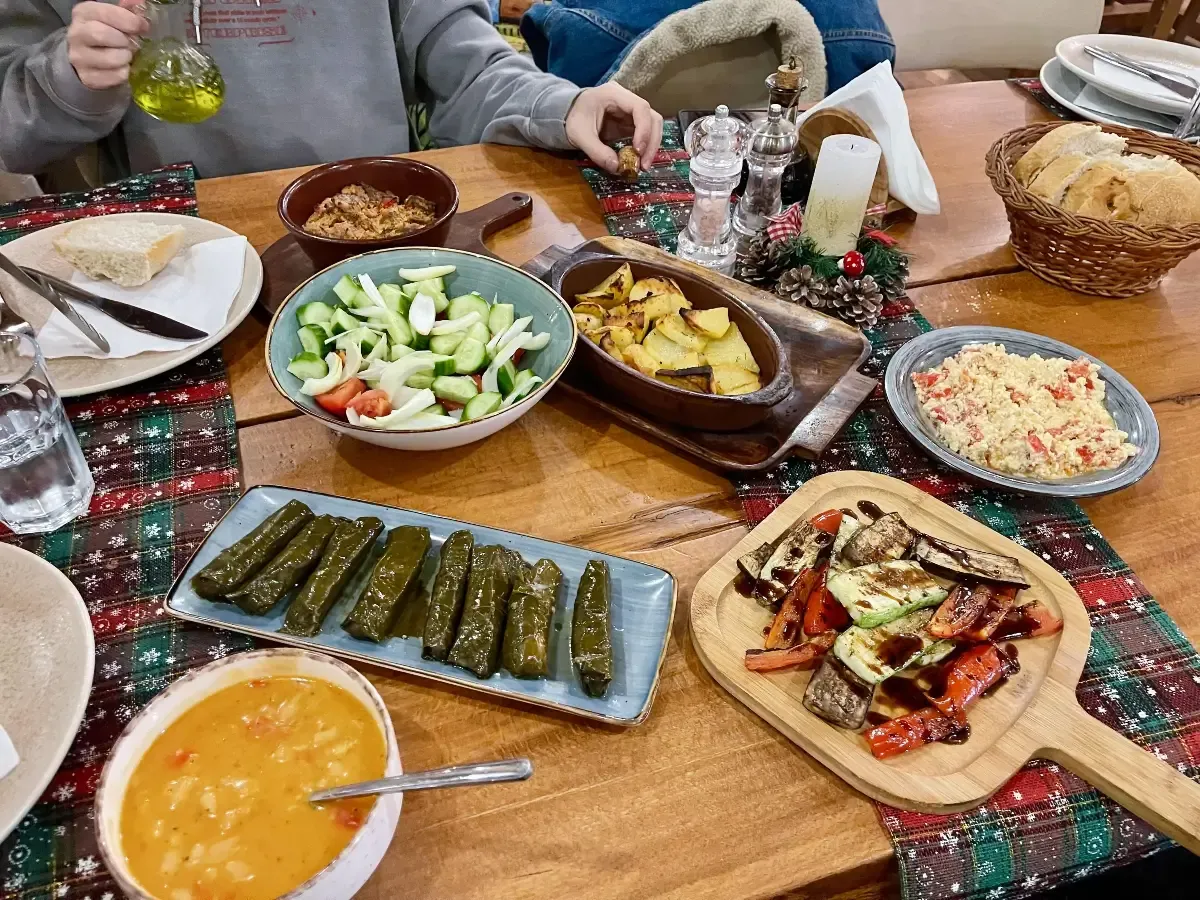
A traditional Albanian fish casserole — fresh lake fish baked with tomatoes, peppers, onions, garlic, and herbs in a clay dish. The Pogradec version naturally uses the lake's own fish, giving it a distinctly fresh, clean flavour impossible to replicate elsewhere.

Lakeside Grilled Fish
Beyond the famous koran, Lake Ohrid yields eel, carp, and bleak — all grilled simply over wood charcoal at the waterfront restaurants. Paired with a fresh salad, crusty bread, and a glass of local white wine, a lakeside fish lunch is the quintessential Pogradec experience.
Mountain Tea (Çaj Mali)
Wild mountain tea — harvested from the slopes of the Starova range — is dried and brewed into a fragrant, golden infusion that Albanians drink daily. Believed to have medicinal properties, it's the perfect accompaniment to a lakeside afternoon.
Raki
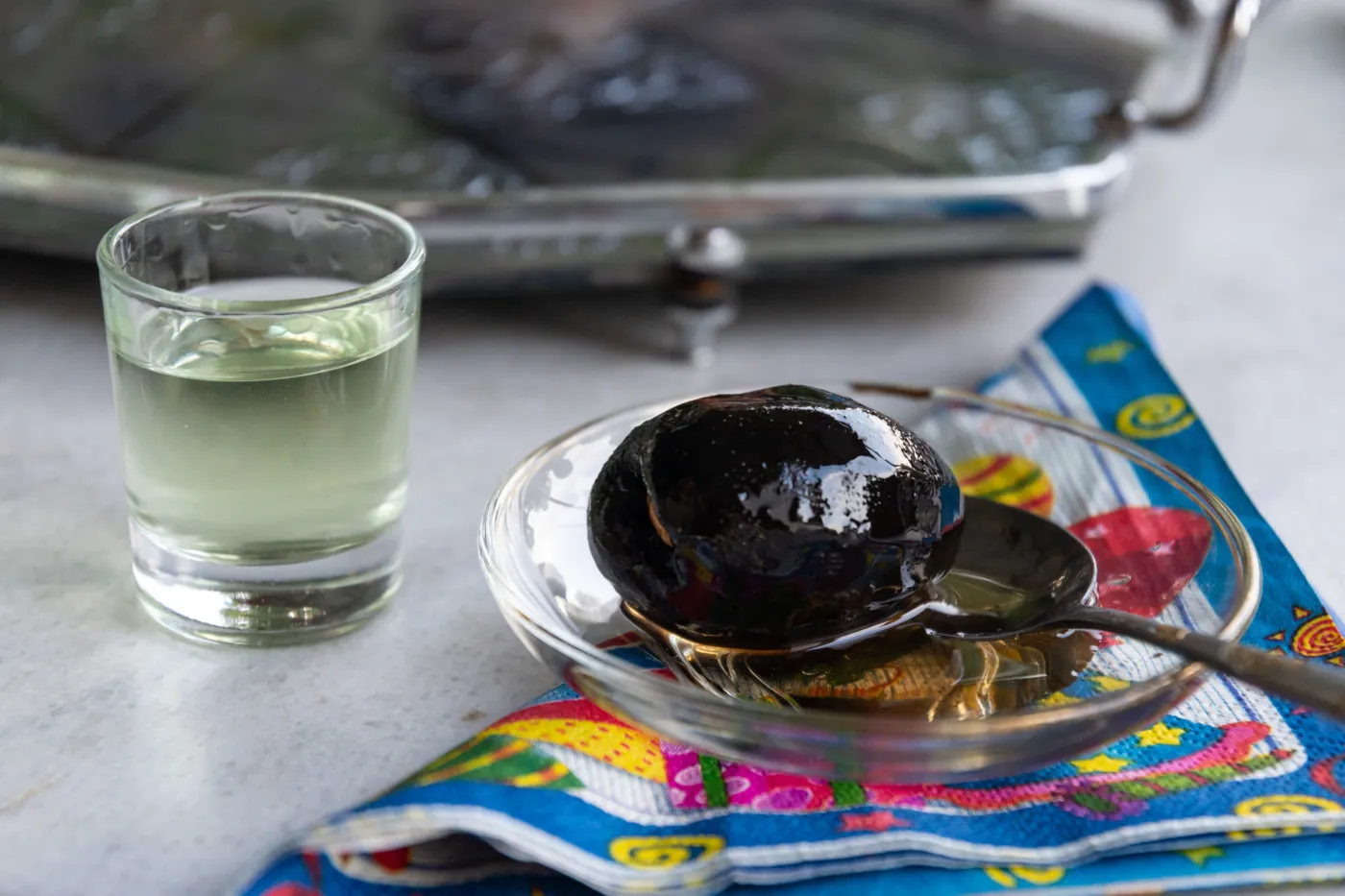
Every meal around Lake Ohrid ends with a glass of homemade raki — the clear grape spirit that's Albania's national drink. In the Pogradec region, raki is often smoother and milder than in the south, reflecting the gentler climate and the lake's calming influence on everything around it.
Best Time to Visit Pogradec
Summer is perfect for swimming and lake activities. Spring and autumn offer mild weather, fewer crowds, and beautiful mountain colours.
Summer
June – August25–33°CThe best time for swimming and lake activities. Warm days, cool evenings, and the lake at its most inviting. Pogradec fills with Albanian holidaymakers — book accommodation early.
Spring
April – May14–22°CLovely for cycling and hiking. The mountains are green, wildflowers bloom, and the lake is peaceful before the summer crowds arrive. Mornings can be cool by the water.
Autumn
September – October14–24°CGolden light on the lake, harvest season in the villages, and warm enough for swimming into September. The mountains turn amber and the town returns to its quiet rhythm.
Winter
November – March0–8°CCold and quiet, but atmospheric. Snow caps the Starova mountains, the lake takes on a steely beauty, and the town's cafés are cosy. A peaceful off-season escape.
How to Reach Pogradec
Pogradec is approximately 2.5 hours from Durrës via the Elbasan highway and the scenic mountain road through the Shkumbin valley. The drive itself is one of the most beautiful in Albania.
From Tirana, the journey takes about 2 hours. Regular minibuses (furgons) run daily from Tirana's eastern bus station to Pogradec.
Pogradec is just 5 km from the North Macedonian border at Tushemisht, making it easy to combine with a visit to Ohrid. We offer private transfers from Durrës to Pogradec and Lake Ohrid — one of our most popular day trips.
Tours in Pogradec
Swim in Europe's oldest lake, taste the legendary Ohrid trout, and explore Drilon Park's crystal springs — all with expert local guides.
Tours coming soon
We're preparing exciting new tours in Pogradec. Check back soon or contact us to arrange a private experience.
Contact UsReady to Explore Pogradec?
Whether you want to swim in Lake Ohrid, taste the legendary koran trout, or explore the ancient mosaics of Lin — we'll make it happen.