Përmet
The City of Roses — thermal baths, wild Vjosa River, canyon hikes, and legendary rose-petal jam
Where Hot Springs Meet Wild Rivers
Përmet is Albania's best-kept secret — a small town in the Vjosa valley surrounded by dramatic canyons, natural thermal baths, rose fields, and some of the wildest river scenery in Europe. Known to Albanians as "the city of roses," Përmet is famous for its delicate rose-petal jam, excellent local wine, and a pace of life that hasn't changed in generations.
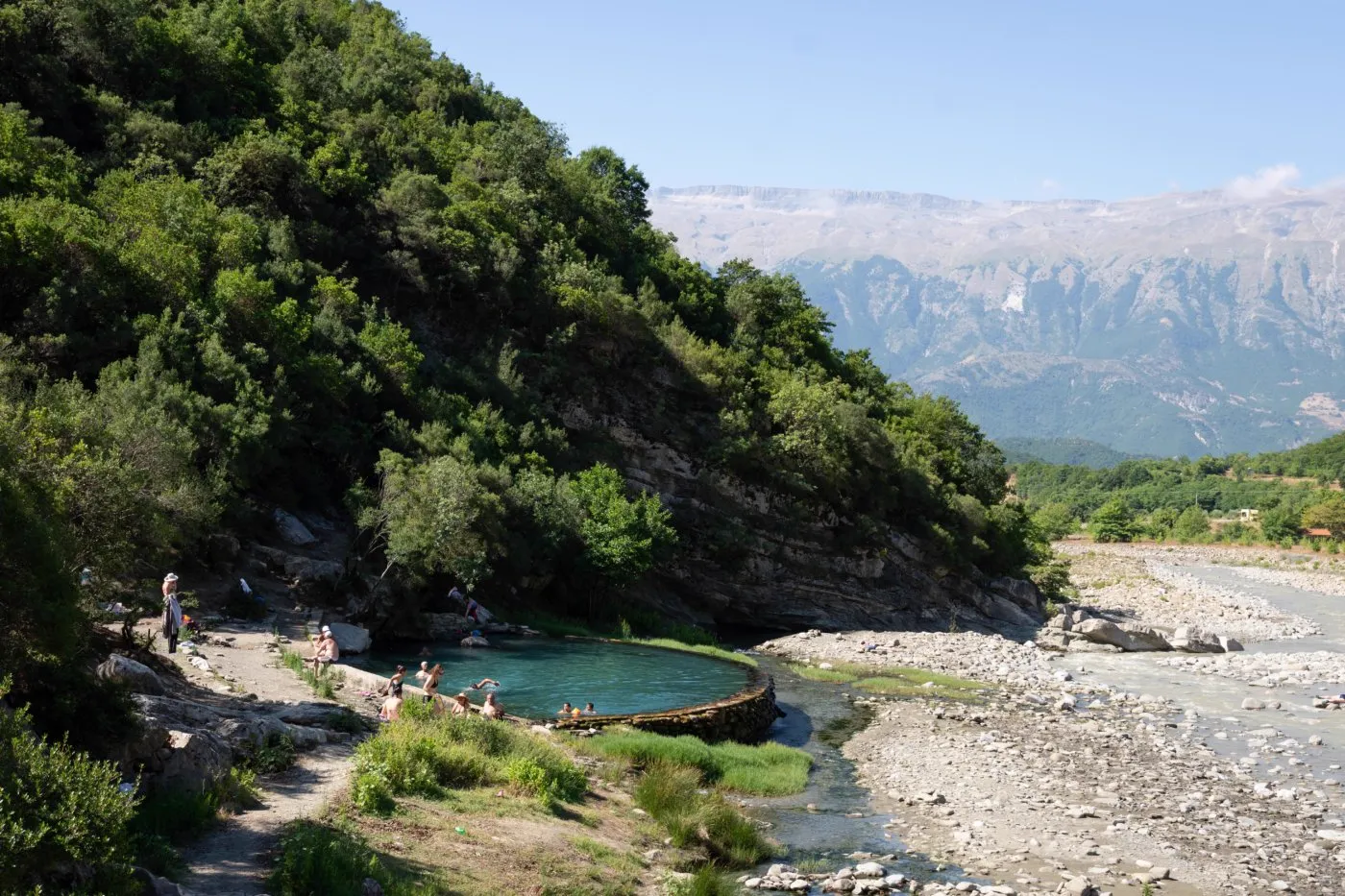
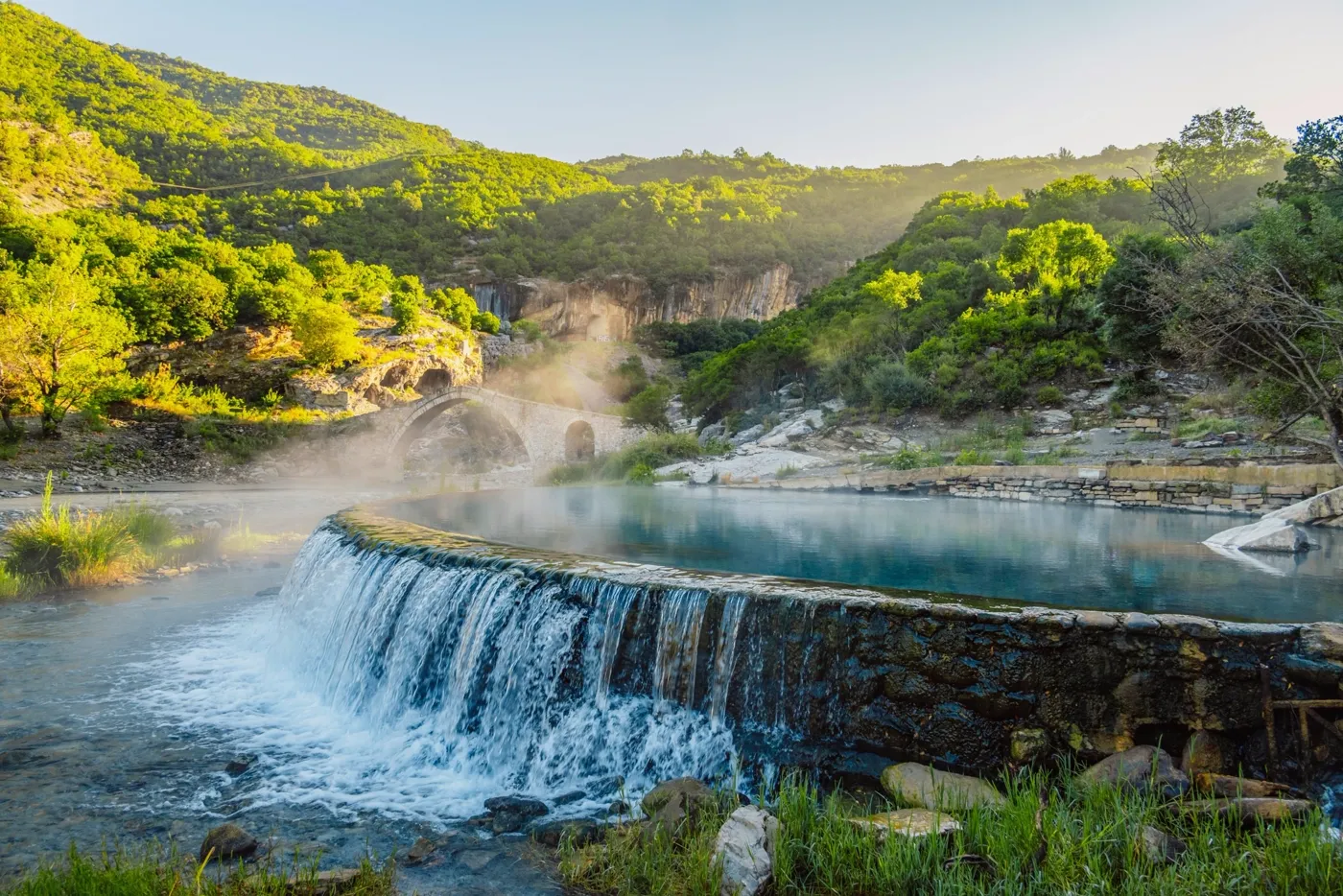
The star attraction is the Bënja thermal baths — natural hot springs bubbling up beside the Langarica River, framed by an Ottoman stone bridge and towering canyon walls. From the baths, you can wade into the spectacular Langarica Canyon, hike through the Këlcyrë gorge, or raft down the Vjosa — Europe's last completely wild and undammed river.
At 4 hours from Durrës through some of Albania's most beautiful mountain scenery, Përmet rewards travellers who venture beyond the coast. Come for the thermal baths, stay for the wine, the roses, and the kind of Albanian hospitality that makes you never want to leave.
A Story Written in Water & Stone
From ancient Illyrian settlements to Europe's last wild river campaign — Përmet's history flows as freely as the Vjosa itself.
AntiquityAncient Vjosa Settlement
The Vjosa valley has been inhabited since ancient times. Illyrian tribes settled along the banks of the wild river, drawn by the fertile valley floor, the thermal springs, and the strategic position between the coast and the mountain interior. The area around modern Përmet was part of the ancient region of Epirus, contested between Illyrian, Greek, and later Roman powers.
Roman EraRoman Period
Under Roman rule, the Vjosa valley became part of the province of Epirus Vetus. Roman roads connected the region to the Adriatic coast and the broader empire. The thermal springs at Bënja were likely known and used during this period — Romans were famous for their bathhouse culture, and natural hot springs were highly valued.
MedievalMedieval Crossroads
During the medieval period, the Përmet area saw the construction of fortifications, churches, and bridges as Byzantine, Bulgarian, and Serbian powers contested the region. The dramatic Langarica and Këlcyrë canyons provided natural defences, and small trading towns developed along the river.
OttomanOttoman Bridges & Mosques
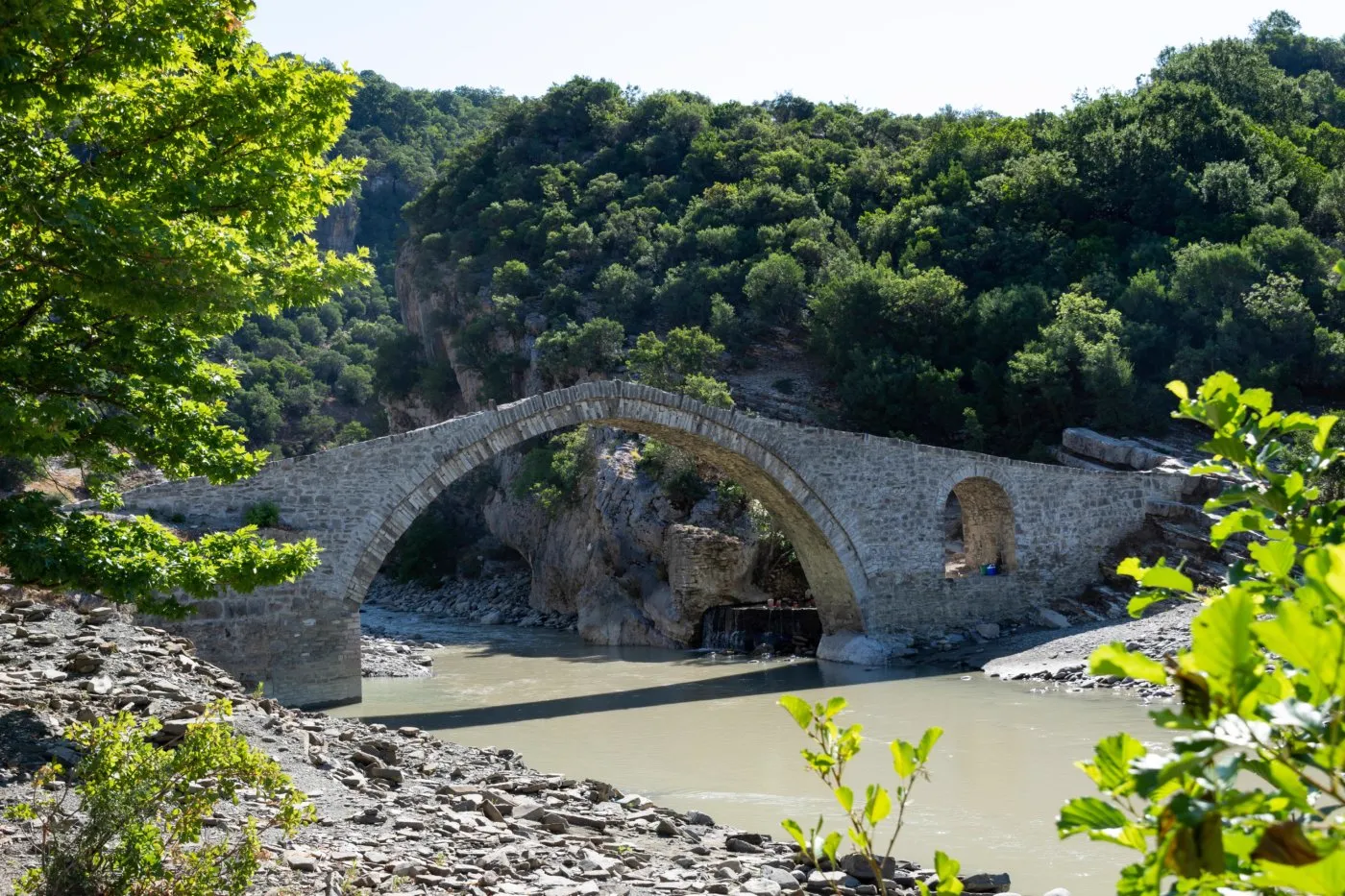
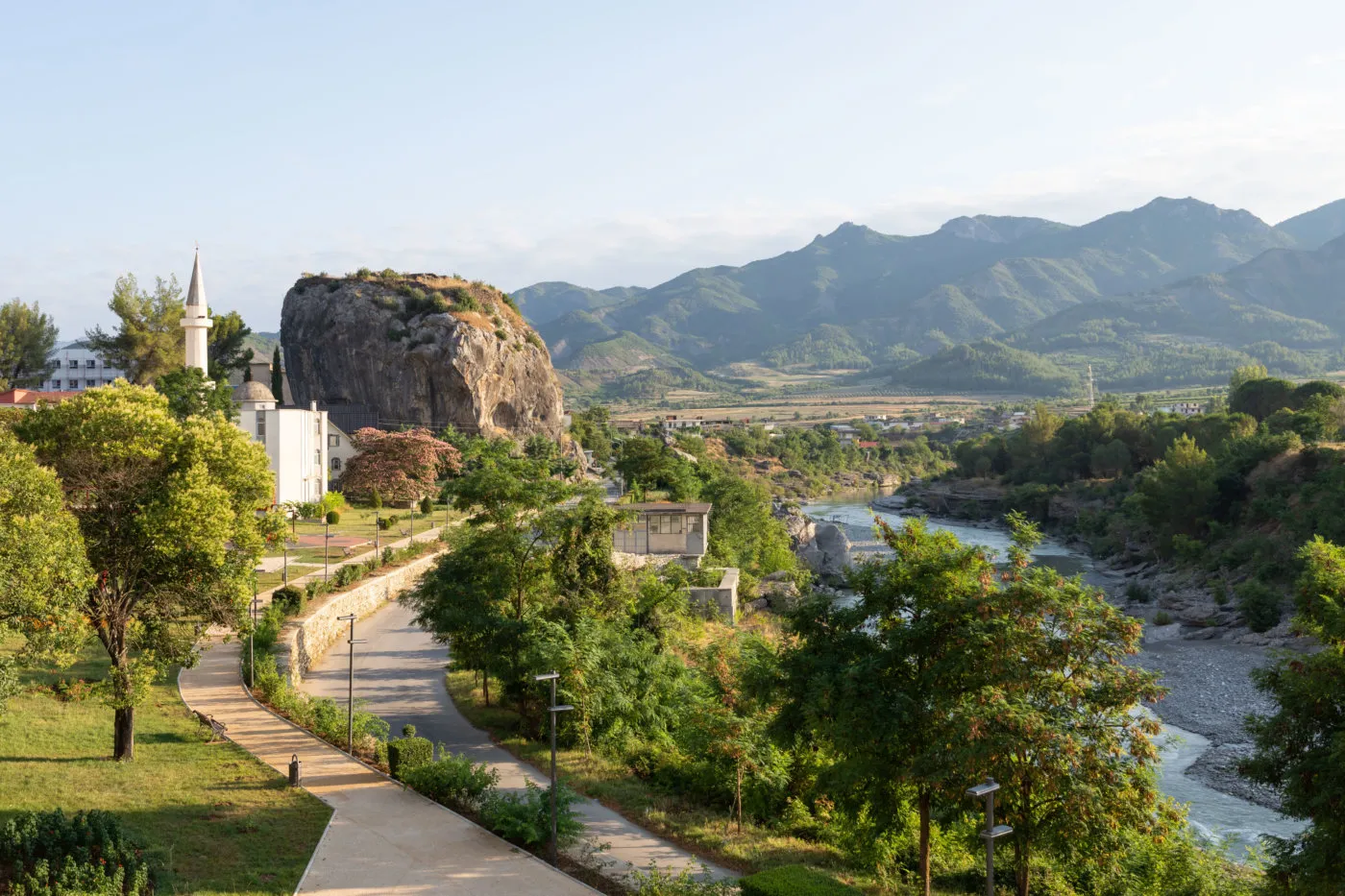
Under Ottoman rule from the 15th century, Përmet developed as a small administrative and market town. The elegant stone bridges — including the Kadiut Bridge over the Langarica gorge — date from this period. Mosques were built, and the town became known for its rose gardens, winemaking, and the tradition of preparing rose-petal jam (gliko trëndafili).
 1945–1991
Communist Era
The communist regime brought roads and schools to the remote Vjosa valley but also collectivised agriculture and suppressed traditions. Përmet held particular symbolic importance — it was here that the communist-led Anti-Fascist National Liberation Congress was held in 1944, declaring Albania's post-war political direction.
PresentEco-Tourism & Wild River Campaign
Today Përmet is at the heart of one of Europe's most important environmental campaigns — the effort to protect the Vjosa as Europe's last wild river, free from dams. The town has reinvented itself as an eco-tourism destination, with the Bënja thermal baths, Langarica Canyon, local wine, and rose-petal jam drawing visitors from across Europe. In 2023, the Vjosa was declared a national park.
Landmarks & Attractions
From natural thermal baths and canyon hikes to Ottoman bridges and rose fields — Përmet offers a unique blend of nature, history, and Albanian culture.
Bënja Thermal Baths
Natural hot springs (around 30°C) bubbling up beside the Langarica River, surrounded by an Ottoman stone bridge and dramatic canyon walls. Multiple pools of varying temperatures are free to use — you can alternate between the warm springs and the cool river. One of the most magical bathing experiences in Europe.
Langarica Canyon
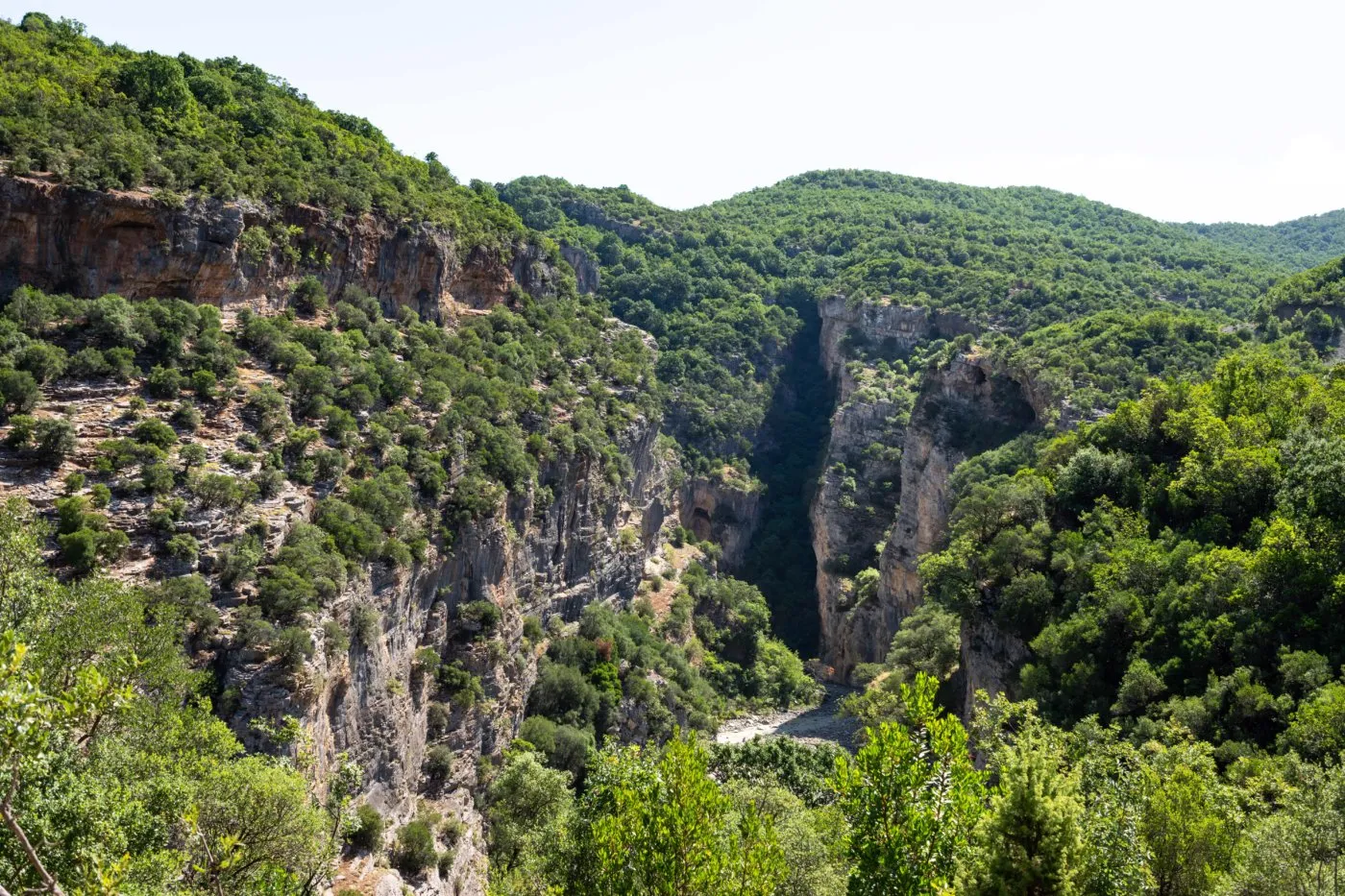
A narrow, dramatic gorge carved by the Langarica River through limestone rock. The canyon walls tower overhead as you wade and scramble upstream through crystal-clear water. The hike through the canyon — starting from the thermal baths — is one of the most thrilling and beautiful walks in Albania.
Kadiut Bridge (Ottoman)
An elegant Ottoman-era stone arch bridge spanning the Langarica gorge near the thermal baths. The bridge's graceful curve against the backdrop of the canyon is one of the most photographed scenes in southern Albania. It's a testament to the engineering skill of Ottoman bridge builders.
Vjosa River
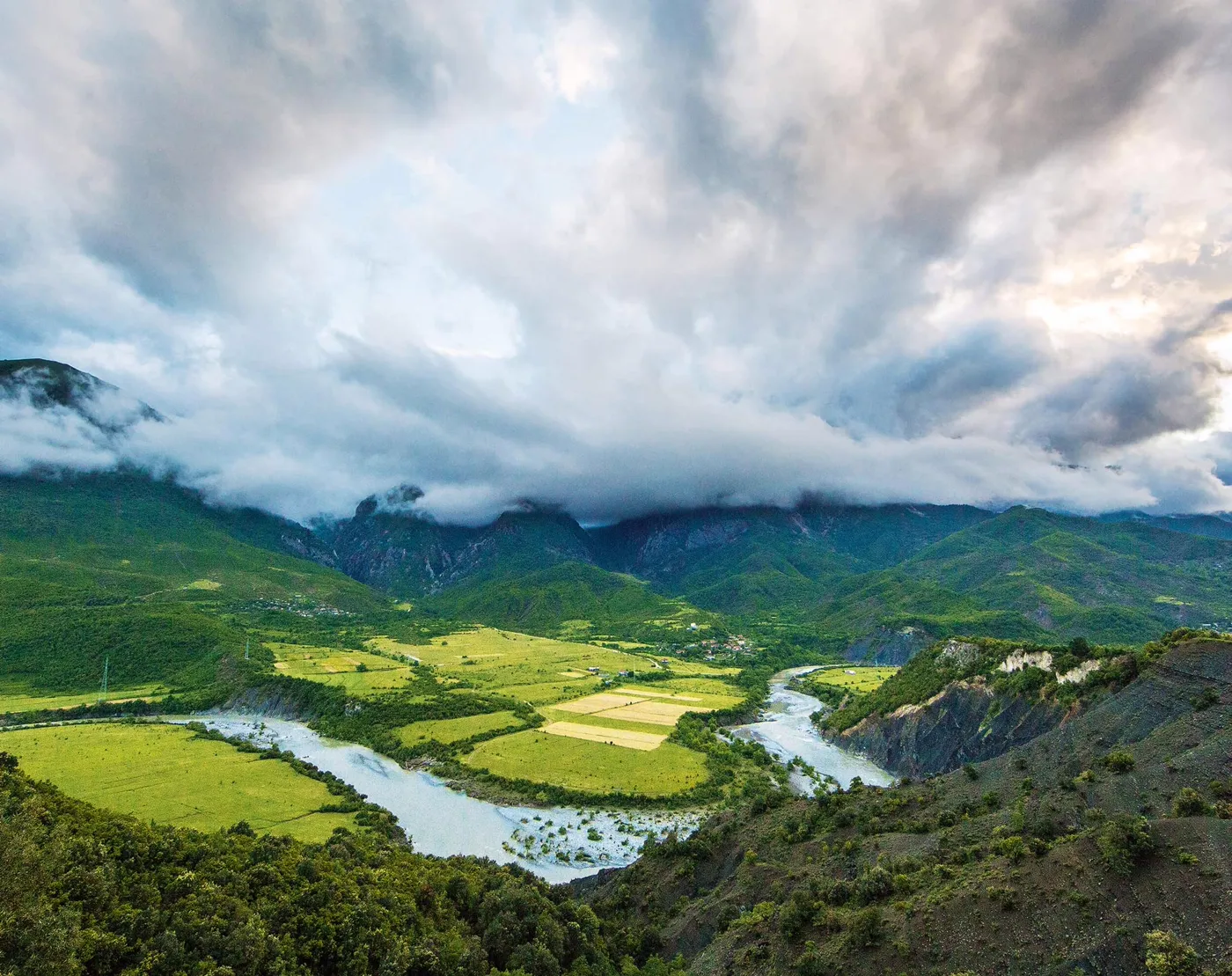
Europe's last great wild river — the Vjosa flows freely from Greece through Albania to the Adriatic without a single dam. Its braided channels, gravel islands, and turquoise waters are a living textbook of natural river dynamics. Rafting, kayaking, and swimming are all possible along its length near Përmet.
Këlcyrë Canyon
A spectacular gorge where the Vjosa River cuts through the mountains between Përmet and Këlcyrë. The road winds through the canyon alongside the river, with sheer rock walls rising on both sides. Stop at viewpoints to appreciate the raw power that carved this landscape over millions of years.
Rose Fields
The Përmet region is famous for its rose gardens — Damask roses have been cultivated here for centuries. In May and June, the fields bloom in pink, and the air fills with fragrance. The roses are harvested to make gliko trëndafili (rose-petal jam), Përmet's most famous culinary export.
Local Wineries
The sunny slopes of the Vjosa valley produce some of Albania's best wines. Small family wineries around Përmet grow indigenous grape varieties and produce honest, characterful wines. Wine tasting visits can be arranged — the reds are robust and the whites are crisp, all best enjoyed with local food.
Hot Springs & Nature
Përmet is a paradise for nature lovers who like their adventures with a touch of comfort. Soak in thermal baths, wade through canyons, raft wild rivers, harvest roses at dawn, and taste local wines — all in a single day.
Thermal Bathing at Bënja
Soak in natural hot spring pools at 30°C surrounded by canyon walls and an Ottoman bridge. The pools vary in temperature and size — find your favourite and spend a lazy afternoon alternating between warm springs and cool river water.
Canyon Hiking
Wade and scramble through the Langarica Canyon — a narrow gorge with towering limestone walls and crystal-clear water. The experience is part hike, part swim, and entirely unforgettable. Waterproof shoes recommended.
River Rafting
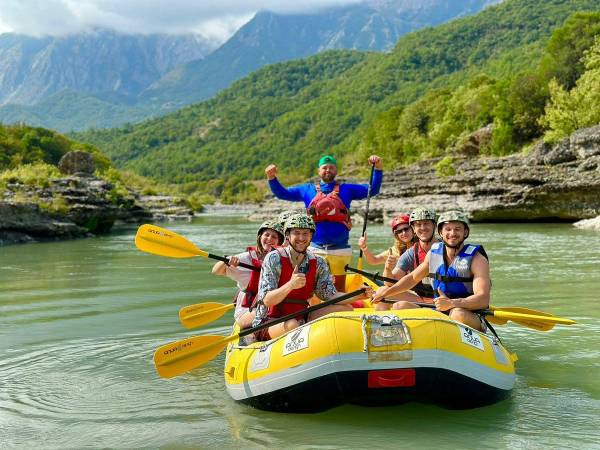
The Vjosa River offers rafting and kayaking experiences through some of the most dramatic scenery in Albania. Several local operators run half-day and full-day trips on various sections of the river — suitable for both beginners and experienced paddlers.
Rose Harvesting
In May and June, join local families in the rose fields to harvest Damask roses at dawn. Watch the ancient process of turning fresh petals into the famous rose-petal jam. A uniquely fragrant and cultural experience.
Wine Tasting
Visit small family wineries in the Vjosa valley to taste local wines made from indigenous grape varieties. The winemakers are passionate and welcoming, and the wines pair perfectly with Përmet's local cuisine.
Food & Cuisine
Rose-petal jam, local wine, mountain lamb, and wild herbs — Përmet's cuisine is a celebration of the valley's extraordinary natural bounty.
Rose-Petal Jam (Gliko Trëndafili)
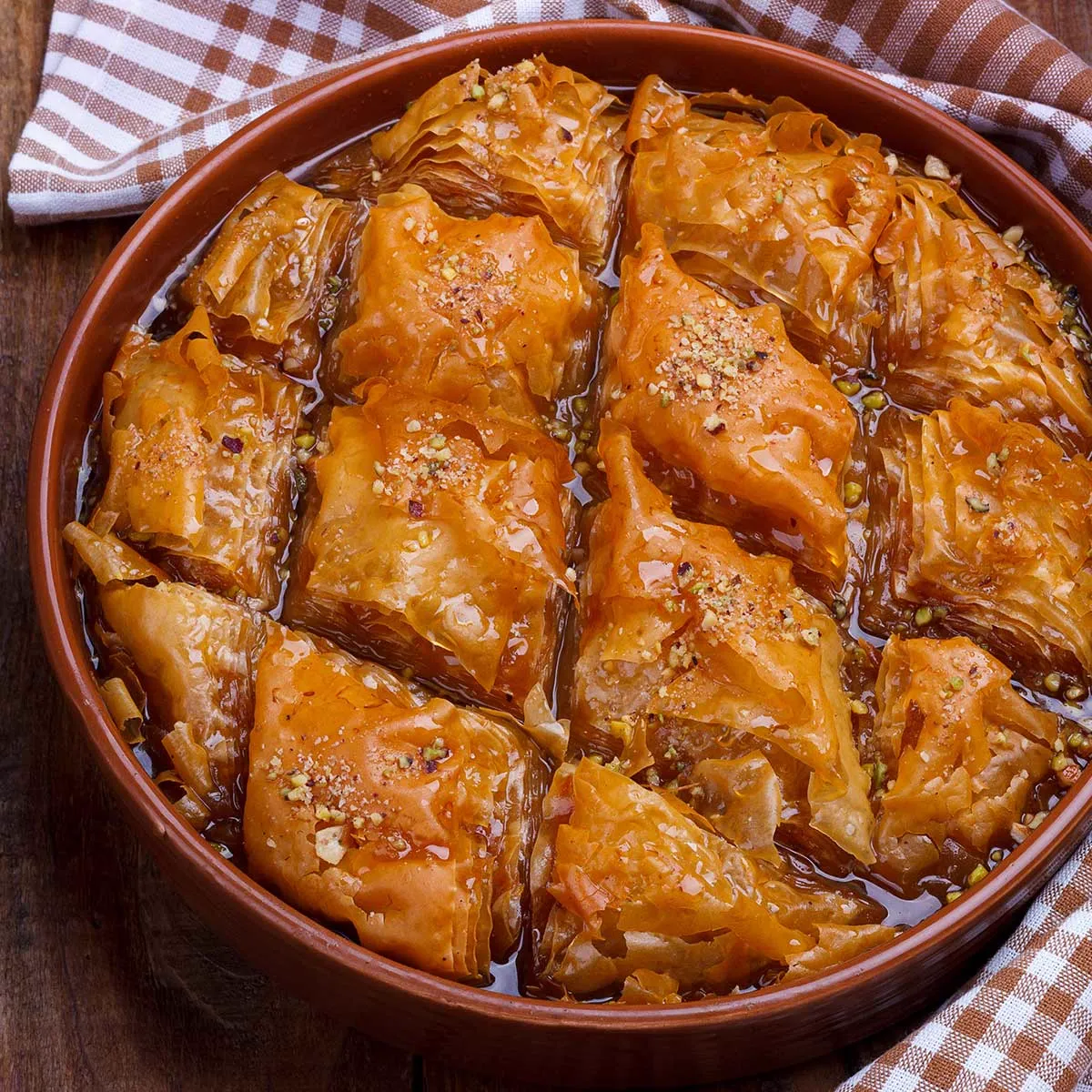
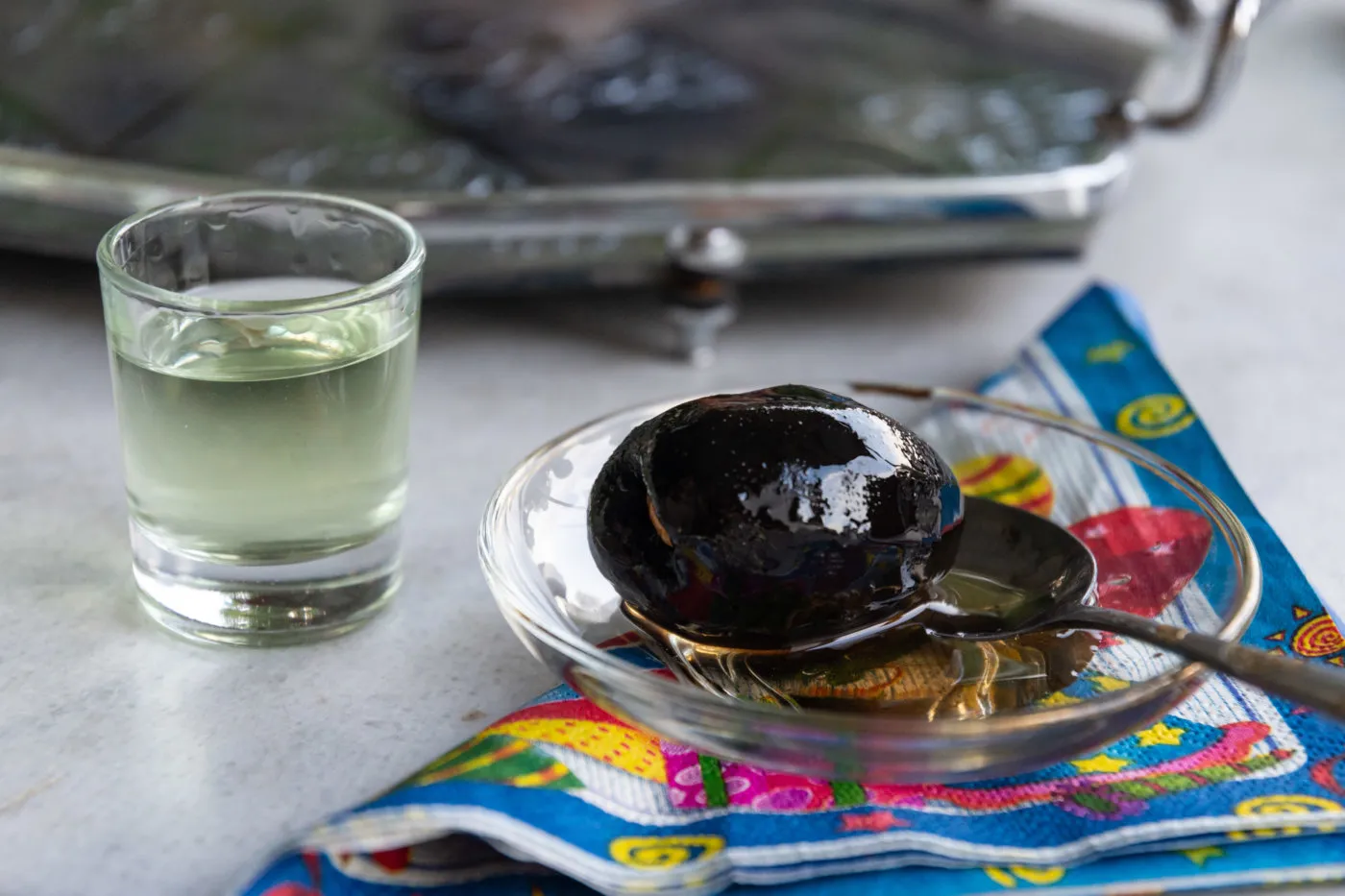
Përmet's most famous culinary creation — delicate Damask rose petals preserved in sugar syrup. Served on a spoon with a glass of cold water and coffee, this gliko (preserve) is Albania's most refined sweet tradition. Every household in Përmet has its own recipe, jealously guarded.
Local Wine
The Vjosa valley's warm climate and limestone soils produce excellent wines. Small family wineries grow indigenous Albanian varieties alongside Mediterranean classics. The reds are full-bodied and earthy; the whites are crisp and aromatic. Best enjoyed at a local restaurant with grilled lamb.
Lamb Dishes
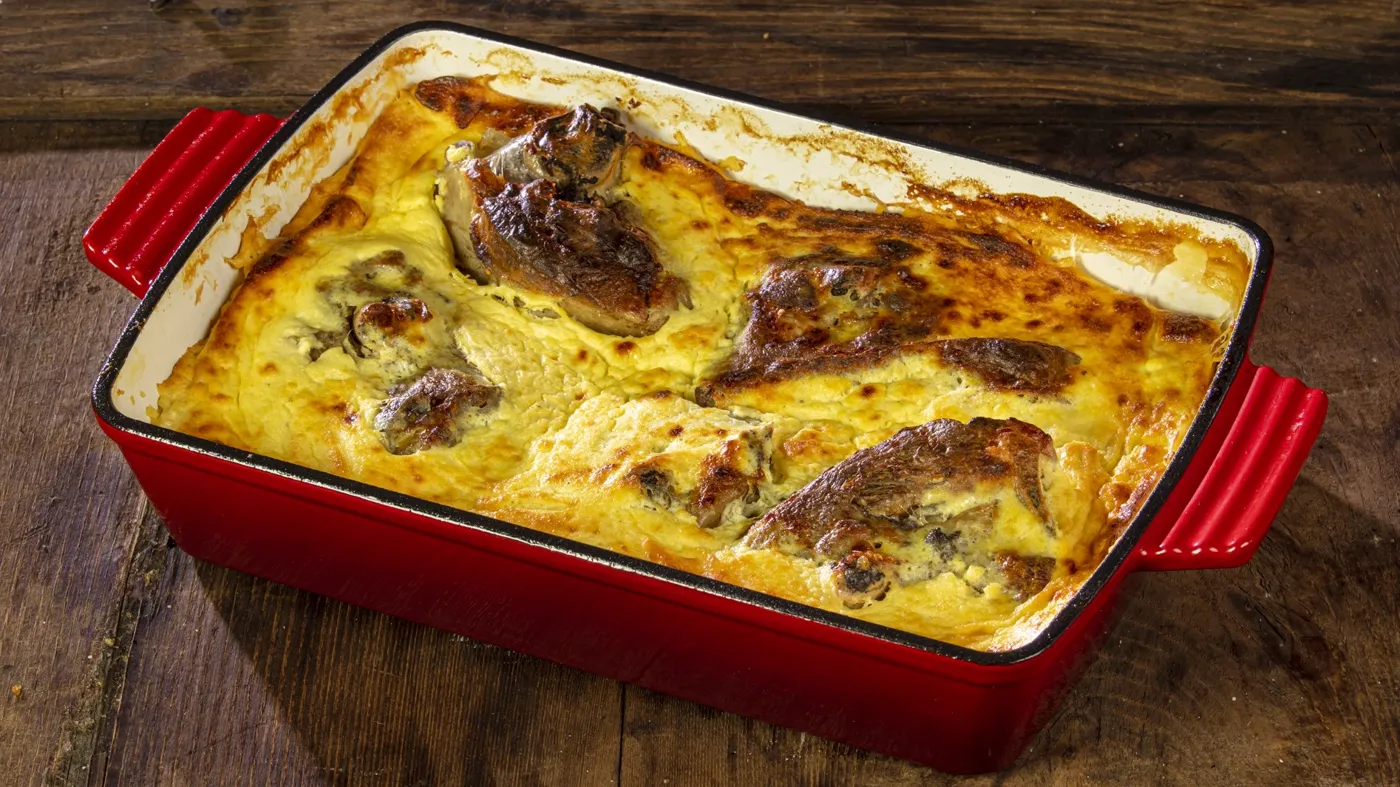
Lamb is the king of Përmet's cuisine — slow-roasted over wood fires, grilled on the spit, or baked in yoghurt sauce. The sheep graze on wild herbs and mountain grasses, giving the meat a distinctive flavour. Every family gathering and celebration centres on lamb.
Raki
Përmet's homemade raki is legendary — smooth, potent, and often infused with local herbs or walnuts. Every meal begins and ends with a glass, and refusing is unthinkable. The raki culture here is serious — families take enormous pride in the quality of their distillation.
Best Time to Visit Përmet
Spring is magical with blooming roses and powerful waterfalls. Summer is perfect for river activities. The thermal baths are wonderful year-round — even better in winter.
Summer
June – August28–38°CHot and dry — perfect for river activities, canyon hikes, and thermal bathing. The rose harvest happens in early June. The Vjosa is at its lowest and warmest for swimming.
Spring
April – May15–25°CThe best time to visit. Rose fields bloom, the river is powerful, canyon walls drip with water, and the landscape is green. Perfect temperatures for hiking and bathing.
Autumn
September – October15–28°CWarm days, golden light, and wine harvest season. The thermal baths are perfect in autumn — warm springs against cool mountain air. Fewer visitors and stunning colours.
Winter
November – March3–12°CCool and quiet. The thermal baths are especially magical in winter — steam rising in cold air. Snow on the surrounding mountains creates a dramatic backdrop. Fewer tourists.
How to Reach Përmet
Përmet is approximately 4 hours from Durrës via Fier and the Vjosa valley road. The drive through the Këlcyrë Canyon is one of the most spectacular road journeys in Albania.
From Gjirokastër, Përmet is about 1.5 hours away, making it easy to combine both destinations. From Tirana, the drive takes approximately 3.5 hours.
The Bënja thermal baths are just 15 minutes from Përmet town. We offer private transfers and day trips from Durrës to Përmet — one of our most popular southern Albania experiences.
Tours in Përmet
Soak in thermal baths, hike through canyons, taste rose-petal jam, and raft Europe's last wild river — all with expert local guides.
Ready to Explore Përmet?
Whether you want to soak in thermal baths, hike through canyons, or taste the legendary rose-petal jam — we'll make it happen.