Lezhë
Land of Skanderbeg's Legacy — where Albania's princes united against an empire
Where History Meets Adventure
Lezhë is one of Albania's most historically significant towns — the place where, in 1444, the legendary warrior Skanderbeg united the Albanian princes into a League that would resist the Ottoman Empire for a quarter of a century. It's a name that every Albanian knows by heart.
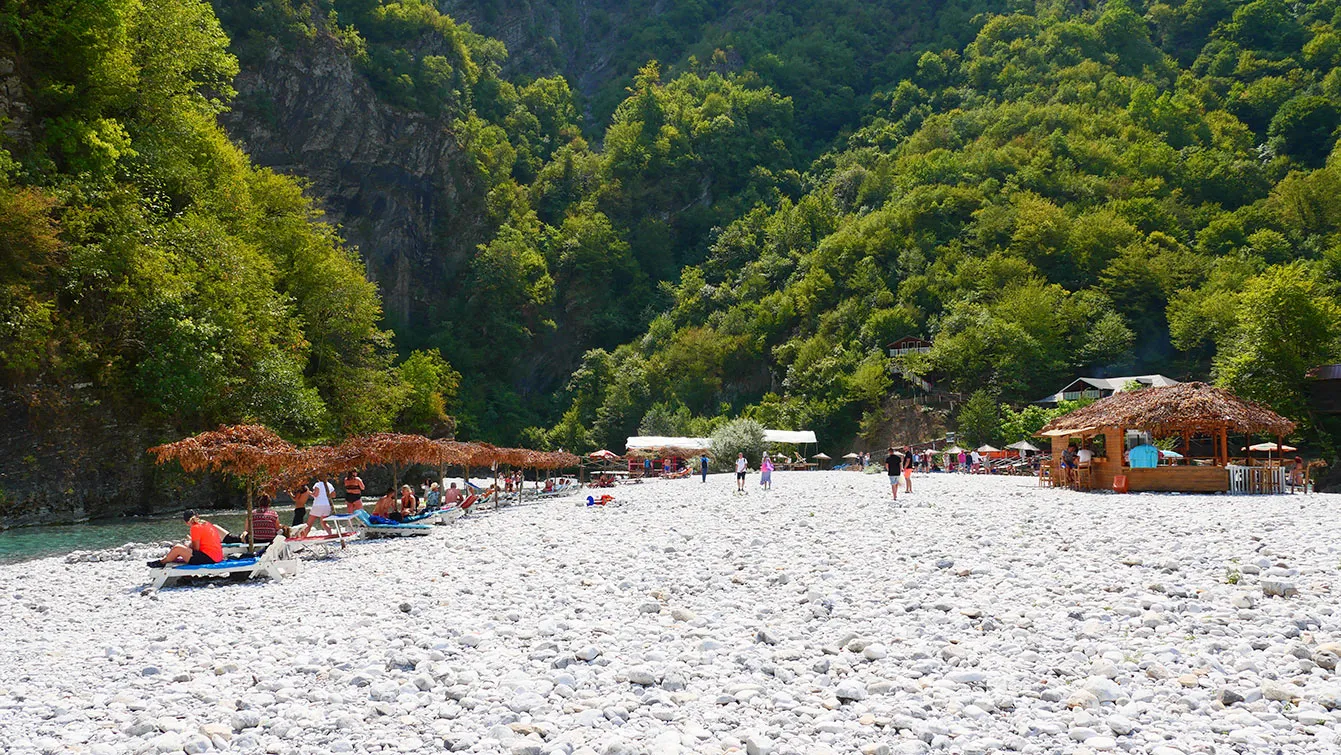
But Lezhë today is far more than a memorial. Sitting just 1.5 hours north of Durrës, it's the gateway to the spectacular Shala River canyon — nicknamed "the Thailand of Albania" for its emerald waters and towering cliffs. The sandy beaches of Shëngjin are just 10 minutes away, and the Kune-Vain lagoon offers some of the best birdwatching in the country.
From ancient Greek fortress ruins and a medieval castle to canyon boat trips and Adriatic sunsets, Lezhë packs an extraordinary range of experiences into one compact, easy-to- reach destination.
From Greek Colony to National Symbol
Lezhë's history is the story of Albania itself — from ancient Illyrian-Greek beginnings through the defining moment when Skanderbeg forged a nation from warring clans.
385 BCAncient Lissus
Lezhë began as Lissus, a Greek colony founded in 385 BC by Dionysius of Syracuse on a strategic hill overlooking the river and the Adriatic plain. The settlement controlled trade routes between the coast and the mountainous interior. Its fortified acropolis — Akrolissus — stood on the heights above, guarding the approach from the north. Fragments of Hellenistic walls and pottery still scatter the hillside.
2nd c. BCRoman Port City
Under Roman rule, Lissus became an important Adriatic port. The city sat at the junction of roads connecting Dyrrachium (Durrës) to the north and the Via Egnatia system to the east. Roman merchants, soldiers, and administrators passed through its harbour. The city's strategic position ensured it remained prosperous throughout the imperial period, though little of the Roman city survives above ground today.
9th–14th c.Medieval Crossroads
Through the medieval centuries, Lezhë traded hands repeatedly — Byzantines, Normans, Angevins, and Serbs all held the town at various points. The hilltop castle was fortified and refortified by each new ruler. Despite the instability, Lezhë remained a significant settlement because of its harbour and its position on the road between Shkodër and Durrës. Churches and fortifications from this turbulent era dot the surrounding hills.
1444League of Lezhë
On 2 March 1444, the Albanian prince Gjergj Kastrioti Skanderbeg convened the Assembly of Lezhë — one of the most important events in Albanian history. In the town's church, he united rival Albanian lords, clans, and princes into a military alliance against the Ottoman Empire. The League of Lezhë held together for 25 years, defending Albanian independence against enormous odds and earning Skanderbeg the title 'Athlete of Christ' from the Pope.
15th–19th c.Ottoman Era
After Skanderbeg's death in 1468, he was buried in Lezhë's Church of St Nicholas. When the Ottomans finally conquered the town, they converted the church into a mosque — but legend says Ottoman soldiers dug up Skanderbeg's bones and wore fragments as talismans, believing they carried the hero's courage. Under Ottoman rule, Lezhë declined into a quiet provincial town, its strategic importance fading as trade routes shifted.
Present DayGateway to Adventures
Today Lezhë is a growing town and the gateway to some of Albania's most exciting natural attractions. The Skanderbeg Memorial — a monumental tomb and museum — honours the national hero. The castle ruins offer panoramic views. Just 10 minutes away, the beaches of Shëngjin are booming. And from the Koman ferry, the spectacular Shala River canyon — dubbed 'the Thailand of Albania' — is accessible by boat through some of Europe's most dramatic river scenery.
Landmarks & Attractions
From Skanderbeg's memorial and ancient fortresses to emerald river canyons and Adriatic beaches — Lezhë offers an extraordinary range of experiences.
Skanderbeg Memorial
A monumental tomb and museum dedicated to Albania's national hero, Gjergj Kastrioti Skanderbeg, who was buried in Lezhë in 1468. The memorial occupies the site of the former Church of St Nicholas and features a striking modern design with the hero's helmet and sword. Inside, exhibits trace Skanderbeg's life, the League of Lezhë, and his 25-year resistance against the Ottoman Empire.
Akrolissus Fortress
The ancient hilltop citadel above Lezhë, dating to the Greek colony of Lissus in the 4th century BC. Massive Hellenistic walls — some blocks weighing several tonnes — still stand on the windswept heights. The views from the top are extraordinary: the Adriatic coast, the Kune-Vain lagoon, the Drin river delta, and the mountains of northern Albania stretching to the horizon.
Lezhë Castle
The medieval fortress ruins perched on the hill directly above the town centre. Built and rebuilt by Byzantines, Venetians, and Ottomans, the castle walls offer a pleasant short hike from the town and sweeping views over the coastal plain. The Skanderbeg Memorial sits at the foot of the castle hill.
Shala River Canyon
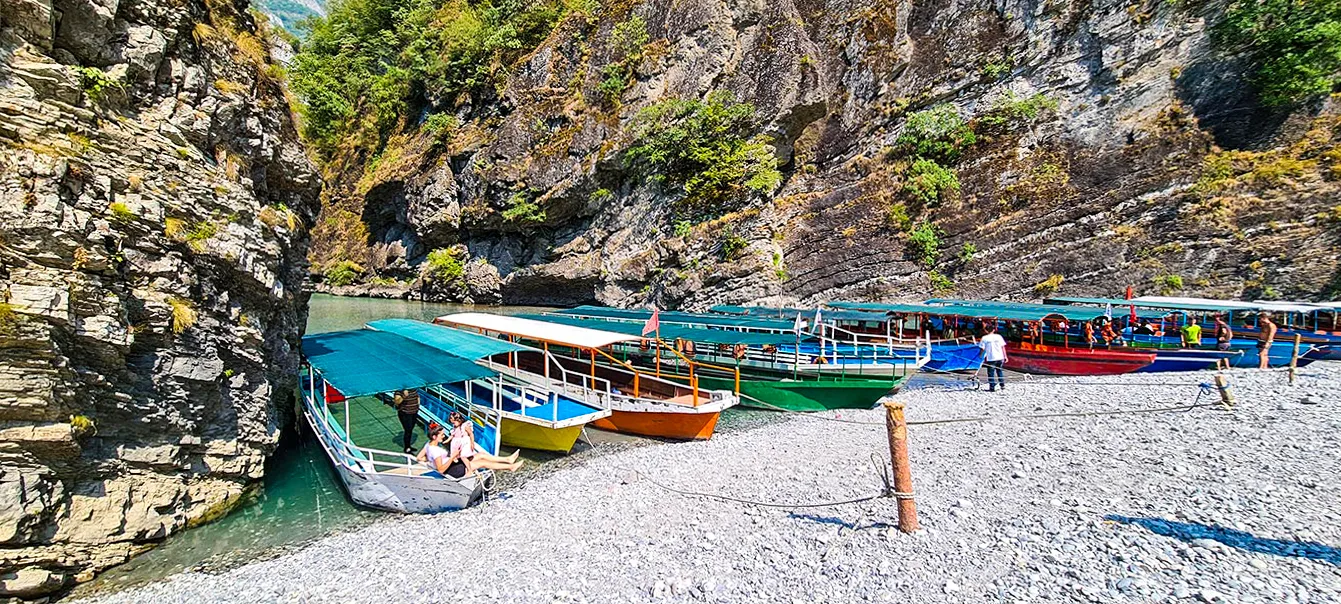
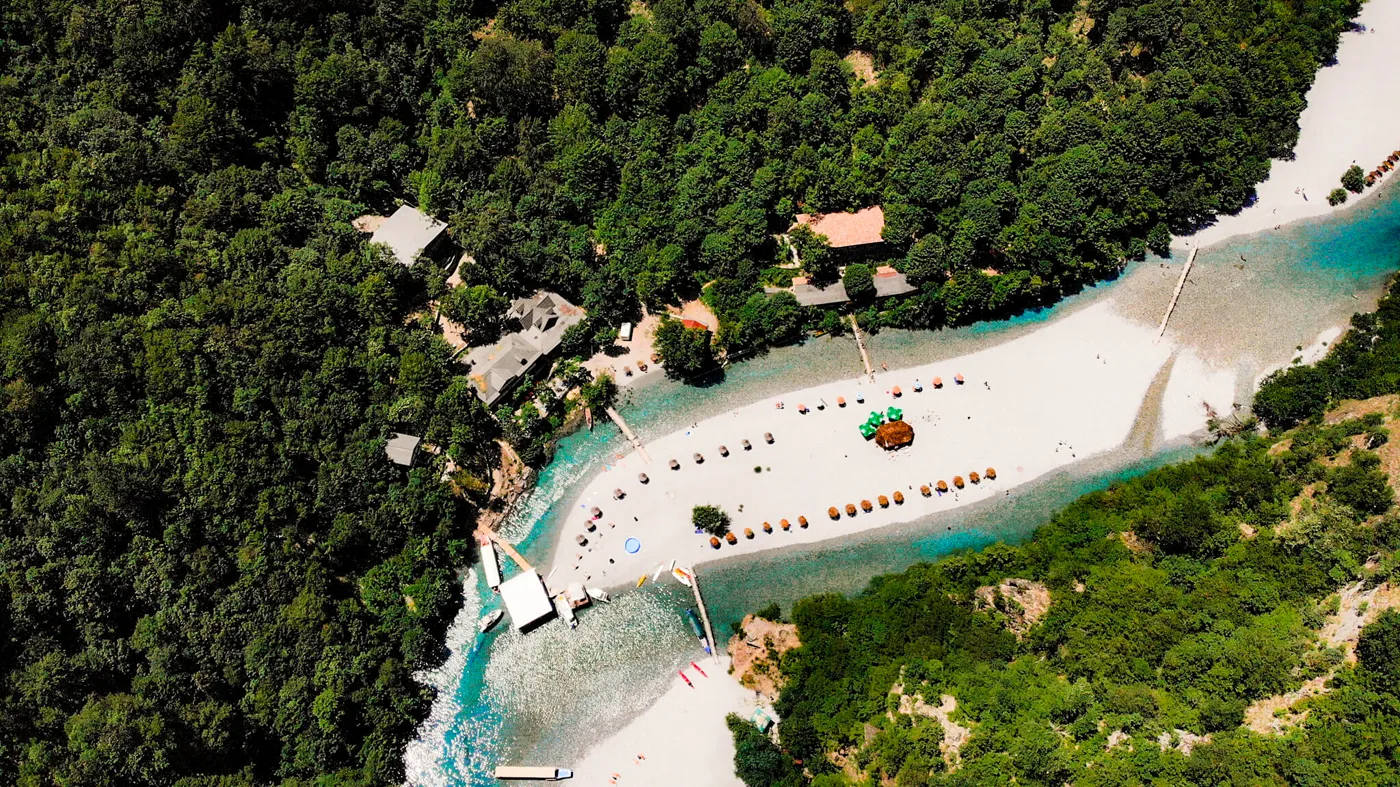
Known as the 'Thailand of Albania' for its emerald-green waters and dramatic canyon walls, the Shala River is one of Albania's most spectacular natural wonders. Accessible by boat from the Koman Ferry, the journey passes through deep gorges with sheer rock faces rising hundreds of metres. The river is swimmable in summer — crystal clear and breathtakingly beautiful.
Shëngjin Beach
Just 10 minutes from Lezhë, the sandy Adriatic beach of Shëngjin has become one of Albania's most popular coastal destinations. A long stretch of golden sand backed by pine trees, with restaurants, beach bars, and a charming fishing port. The sunsets over the Adriatic here are legendary.
Kune-Vain Lagoon
A protected wetland and nature reserve at the mouth of the Drin River, just north of Shëngjin. The lagoon is home to pelicans, flamingos, herons, and over 200 bird species. Pine-covered islands, sand dunes, and reed beds create a landscape that feels worlds away from the nearby beach resorts. A birdwatcher's paradise.
River & Coast
Lezhë sits at the meeting point of mountains and sea — where the Shala River's emerald canyons give way to the sandy Adriatic beaches of Shëngjin and the rich wetlands of the Kune-Vain lagoon. Adventure, relaxation, and nature all within minutes of each other.
Shala River Canyon Boat Trips
The journey to the Shala River begins with the Koman Ferry — itself one of Europe's most scenic boat rides, winding through deep fjord-like gorges. From Koman, smaller boats take you up the emerald Shala River, where you can swim in pools surrounded by canyon walls hundreds of metres high. An unforgettable day trip.
Shëngjin Sandy Beaches
Long stretches of golden sand, warm Adriatic waters, and a growing scene of beach bars and seafood restaurants. Shëngjin is less developed than Durrës or Sarandë, giving it a relaxed, local feel. The fishing port adds charm, and the pine forests behind the beach provide welcome shade on hot summer days.
Kune-Vain Birdwatching
The lagoon and its pine-island nature reserve are among Albania's most important wetlands for migratory birds. Dalmatian pelicans, flamingos, and cormorants are regularly spotted. Guided birdwatching excursions can be arranged from Lezhë or Shëngjin, with boats taking visitors through the reed beds and channels.
Castle Hiking
The hills above Lezhë offer excellent short hikes with big rewards. Walk up to the castle ruins for town views, or tackle the longer trail to Akrolissus for a panoramic sweep of the entire coast. The paths wind through olive groves and Mediterranean scrub, with wildflowers in spring.
Fishing Villages
The coast around Lezhë and Shëngjin is dotted with small fishing villages where traditional boats line the shore and the day's catch ends up on your plate within hours. Tale, Shënkoll, and the Shëngjin port itself offer an authentic glimpse of Adriatic fishing culture — and some of the freshest seafood in Albania.
Food & Cuisine
Fresh Adriatic fish from Shëngjin's boats, lagoon eel, mountain lamb, and honey from the hills — Lezhë's cuisine bridges the coast and the mountains.

Fresh Adriatic Fish
The fishing boats of Shëngjin bring in fresh catches daily — sea bream, sea bass, red mullet, and sardines grilled over charcoal and served with olive oil, lemon, and a simple salad. The waterfront restaurants along the port serve the catch of the day at prices that would be unthinkable further up the Adriatic coast.

Eel from the Lagoon
The Kune-Vain lagoon is famous for its eels — a delicacy in northern Albanian cuisine. Grilled, smoked, or stewed with tomatoes and peppers, eel from Lezhë's lagoon has a rich, distinctive flavour. It's a dish you won't find on many tourist menus, but locals know exactly where to get it.

Byrek
Flaky filo pastry filled with spinach, cheese, meat, or pumpkin — the breakfast and snack of choice across Albania. Lezhë's bakeries serve fresh byrek from early morning, straight from the oven. Pair it with a cold dhallë (drinking yoghurt) for an authentic Albanian start to the day.

Lamb Dishes
The mountains behind Lezhë are prime sheep-grazing country, and lamb features prominently on local menus. Slow-roasted leg of lamb, lamb with yoghurt (tavë kosi), or simple grilled lamb chops with mountain herbs — the meat is tender and full of flavour from the wild pastures.
Raki
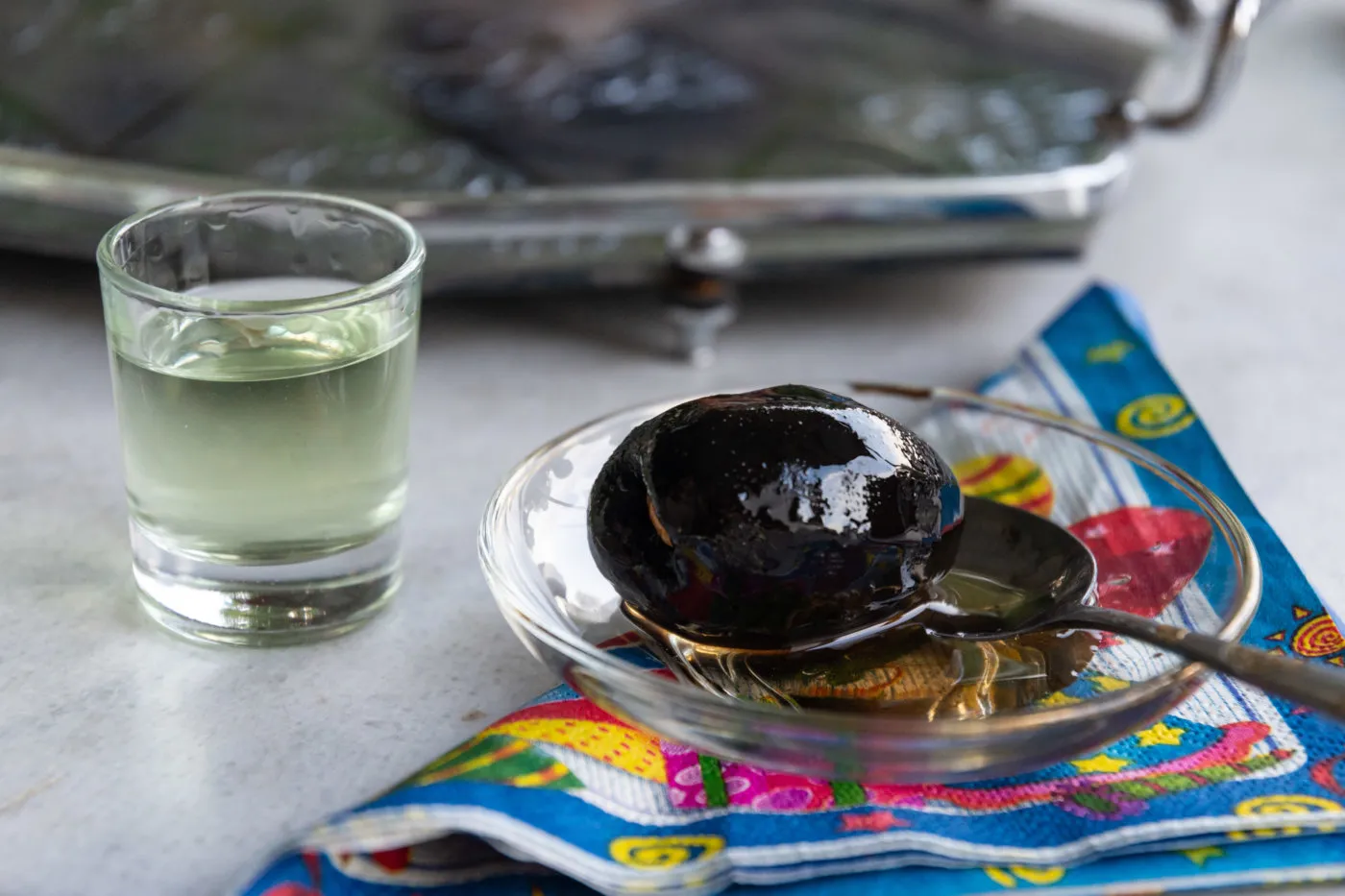
The clear grape spirit that closes every Albanian meal and opens every friendship. In the villages around Lezhë, families distil their own raki from backyard vineyards — each household proudly serving their own vintage. It arrives unbidden at the end of lunch, and refusing is not an option.
Best Time to Visit Lezhë
Lezhë enjoys a mild Mediterranean climate. Summer is perfect for beaches and canyon trips, while spring and autumn are ideal for hiking and history.
Summer
June – August28–36°CHot beach weather. Perfect for combining Shëngjin's beaches with the Shala River canyon. The castle hike is best done early morning. Long, warm evenings by the waterfront.
Spring
April – May15–24°CIdeal for hiking and sightseeing. Wildflowers blanket the castle hills, the lagoon is alive with migratory birds, and the Shala River is at its most dramatic with snowmelt water.
Autumn
September – October17–27°CWarm days, quieter beaches, and golden light on the castle ruins. September is still swimming weather at Shëngjin. October brings olive harvest and the first raki of the season.
Winter
November – March5–14°CMild coastal winters. The castle and memorial are visitble year-round. Birdwatching in the lagoon is at its best. Some beach restaurants close, but the town itself stays lively.
How to Reach Lezhë
Lezhë is just 1.5 hours north of Durrës and 1 hour from Tirana via the modern SH1 highway. The drive is fast and easy, making it a comfortable day trip or a convenient stop on the way to Shkodër and the Albanian Alps.
Shëngjin Beach is just 10 minutes west of Lezhë town — combine the Skanderbeg Memorial and castle with an afternoon on the sand. The Shala River canyon requires a longer day trip via the Koman Ferry, but it's absolutely worth it.
We offer guided day trips to Lezhë from Durrës, combining the historical sites with Shëngjin Beach or the Shala River canyon — with comfortable transport, local guides, and all the fresh fish you can eat.
Tours in Lezhë
Visit Skanderbeg's memorial, hike to ancient fortress ruins, cruise the Shala River canyon, or relax on Shëngjin's sandy beaches — all with local guides who know every story.
Tours coming soon
We're preparing exciting new tours in Lezhë. Check back soon or contact us to arrange a private experience.
Contact UsReady to Explore Lezhë?
Whether you want to walk in Skanderbeg's footsteps, cruise the Shala River canyon, or spend a day on Shëngjin's golden sand — we'll make it happen.