Fier
Gateway to Apollonia — ancient Greek ruins and Europe's largest pelican colony
Where Augustus Learned of Caesar's Fall
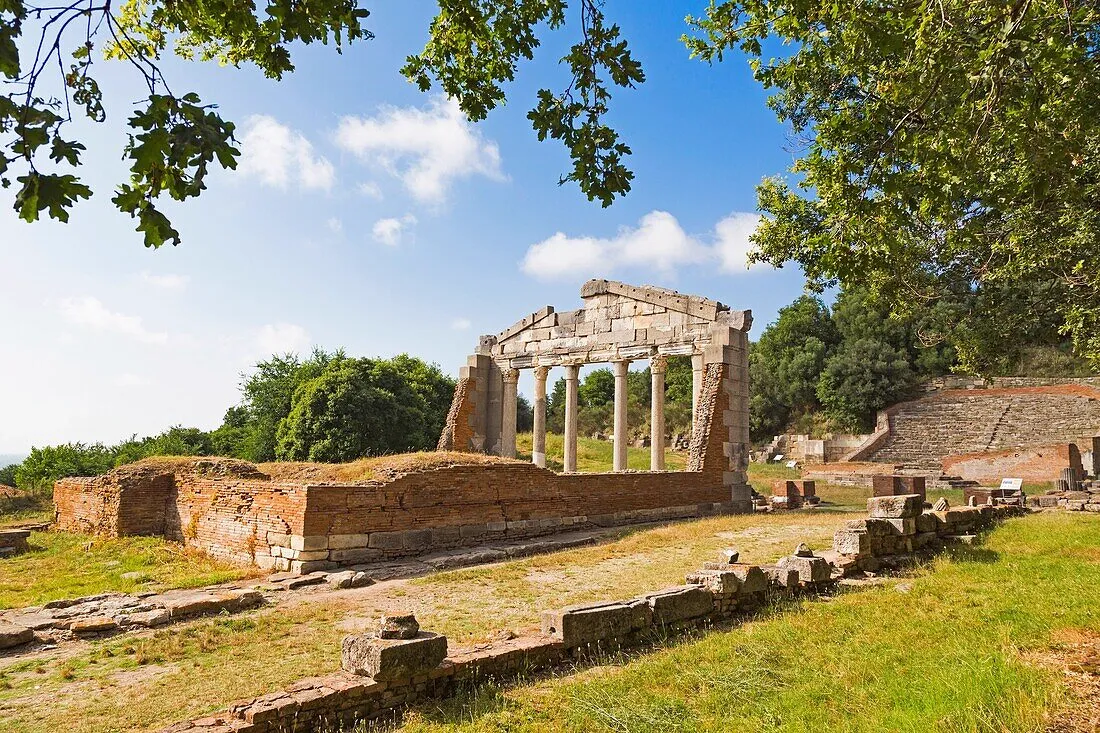
Fier is the gateway to Apollonia — one of the most important cities of the ancient Greek and Roman world. Founded in 588 BC by Corinthian colonists, Apollonia was a centre of learning, trade, and philosophy that attracted students from across the Mediterranean. It was here, in 44 BC, that the young Octavian was studying when he received the news that would change the world: Julius Caesar had been assassinated.
But Fier offers far more than ancient ruins. The Ardenica Monastery — where Skanderbeg married Donika in 1451 — contains some of Albania's finest frescoes. And just to the west, the Divjakë-Karavasta National Park protects Albania's largest lagoon and Europe's largest colony of Dalmatian pelicans — a natural wonder that draws birdwatchers from across the continent.
Ancient history, medieval art, and wild nature — all within 1.5 hours of Durrës and often combined with a visit to nearby Berat.
From Greek Glory to Living Heritage
From one of the ancient world's greatest cities to a medieval monastery and a modern national park — Fier's story spans millennia of Mediterranean civilisation.
588 BCFounding of Apollonia
In 588 BC, Greek colonists from Corinth and Corcyra (Corfu) founded Apollonia on a hill overlooking the Adriatic coastal plain. Named after the god Apollo, it quickly grew into one of the most important cities in the ancient world. Its location on fertile land near the coast, combined with a natural harbour, made it a major centre of trade, agriculture, and learning. Aristotle called it 'an important city' — and it would only grow more powerful.
1st c. BCRoman Intellectual Centre
Under Rome, Apollonia sat on the Via Egnatia — the great military road linking Rome to Constantinople — and became one of the empire's foremost intellectual centres. A famous school of philosophy and rhetoric attracted students from across the Roman world. Most famously, the young Octavian (the future Emperor Augustus) was studying in Apollonia when he received news that Julius Caesar had been assassinated in 44 BC — a moment that changed world history.
 5th–6th c.
Byzantine Monastery
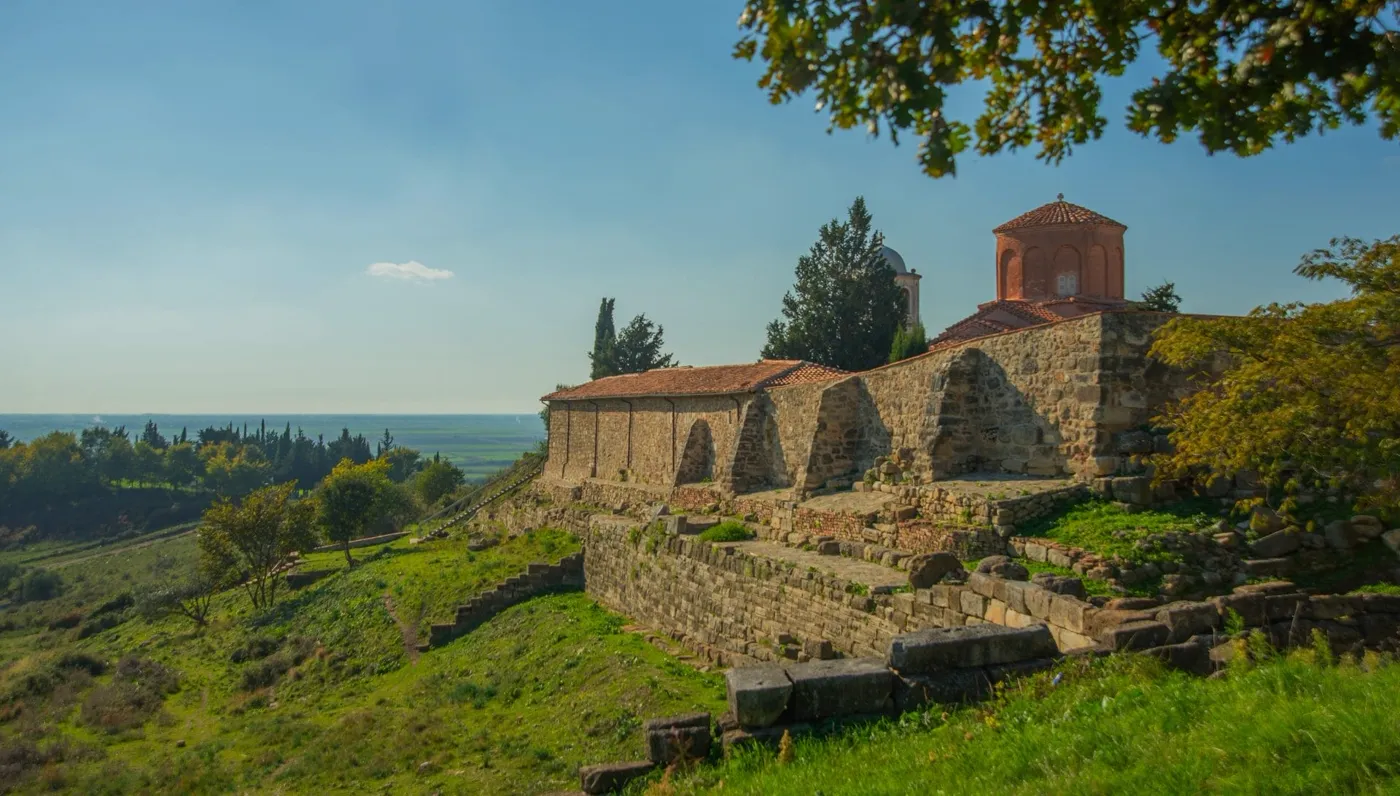
As Apollonia's civic importance waned, Christianity took root. The Monastery of St Mary was built within the ancient ruins — its church rising amid fallen Greek columns and Roman arches. Byzantine builders incorporated ancient stone and marble into their construction, creating a remarkable architectural palimpsest. The monastery would endure for centuries, outlasting the city it was built upon.
 13th–15th c.
Medieval Decline
Earthquakes and shifts in the course of the Vjosa River gradually undermined Apollonia's prosperity. The harbour silted up, cutting the city off from the sea trade that had sustained it. The population dwindled, and the great temples and public buildings fell into ruin. By the late medieval period, only the monastery remained inhabited — a quiet religious outpost surrounded by the crumbling grandeur of a once-great city.
1282Ardenica & Skanderbeg's Wedding
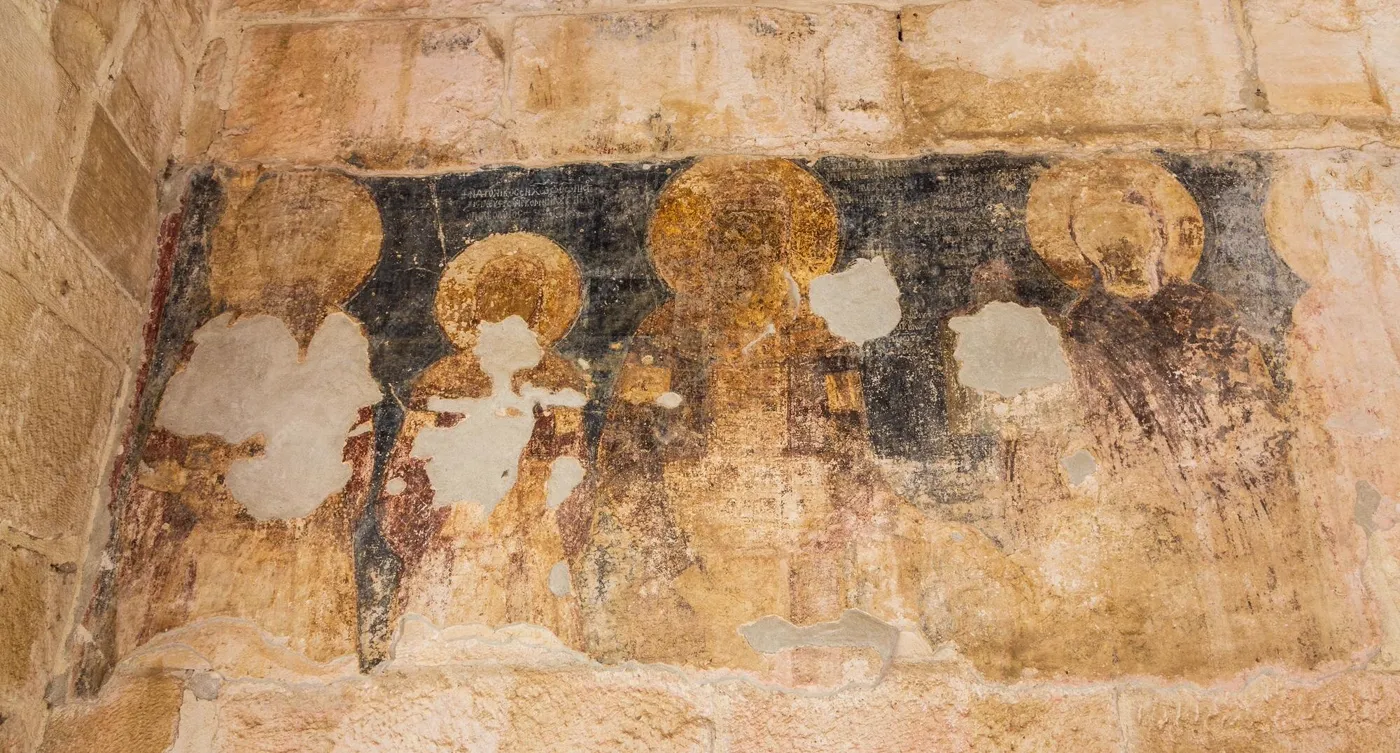
The Ardenica Monastery, founded in 1282 on a hilltop between Fier and Lushnjë, became one of Albania's most important religious sites. In 1451, the national hero Skanderbeg married Donika Kastrioti here — a union that cemented political alliances against the Ottoman Empire. The monastery's church contains remarkable frescoes by the Zografi brothers, painted in the 18th century, that are among the finest in Albania.
Present DayApollonia, Pelicans & Lagoons
Today, the Apollonia Archaeological Park is one of Albania's most important cultural sites and sits on the UNESCO Tentative List. The Monastery of St Mary houses an excellent museum of Greek and Roman artifacts. Nearby, the Divjakë-Karavasta National Park protects Albania's largest lagoon and Europe's largest colony of Dalmatian pelicans — a remarkable juxtaposition of ancient culture and wild nature, just 1.5 hours from Durrës.
Landmarks & Attractions
From one of the ancient world's greatest cities and a medieval monastery to Europe's largest pelican colony — Fier packs culture and nature into one remarkable region.
Apollonia Archaeological Park
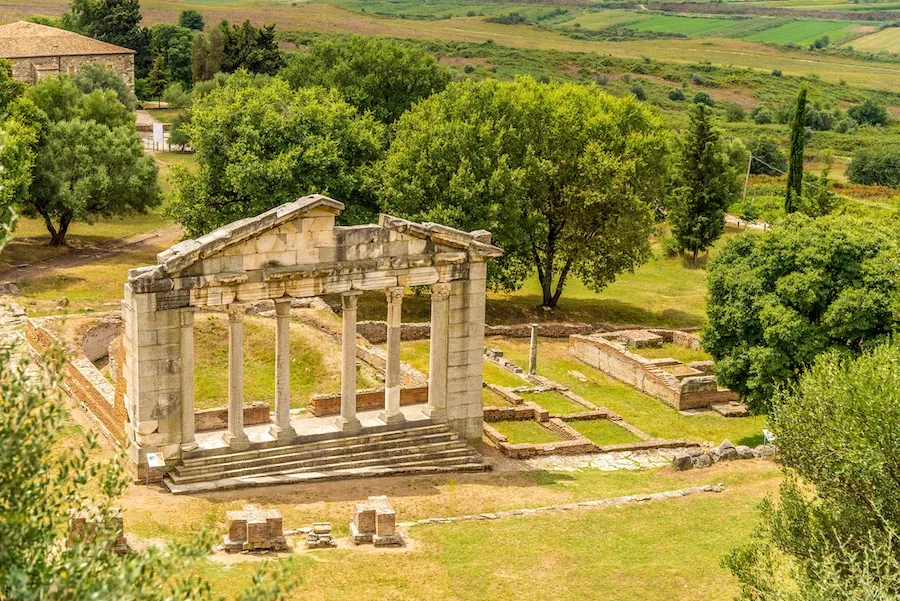
One of the ancient world's most important cities, now an atmospheric archaeological park. Explore the ruins of a grand temple, an odeon (small theatre), a Roman stoa (colonnaded walkway), ancient houses, and monumental gateways. The site is beautifully set on a hilltop with views across the Myzeqe plain — olive groves and wildflowers grow between the ancient stones.
Monastery of St Mary
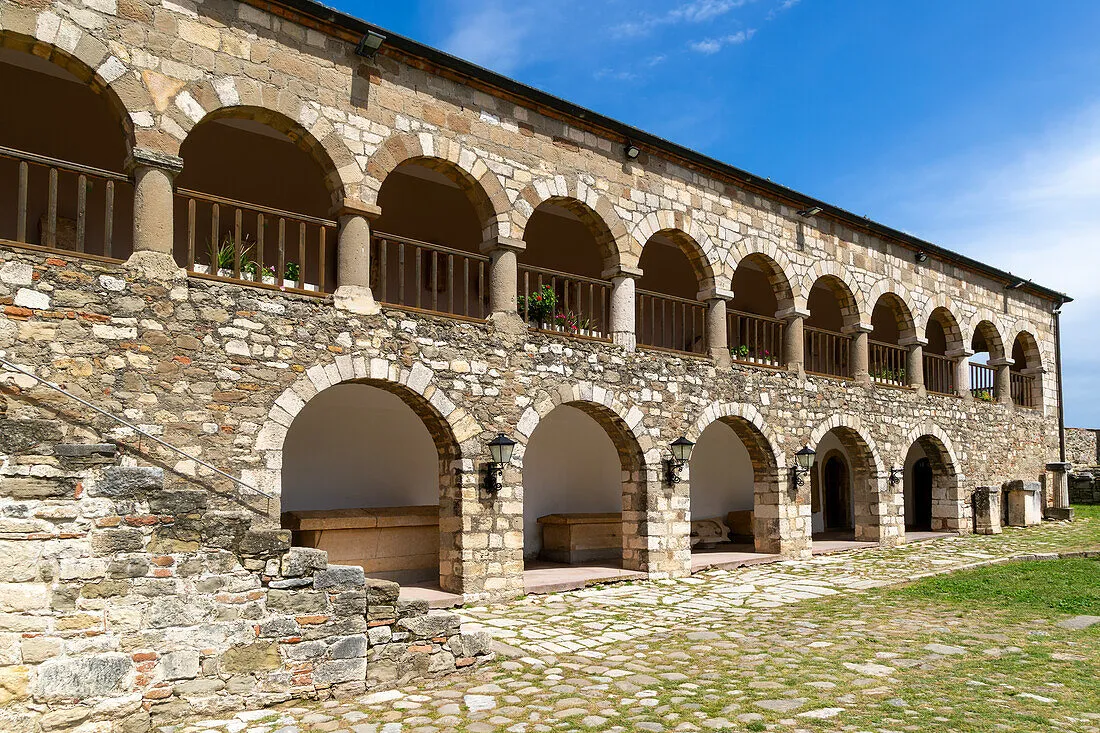
A 13th-century Byzantine monastery built within the ruins of Apollonia. Its church, with a distinctive bell tower, rises amid ancient Greek columns. The monastery houses the Apollonia Archaeological Museum and is still an active religious site — monks' cells and a refectory surround a peaceful courtyard garden. One of Albania's most atmospheric and unusual places.
Apollonia Museum
Housed within the Monastery of St Mary, this museum displays an excellent collection of Greek and Roman artifacts excavated from Apollonia — pottery, sculpture, coins, bronze figurines, and funerary objects. The setting is unforgettable: Byzantine monastery rooms filled with objects that span a thousand years of ancient civilisation.
Ardenica Monastery
Founded in 1282 on a hilltop between Fier and Lushnjë, Ardenica is famous as the site of Skanderbeg's wedding to Donika in 1451. The monastery church contains extraordinary 18th-century frescoes by the Zografi brothers — vivid scenes of saints, biblical stories, and decorative motifs that cover every surface. The courtyard offers panoramic views over olive groves and the Myzeqe plain.
Divjakë-Karavasta National Park
Albania's largest lagoon — a vast, shallow body of water separated from the Adriatic by a strip of pine-covered dunes. Over 300 bird species have been recorded here, including flamingos, herons, and pelicans. The park protects wetlands, pine forests, and sandy beaches. Walking trails and observation platforms allow visitors to explore this remarkable coastal ecosystem.
Dalmatian Pelican Colony
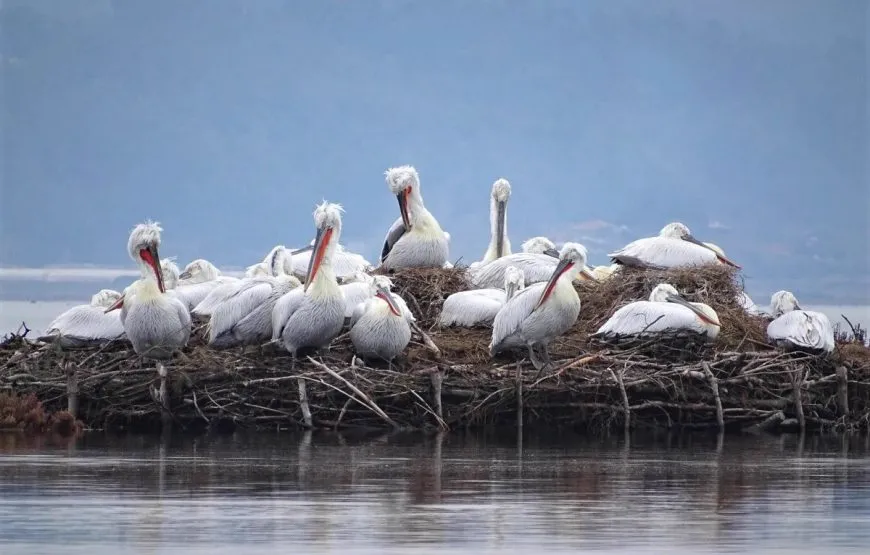
Karavasta Lagoon is home to Europe's largest colony of Dalmatian pelicans — over 60 breeding pairs of these magnificent birds, with wingspans reaching 3.5 metres. The colony is one of Albania's greatest natural treasures and a major draw for birdwatchers from across Europe. Boat trips on the lagoon offer close-up views without disturbing the birds.
Byzantine Church Frescoes
The churches and monasteries around Fier contain some of Albania's finest medieval and post-Byzantine frescoes. The Ardenica Monastery frescoes are the most famous, but smaller churches in the surrounding villages also harbour remarkable painted interiors — vivid colours, expressive faces, and rich iconographic programs that have survived centuries of neglect and political upheaval.
Nature & Wildlife
Fier's natural treasures are as impressive as its ancient ones. The Karavasta Lagoon — Albania's largest — hosts Europe's biggest Dalmatian pelican colony, while the olive groves surrounding Apollonia have barely changed since antiquity.
Pelican Watching at Karavasta
The Dalmatian pelicans of Karavasta are best observed from boats that glide quietly through the lagoon's channels. These enormous birds — the largest of all pelican species — nest on small islands in the lagoon. Spring and early summer are the best times, when breeding pairs tend their chicks. Professional guides ensure observation without disturbance.
Lagoon Kayaking
Paddle through the calm waters of Karavasta Lagoon, weaving between reed beds and sandy islets. Kayaking offers an intimate perspective on the lagoon's ecosystem — herons lifting from the shallows, fish jumping, and the distant profile of pelicans on the water. Available through local tour operators from spring to autumn.
Archaeological Park Walking Trails
The Apollonia park is criss-crossed with shaded trails that connect the major ruins — the temple, the odeon, the stoa, the Roman houses, and the monastery. Olive trees, wildflowers, and birdsong accompany the walk. Allow at least two hours to explore properly, and bring water in summer.
Monastery Visits
Both the Monastery of St Mary at Apollonia and the Ardenica Monastery welcome visitors. The combination of ancient architecture, religious art, peaceful gardens, and panoramic hilltop settings makes these visits deeply rewarding. Ardenica's courtyard café serves coffee with views over endless olive groves.
Olive Groves
The Fier region is one of Albania's most important olive-producing areas. The groves surrounding Apollonia and Ardenica are centuries old, their gnarled trunks and silvery leaves creating a landscape that has barely changed since antiquity. Autumn harvest season is particularly atmospheric — families gathering olives as they have for generations.
Food & Cuisine
Rich olive oil from ancient groves, fresh fish from the lagoon, and hearty Albanian comfort food — Fier's cuisine reflects the fertility of the Myzeqe plain.
Olive Oil from Fier's Groves
The Myzeqe plain around Fier produces some of Albania's finest olive oil — cold-pressed, peppery, and intensely green. The groves are ancient, and many families still press their own. It appears in every dish and on every table. Buy directly from producers at roadside stands for the freshest, most authentic oil.
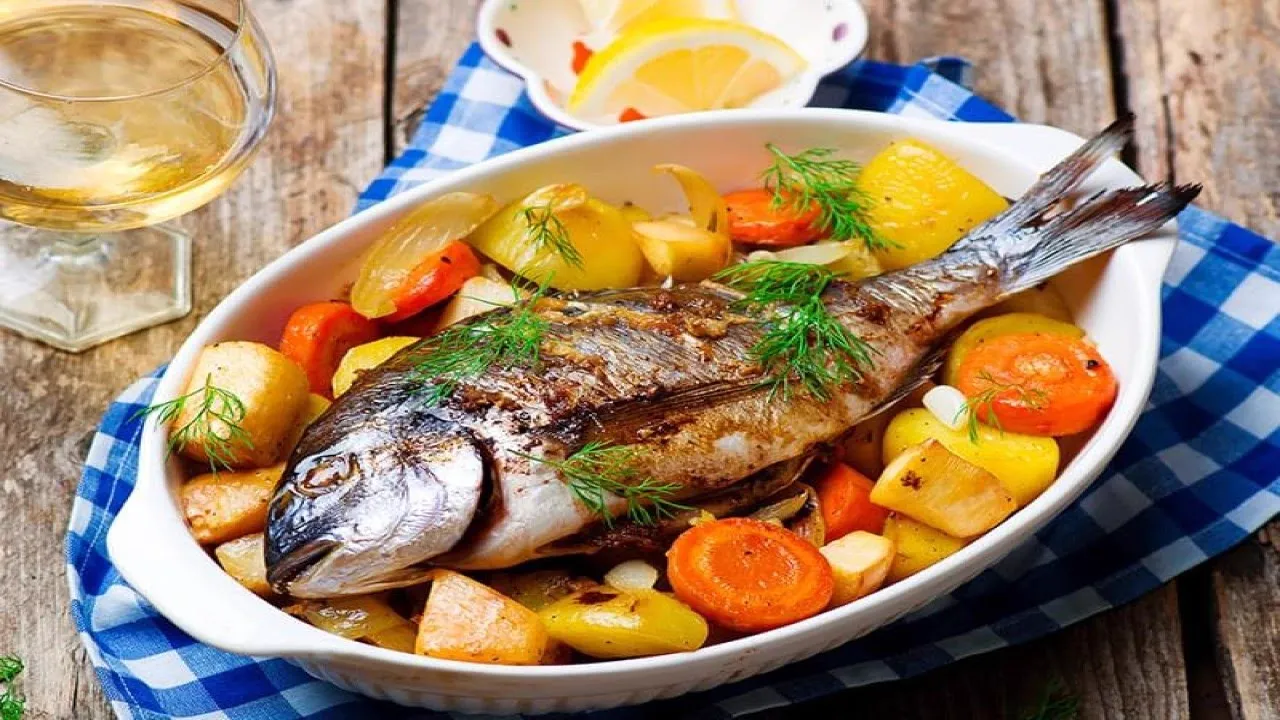
Fresh Lagoon Fish
Karavasta Lagoon and the nearby Adriatic coast provide a steady supply of fresh fish — grey mullet, sea bass, and eel are the specialities. Grilled whole over charcoal or baked in clay pots with tomatoes and peppers, the fish is simple, fresh, and delicious. Restaurants in Divjakë serve the day's catch.
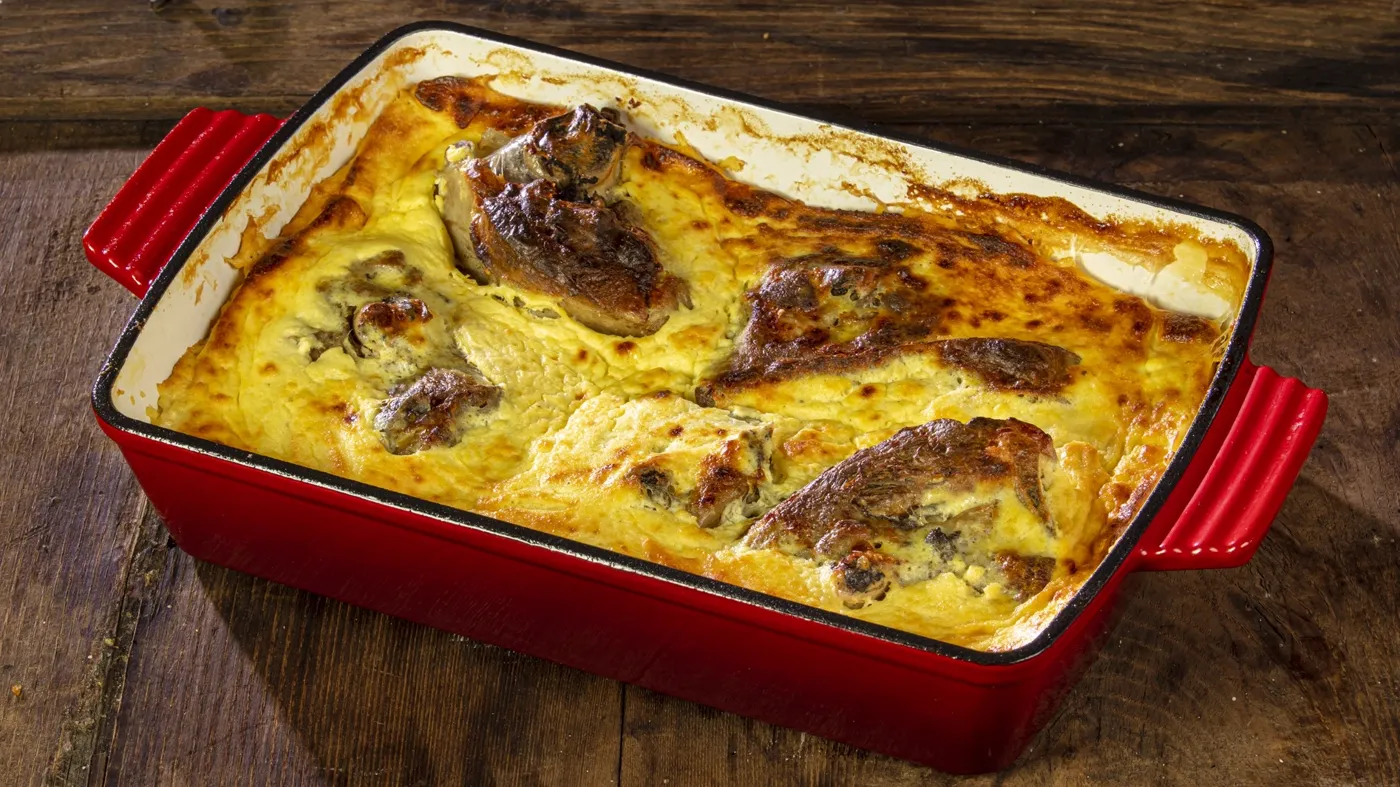
Tavë Kosi
Albania's beloved national dish — tender lamb baked in a rich yoghurt and egg custard, seasoned with garlic and oregano. The Fier version uses local lamb from the Myzeqe pastures, known for its tenderness and flavour. Served bubbling in a clay dish with crusty bread — comfort food at its finest.

Byrek with Wild Greens
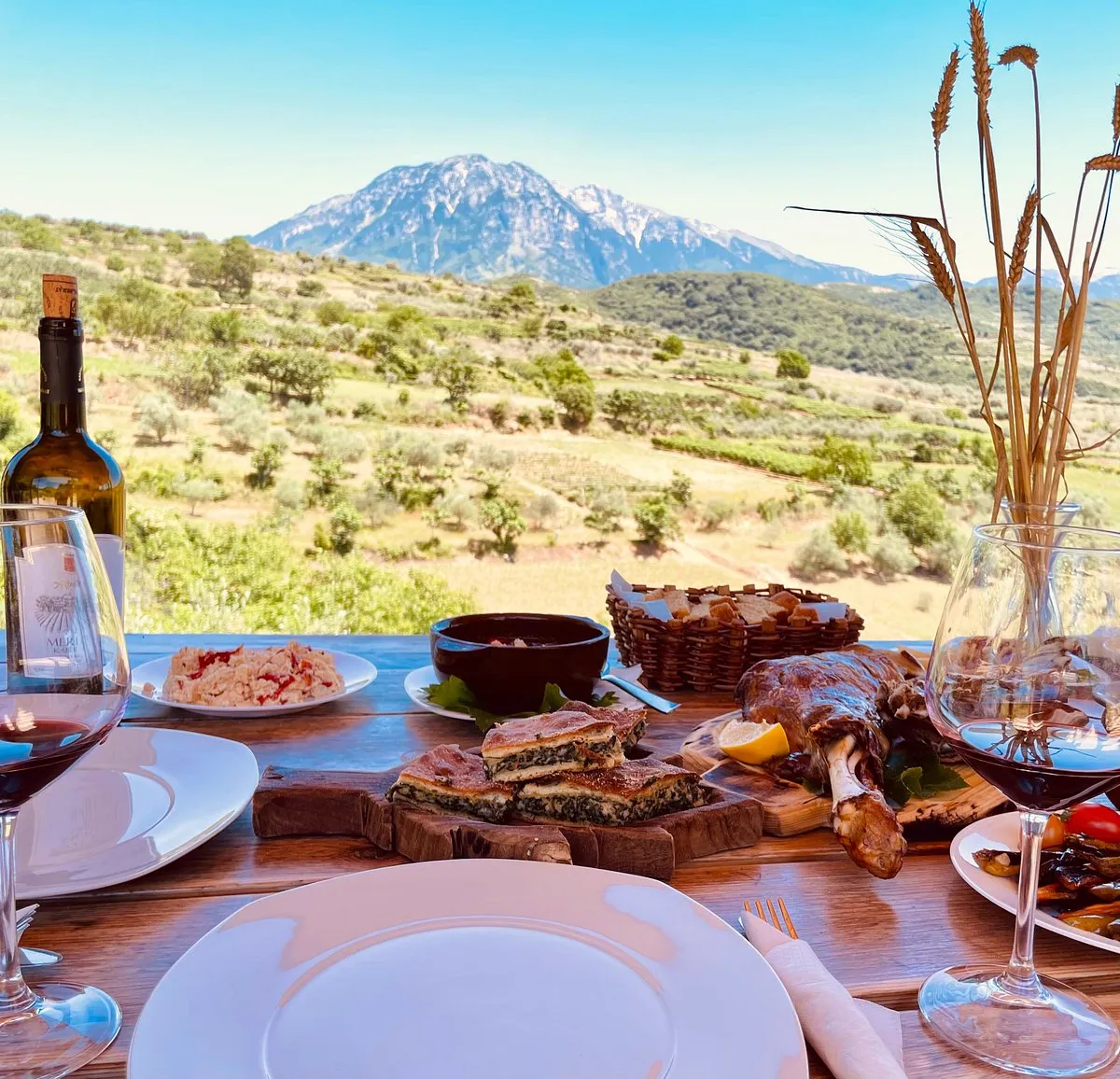
The countryside around Fier is rich with wild greens — spinach, nettles, sorrel, and wild garlic — that find their way into flaky filo byrek. These savoury pies are baked fresh every morning in village bakeries and sold from roadside stalls. The wild green versions are seasonal and deeply flavourful.
Local Dairy & Cheese
The Myzeqe plain is dairy country — sheep, goats, and cows graze the rich pastures. Local white cheese (djathë i bardhë), aged mountain cheese, and thick yoghurt are staples of every meal. Paired with tomatoes, olive oil, and warm bread, a simple cheese plate becomes a feast.
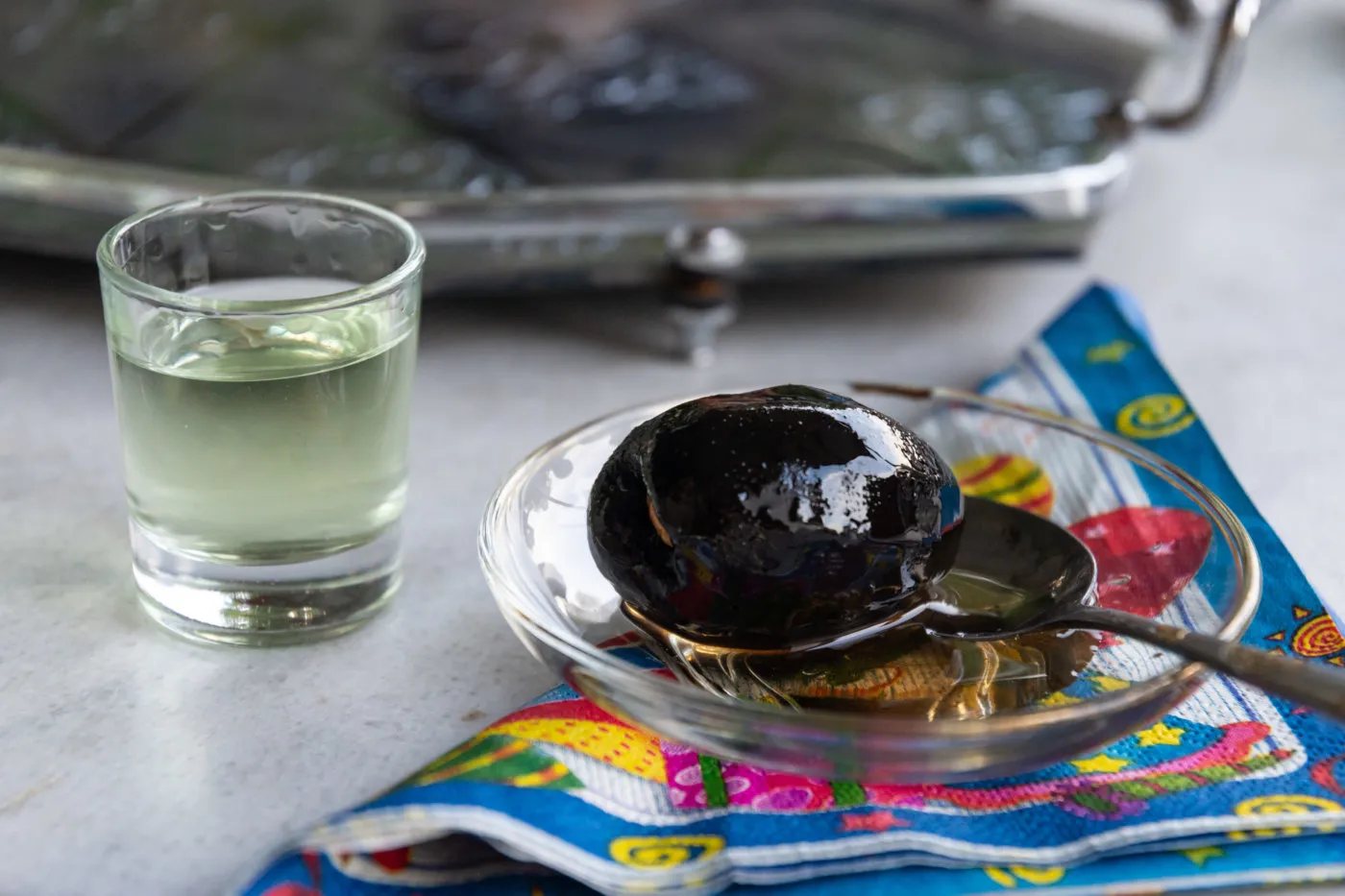
Raki
No visit to Fier is complete without raki — the clear grape spirit distilled in every village and served at the end of every meal. The Myzeqe region produces excellent grapes, and the local raki reflects it. Sip slowly, enjoy the conversation, and prepare for the second glass that will inevitably follow.
Best Time to Visit Fier
The Myzeqe plain enjoys a Mediterranean climate with hot summers and mild winters. Spring is the sweet spot — wildflowers at Apollonia, nesting pelicans at Karavasta, and perfect walking temperatures.
Summer
June – August28–38°CHot and dry. Visit Apollonia early morning to avoid the heat. The lagoon and beach at Divjakë offer relief. Pelicans are active and visible. Long, warm evenings in the olive groves.
Spring
April – May16–26°CThe best time to visit. Wildflowers blanket the Apollonia ruins, the lagoon is alive with nesting pelicans, and temperatures are perfect for walking. Green, lush, and uncrowded.
Autumn
September – October18–28°CGolden light on ancient stones. Olive harvest begins in October. Migratory birds fill the lagoon. Warm days with cooler evenings — ideal for combining ruins, nature, and food.
Winter
November – March5–15°CMild winters on the Myzeqe plain. Apollonia is atmospheric and empty. Wintering birds — including flamingos — gather on the lagoon. A quieter, more contemplative visit.
How to Reach Fier
Fier is approximately 1.5 hours south of Durrës and 2 hours from Tirana via the SH4 highway. The drive passes through the flat, fertile Myzeqe plain — one of Albania's main agricultural regions.
Apollonia Archaeological Park is about 15 minutes from Fier town centre. The Ardenica Monastery is a short detour on the highway between Fier and Lushnjë. The Divjakë-Karavasta lagoon is 30 minutes west of Fier towards the coast.
Fier is often combined with a visit to Berat — the UNESCO "City of a Thousand Windows" is just 1 hour further south. We offer guided day trips from Durrës that combine Apollonia with Berat, or Apollonia with the Karavasta pelicans — two very different but equally rewarding experiences.
Tours in Fier
Walk through the ruins where Augustus studied, admire Skanderbeg's wedding chapel frescoes, or watch Dalmatian pelicans glide across the lagoon — all with expert local guides.
Tours coming soon
We're preparing exciting new tours in Fier. Check back soon or contact us to arrange a private experience.
Contact UsReady to Explore Fier?
Whether you want to walk the ruins where Augustus once studied, watch pelicans glide across a pristine lagoon, or admire medieval frescoes in a hilltop monastery — we'll make it happen.