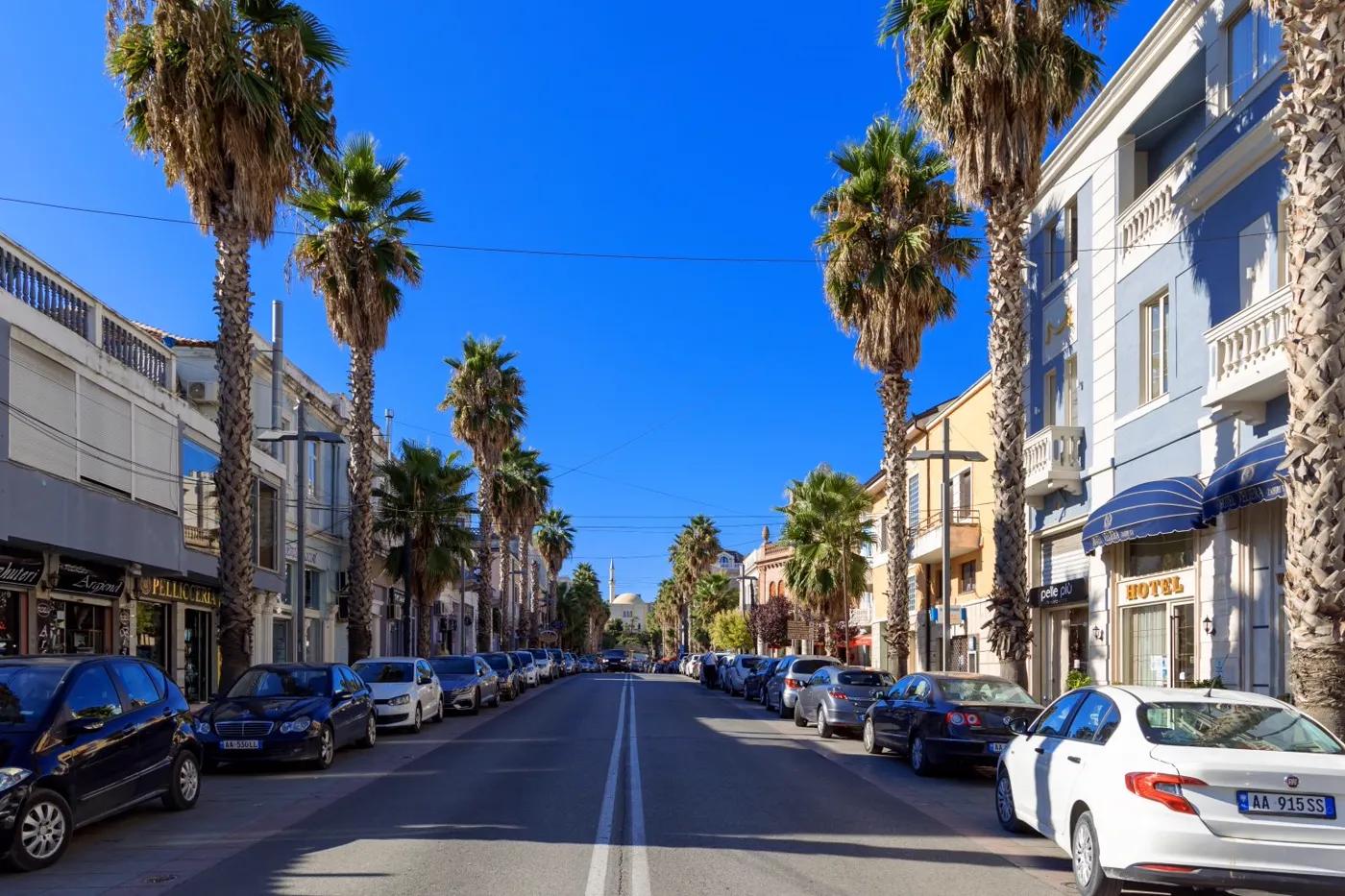
Elbasan
The Heart of Albania — a Roman fortress on the Via Egnatia at the geographic centre of the country
Where East Meets West on the Via Egnatia
Elbasan sits at the very heart of Albania — both geographically and historically. For over two thousand years, this fortress city on the banks of the Shkumbin River has been a crossroads of civilisations, a vital stop on the ancient Via Egnatia that connected Rome to Constantinople.
Within its massive Ottoman-era fortress walls, you'll find one of Albania's oldest mosques, a beautifully preserved hammam, an ethnographic museum, and a living old quarter where cobbled streets wind between Ottoman houses and Byzantine ruins. The city's famous Summer Day festival every March 14 is one of the most vibrant celebrations in the Balkans.
Just one hour from Durrës and sitting on the main highway between Tirana and Lake Ohrid, Elbasan is the perfect stop for travellers heading east — and a rewarding destination in its own right for anyone interested in Albania's layered history.
A City Shaped by Empires
From Illyrian hilltop settlement to Roman highway stop, from Ottoman fortress town to communist industrial centre — Elbasan's story mirrors Albania's own turbulent history.
AntiquityIllyrian Scampis
The area around modern Elbasan was first settled by the Illyrians, who established the fortified town of Scampis — a strategic point along ancient trade routes connecting the Adriatic coast to the interior of the Balkans. The Illyrians built defensive walls and cultivated the fertile plains of the Shkumbin River valley, laying the foundations for a settlement that would endure for millennia.
Roman EraVia Egnatia Crossroads
When Rome conquered Illyria, Scampis became a vital station along the Via Egnatia — the great Roman highway that connected the Adriatic port of Dyrrachium (Durrës) to Constantinople. Soldiers, merchants, and diplomats passed through for centuries, and the town grew as a supply point and garrison. Remnants of the Roman road can still be traced near the modern city.
MedievalByzantine & Medieval Fortress
During the Byzantine period, the town maintained its strategic importance as a fortified outpost protecting the Via Egnatia corridor. Medieval rulers strengthened the fortress walls and the town served as a bishopric. Control passed between Bulgarian, Serbian, and Byzantine hands as empires contested the crossroads of Albania.
1466Ottoman Elbasan
In 1466, Sultan Mehmed II rebuilt the fortress and renamed the town Elbasan — meaning 'the fortress' in Turkish. The Ottomans transformed it into a major administrative and commercial centre. The King Mosque (1492), the Turkish baths (hammam), and a thriving bazaar were built within the fortress walls. Elbasan became one of the most important towns in Ottoman Albania, a centre of craftsmanship, trade, and Islamic learning.
1945–1991Communist Industrial Centre
Under Enver Hoxha's communist regime, Elbasan was chosen as the site of Albania's largest industrial project — the Steel of the Party metallurgical complex, built with Chinese aid in the 1970s. The city's population exploded as workers flooded in from across the country. The massive factory dominated the economy and the landscape, making Elbasan one of the most polluted cities in Europe at the time.
PresentGateway City & Cultural Revival
Today Elbasan is reinventing itself as a gateway city between Tirana and the eastern highlands. The old fortress quarter has been partially restored, the famous Summer Day festival (Dita e Verës) on March 14 draws visitors from across Albania, and the city's position at the geographic centre of the country makes it a natural stopping point for travellers heading to Pogradec, Lake Ohrid, or the mountains of eastern Albania.
Landmarks & Attractions
From Roman fortress walls and Ottoman mosques to ancient hammams and remnants of the Via Egnatia — Elbasan's old quarter is a living museum of Albanian history.
Roman Fortress Walls
The massive fortress of Elbasan, rebuilt by Sultan Mehmed II in 1466 on Roman and Byzantine foundations, is among the best-preserved Ottoman fortifications in Albania. The walls stretch over 300 metres on each side, enclosing mosques, churches, hammams, and historic houses within a living old quarter.
King Mosque (1492)
One of the oldest mosques in Albania, the King Mosque (Xhamia e Mbretit) was built in 1492 inside the fortress walls. Its elegant minaret and simple stone interior have survived over five centuries of history, including the communist-era ban on religion.
Clock Tower
Elbasan's iconic Clock Tower rises above the fortress quarter, a landmark visible from across the city. Built during the Ottoman period, it has been restored and remains a symbol of the old town's enduring character.
Ethnographic Museum
Housed in a traditional Ottoman-era building within the fortress, the Ethnographic Museum showcases the daily life, craftsmanship, and traditions of Elbasan through the centuries — from traditional costumes and weaving to household objects and agricultural tools.
Turkish Baths (Hammam)
The Ottoman-era hammam of Elbasan is one of the few surviving Turkish baths in Albania. Though no longer in use as a bathhouse, the beautifully domed structure has been preserved as a cultural monument — a reminder of the city's centuries-long bathing tradition.
Via Egnatia Remnants
Fragments of the ancient Via Egnatia — the Roman highway that connected Durrës to Constantinople — can still be found near Elbasan. Walking these stone-paved stretches is a tangible connection to 2,000 years of history, when legions and merchants crossed this exact ground.
Traditions & Culture
Elbasan is one of Albania's most tradition-rich cities. From the UNESCO-listed Summer Day festival to its centuries-old bazaar crafts and bathing culture, the city preserves customs that have largely disappeared elsewhere in the country.
Summer Day Festival (Dita e Verës)
Celebrated every March 14, this pagan-rooted festival marks the end of winter. Elbasan is the heartland of the tradition — the city fills with bonfires, music, traditional costumes, and the famous ballokume cookies. It was inscribed on UNESCO's Intangible Cultural Heritage list.
Turkish Baths Tradition
For centuries, the hammam was the social heart of Elbasan — a place for bathing, gossip, business deals, and community gatherings. The tradition lives on in local memory and the preserved bathhouse stands as a monument to this communal way of life.
Bazaar Crafts
Elbasan's old bazaar, nestled within the fortress walls, was once famous for its coppersmiths, silversmiths, and leather workers. Today, artisans still practise traditional crafts, and the bazaar quarter retains its Ottoman-era character.
Local Sweets & Ballokume
Elbasan is synonymous with ballokume — a dense, buttery cornmeal cookie baked specially for the Summer Day festival. Local bakeries produce them by the thousand, and no visit to Elbasan is complete without tasting one fresh from the oven.
Via Egnatia Trail
Efforts are underway to mark and restore sections of the ancient Via Egnatia as a walking trail. The stretches near Elbasan offer a unique combination of Roman history, Albanian countryside, and mountain scenery.
Food & Cuisine
Famous for its buttery ballokume cookies and rich yoghurt casseroles, Elbasan's cuisine reflects centuries of Ottoman influence and the bounty of the Shkumbin River valley.
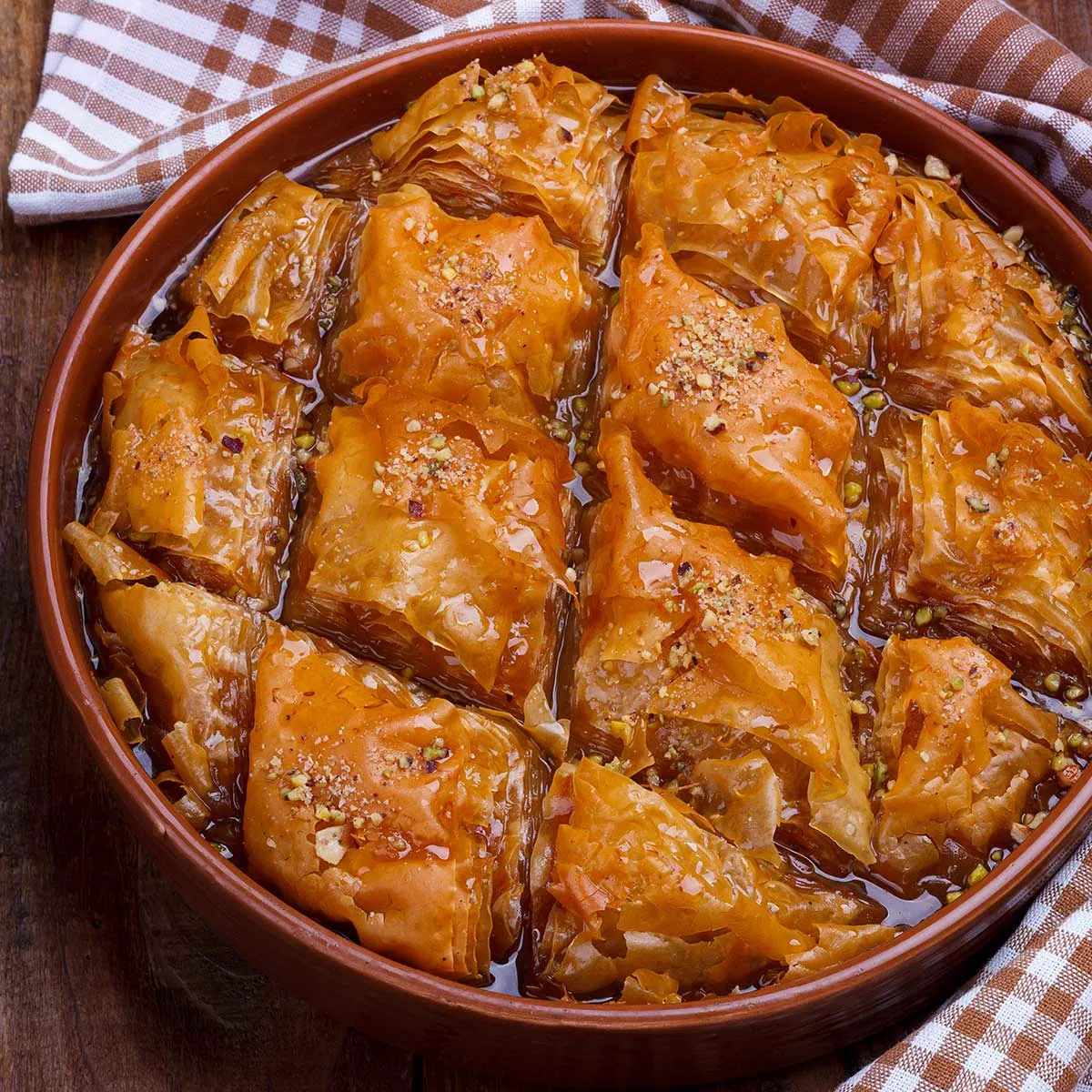
Ballokume
Elbasan's most famous export — a dense, crumbly cookie made from cornmeal, butter, sugar, and eggs. Traditionally baked for the Summer Day festival on March 14, ballokume has become a year-round delicacy. Rich, buttery, and utterly addictive.
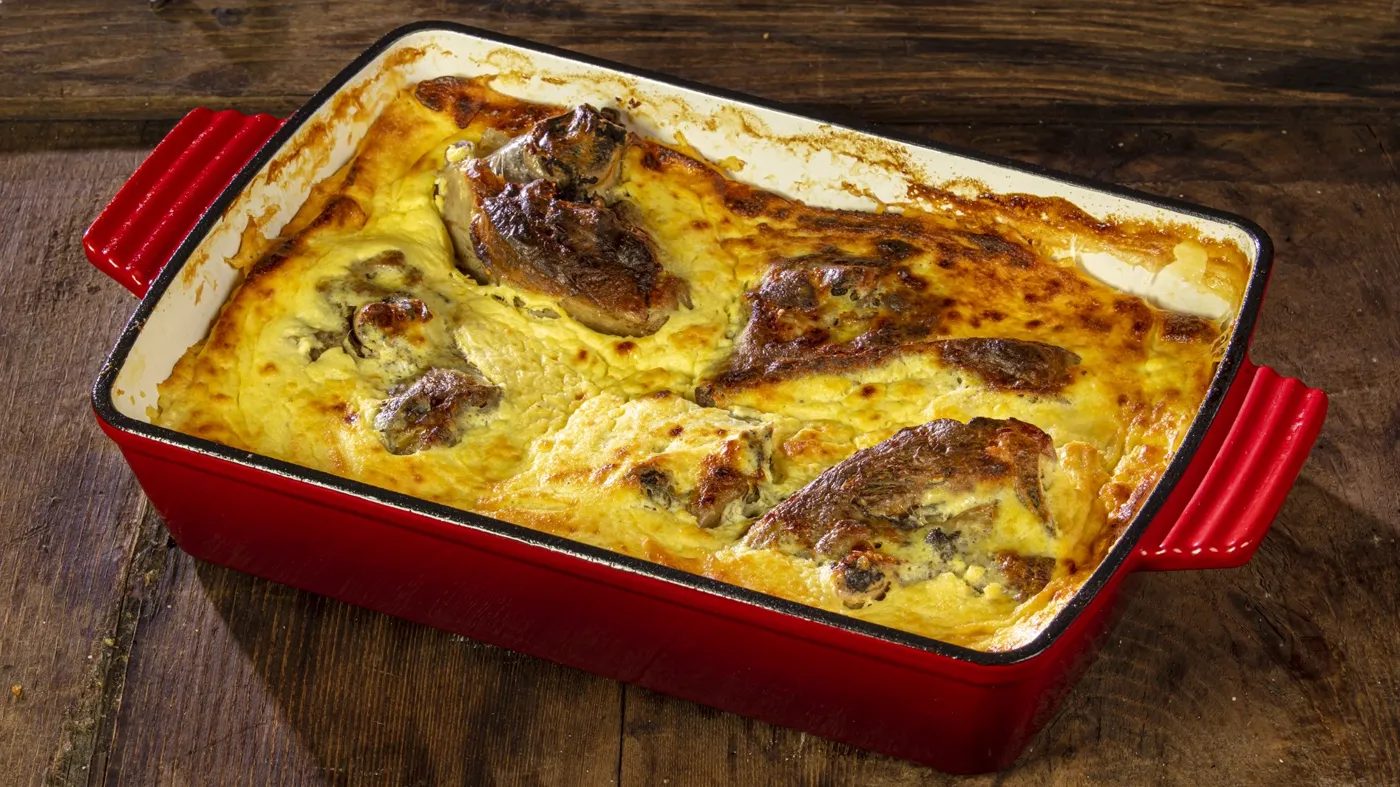
Tavë Elbasani
A rich lamb and yoghurt casserole that's Elbasan's answer to Tirana's tavë kosi. Tender pieces of lamb are baked in a creamy egg-and-yoghurt sauce until golden and bubbling — served in a clay dish with crusty bread.
Qumështor
A traditional Albanian milk pie — layers of thin pastry soaked in sweetened milk and baked until custardy and golden. Qumështor is a beloved dessert throughout central Albania, and Elbasan's version is considered the finest.
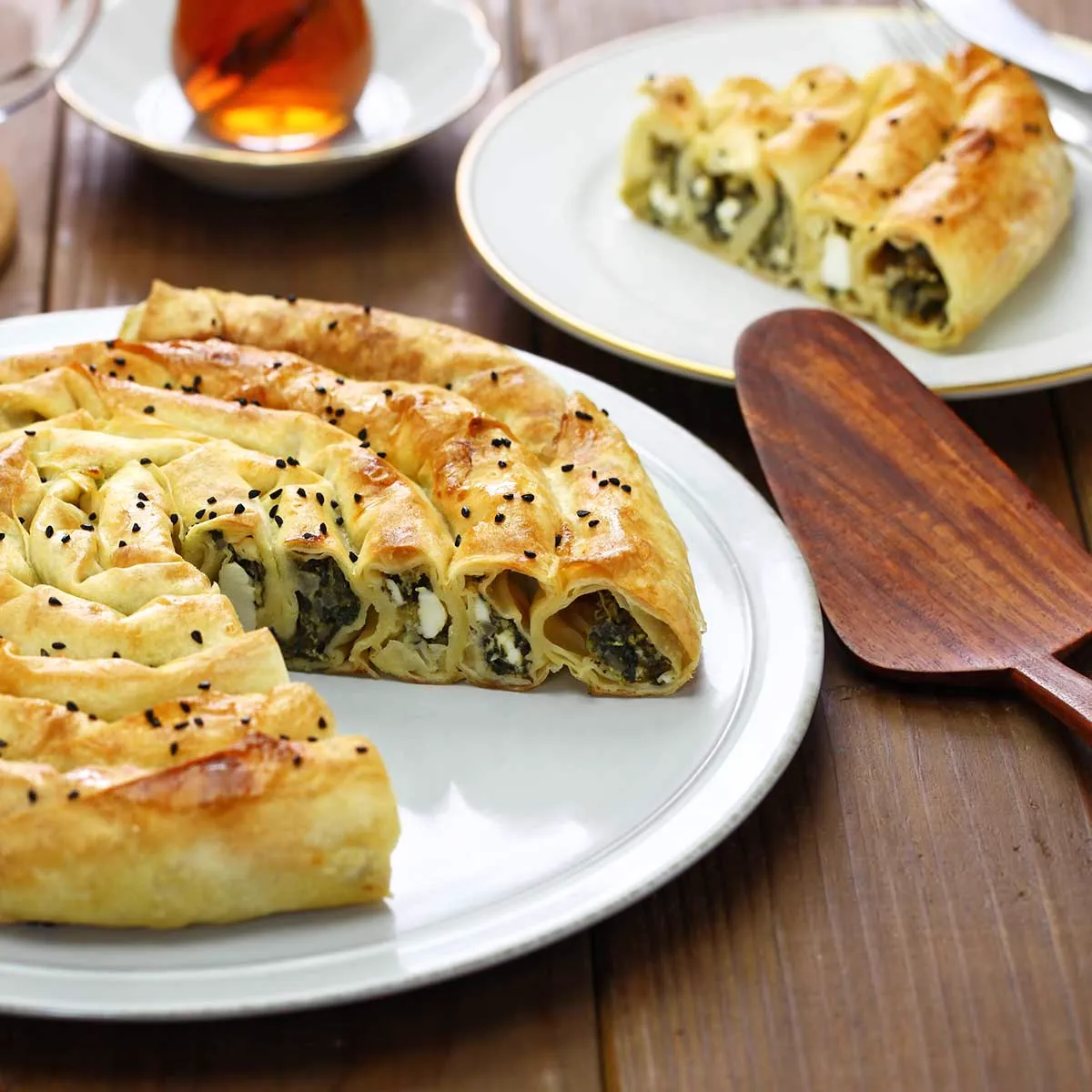
Byrek
Flaky hand-stretched filo pastry filled with spinach, cheese, meat, or pumpkin. Elbasan's byrektore (bakeries) serve them piping hot from wood-fired ovens — the perfect breakfast or snack, paired with drinking yoghurt (dhallë).
Local Wine
The hills surrounding Elbasan have a long tradition of winemaking. Local varieties grown in the Shkumbin valley produce honest, full-bodied reds and crisp whites — best enjoyed at a family-run restaurant in the old quarter.
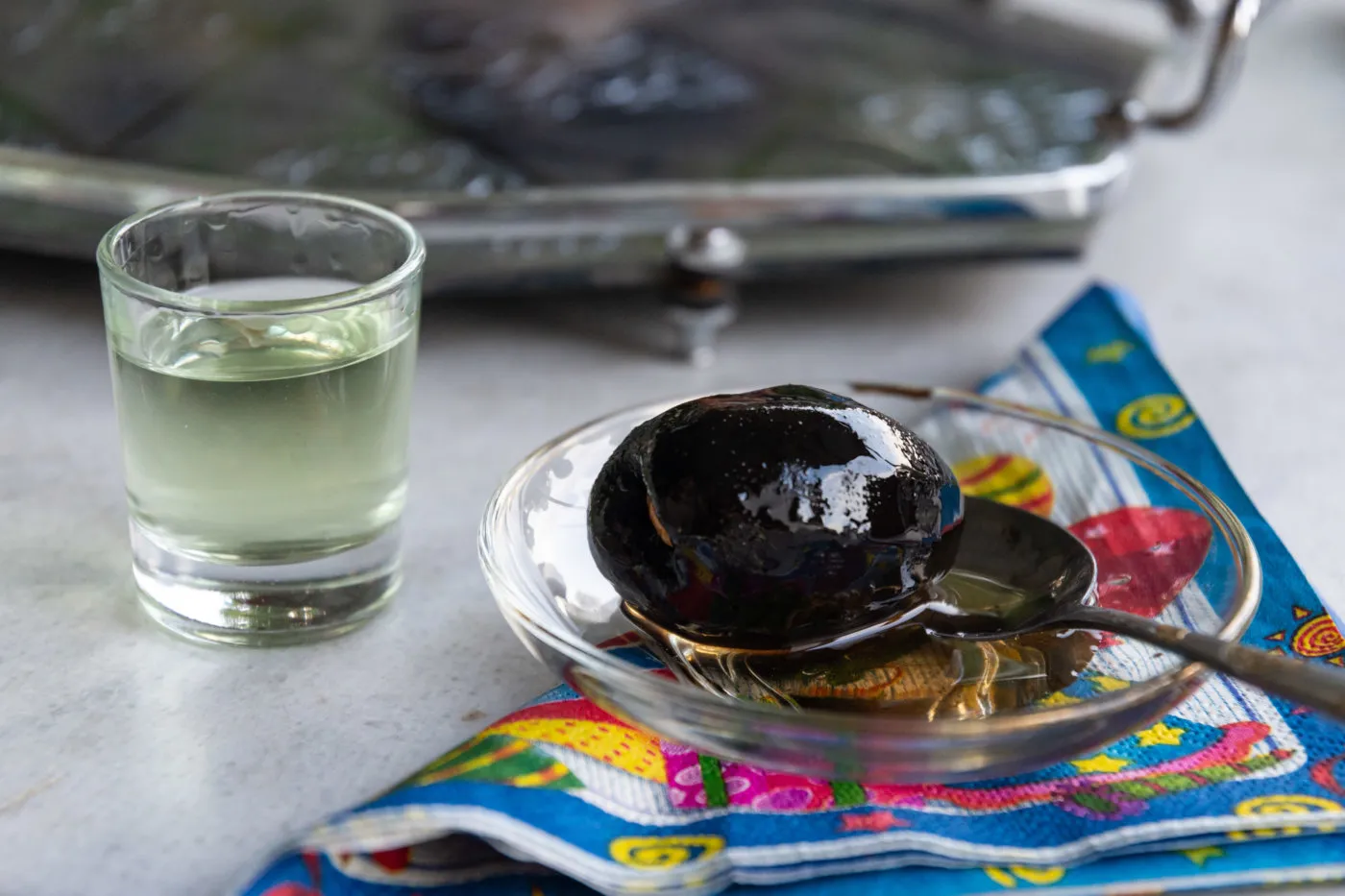
Raki
No meal in Elbasan ends without a glass of homemade raki — the potent grape spirit that's Albania's national drink. In this part of the country, raki is often infused with wild herbs or walnuts, giving it a distinctive local character.
Best Time to Visit Elbasan
Spring is the highlight — especially around March 14 for the Summer Day festival. Autumn offers warm days and harvest produce. Summer can be very hot on the plains.
Summer
June – August30–38°CHot and dry. The fortress quarter offers shade, but the plains can be scorching. Summer evenings are pleasant, with locals gathering in the park and cafés.
Spring
March – May14–24°CThe best time to visit. March 14 brings the famous Summer Day festival. Comfortable temperatures, blooming countryside, and the Shkumbin valley at its greenest.
Autumn
September – November12–26°CWarm days and golden light. The harvest season brings fresh produce to the bazaar, and the surrounding hills turn amber. Perfect for walking and exploring.
Winter
December – February2–10°CCool and quiet. The fortress quarter is atmospheric in winter light, and the city's cafés are cosy. Snow occasionally dusts the surrounding mountains.
How to Reach Elbasan
Elbasan is just 1 hour from Durrës via the modern Elbasan–Tirana highway. The drive passes through the dramatic Shkumbin gorge — one of Albania's most scenic road stretches.
From Tirana, Elbasan is approximately 45 minutes by car. Regular public minibuses (furgons) run throughout the day from Tirana's eastern bus station.
Elbasan is the natural gateway to eastern Albania — from here, the road continues to Pogradec and Lake Ohrid (1.5h), Korçë (2h), and the Macedonian border. We offer private transfers from Durrës to Elbasan and beyond.
Tours in Elbasan
Walk the ancient Via Egnatia, explore the Ottoman fortress, and taste the famous ballokume — all with knowledgeable local guides.
Tours coming soon
We're preparing exciting new tours in Elbasan. Check back soon or contact us to arrange a private experience.
Contact UsReady to Explore Elbasan?
Whether you want to walk the Via Egnatia, explore the Ottoman fortress, or taste the legendary ballokume — we'll make it happen.