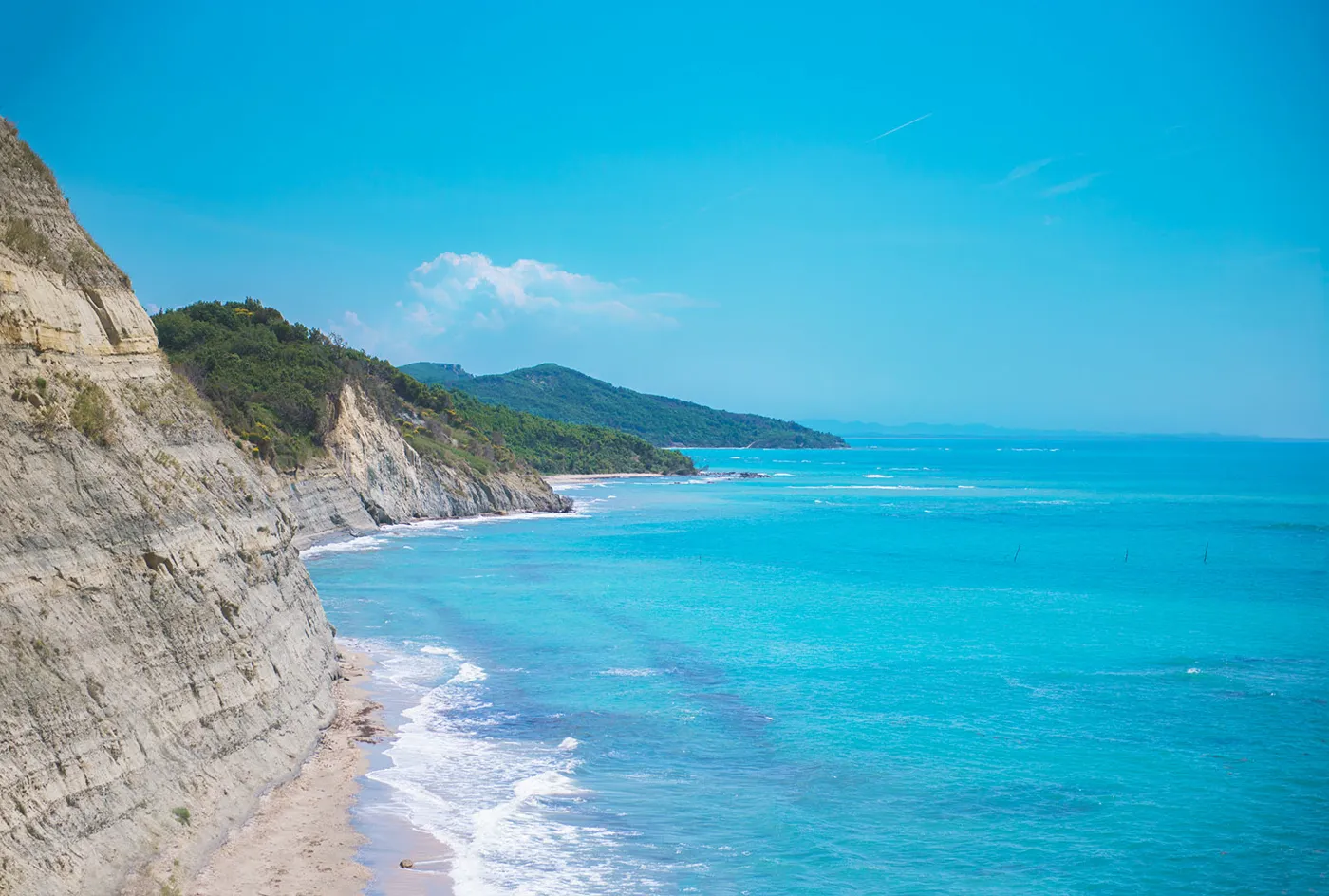
Cape of Rodon
Albania's Hidden Peninsula — pristine cliffs, turquoise waters, and the ruins of Skanderbeg's castle
Albania's Last Unspoiled Peninsula
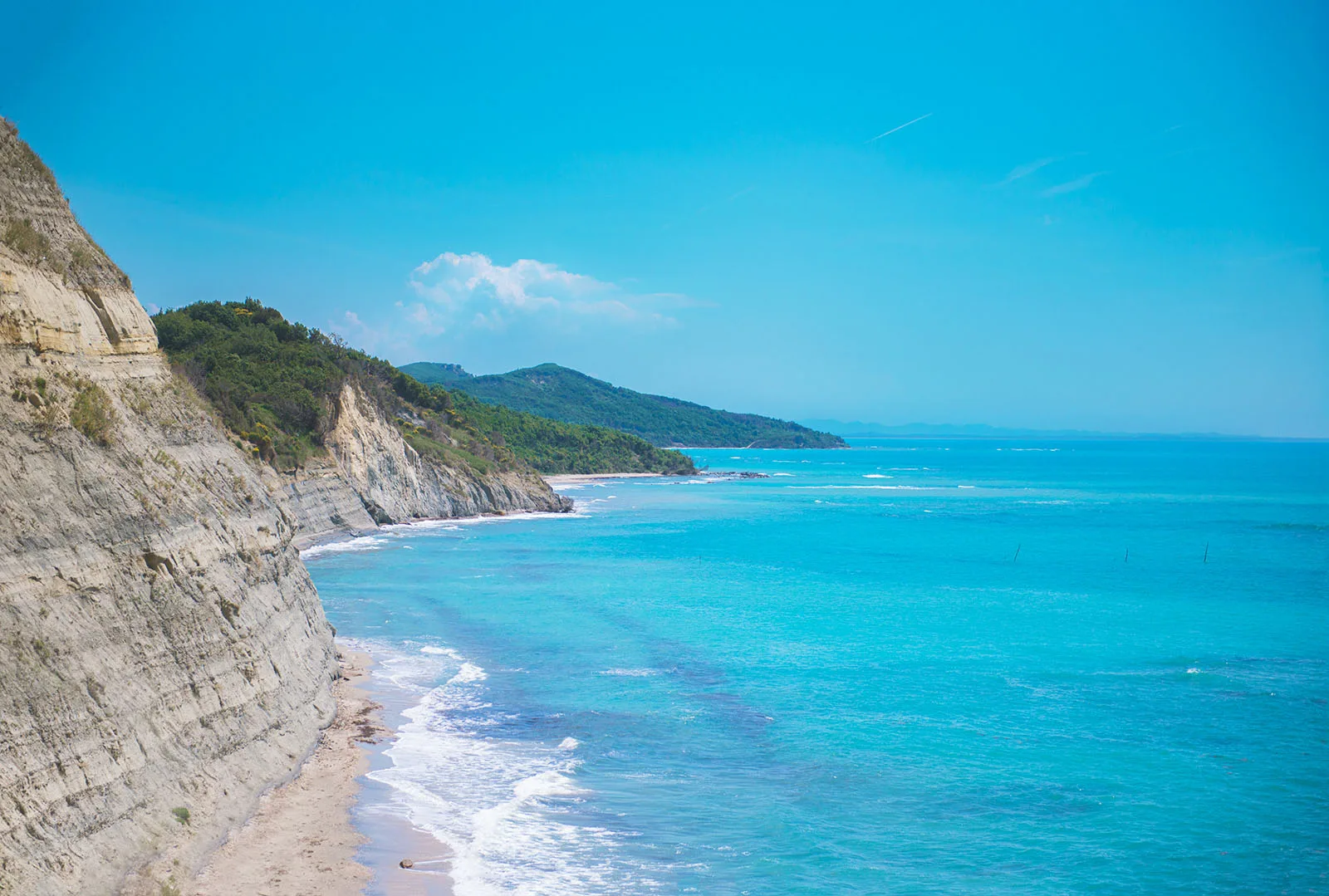
Cape of Rodon is one of Albania's best-kept secrets — a wild, windswept peninsula jutting into the Adriatic Sea, where the ruins of a 15th-century castle stand guard over turquoise waters, hidden sea caves, and beaches that most Albanians have never visited.
Closed to the public for decades as a communist military zone, the cape emerged from isolation with its natural beauty miraculously intact. Today, its crystal-clear coves, dramatic cliff faces, and the romantic ruins of Skanderbeg's castle make it one of the most rewarding day trips from Durrës — an adventure destination for those willing to go beyond the ordinary.
Just one hour from Durrës by car — or a thrilling speedboat ride across the bay — Cape of Rodon offers snorkeling, cave exploration, hiking, and some of the freshest seafood on the Albanian coast. This is Albania at its wildest and most beautiful.
From Illyrian Outpost to Adventure Destination
Cape of Rodon's history spans from ancient Illyrian times through Skanderbeg's heroic resistance, decades of communist isolation, to its present rediscovery as Albania's most dramatic coastal escape.
AncientIllyrian Settlement
The Cape of Rodon peninsula was inhabited since ancient Illyrian times, serving as a strategic coastal outpost overlooking the Adriatic Sea. The rocky headland provided natural defence and sheltered coves for fishing communities, making it an important settlement along the ancient coastal trading routes between Dyrrachium (Durrës) and the northern Adriatic ports.
1450Skanderbeg's Castle
In 1450, Albania's national hero Gjergj Kastrioti Skanderbeg built a fortified castle on the cape as part of his coastal defence network against the Ottoman Empire. The castle controlled a vital stretch of the Adriatic coastline and served as a supply point for his resistance forces. Its strategic position allowed surveillance of naval movements along the Albanian coast.
 1468–1800s
Ottoman Decline
After Skanderbeg's death in 1468, the castle and the surrounding peninsula gradually fell into Ottoman hands. Without its strategic military purpose, the area declined into a quiet, forgotten corner of the Albanian coastline. The castle slowly crumbled, and the peninsula returned to the fishermen and shepherds who had always called it home.
 1945–1991
Communist Military Zone
During the communist era under Enver Hoxha, the Cape of Rodon peninsula was designated a restricted military zone. Access was forbidden to ordinary citizens. Military bunkers were built along the coastline, and the area's natural beauty remained hidden from the Albanian public for nearly five decades — an accidental act of preservation.
 2000–Present
Rediscovery & Adventure
Since the fall of communism, Cape of Rodon has been gradually rediscovered as one of Albania's most spectacular coastal destinations. Its pristine beaches, crystal-clear caves, and the romantic ruins of Skanderbeg's castle draw adventurous travellers seeking an escape from the crowded resorts. Today it stands as one of the last unspoiled peninsulas on the Albanian Adriatic.
Landmarks & Attractions
From Skanderbeg's clifftop castle to hidden sea caves and untouched beaches — Cape of Rodon is a natural wonderland waiting to be explored.
Skanderbeg Castle
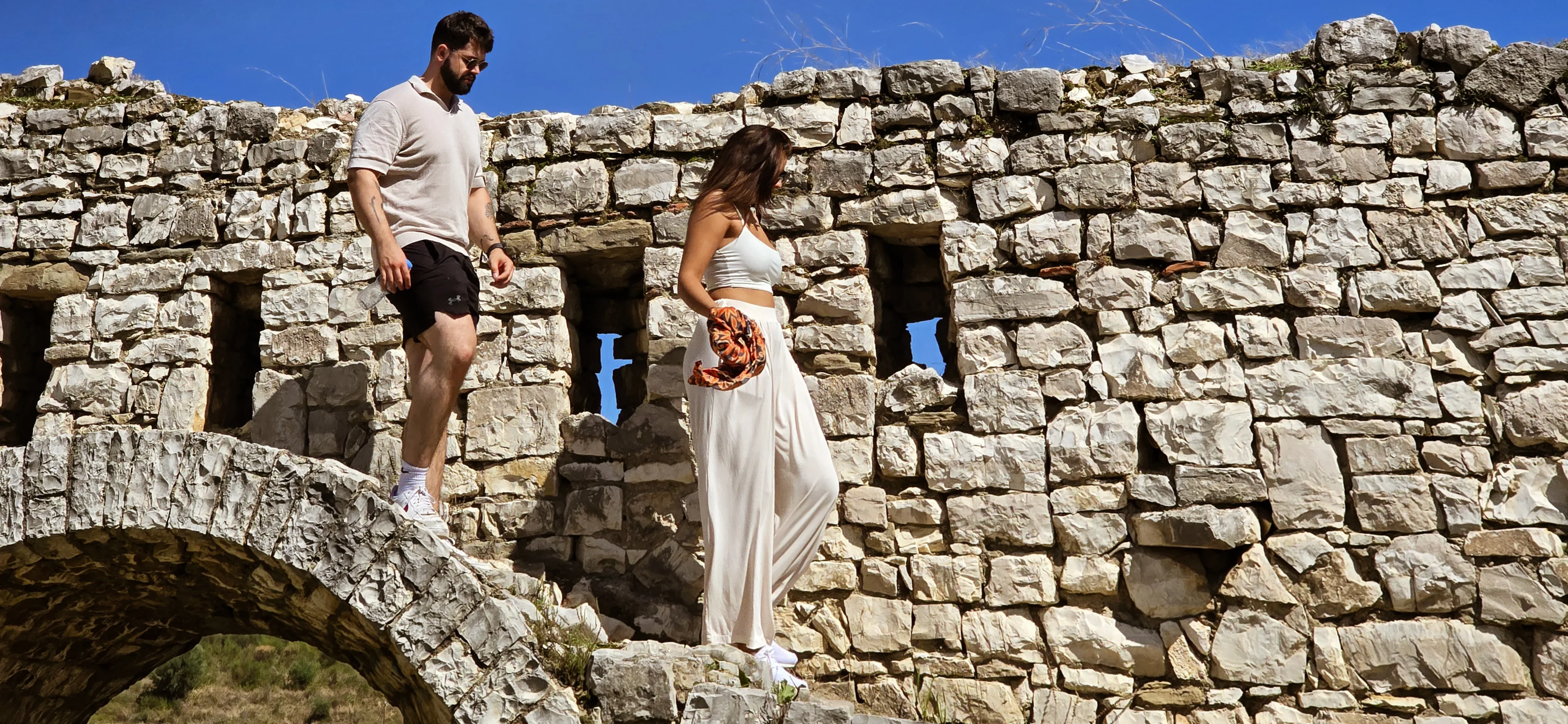
The atmospheric ruins of the fortress built by Gjergj Kastrioti Skanderbeg in 1450. Perched on the rocky headland with panoramic views of the Adriatic, the castle walls and towers still stand — a powerful reminder of Albania's resistance against the Ottoman Empire. The views from the ramparts are breathtaking.
Crystal Caves
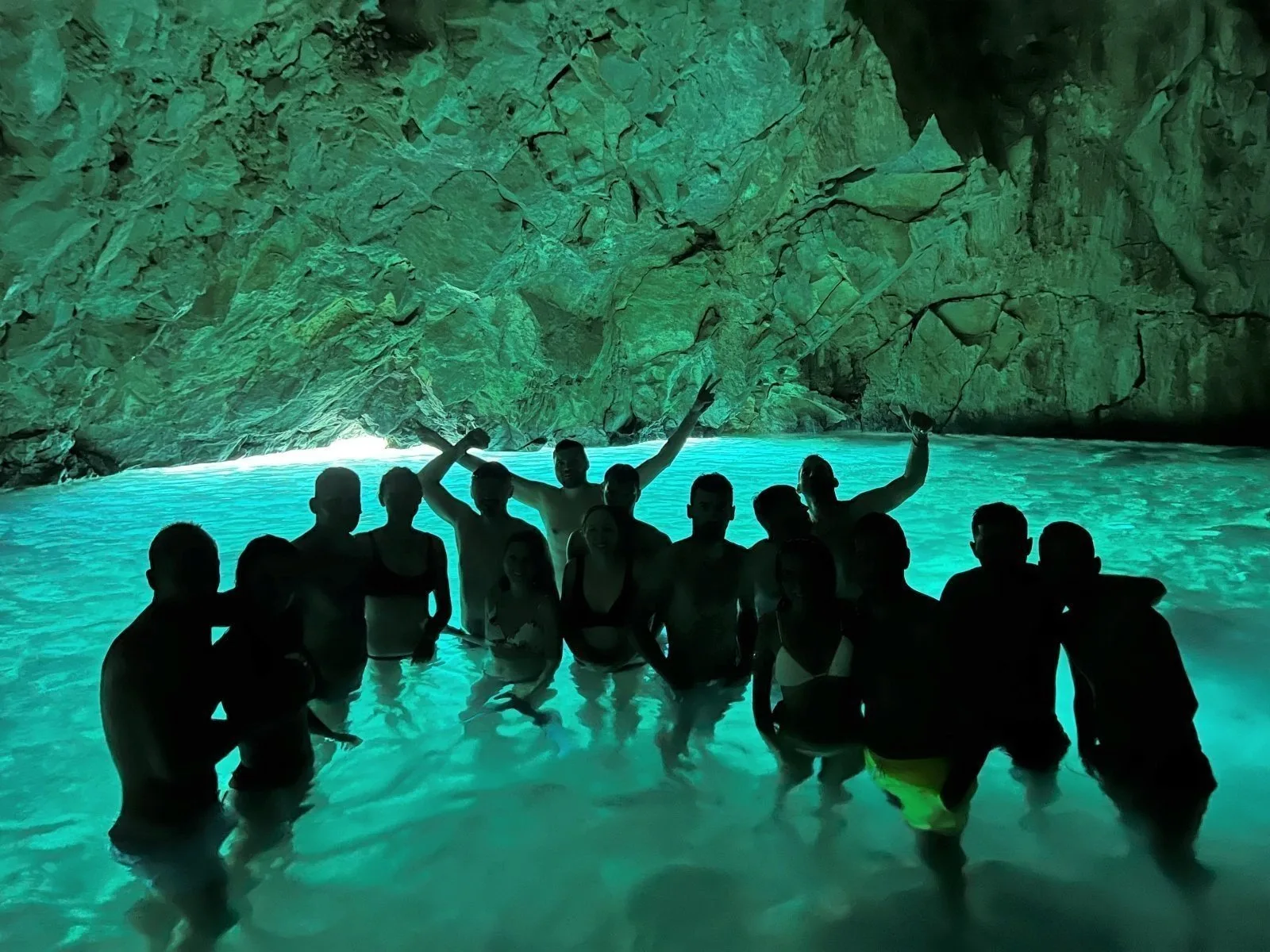
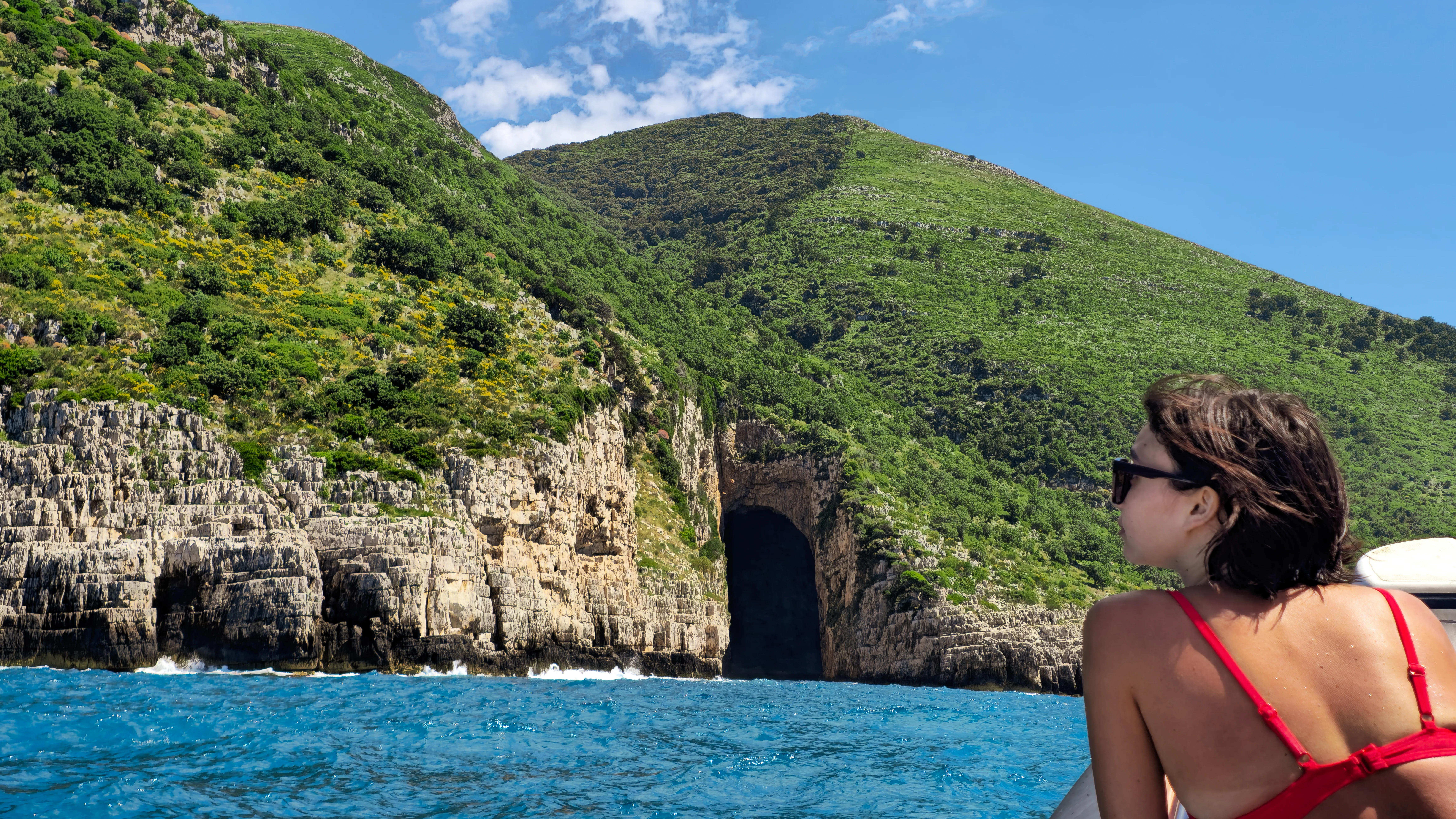
Stunning sea caves carved into the limestone cliffs of the peninsula, accessible by boat or kayak. The turquoise water inside the caves glows with an otherworldly light as sunlight filters through the rock. Swimming into these hidden chambers is one of the most magical experiences on the Albanian coast.
Secluded Beaches
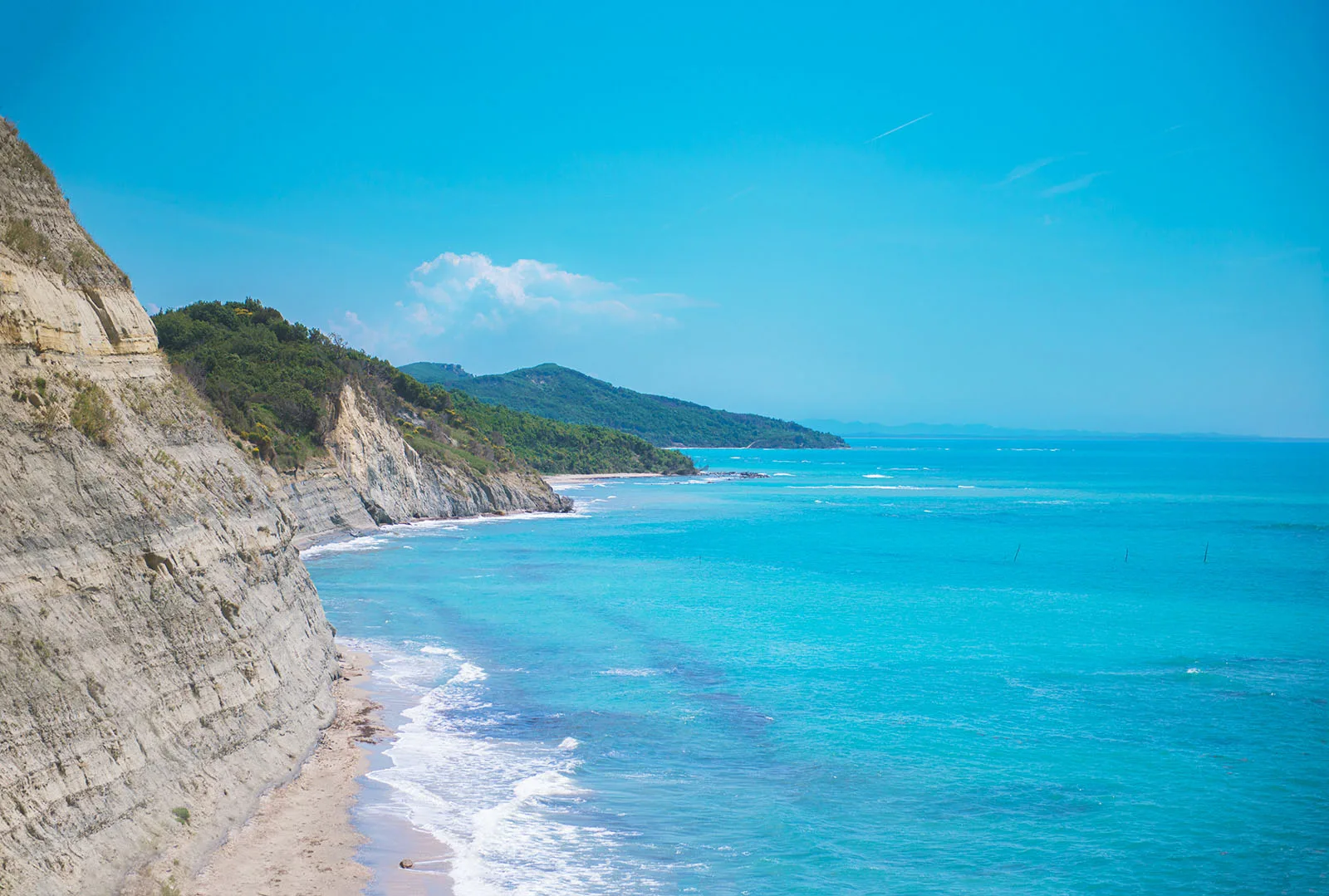
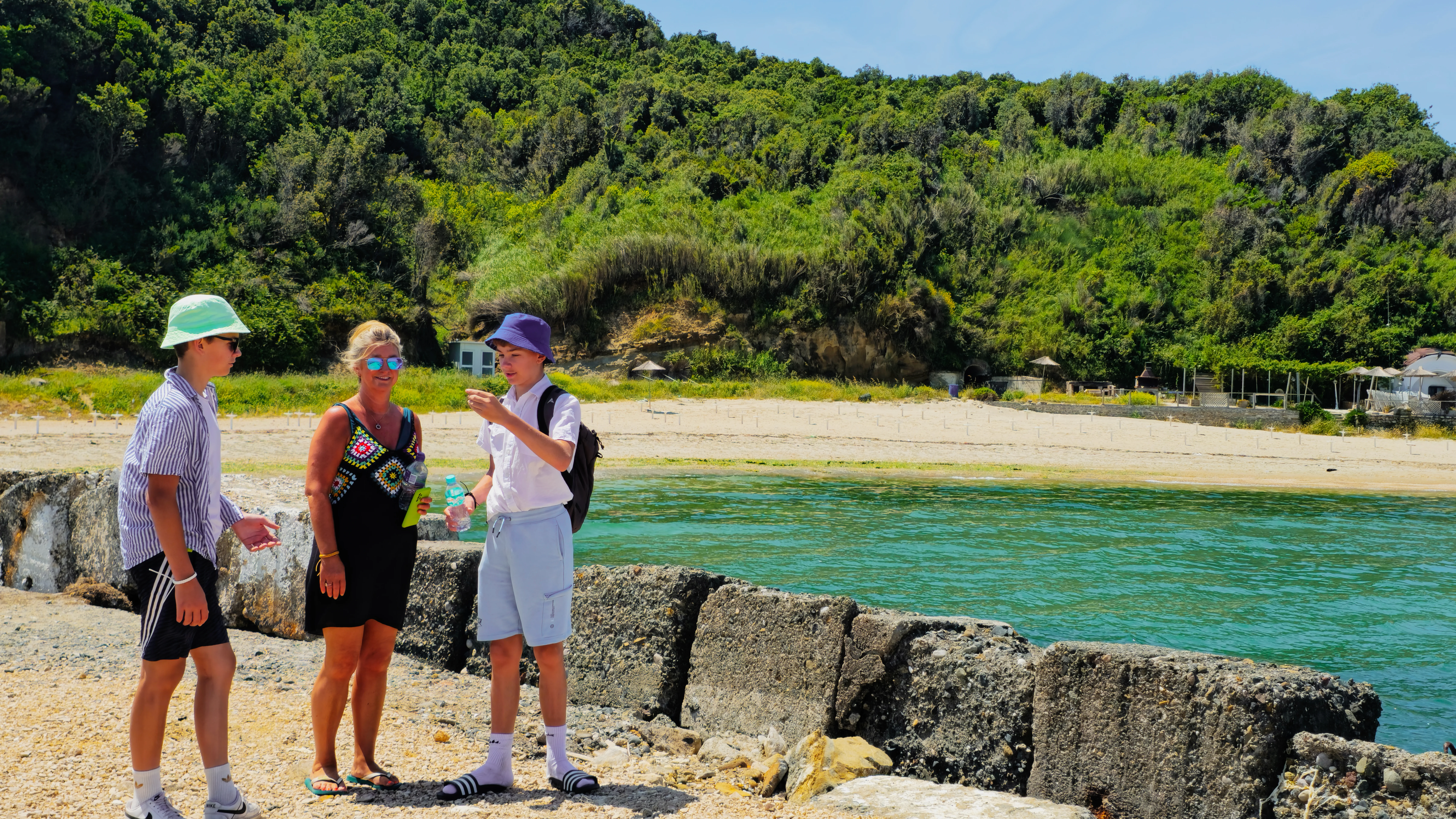
The cape is ringed with untouched coves and hidden beaches accessible only by boat or on foot along rocky trails. White pebble shores meet crystal-clear water in shades of turquoise and emerald. With no development and few visitors, these are among the most pristine beaches remaining on the Albanian Adriatic.
St Anthony's Church
The medieval ruins of St Anthony's Church sit within the walls of Skanderbeg's castle. This small stone chapel served the garrison and local community for centuries. Its weathered walls and arched doorway, framed by wild herbs and the open sea beyond, make it one of the most atmospheric spots on the entire peninsula.
Cape Lighthouse
Standing at the very tip of the peninsula, the Cape of Rodon lighthouse marks the westernmost point of this dramatic headland. The walk out to the lighthouse along the windswept clifftops offers 360-degree views of the Adriatic — on clear days you can see all the way to the mountains of Montenegro to the north.
Adventures at the Cape
Cape of Rodon is an adventure playground — from snorkeling in crystal caves to hiking wild clifftop trails, every visit brings a new discovery. The peninsula's unspoiled nature and lack of mass tourism make it feel like your own private coastline.
Snorkeling
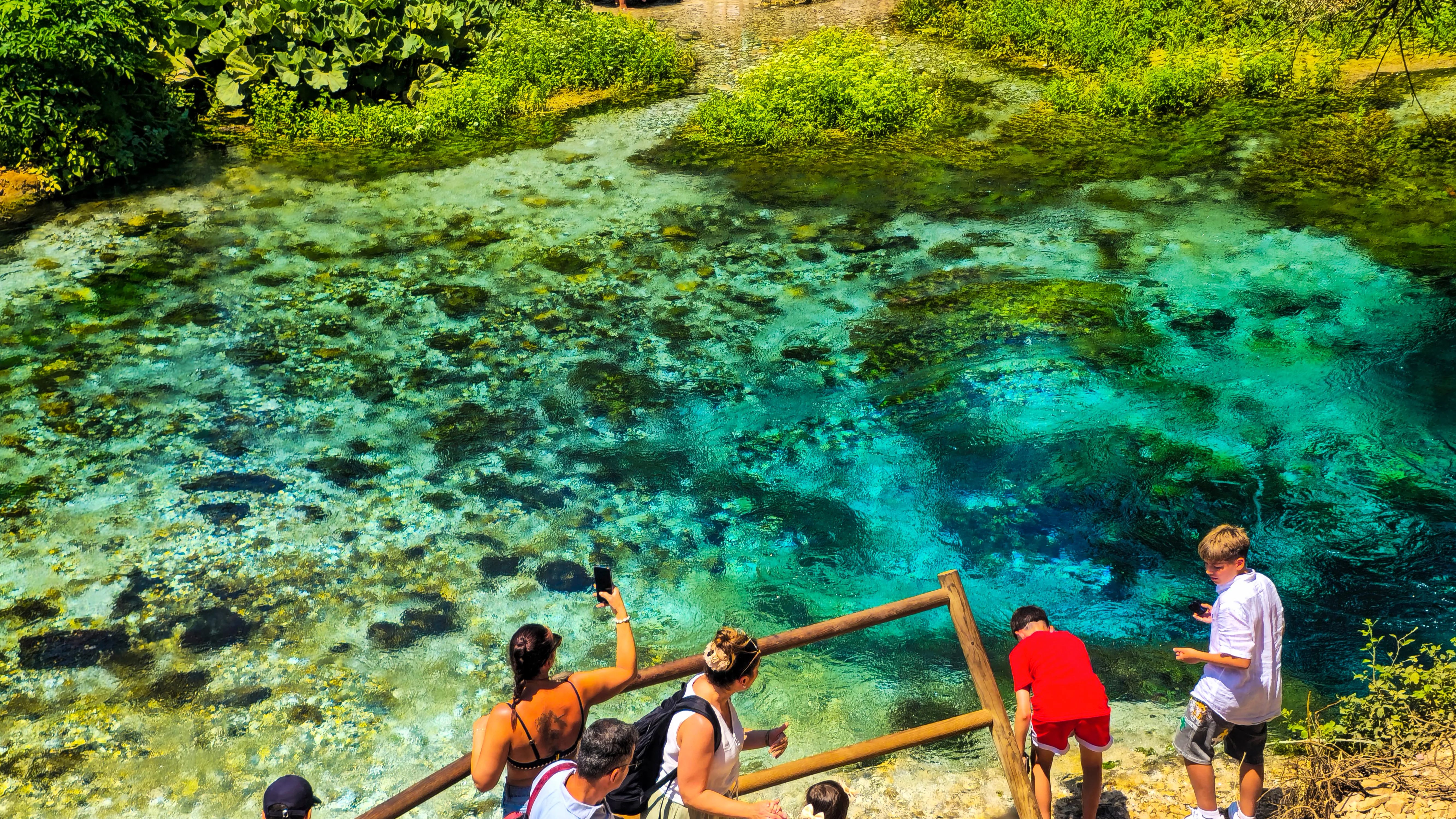
The crystal-clear waters around the cape offer exceptional snorkeling with visibility reaching 15–20 metres. Explore rocky reefs, underwater caves, and abundant marine life in water so clear it feels like floating in air. The sheltered coves provide calm conditions even when the open sea is choppy.
Cave Exploration
Discover the sea caves that honeycomb the peninsula's limestone cliffs. Some are accessible by swimming from the shore, others only by boat. Inside, turquoise light plays off the rock walls and hidden chambers open up into cathedral-like spaces — a world of silence and beauty hidden beneath the cliffs.
Boat Trips
The best way to experience the cape is from the water. Local fishermen offer boat tours around the peninsula, stopping at hidden beaches, sea caves, and the best swimming spots. Watch for dolphins that frequently visit these waters, and enjoy fresh seafood grilled on board.
Hiking Trails
Rocky trails crisscross the peninsula, connecting the castle ruins, the lighthouse, hidden coves, and clifftop viewpoints. The landscape is wild Mediterranean maquis — fragrant with rosemary, sage, and thyme. The full circuit of the cape takes 2–3 hours and rewards with views at every turn.
Kayaking
Sea kayaking around the cape is an unforgettable experience. Paddle along dramatic cliff faces, duck into sea caves, and beach your kayak on shores accessible only from the water. The calm morning waters are ideal for beginners, while experienced paddlers can explore the more exposed northern coast.
Food & Cuisine
The freshest seafood on the Albanian coast — caught by local fishermen and grilled over charcoal within sight of the waves. Simple, honest, unforgettable.
Grilled Fresh Fish
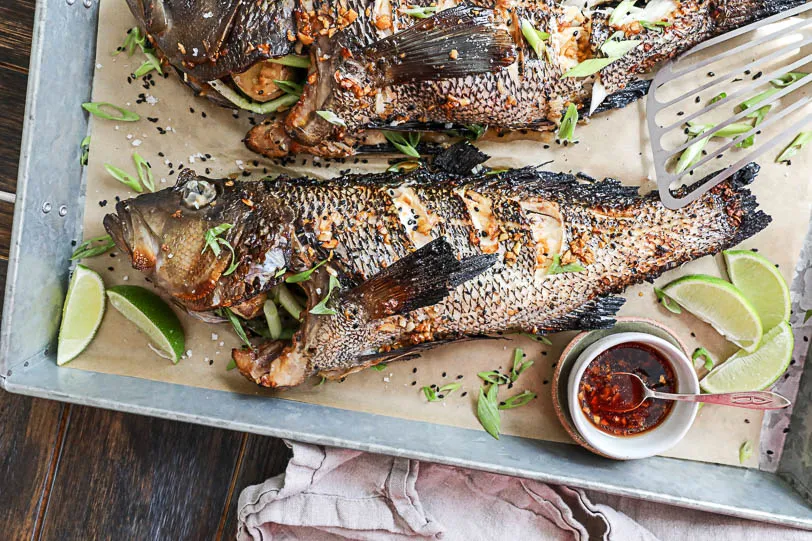
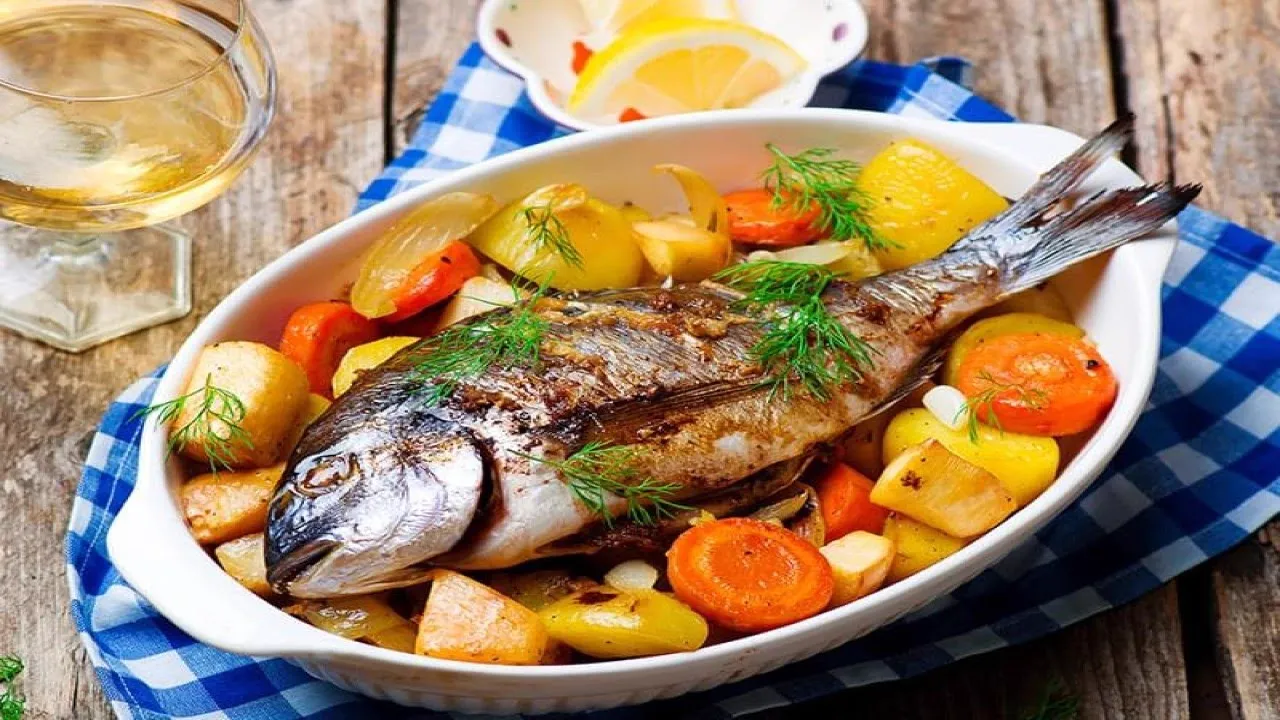
The local fishermen bring in their catch daily — sea bream, sea bass, and red mullet grilled whole over charcoal and drizzled with olive oil and lemon. Eaten at a simple table overlooking the sea with bread and a tomato salad, this is Albanian coastal eating at its purest and finest.
Grilled Octopus
Tender octopus caught in the waters around the cape, slow-grilled until charred and smoky, then dressed with olive oil, garlic, and a squeeze of lemon. Paired with a cold beer and the sound of waves — a quintessential Adriatic experience you won't find in any restaurant guide.
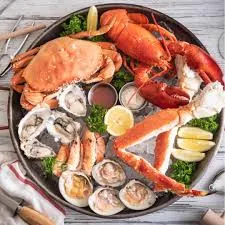
Fresh Seafood Platter
Local fishermen prepare mixed platters of the day's catch — small fried fish, grilled prawns, mussels, and calamari — served family-style with bread and salad. The seafood here is as fresh as it gets, often caught just hours before it reaches your plate.
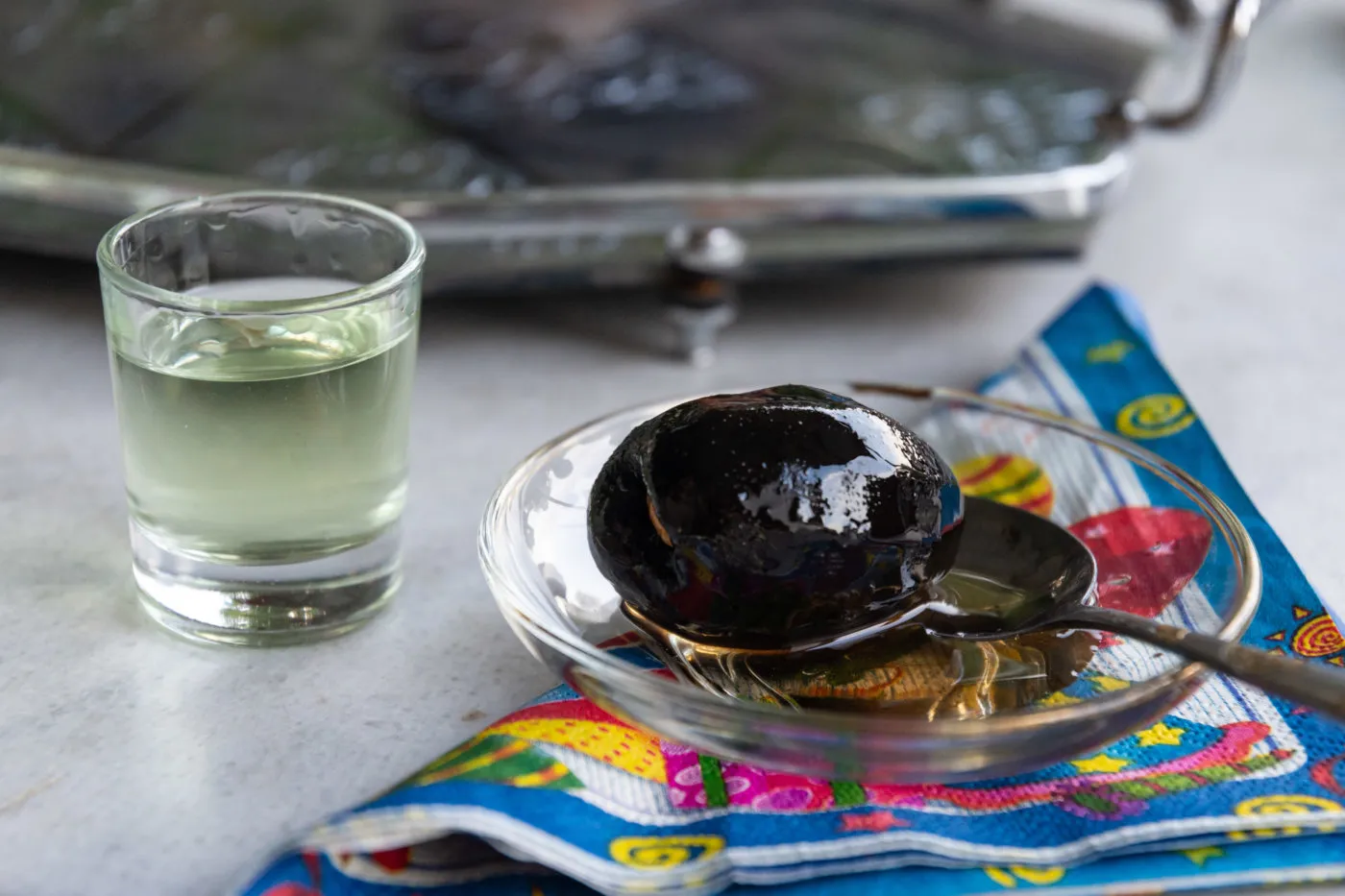
Raki
No Albanian meal is complete without raki — the clear grape spirit that's offered as a gesture of welcome and friendship. At Cape of Rodon, the local fishermen always have a bottle on board. A glass of homemade raki with grilled fish by the sea is the taste of the real Albania.
Best Time to Visit Cape of Rodon
Summer is prime time for swimming and snorkeling, but spring and autumn offer the best hiking conditions and total solitude on the peninsula's beaches.
Summer
June – August28–35°CPeak season. Hot, sunny days perfect for swimming, snorkeling, and boat trips. The sea is warm and calm. Arrive early to claim the best coves before other visitors.
Spring
April – May16–24°CIdeal for hiking and exploration. Wildflowers carpet the peninsula, the sea is warming up, and you'll have the beaches almost entirely to yourself.
Autumn
September – October18–27°CThe sea is still warm from summer, crowds have gone, and golden light makes the cliffs glow. September is arguably the best month to visit.
Winter
November – March5–14°CDramatic storms and wild seas make for spectacular cliff walks, though swimming is off the table. The castle ruins are hauntingly atmospheric in the winter mist.
How to Reach Cape of Rodon
Cape of Rodon is approximately 1 hour from Durrës by car, heading north along the coastal road through Lalëz Bay. The final stretch is a scenic drive along the peninsula with views of the Adriatic opening up at every curve.
For a more adventurous approach, the cape is also accessible by speedboat from Durrës — a thrilling 30-minute ride across the bay that delivers you directly to the hidden coves and sea caves of the peninsula.
We offer guided day trips to Cape of Rodon that include transport, boat excursions, snorkeling equipment, and a fresh seafood lunch — everything you need for an unforgettable day on Albania's wildest peninsula.
Tours to Cape of Rodon
Explore Skanderbeg's castle, swim in crystal caves, and feast on the freshest seafood — all with experienced local guides who know every hidden cove.
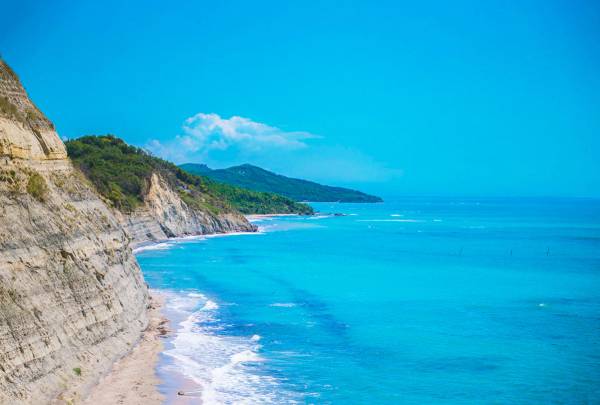
Ready to Explore Cape of Rodon?
Whether you want to explore Skanderbeg's castle, snorkel in crystal caves, or simply find a secluded beach all to yourself — we'll take you there.