Butrint
Albania's Ancient UNESCO Jewel — layers of Greek, Roman, Byzantine, and Venetian ruins on a lagoon peninsula
Where Civilisations Left Their Mark
Butrint is Albania's most extraordinary archaeological site — a UNESCO World Heritage treasure where 2,500 years of history are layered on a forested peninsula surrounded by the shimmering waters of a coastal lagoon. Greeks, Romans, Byzantines, and Venetians all built here, each civilisation leaving its mark on this remarkable place.
Unlike many ancient sites that feel like open-air museums of dust and stone, Butrint is lush and green. Ancient walls emerge from dense oak forest, wildflowers grow between Roman columns, and the air is filled with birdsong. A walk through the park feels like exploring a lost city in a jungle — except this jungle is on the Albanian Riviera, twenty minutes from the turquoise beaches of Ksamil.
Julius Caesar settled veterans here. Virgil wrote about it in the Aeneid. Its baptistery mosaics rival anything in Ravenna. And yet Butrint remains relatively unknown outside Albania — which is precisely what makes visiting it so special.
Layers of Civilisation
From a Greek colony on the Ionian coast to a UNESCO World Heritage Site — Butrint's story spans four great civilisations, each building upon the ruins of the last.
7th c. BCGreek Colony of Buthrotum
Butrint began as a Greek colony called Buthrotum, founded in the 7th century BC on a small peninsula surrounded by the waters of Lake Butrint. Its strategic position between the Ionian Sea and a sheltered lagoon made it an ideal trading post. Greek settlers built temples, a theatre, and agora — the foundations of a city that would endure for over two millennia.
1st c. BCRoman City
Under Rome, Buthrotum flourished. Julius Caesar designated it a colony and settled veterans here after the civil wars. The poet Virgil immortalised it in the Aeneid, describing Aeneas's visit to a 'little Troy' on the Epirote coast. The Romans expanded the theatre, built a forum, baths, an aqueduct, and grand villas — transforming the Greek outpost into a prosperous Roman city.
5th–6th c.Byzantine Bishopric
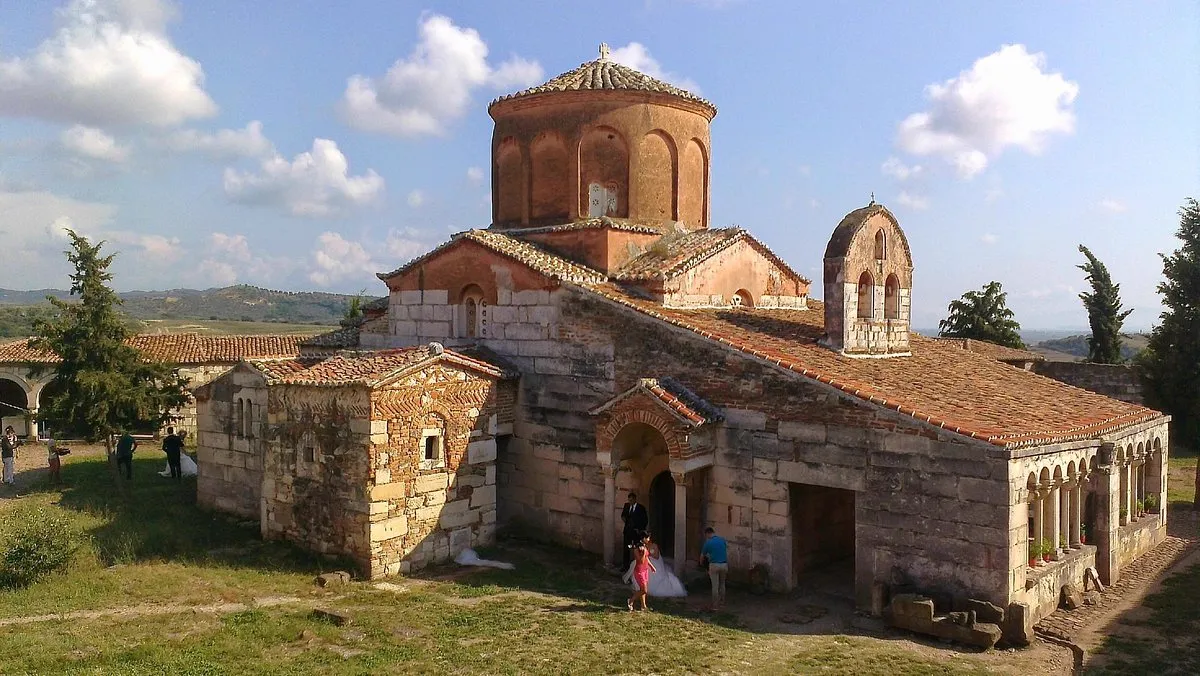
As the Roman Empire shifted east, Butrint became an important Byzantine bishopric. The great Baptistery — one of the largest in the ancient world — was built during this era, its floor adorned with stunning mosaics of animals, vines, and geometric patterns. A grand basilica with mosaic floors rose beside it, and the city walls were strengthened against Gothic and Slavic raids.
14th–15th c.Venetian Fortress
The Republic of Venice seized Butrint in the 14th century, recognising its strategic value guarding the entrance to the Corfu Channel. The Venetians built a powerful fortress and watchtower on the acropolis, whose walls still dominate the site today. A triangular tower at the Vivari Channel controlled access between lake and sea. Butrint became a military outpost rather than a living city.
16th–19th c.Ottoman Decline & Abandonment
Under Ottoman rule, Butrint slowly declined. Malaria from the surrounding marshes drove away the remaining population, and the once-great city was swallowed by vegetation. For centuries it lay forgotten — a ghost city on a lagoon peninsula, its temples and theatres hidden beneath centuries of undergrowth, known only to local fishermen and shepherds.
20th c.–PresentRediscovery & UNESCO
In the 1920s, Italian archaeologist Luigi Maria Ugolini began systematic excavations, unearthing the theatre, baptistery, and Roman forum. His work revealed Butrint as one of the Mediterranean's most important archaeological sites. In 1992, UNESCO inscribed Butrint as a World Heritage Site. Today it is Albania's most visited archaeological park — a magical place where 2,500 years of history are layered on a forested peninsula surrounded by shimmering water.
Landmarks & Attractions
From a Greek theatre and Roman forum to Byzantine mosaics and a Venetian watchtower — Butrint packs 2,500 years of monuments into one forested peninsula.
Roman Theatre
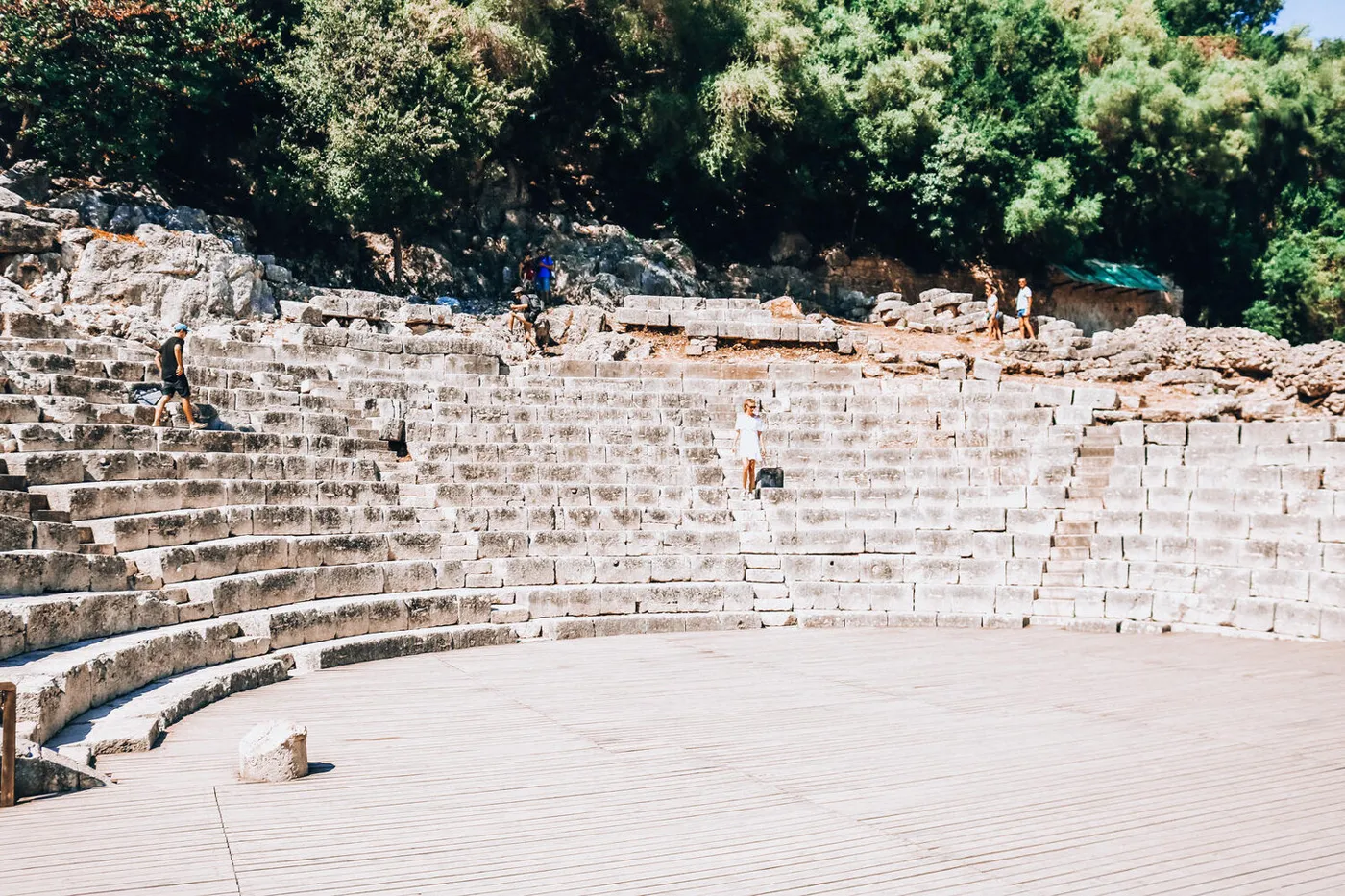
Built in the 2nd century BC, this intimate 1,500-seat theatre is carved into the hillside facing the lagoon. Used for both Greek dramatic performances and Roman spectacles, it remains remarkably well preserved. The stage building and orchestra floor are still visible, and the acoustics are extraordinary — a whisper on the stage carries to the top row.
The Baptistery
One of the largest and most impressive early Christian baptisteries in the Mediterranean, dating to the 6th century. Its circular floor is covered in stunning mosaics depicting animals — peacocks, deer, bulls — intertwined with grapevines and geometric medallions. The mosaics are kept under protective sand and revealed periodically for visitors.
Lion Gate
This massive stone gateway dates to the 4th century BC and takes its name from the carved stone lintel depicting a lion devouring a bull — a powerful symbol of the city's strength. It is one of the finest examples of Hellenistic military architecture in the region and the most iconic entrance to the ancient city.
Venetian Tower
Perched on the acropolis, this 15th-century Venetian watchtower offers panoramic views across Lake Butrint, the Vivari Channel, and the Ionian coastline towards Corfu. The climb is short but rewarding — from the top you can grasp the entire layout of the ancient city and understand why this peninsula was coveted by every civilisation that passed through.
The Great Basilica
A grand 6th-century Christian basilica with three naves and remarkable mosaic floors. Though partially ruined, the standing columns and carved capitals give a powerful sense of the building's original scale. The basilica and neighbouring baptistery formed the spiritual heart of Byzantine Butrint.
Vivari Channel
This narrow natural channel connects Lake Butrint to the Ionian Sea, creating a unique ecosystem where freshwater meets saltwater. Controlled by a Venetian triangular fortress, it was both a military chokepoint and a fishing paradise. Today, small restaurants along the channel serve fresh sea bass and mussels pulled from these very waters.
Nature & Wildlife
Butrint is as much a nature reserve as an archaeological park. The lagoon, wetlands, and Mediterranean forest surrounding the ruins support an extraordinary diversity of birdlife and wildlife — making it a paradise for nature lovers and birdwatchers alike.
Butrint Lagoon
A vast coastal lagoon separated from the Ionian Sea by a narrow strip of land. The warm, shallow waters support an extraordinary ecosystem — fish, shellfish, migratory birds, and rare wetland plants thrive here. The lagoon's colours shift from turquoise to deep blue depending on the light and season.
Wetland Boardwalks
Wooden boardwalks wind through the marshes and reed beds surrounding the archaeological park, offering an immersive experience of the wetland ecosystem. These peaceful trails are far from the main ruins and provide a chance to see Butrint's natural side — dragonflies, water lilies, and the occasional turtle sunning on a log.
Birdwatching
Butrint's wetlands are a magnet for birdlife. Herons, cormorants, kingfishers, and egrets are common year-round. During migration seasons, the lagoon attracts hundreds of species passing between Africa and northern Europe. The reed beds near the Vivari Channel are particularly rich birding territory.
Archaeological Park Walking Trails
The park's network of shaded trails winds through ancient oak and Mediterranean macchia forest, connecting ruins spread across the peninsula. The combination of dense greenery, dappled light, and glimpses of ancient stone walls creates an atmosphere unlike any other archaeological site in Europe.
Vivari Channel Boat Ride
A short boat ride across the Vivari Channel is part of the Butrint experience — the only way to reach the Ali Pasha fortress on the opposite bank. The channel's crystal-clear waters and the views of ancient walls rising from the forested shoreline make this one of the most memorable moments of any visit.
Food & Cuisine
Fresh mussels from the lagoon, grilled fish from the Vivari Channel, and the finest olive oil in Albania — Butrint's cuisine is pure Ionian Mediterranean.

Fresh Mussels from Butrint Lake
Butrint Lake is famous for its mussels — cultivated in the brackish waters where the lagoon meets the Ionian Sea. Served steamed with garlic, white wine, and a squeeze of lemon, or baked with breadcrumbs and cheese, they are the signature dish of the region. Every restaurant along the Vivari Channel and Ksamil road serves them.
Grilled Sea Bass
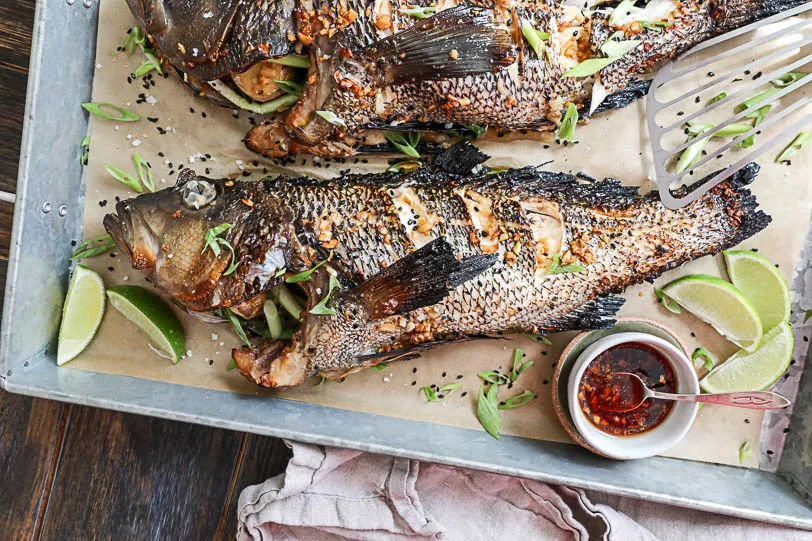
Sea bass from the Vivari Channel — where freshwater meets saltwater — has a distinctive, delicate flavour prized by locals and chefs alike. Grilled whole over charcoal with olive oil, lemon, and oregano, served with a simple salad and bread, it's southern Albanian coastal cooking at its purest.
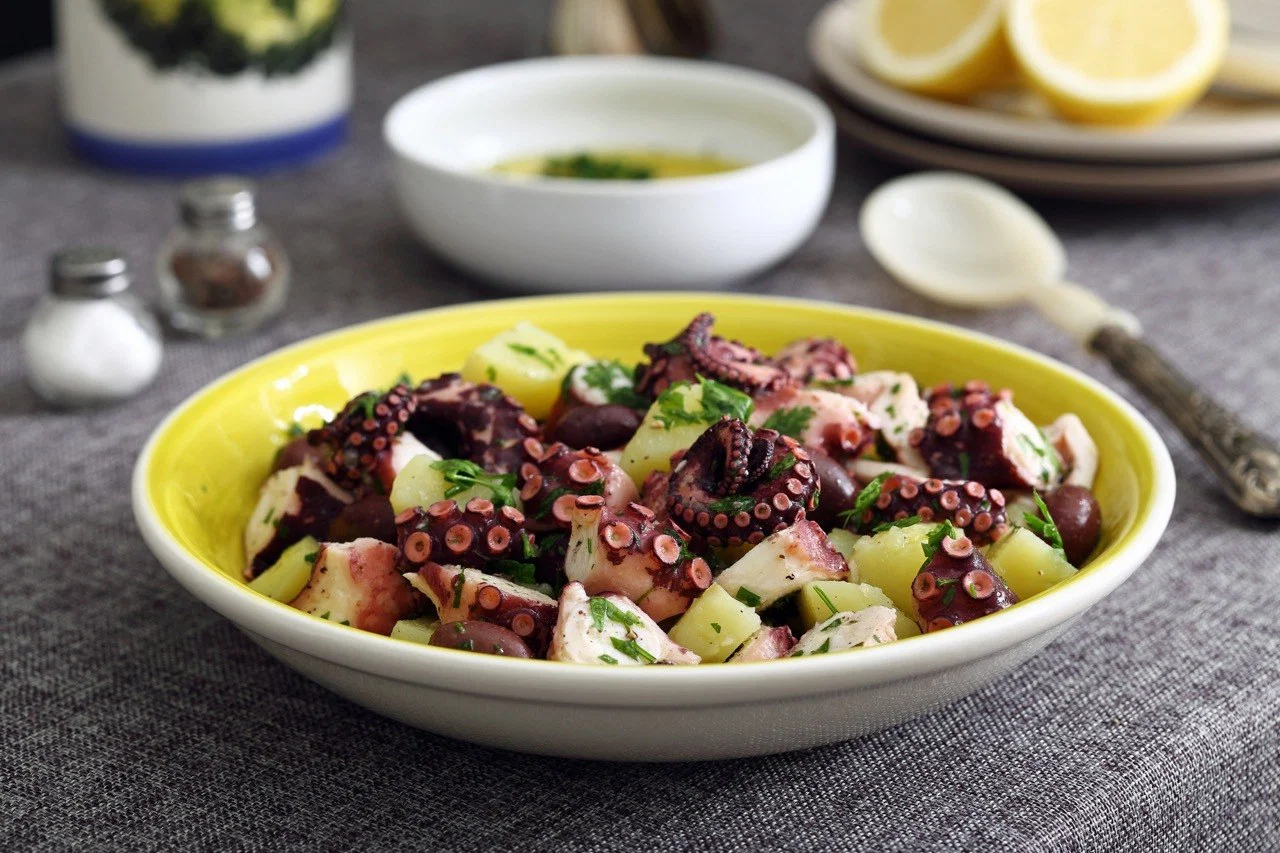
Octopus
Fresh Ionian octopus, tenderised and grilled until charred and smoky, is a staple of the Sarandë-Butrint coast. Served with olive oil, red onion, and a splash of vinegar, or cold as part of a seafood meze platter — it captures the Mediterranean essence of this corner of Albania.
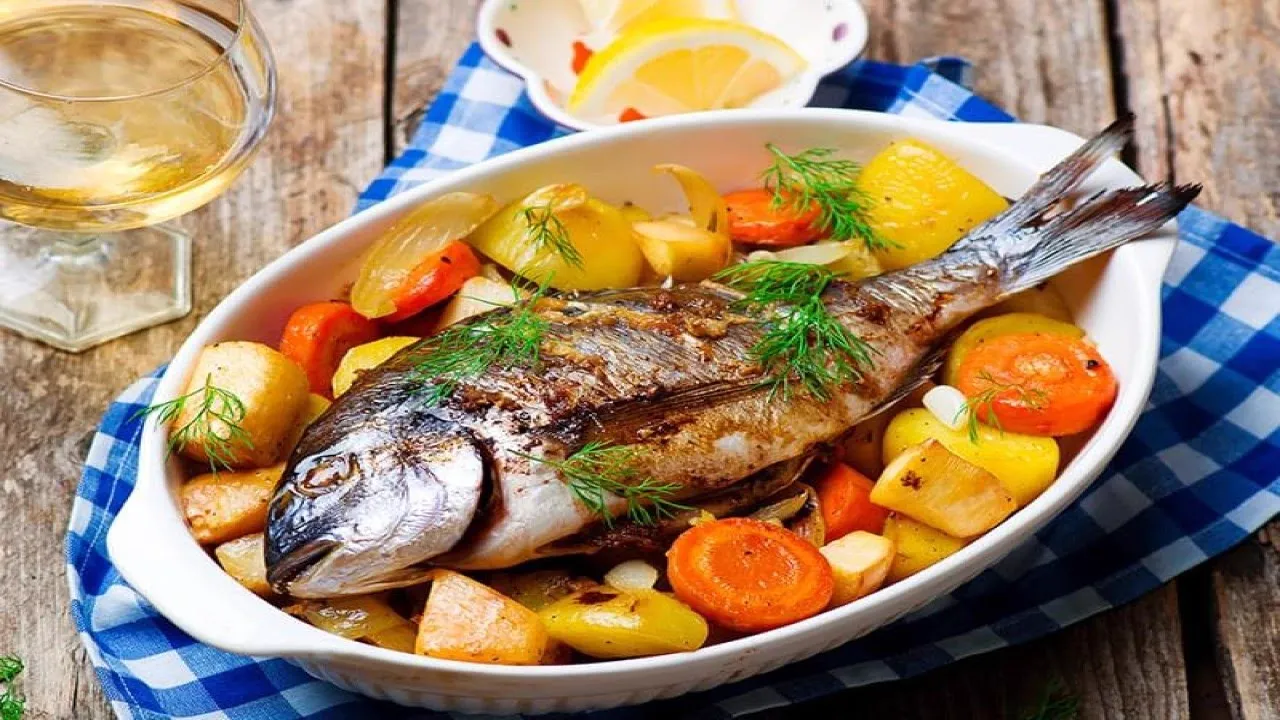
Tavë Peshku
Fish baked in a clay dish with tomatoes, peppers, onions, garlic, and a generous pour of local olive oil. The southern Albanian version uses whatever the fishermen caught that morning — sea bream, mullet, or bass — slow-cooked until the vegetables caramelise and the fish falls from the bone.
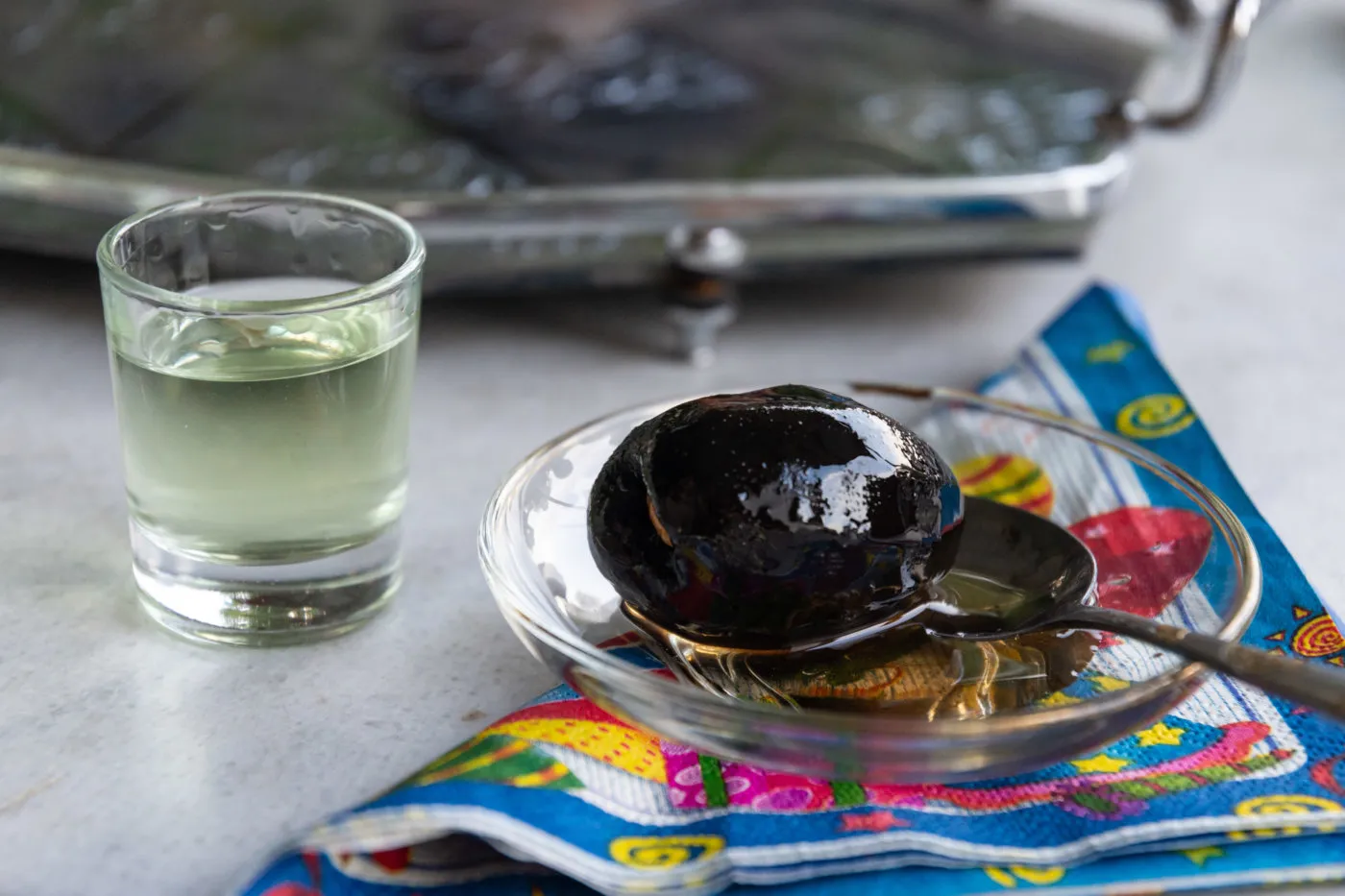
Raki
No meal in southern Albania ends without raki — the clear grape spirit that's both a digestive and a social ritual. In the villages around Butrint, families distil their own from backyard vineyards. Refusing a glass is considered impolite. Sip it slowly, enjoy the conversation, and let the meal settle.
Best Time to Visit Butrint
Southern Albania enjoys a Mediterranean climate with mild winters and hot summers. Spring and autumn offer the most comfortable conditions for exploring the archaeological park.
Summer
June – August28–38°CHot and busy. The archaeological park can be scorching by midday — visit early morning or late afternoon. Combine with a swim at Ksamil Beach afterwards. Long daylight hours.
Spring
April – May18–26°CThe best time to visit Butrint. Comfortable temperatures, wildflowers throughout the park, fewer crowds, and the lagoon alive with migratory birds. Perfect walking weather.
Autumn
September – October20–30°CWarm days with golden light filtering through the ancient oaks. September is still beach weather. October brings quieter trails and the start of olive harvest season in the surrounding groves.
Winter
November – March8–16°CMild southern Albanian winters mean Butrint is visitable year-round. The park is almost empty, atmospheric in the rain, and the lagoon draws wintering birds. Some restaurants close seasonally.
How to Reach Butrint
Butrint is located at the southern tip of Albania, about 5 hours from Durrës by car via the coastal road through Vlorë and Sarandë. The drive is spectacular — one of the most scenic routes in the Balkans.
From Sarandë, the park is just 20 minutes south. From Ksamil, it's a quick 30-minute drive. Most visitors combine Butrint with a beach day at Ksamil — the two are natural companions.
We offer guided day trips to Butrint from Durrës and Sarandë, with comfortable transport, professional guides, and plenty of time to explore the ruins, swim at Ksamil, and enjoy a fresh fish lunch by the Vivari Channel.
Tours to Butrint
Walk through 2,500 years of history with an expert local guide, swim at Ksamil, and feast on fresh lagoon mussels — all in one unforgettable day.
Tours coming soon
We're preparing exciting new tours to Butrint. Check back soon or contact us to arrange a private experience.
Contact UsReady to Explore Butrint?
Whether you want a guided archaeological tour, a boat ride on the lagoon, or a day combining ancient ruins with Ksamil's beaches — we'll make it happen.